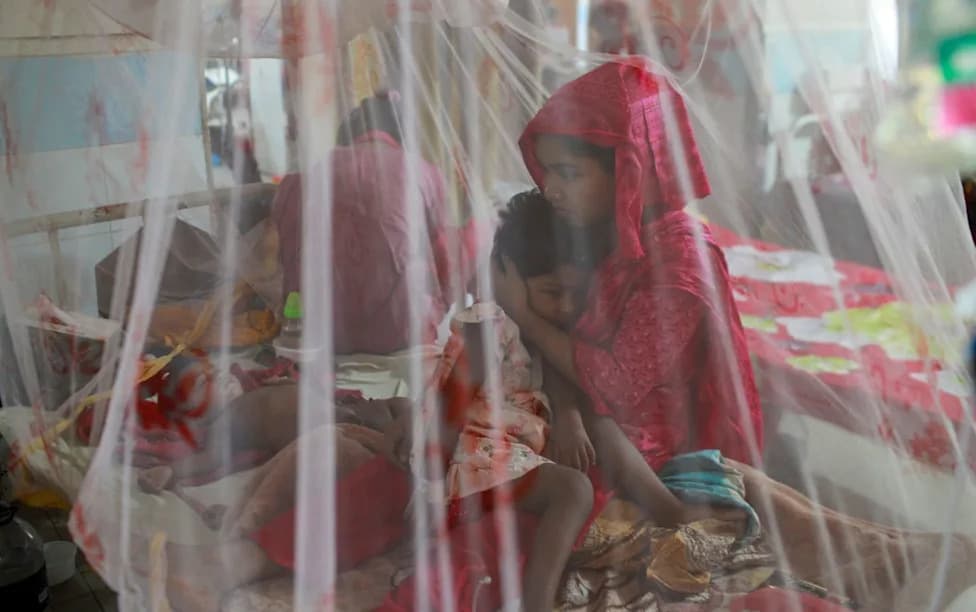
Dengue is increasingly spreading into new U.S. areas. Hillsborough County recorded 134 cases and the first confirmed dengue-related death on Sept. 4, 2026. Most infections are asymptomatic, but about 1 in 20 progress to severe, potentially fatal illness without prompt care. There’s no antiviral cure and vaccines are limited; prevention depends on avoiding Aedes mosquitoes and recognizing warning signs early.
Dengue Is Spreading Into New U.S. Areas — Florida Sees 134 Cases and First Confirmed Death
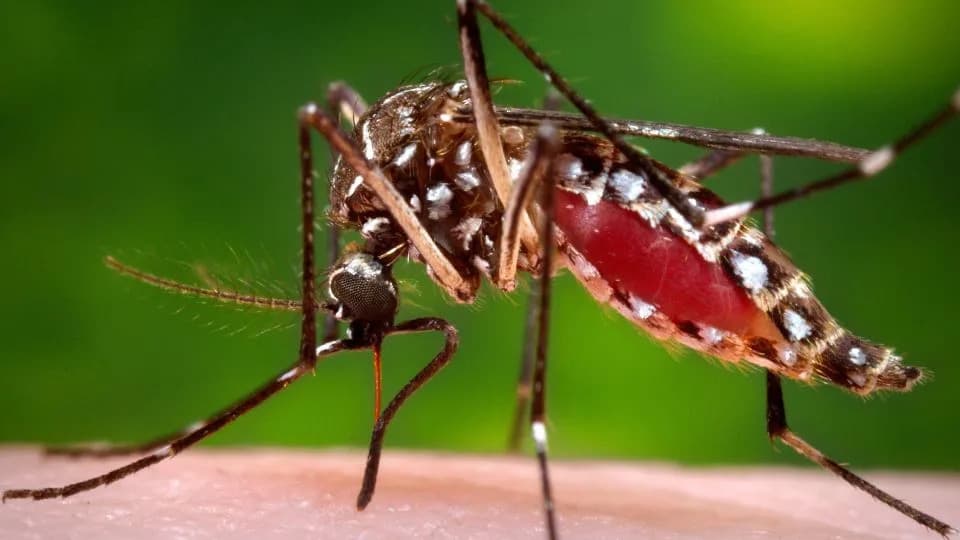
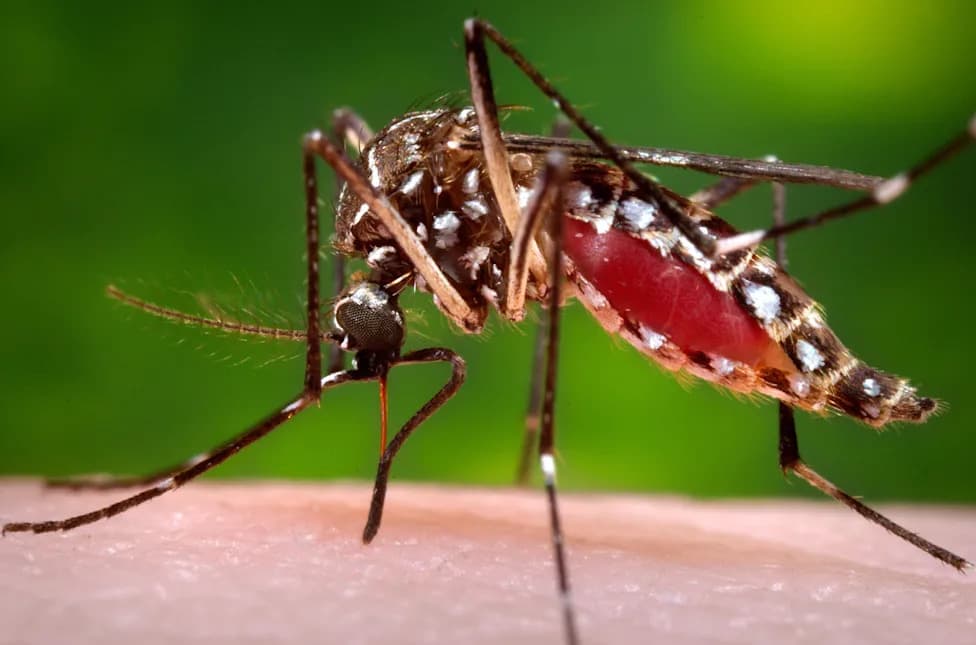
A female Aedes aegypti mosquito acquires a blood meal from a human host. - James Gathany/CDC/AP
The Florida Department of Health confirmed on Sept. 18, 2026, that an elderly woman who died on Sept. 4 had dengue fever listed as the cause of death. This is the first confirmed fatality in a larger dengue outbreak in Hillsborough County, which has recorded 134 cases this summer. In August, local health officials issued a mosquito-borne illness alert after multiple locally acquired infections were reported.
This cluster of community transmission underscores a growing reality: dengue, once mainly associated with tropical travel, is increasingly being caught at home in parts of the United States.
What Is Dengue?
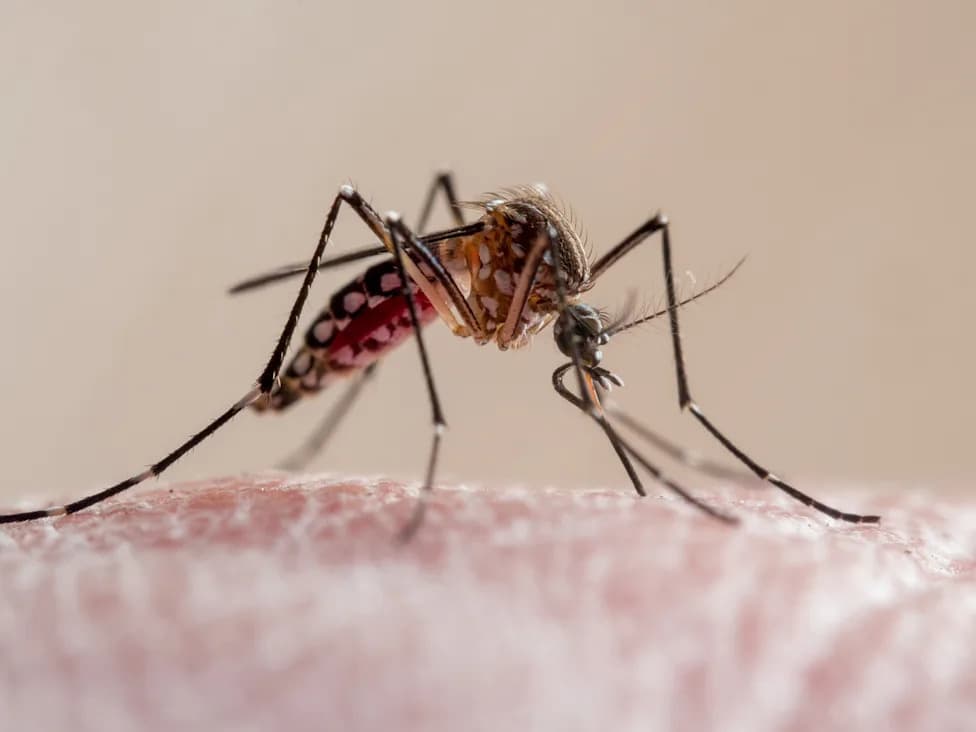
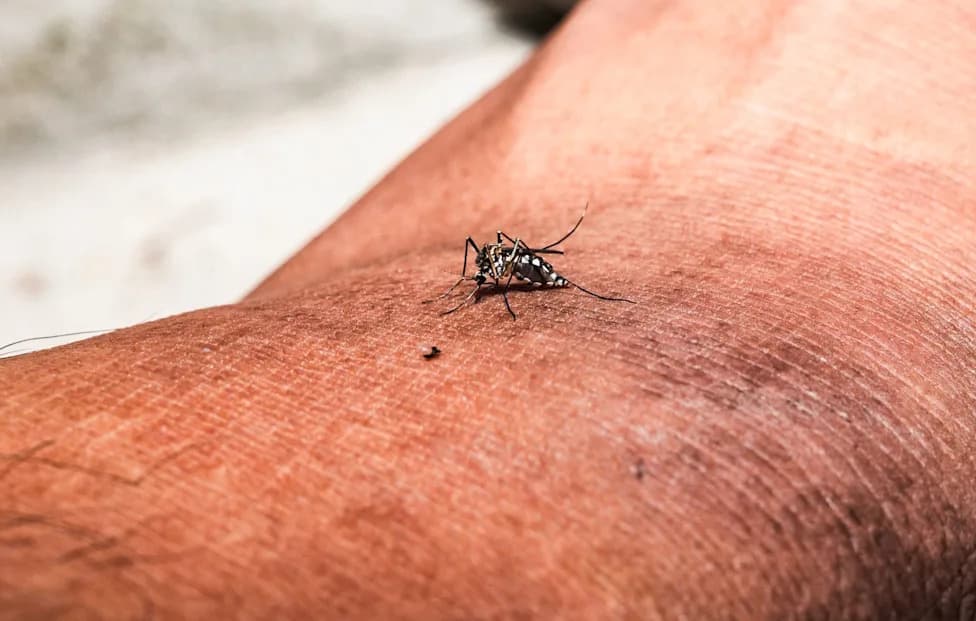
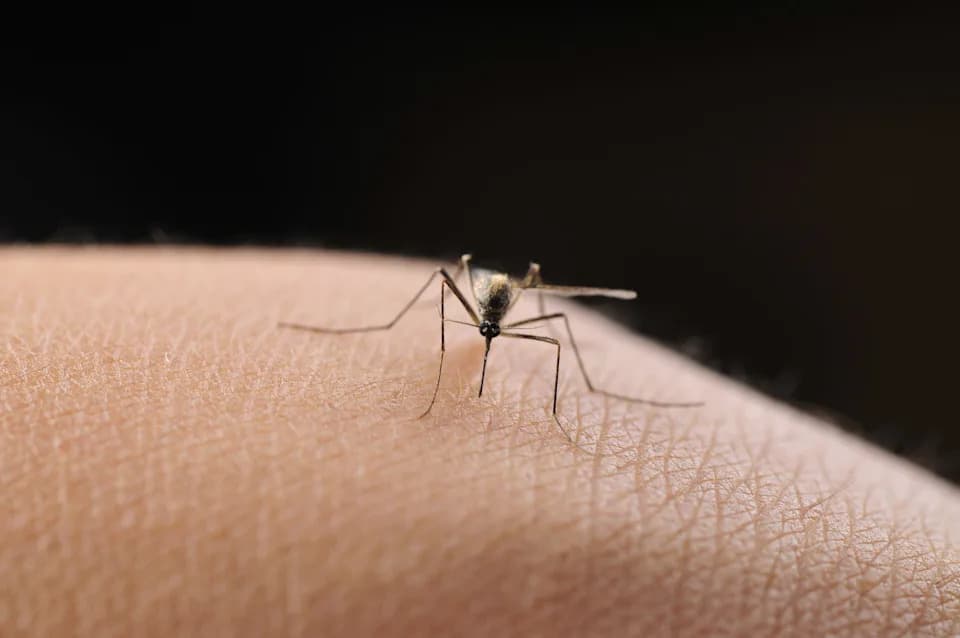
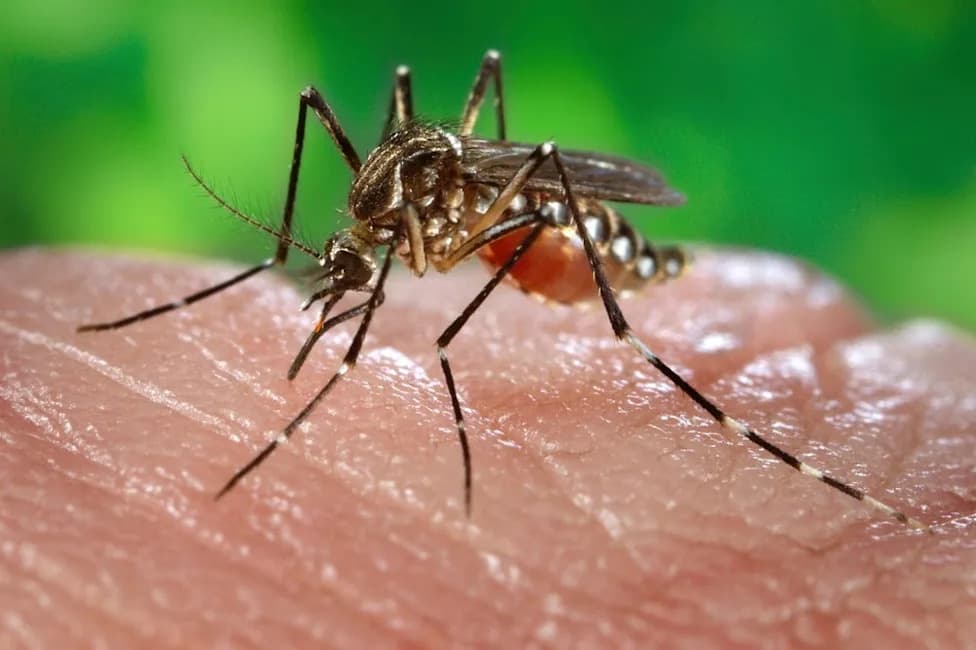
Dengue is a virus spread to people through the bite of infected Aedes mosquitoes, primarily Aedes aegypti. These mosquitoes thrive in warm, urban environments, bite during the daytime, and can breed in tiny amounts of standing water — even as little as a bottle capful.
Symptoms And Warning Signs
Dengue is often called "breakbone fever" because it frequently causes sudden high fever, severe headache, pain behind the eyes, and intense muscle, joint and bone aches. Nausea, vomiting and a blotchy rash commonly appear a few days later. About three in four infections cause no symptoms; among symptomatic people, illness typically begins 4–10 days after the infective bite.
There are four distinct dengue virus serotypes. Infection with one serotype gives lasting protection against that serotype only. A subsequent infection with a different serotype increases the risk of severe dengue.
Most people are ill for about a week and then recover. However, roughly 1 in 20 patients progress to severe dengue — a life-threatening phase that often arrives just as the fever breaks (typically days 3–7). Warning signs of severe dengue include severe abdominal pain, persistent vomiting, bleeding from the gums or nose, sudden drowsiness or restlessness, and blood in vomit or stool. If any of these occur, seek emergency care immediately.
Prevention And Treatment
There is no antiviral cure for dengue. Treatment is supportive: rest, plenty of fluids and acetaminophen (Tylenol) for fever and pain. Patients suspected of having dengue should avoid aspirin, ibuprofen and other NSAIDs, which raise bleeding risk.
A licensed dengue vaccine exists but is not broadly recommended for most U.S. travelers. Current use is limited to specific situations — for example, in children who live in high-transmission areas and have had a prior confirmed infection. Therefore, prevention still relies largely on avoiding mosquito bites: use EPA-registered repellents, wear long sleeves when mosquitoes are active, and eliminate standing water around homes.
Why Dengue Is Expanding
Global dengue cases have surged: the World Health Organization recorded more than 14 million cases in 2024, its worst year on record, up dramatically from roughly 505,000 cases in 2000. Warmer temperatures, rapid urban growth and global travel are helping the mosquitoes and virus expand into regions that previously had little or no transmission.
Most U.S. dengue infections are still travel-related; the Centers for Disease Control and Prevention reported nearly 1,900 travel-associated cases in 2023. But every infected traveler can ignite local transmission where Aedes mosquitoes and suitable climate exist. U.S. territories such as Puerto Rico and the U.S. Virgin Islands report the most cases; among states, Florida carries the highest risk — Miami-Dade County documented more than 300 locally acquired dengue infections between 2010 and 2024. Local cases have also appeared in Texas, California, Arizona and Hawaii.
What You Should Do
If you develop a sudden fever after travel to a dengue-prone area or after mosquito exposure in South Florida, seek medical care and tell clinicians where you have been. At home, rest, stay hydrated and use acetaminophen rather than ibuprofen or aspirin. Watch closely for warning signs of severe dengue and go to an emergency room immediately if they appear.
To protect yourself and your community: use insect repellent, wear protective clothing, and regularly remove standing water where mosquitoes breed.
Help us improve.