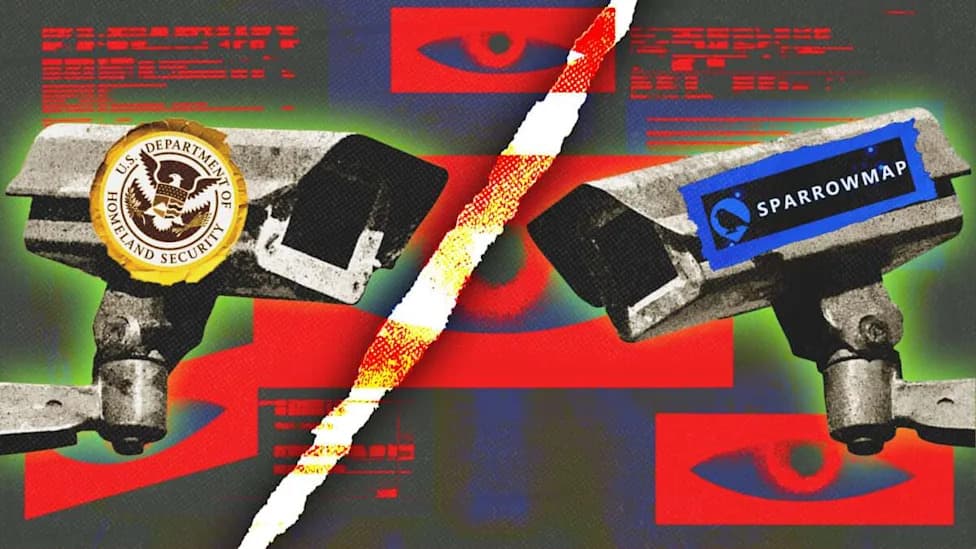
The leak of a Delaware Valley Intelligence Center bulletin has raised concerns after it reportedly treated heated online criticism of planned AI data centers near Philadelphia as potential domestic extremism. The notice flagged three projects, cited social media posts including threats and a reference to a 'Butlerian Jihad,' and pointed to widespread worries about higher utility bills. Civil rights advocates warned the bulletin risks conflating protected First Amendment activity with violent extremism, while police say the assessments are meant only for situational awareness.
Leaked Bulletin Suggests Police Treated Anti‑AI Data Center Posts As Potential Extremism

Photo Credit: iStock
A recently leaked law enforcement bulletin from the Delaware Valley Intelligence Center has prompted debate over how police monitor public opposition to artificial intelligence infrastructure in the Philadelphia region.
What the Bulletin Said
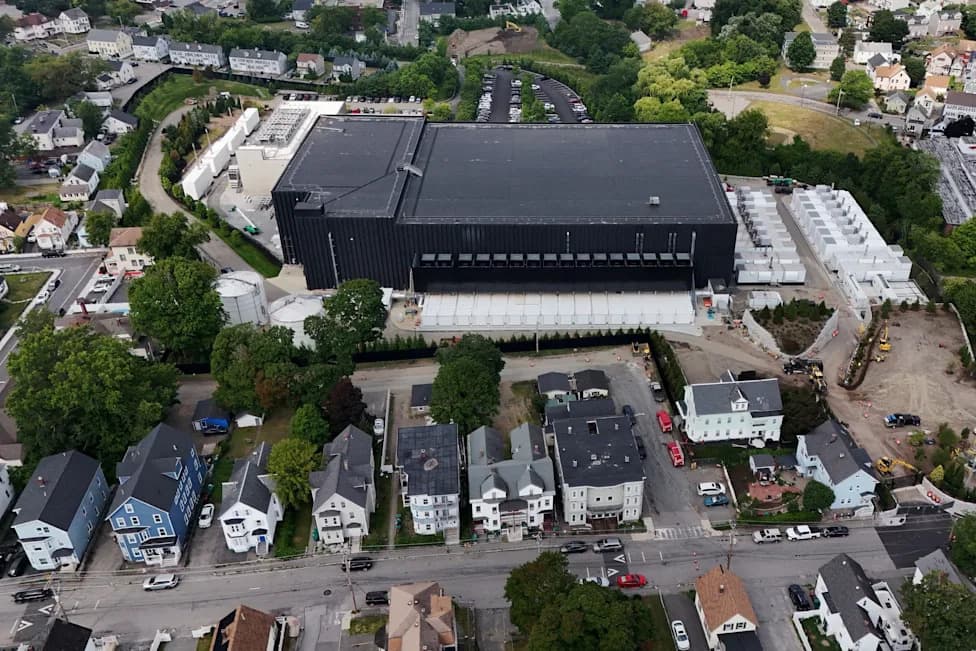
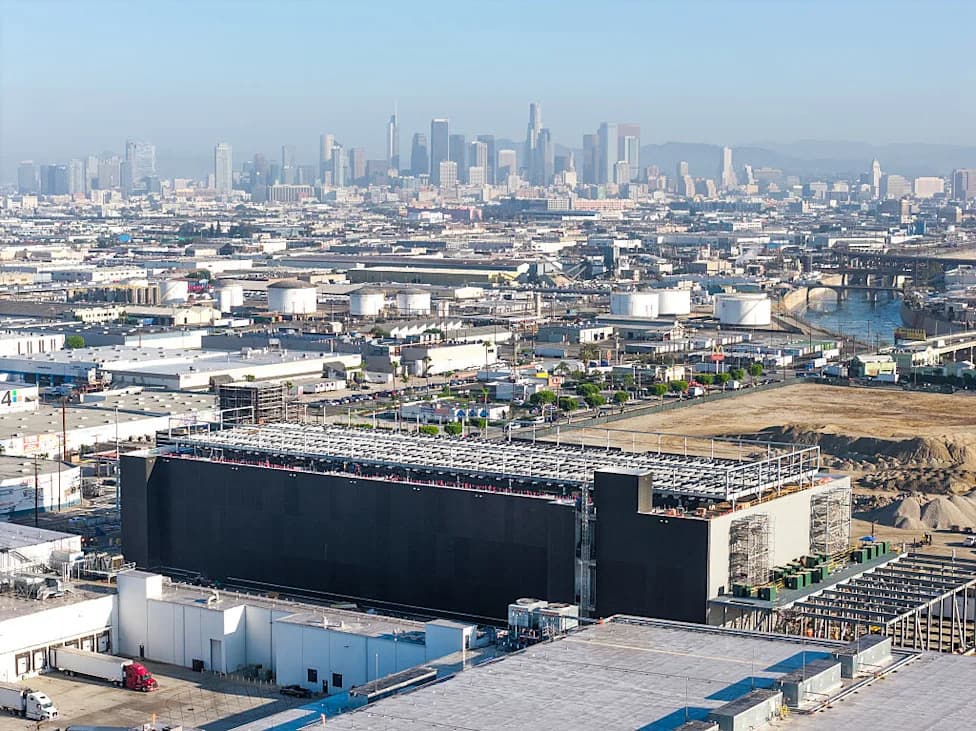
The confidential notice reportedly combined two statements: that 'Domestic violent extremists (DVEs) are likely interested in targeting artificial intelligence (AI) data centers' and that there was 'a lack of specific information on plans to target AI data centers in the Philadelphia area.' The bulletin was stamped 'for official use only' and shared across the national fusion center network, flagging three proposed data center projects near Philadelphia as possible sites for future protests.
Online Content Highlighted
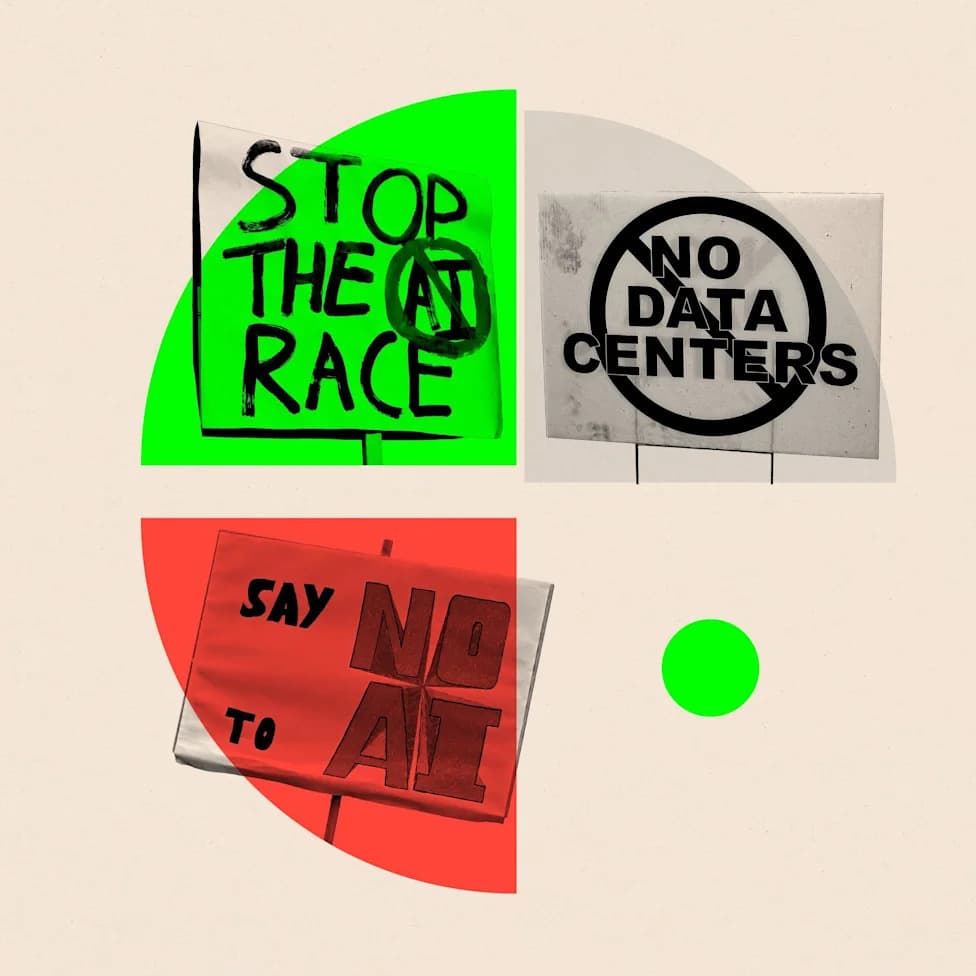
According to reporting, the bulletin called out social media posts, memes and blog entries. Examples cited include one user who allegedly said they wanted to 'burn down' data centers and another post referencing a 'Butlerian Jihad Against AI.' The document also noted extensive public criticism about the potential for higher utility bills and other local impacts associated with large data centers.
These are legitimate, popular political concerns that are raised by local communities, civil rights attorney Paul Hetznecker said, criticizing the bulletin for equating ordinary public opposition with terrorism.
Civil Liberties Concerns
Critics say the bulletin blurred the line between violent intent and lawful expression by treating 'disruptive First Amendment activity' as an 'indicator' of elevated threat. Observers warn that framing protests, boycotts or other forms of dissent in that way can chill speech and discourage community debate—especially in neighborhoods already worried about land use, utility costs and quality of life impacts from industrial projects.
Law Enforcement Response
Responses have been mixed. Philadelphia Police Department spokesperson Sgt. Eric Gripp said the center 'recognizes and respects the rights of individuals to lawfully express opinions, engage in peaceful advocacy, and participate in protected First Amendment activities.' He added that these assessments are intended to provide situational awareness and are not meant to label lawful speech as criminal conduct.
Why This Matters
The dispute highlights a broader national conversation about how authorities identify and track potential threats while protecting civil liberties. With opposition to AI and data centers spreading beyond fringe online spaces—reflected in polling showing widespread reluctance to have data centers nearby—officials face pressure to monitor risks without chilling lawful community organizing and political expression.
Help us improve.