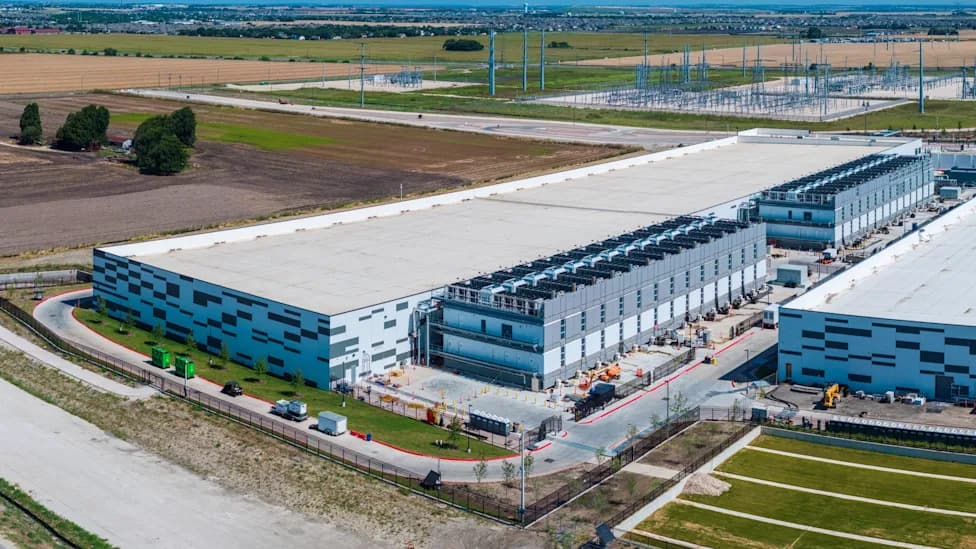
Erin Brockovich is urging U.S. communities to monitor local zoning decisions as a wave of AI data-center projects advances rapidly. She warns many proposals progress through private briefings and NDAs before neighbors can weigh in. Her AI Data Center Reporting project has logged over 9,500 community reports nationwide. Key local flashpoints include Project Delta in North Carolina and pushback in San Jose; federal scrutiny of NDAs has also begun.
Erin Brockovich Sounds Alarm Over Rapid AI Data-Center Rezoning — Communities Urged To Act
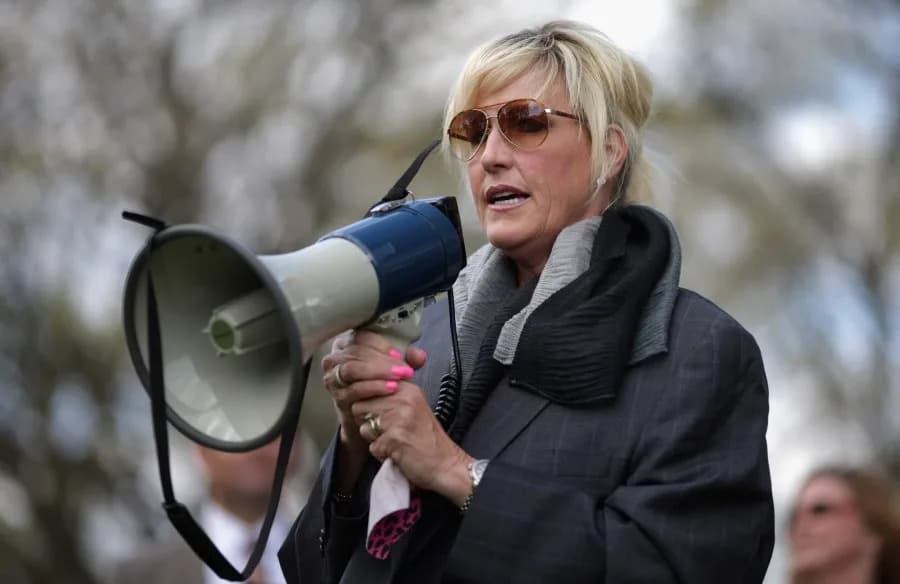
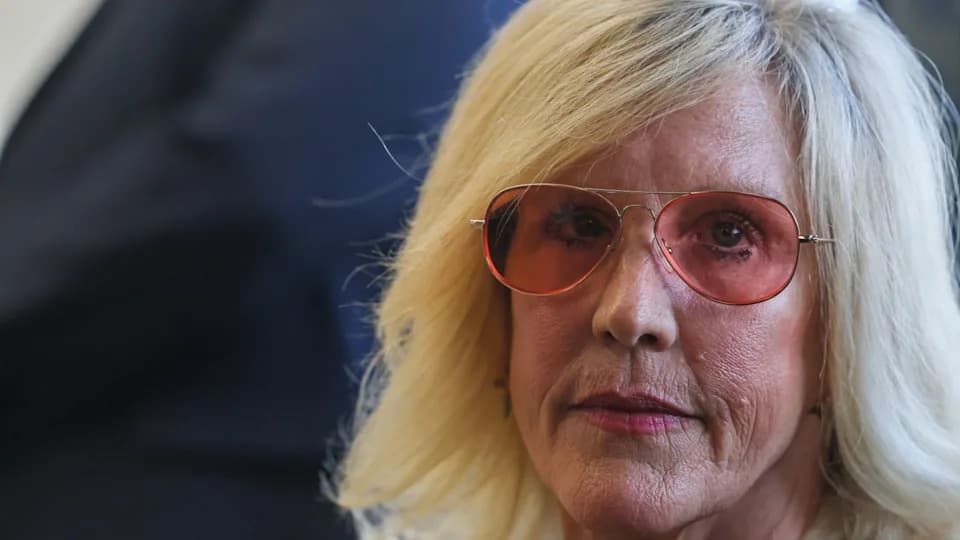
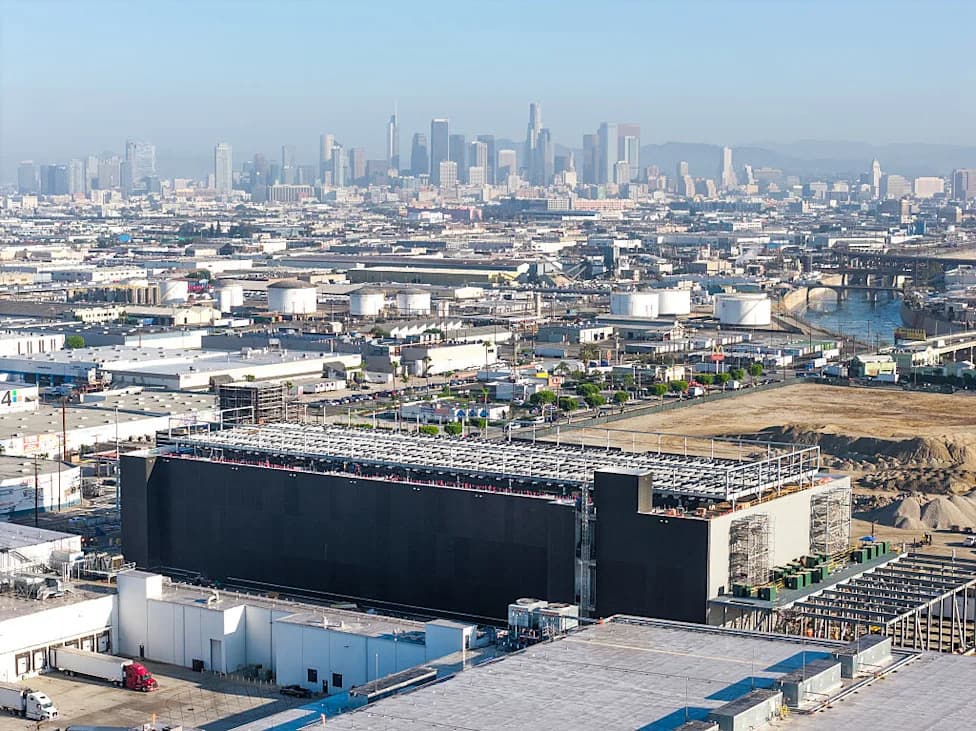
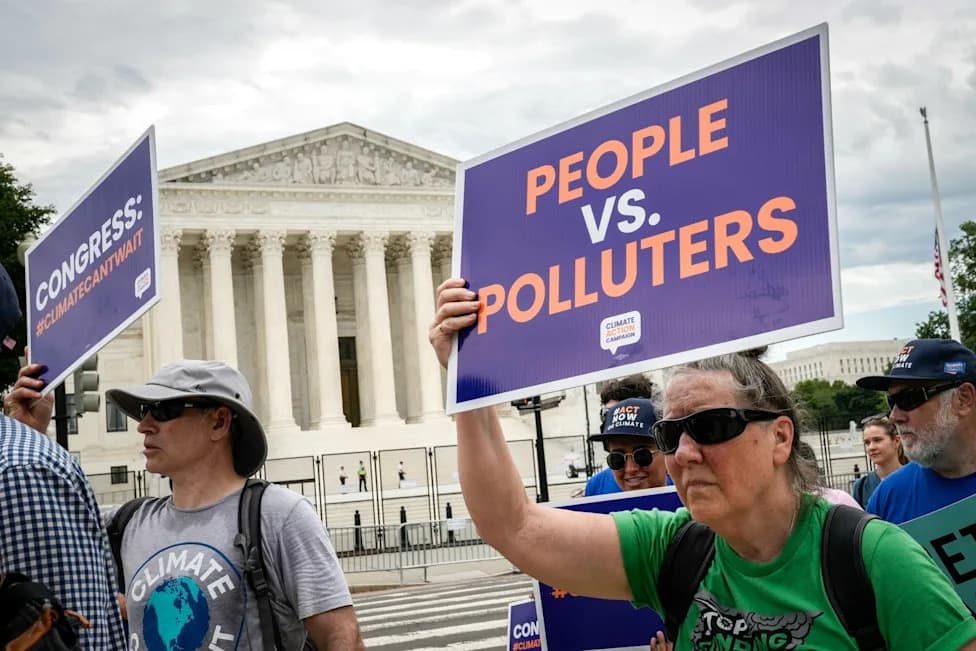
Environmental activist Erin Brockovich is warning communities across the United States that a fast-growing wave of AI data-center proposals is advancing through local zoning processes — often with limited public transparency — and she urges residents to engage early.
Why Residents Should Pay Attention
In a recent Facebook post, Brockovich wrote, "It's happening in state after state, and it's coming in fast." She directed followers to her AI Data Center Reporting project, which asks residents to document proposed and existing data centers so communities can better track local developments.
Transparency Concerns
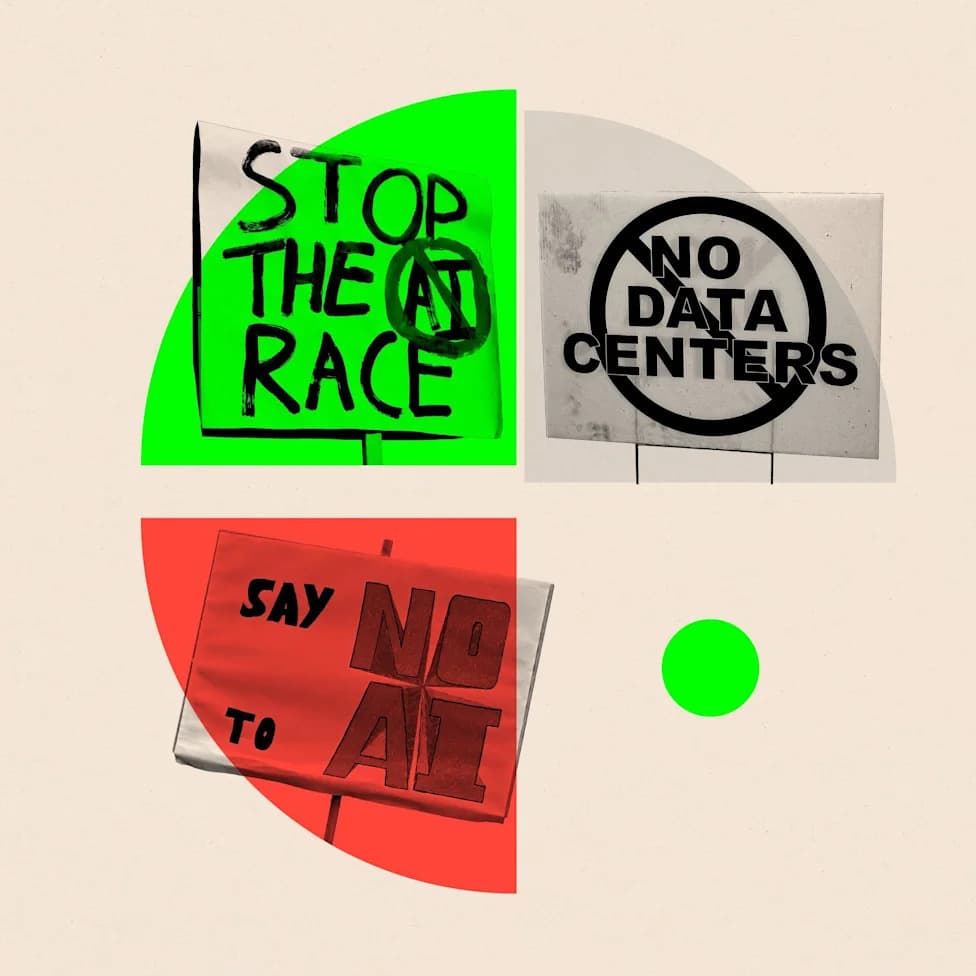
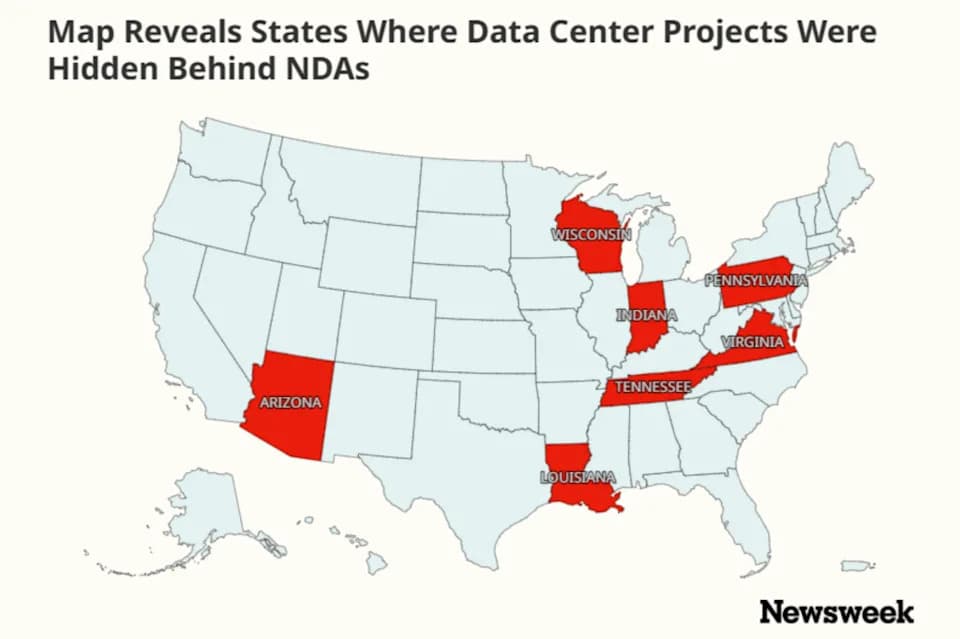
Brockovich and local advocates warn that many large AI and hyperscale data-center proposals move forward through private briefings, nondisclosure agreements (NDAs) and behind-the-scenes rezoning efforts before neighbors have a meaningful chance to review or comment. Without timely public input, communities risk facing long-term consequences related to land use, environmental impacts, and infrastructure strain.
What Residents Can Do
Brockovich encourages early civic engagement. Practical steps include:
- Monitoring local zoning and planning meeting agendas and materials;
- Attending and speaking at public hearings;
- Requesting government records and project documents under public-records laws;
- Asking specific questions about a proposed data center’s projected water and electricity use, noise, emissions, backup generators, and local economic impacts.
Scope And Examples
The Brockovich Data Center website says it has collected more than 9,500 community reports from all 50 states and Washington, D.C. (submissions are aggregated by the project and do not represent an independent national survey).
Local disputes are already unfolding. In Stokes County, North Carolina, commissioners approved a controversial hyperscale project known as Project Delta, which critics say would convert roughly 1,850 acres of residential and agricultural land along the Dan River into heavy-industrial zoning. The Southern Environmental Law Center and residents raised concerns about pollution, backup generators, water use, and broader economic impacts.
In California, residents and environmental groups in San Jose have pushed back against proposed data centers over electricity, water consumption and pollution concerns. Meanwhile, some city officials promote these facilities for potential tax revenue, estimating each facility could generate an estimated $3 million to $6 million annually for municipal services.
Federal Attention And NDAs
The issue has reached federal officials. In March, Sen. Richard Blumenthal's office said it was probing the use of nondisclosure agreements tied to data-center projects after reports that some operators restricted what state and local officials could discuss. His office cited an Arizona example in which Amazon allegedly tried to prevent a Pima County official from discussing details of a proposed $3.6 billion data-center project.
Why This Matters
Brockovich has focused her advocacy on the physical infrastructure behind the AI boom — emphasizing demands for land, power and water and the consequences of rapid siting decisions. Her warning reframes the debate as not only a tech-industry issue but a neighborhood-level planning challenge in which early public involvement can shape outcomes.
Bottom line: Residents who monitor zoning agendas, request records and participate in hearings are better positioned to influence decisions that affect their communities' environment, infrastructure and quality of life.
Help us improve.