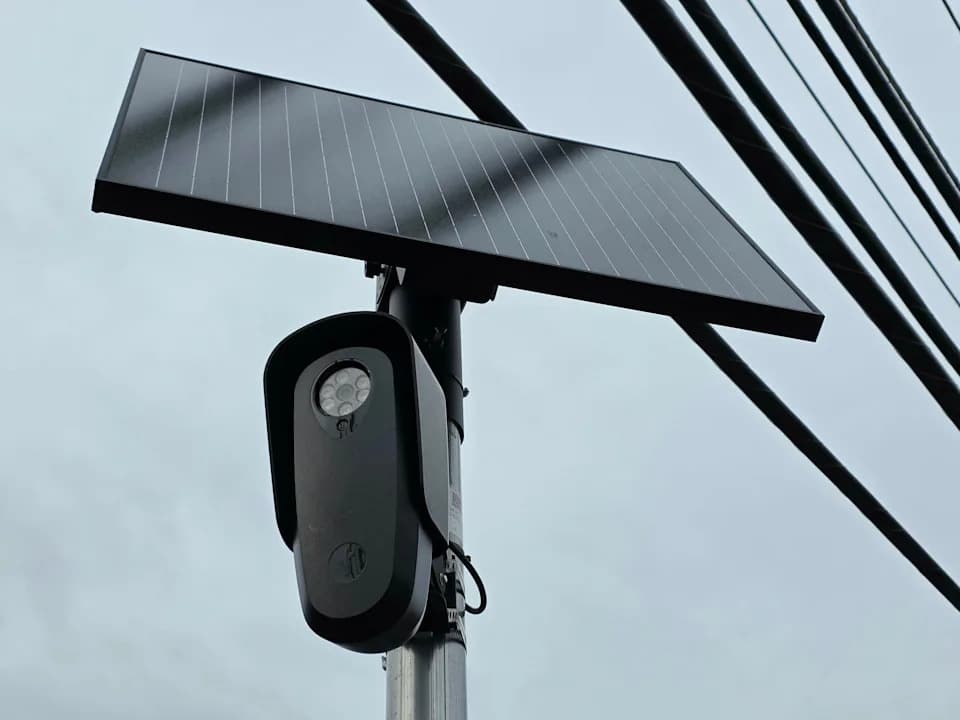
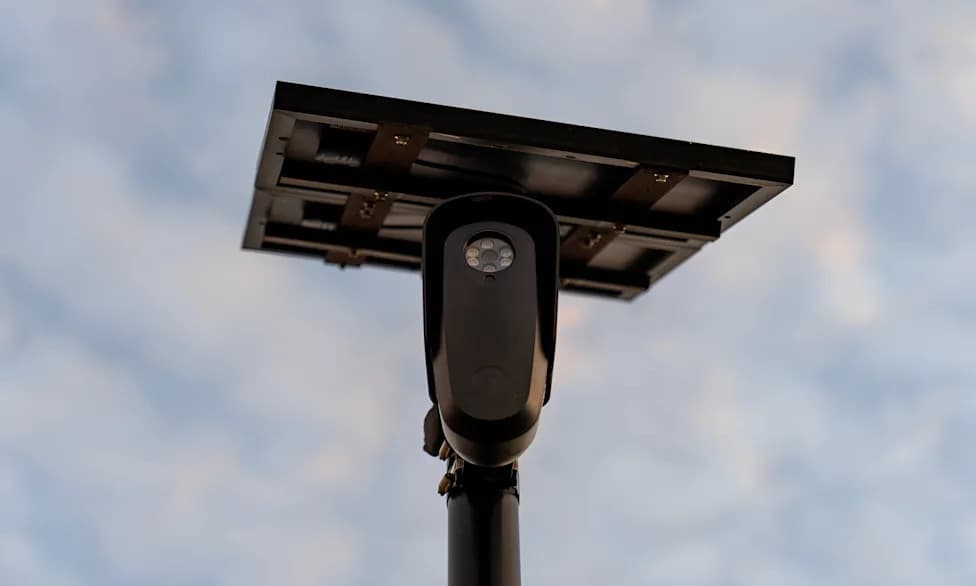
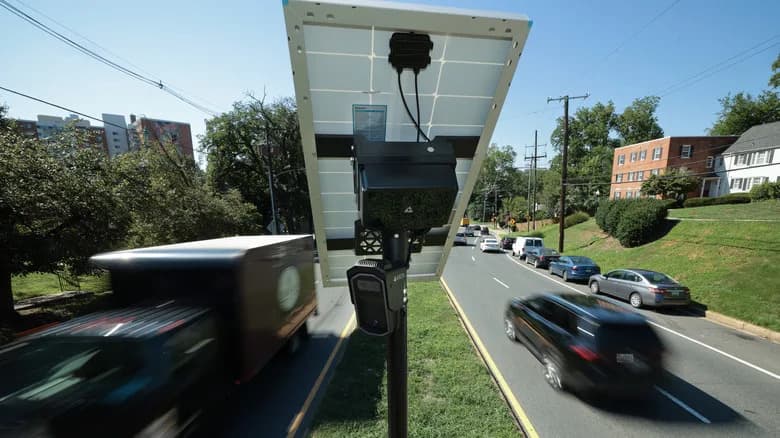
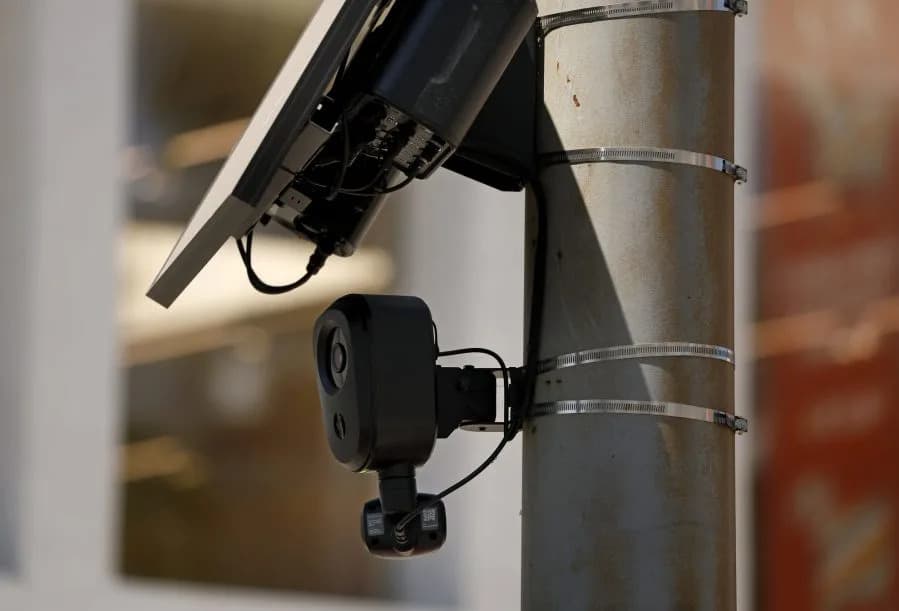
Records obtained by Reason reveal that DHS fusion centers have monitored activists opposing automated license plate readers and specifically named SparrowMap, a legal project that maps government vehicle movement using public camera feeds. A Massachusetts intelligence product—shared with a Wisconsin center—noted online calls to map law enforcement and ICE vehicles but said there was no current indication of criminal intent. The report sits within a larger shift: fusion centers' use of powerful OSINT tools and emerging labels like "anti‑surveillance extremism" are reshaping how authorities view protest against mass surveillance, even as public opposition to ALPRs grows.
DHS Fusion Centers Monitor Anti‑Surveillance Activists — SparrowMap Named in Intelligence Report
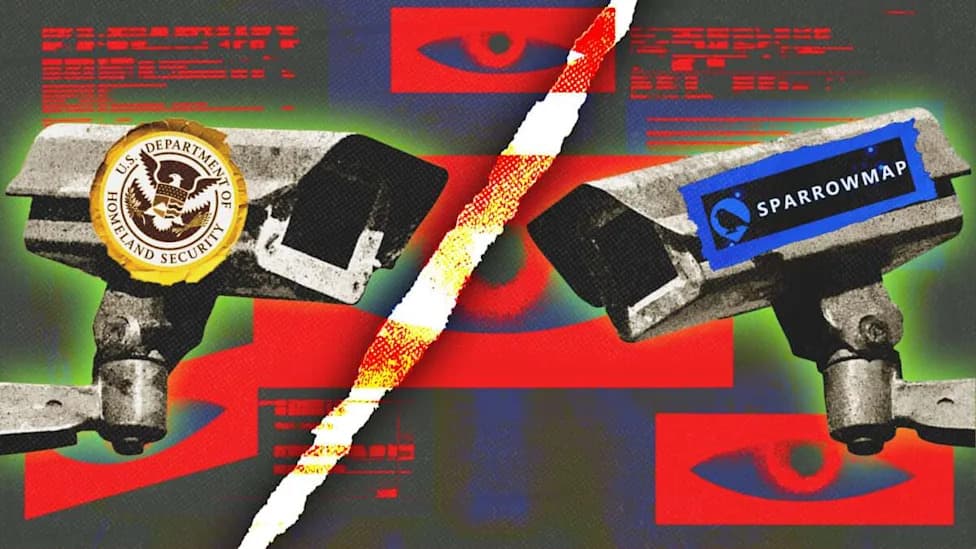
Illustration: Department of Homeland Security/Sparrow Map/Midjourney
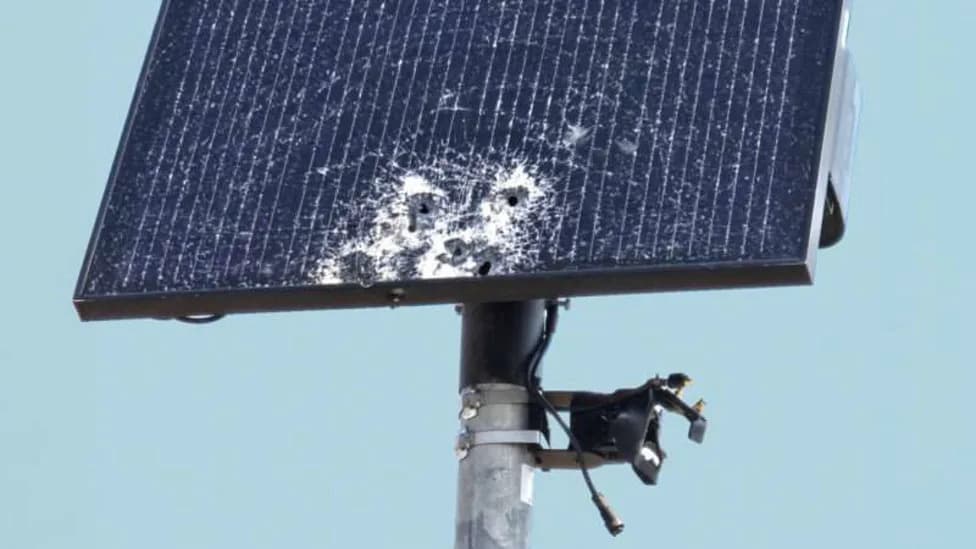
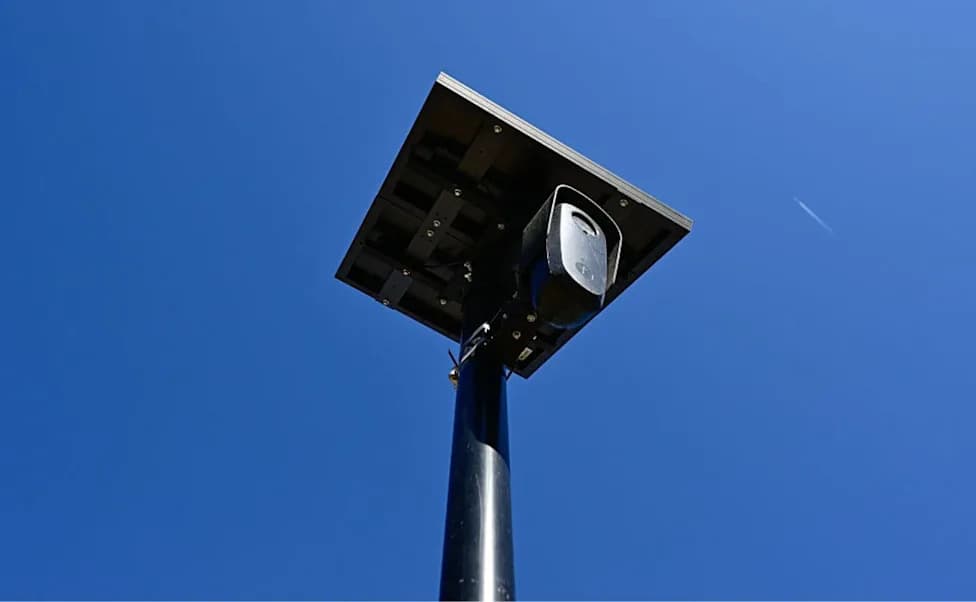
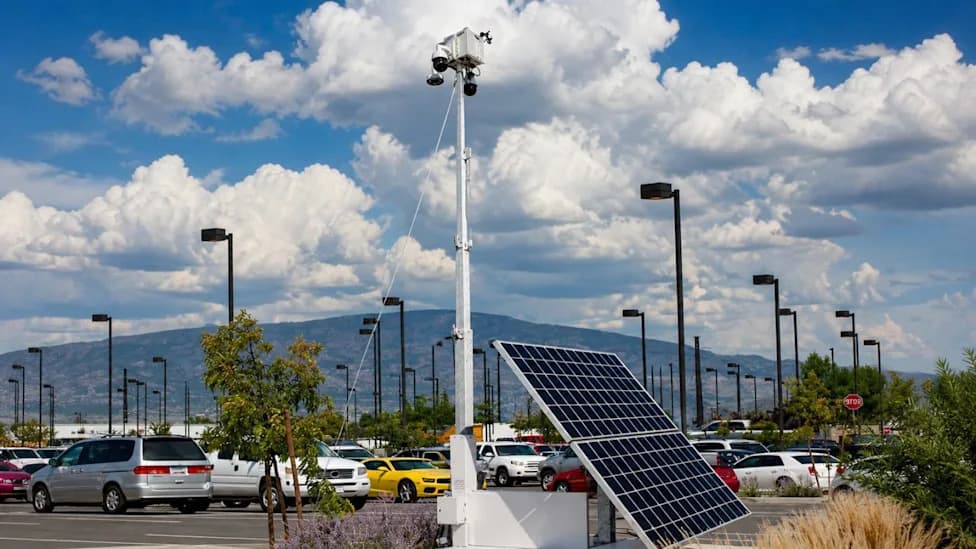
Records obtained by Reason show that Department of Homeland Security (DHS) fusion centers have begun monitoring activists who oppose automated license plate readers (ALPRs), specifically citing SparrowMap — a volunteer‑run platform that maps government vehicle movements using publicly available camera feeds.
What the Intelligence Report Says
The Massachusetts intelligence product, later redistributed by a Wisconsin fusion center, notes that "recent social media and forum users have called for the surveillance of government vehicle movement, to include law enforcement vehicles," and that users have mapped government vehicle movements nationwide through SparrowMap. The report states the Commonwealth Fusion Center shared this information for situational awareness and that it had "no indication" actors within the Commonwealth intended to use the information for criminal purposes.
How SparrowMap Works
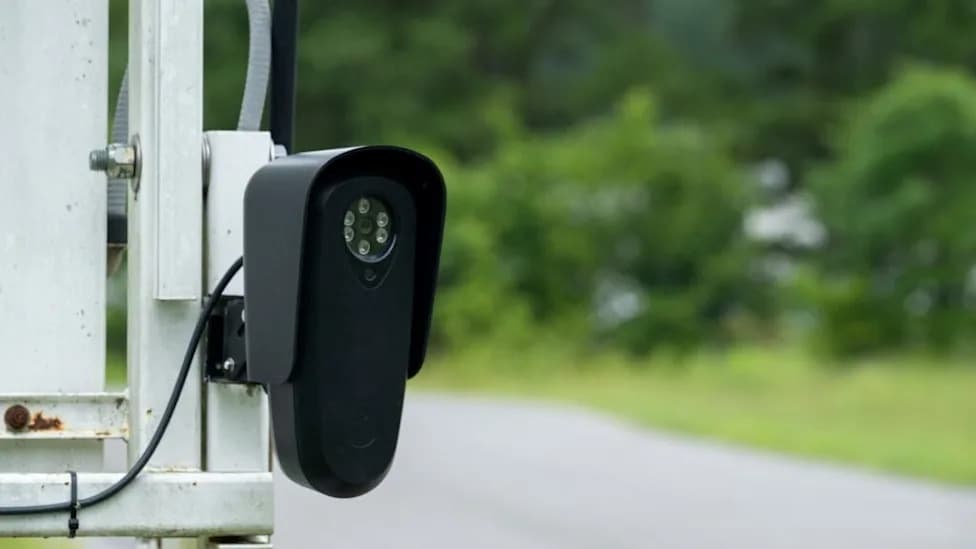
SparrowMap operates legally and transparently. The platform aggregates publicly available livestreams from municipal cameras and volunteer‑contributed footage from ordinary devices such as laptops, smartphones, and Ring doorbells. Recognition runs on contributors' machines, so raw video is not uploaded. According to SparrowMap's documentation, the network's roughly 14,196 cameras detect about 300,000 vehicles daily; only a few dozen are police vehicles, non‑government hits appear as anonymous dots that fade after 45 seconds, and data are deleted within 14 days. The project's code is hosted publicly on GitHub.
"Volunteers point cameras at public roads, and everything they see goes into one shared database that anyone can read — no account, no login, no permission... A person confirms anything before it is published as a government vehicle. Everything else becomes an anonymous dot that fades in forty‑five seconds and is deleted in fourteen days." — SparrowMap documentation
Broader Context: Fusion Centers, OSINT and New Threat Labels
Fusion centers — roughly 80 statewide or regional centers created after 9/11 — compile local and state intelligence and circulate products to DHS, the FBI and local law enforcement. In recent years, analysts at fusion centers and federal agencies have increasingly used terms such as "anti‑technology extremism" and "anti‑surveillance extremism" to describe activists who oppose data centers, AI systems, and mass surveillance tools.
These centers have access to powerful open‑source intelligence (OSINT) tools — some bundled with commercial products — that can rapidly query millions of posts and exposed data. Critics say those same tools let law enforcement monitor opponents of surveillance at scale.
Links To Policy And Enforcement
The Massachusetts report also cites an online thread (dated 12 August 2026) in which Reddit users encouraged collecting government vehicle information — including law enforcement and Immigration and Customs Enforcement (ICE) vehicles — and uploading the data to SparrowMap. One commenter proposed creating a "mesh network" of cameras and a public oversight committee and suggested surveilling government officials as retaliation for perceived government surveillance.
Those concerns intersect with broader federal policy. Under National Security Presidential Memorandum 7 (NSPM‑7), titled "Countering Domestic Terrorism and Organized Political Violence," the Trump administration directed a tougher stance on domestic opposition. Then–Attorney General Pam Bondi issued a related directive instructing the FBI, DEA, ATF, U.S. Marshals and U.S. attorneys to focus on "ending political violence against ICE," and federal responses included an "ICE Protection Task Force." By naming SparrowMap in an intelligence product, the fusion center effectively flagged a lawful activist project for federal situational awareness and possible scrutiny.
Public Opinion and Political Fallout
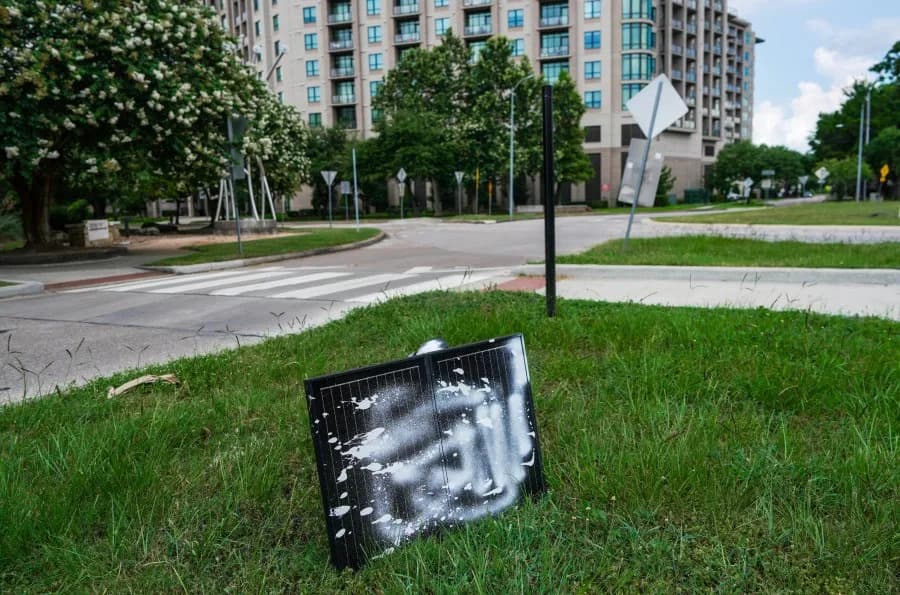
Public skepticism toward ALPRs is growing. Lawmakers of both parties have introduced legislation to limit or ban certain automated plate readers, while some police associations have held closed briefings aimed at countering the anti‑surveillance movement. A recent Reuters/Ipsos poll found 47% of respondents would not want a Flock Safety camera in their neighborhood, with younger adults (under 35) particularly unlikely to support such systems.
Voices From The Movement
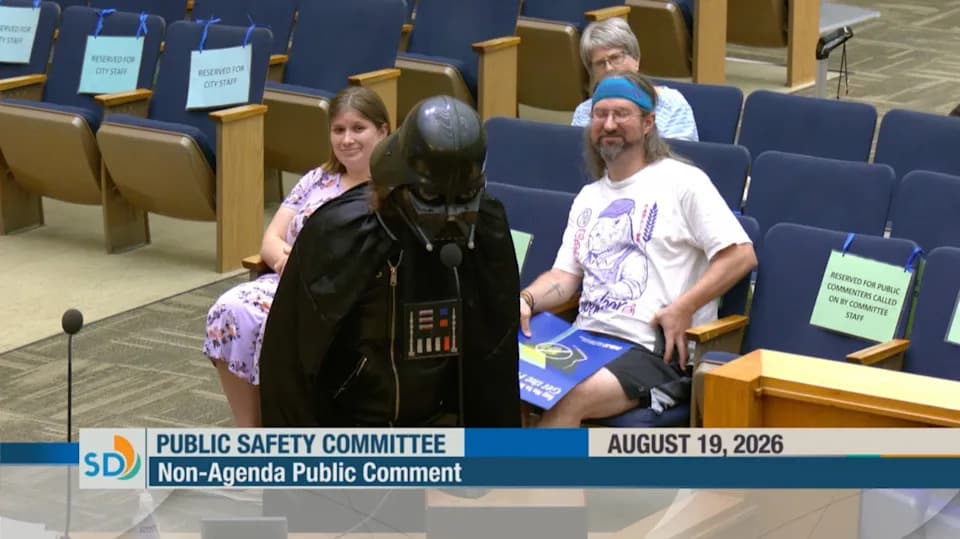
Matthew Montney Jr., SparrowMap's founder, told Reason he built the project to provide transparency: "License plate readers went up on my roads without anyone asking, and the data only goes one way. I built SparrowMap to give people the government transparency they're entitled to, and honestly, to give the watchers a taste of how it feels to be watched." Activists argue that highlighting surveillance practices can pressure authorities and companies to reconsider mass‑collection programs.
Conclusion
As law enforcement adopts new threat categories and deploys sophisticated OSINT tools, the debate will intensify over whether anti‑surveillance activity represents a security risk or a form of civic pushback. The Massachusetts fusion center's naming of SparrowMap puts that tension into sharp relief: a legal, public‑facing transparency project flagged for federal awareness amid rising public unease about automated surveillance.
Help us improve.