Local controversies over energy, water, noise, land use and jobs are shaping a new front in the AI debate. A Gallup poll found 71% of Americans oppose having a data centre nearby, and local opposition has influenced elections and planning decisions. Governments must balance national strategic goals and data sovereignty against immediate community impacts and climate commitments, or risk slowing the very infrastructure that powers AI.
The Quiet Backlash: How Local Politics and Environment Are Threatening the AI Data-Centre Boom

[BBC]
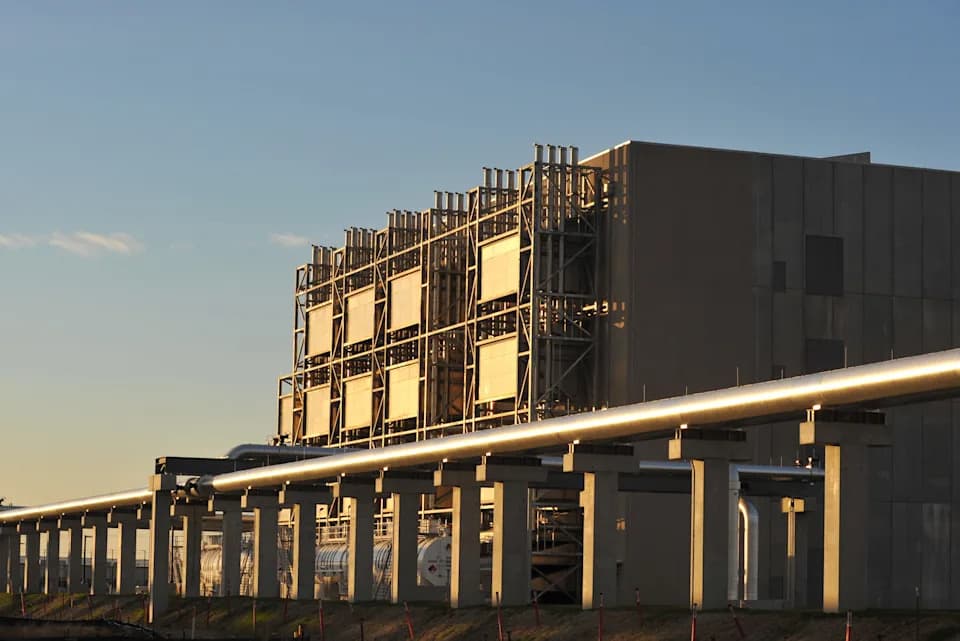
There is a constant, low-frequency hum around modern data centres: thousands of servers and chips performing trillions of calculations per second to run advanced artificial intelligence models. The computations themselves — microscopic switching of silicon transistors — are silent, but nearly all the electricity they consume becomes heat. The audible sound is the steady whir of cooling fans and, at larger sites, the distant thrum of transformers moving vast amounts of power.

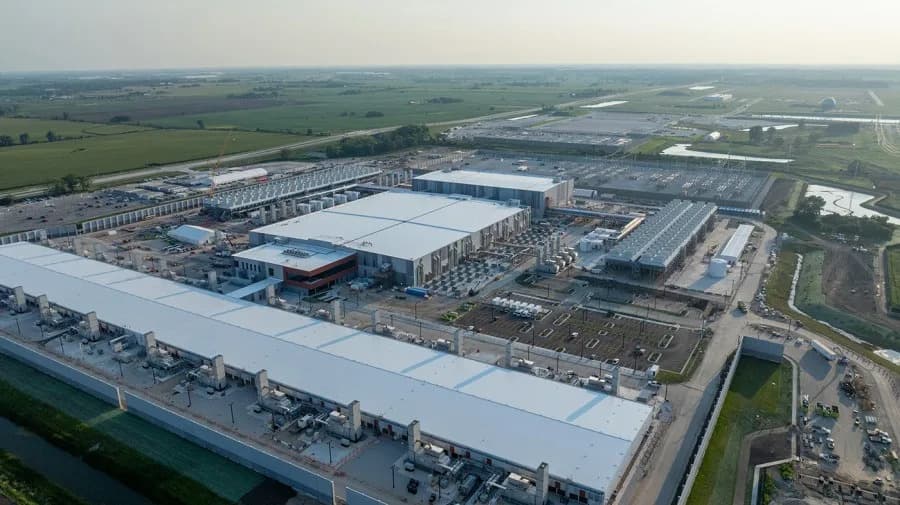
Data centres, such as this Google site under construction in Hertfordshire, are becoming increasingly common across the UK [Getty Images]
The Local Concerns Behind the Hum
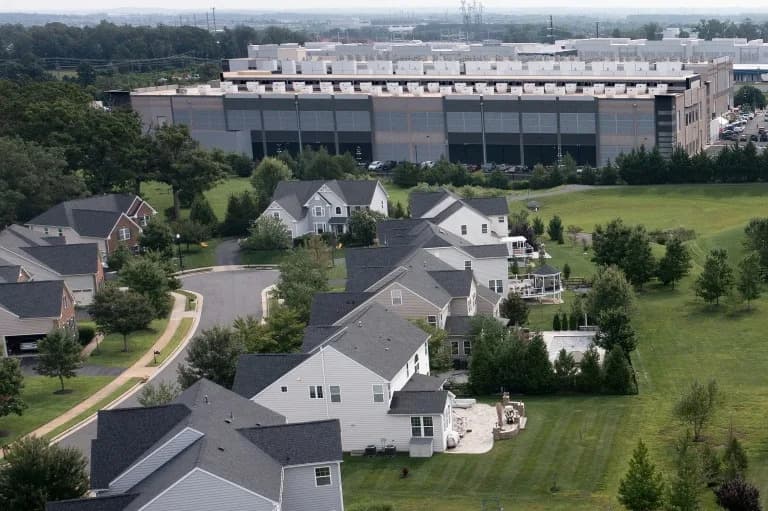
Beyond headlines about existential AI risks, a quieter but potent opposition has emerged focused on tangible local impacts: rising electricity bills, increased water demand, noise and night-time security lighting, land-use change — often including loss of greenbelt or land once earmarked for housing — and relatively few permanent jobs once construction finishes. Residents say these costs and disruptions are felt immediately, while the economic benefits are dispersed or uncertain.

Pressures on energy and water have driven local protests [AFP via Getty Images]
Political Fallout in the United States
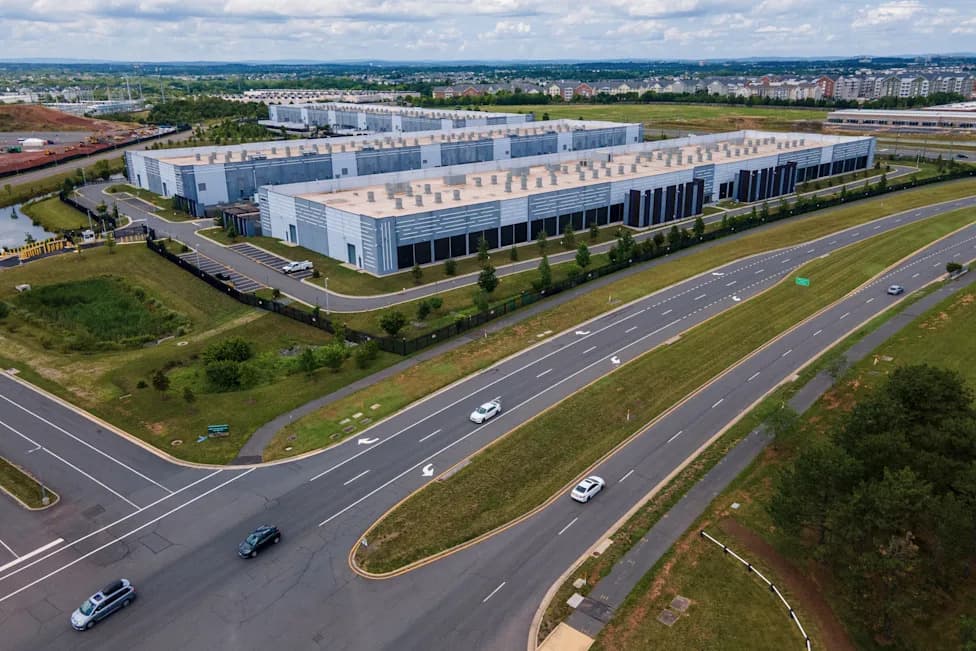
In the US the backlash has entered electoral politics. A Gallup poll in May found that 71% of Americans opposed having a data centre nearby (48% strongly opposed) — a higher opposition rate than for nuclear power stations. Local anger over higher bills and strained utilities contributed to the election of governors in New Jersey and Virginia, and city councils have been voted out over their data-centre policies. Some states of both political stripes are considering tighter controls or bans.

The pledge did little to persuade people they wanted data centres in their local areas [Getty Images]
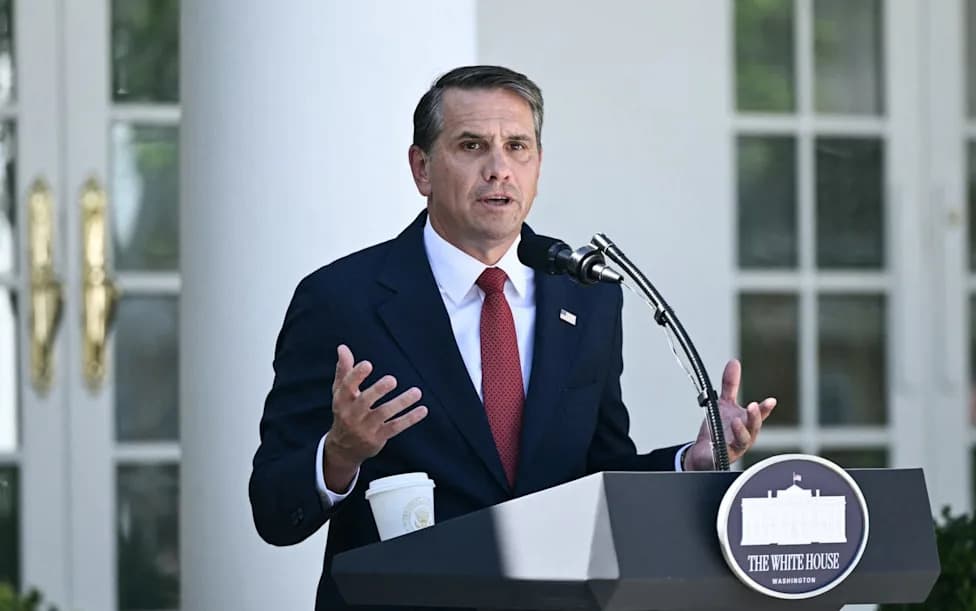
High-profile moments include seven Big Tech CEOs joining a non-binding "Ratepayer Protection Pledge" with former President Trump promising not to pass energy costs to households — a move that failed to appease many local critics. In Texas, candidate Ken Paxton campaigned against tax breaks for data centres and even suggested criminal liability if AI systems harmed children, illustrating how once-welcoming states can flip to opposition.

Ken Paxton has taken a strong line against AI [Getty Images]
UK Tensions: Growth Targets Versus Local Pushback
The UK is also feeling the strain. It ranks third globally in number of data centres and has ambitions to expand capacity to roughly 6 gigawatts (GW) of continuous power by 2030. The government has designated data centres as Critical National Infrastructure to fast-track some projects, arguing they underpin public services and national competitiveness. But approvals have been legally challenged: ministers withdrew a decision on a Buckinghamshire greenbelt site after campaigners crowdfunded a successful court challenge, and the developer later agreed binding clean-energy commitments with the council.

Brick Lane protesters resent their community being used to serve the City [AFP via Getty Images]
Communities from Slough to Brick Lane have protested. In Slough — home to one of Europe’s largest clusters — hundreds demanded a pause, saying they had not reaped tangible benefits while experiencing heat, noise and lost development land.
Resources, Regulation and Trade-offs
Water UK warned Parliament that water was missing from government AI growth strategies, highlighting risks in areas already under pressure. Some ministers and industry leaders argue data centres are essential for data sovereignty, national security and to capture more of the economic value of AI. Nvidia's CEO Jensen Huang has framed centres as central to a new wave of industrialisation and argued AI could help address long-term challenges like climate change — a claim that many find politically and ethically difficult to sell at the local level.
The policy trade-off is clear: central governments see national economic and strategic benefits, while local communities feel immediate environmental and social costs. The US ambition for data-centre capacity far exceeds the UK’s targets — by some estimates more than 20-fold — so lessons from American local resistance may be a warning for the UK and other countries.
What Comes Next
Policymakers face several practical options: tighter local rules and permits, dedicated energy tariffs for large users, mandatory disclosure of energy and water use, stronger environmental conditions on approvals, or moratoria in sensitive areas. The debate is shifting from abstract questions about AI’s future to concrete decisions about who bears the cost of the infrastructure that supports it — and who wins from the gains.
Bottom line: The AI revolution depends on physical infrastructure. If governments and industry fail to address local environmental and economic concerns, the same centres that enable AI at scale may become the movement that slows it down.
Help us improve.