Data & Society’s 18‑month ethnographic study of 44 Pennsylvanians finds growing, diverse resistance to data center construction despite industry promises of economic gain. Over 60% of Americans favor limits on new data centers, and Data Center Watch reports $68 billion in projects disrupted in Q2 2026. The report highlights Pennsylvania’s historical industrial trauma, material worries about energy use and property values, and trust gaps created by industry PR and secrecy.
Why Communities Are Pushing Back Against Data Centers — Inside Pennsylvania’s 'Post‑Partisan' Resistance
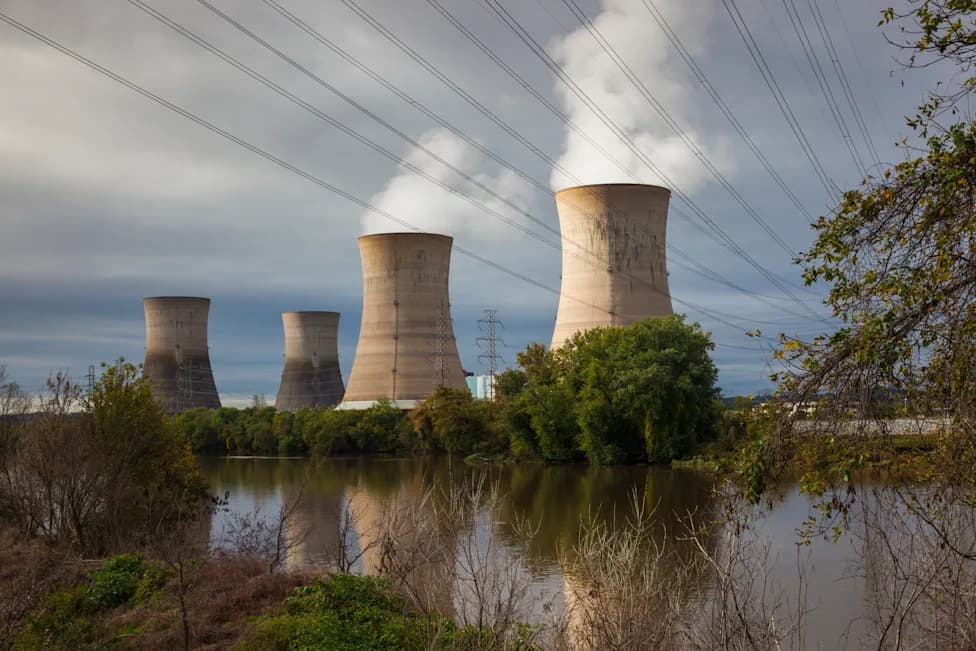
USA, Pennsylvania, Londonderry Township, Three Mile Island Nuclear power generating station. | Image Credits:Getty Images
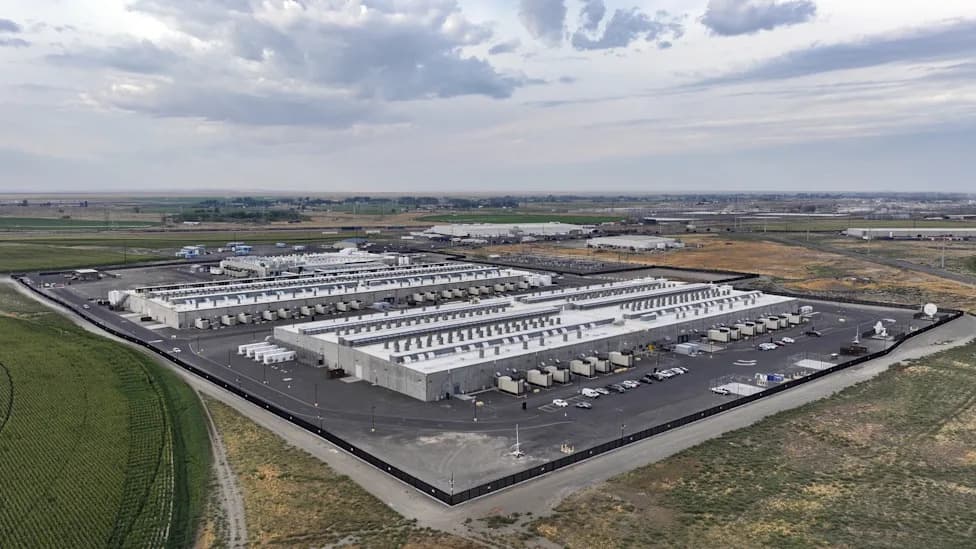
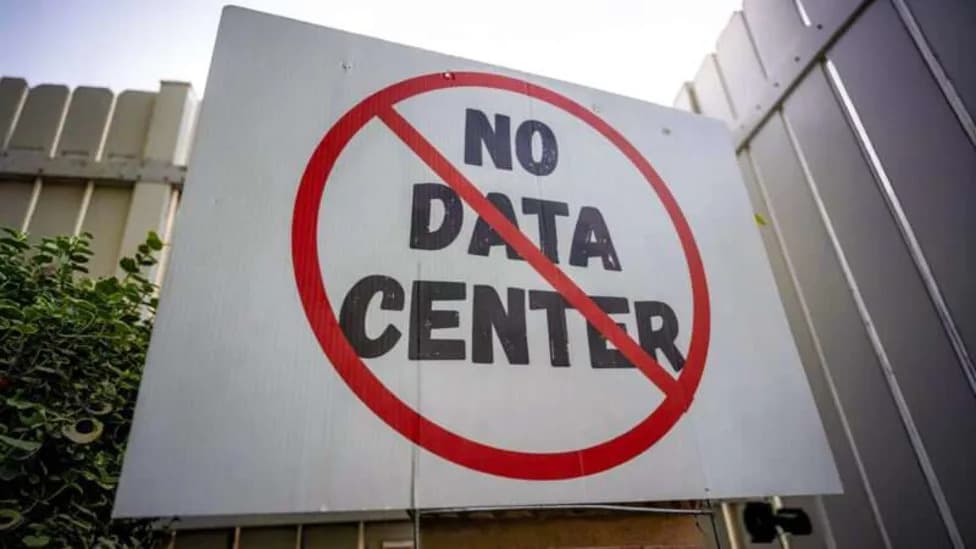
Frontier AI firms are betting that vastly expanded computing capacity is the fastest route to better artificial intelligence—and they are backing that bet with plans for data center projects valued in the trillions of dollars. But public sentiment in the United States is moving in the opposite direction: surveys show more than 60% of Americans favor limiting new data centers, especially in their own communities, and resistance is accelerating.
Local Disruption and a Growing Backlash
Trackers at Data Center Watch report that local opposition disrupted data center projects worth $68 billion in the second quarter of 2026. That disconnect—between booming demand for AI products and hostility toward the infrastructure those products require—poses a real dilemma for AI companies and investors.
What the Data & Society Study Found
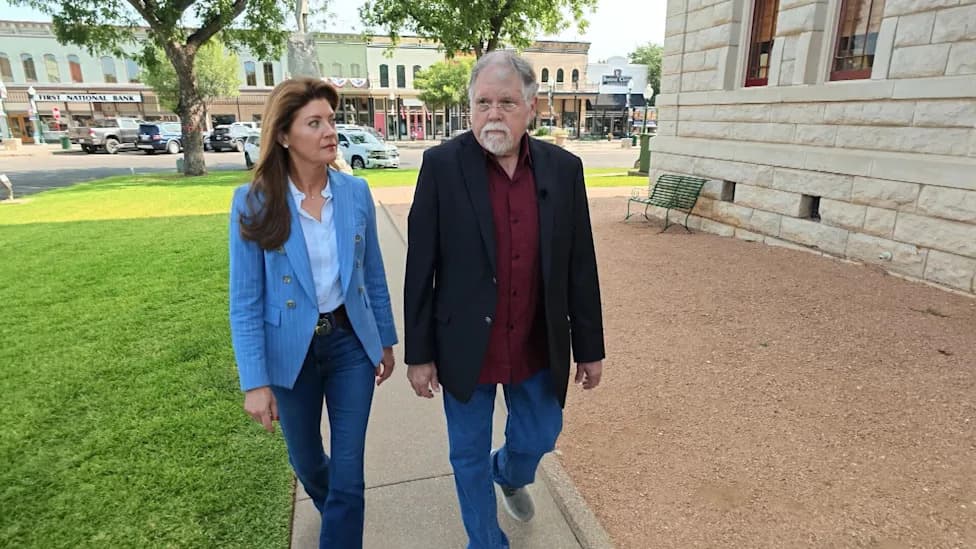
To better understand the roots of this backlash, the nonprofit research group Data & Society conducted 18 months of ethnographic fieldwork in Pennsylvania, interviewing 44 residents between 2024 and 2026. Their aim was not to measure the empirical environmental or economic impacts of data centers, but to document how people experience and interpret the debate around their construction.
“One of the strengths of ethnography…is piercing the bubble of AI hype,” said Livia Garofalo, a Data & Society researcher. “People are making sense of the dissonances between AI being the next inevitable industrial revolution, and fears about AI.”
The report places contemporary opposition in the context of Pennsylvania’s long industrial history—coal, oil, steel, fracking—arguing that generations of industrial boom-and-bust have left many residents skeptical of grand economic promises. As Maia Woluchem, a program director and co-author, put it: “People in Pennsylvania especially have incredible experience with industrial change…enough to sniff when things don't feel right.”
Who Opposes—and Why
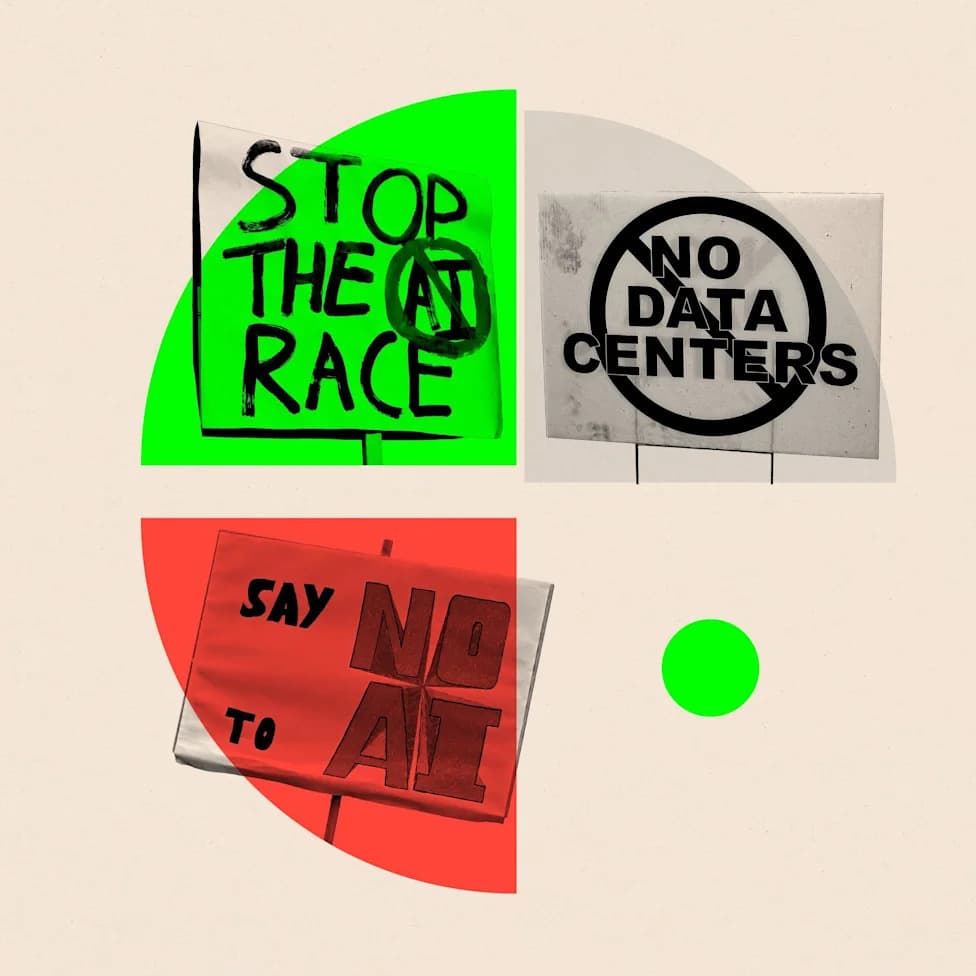
Opposition is diverse and, the researchers describe, “post‑partisan.” It includes: classic NIMBYs opposed to new development; environmental groups worried about water use and energy-related emissions; people uneasy about public health implications; and tech skeptics who distrust the corporate motives behind AI.
Material concerns are often foremost. Residents reported worrying that data centers’ electricity consumption could drive up local power bills, that property values might fall, and that developers use aggressive tactics—such as urging local officials to sign nondisclosure agreements—to secure approvals. Community members also noted the oddity of major tech firms showing up at town meetings and the sense that previously accessible local representatives became less responsive.
The Industry Response And Its Limits
Governments and industry have framed data centers as engines of economic development. In July 2025, Pennsylvania Governor Josh Shapiro headlined a summit touting $90 billion in data center and AI infrastructure investment. Yet within a year, the governor signed an order imposing new requirements on data center projects and pulling them off a regulatory fast‑track, signaling increased official caution.
Labor unions emerged as one of the clearest pro‑project voices—supporting construction for the short‑term jobs it can bring and as a potential avenue to rebuild membership—while acknowledging that operational data centers will not employ large numbers of local workers.
Researchers say industry promotion often resembles organized public relations rather than grassroots persuasion. They point to the Data Center Coalition and industry-funded sites such as "Pennsylvania Connects," and note the coalition spent at least $19,000 lobbying state government last year. Claims that foreign influence drives opposition have not convinced many local critics.
Trust Is The Core Problem
Ultimately, the report argues, the central obstacle is trust. Opposition is not monolithic, but it converges around doubts that companies and officials are prioritizing local interests. As Garofalo observed, people feel an intimate kind of extraction when the same technologies that offer emotional or practical benefits are packaged and sold as commodities.
For AI companies, the patchwork of environmental, economic and civic concerns leaves no single technical fix. Building consent will require sustained community engagement, transparency around costs and benefits, and policies that directly address local material worries.
Help us improve.