A new AP-NORC/University of Chicago poll finds 53% of Americans are "extremely" or "very" concerned about AI's environmental impacts, up from 41% last year. Concern spans parties, with 65% of Democrats, 42% of Republicans and 49% of Independents expressing high worry. Rapid growth in hyperscale data centers—1,287 operating and 2,000+ planned—drives calls for limits and clean-energy mandates amid warnings about rising electricity and water demand. Dozens of local moratoriums are now in place while communities weigh long-term impacts.
Majority of Americans Concerned About AI's Environmental Toll as Data Centers Multiply
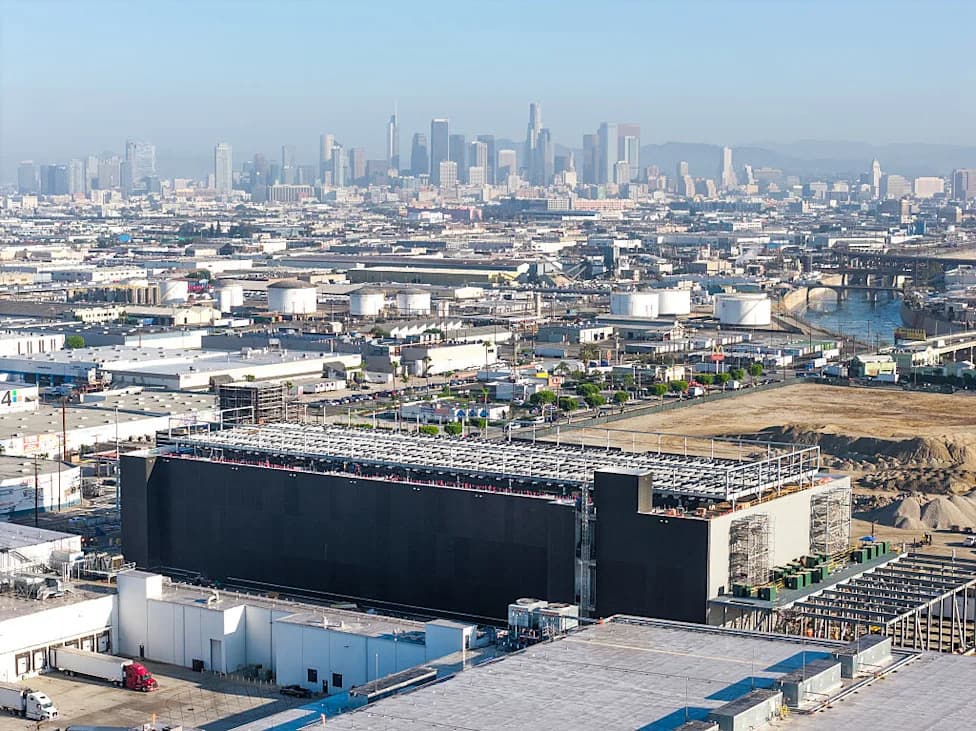
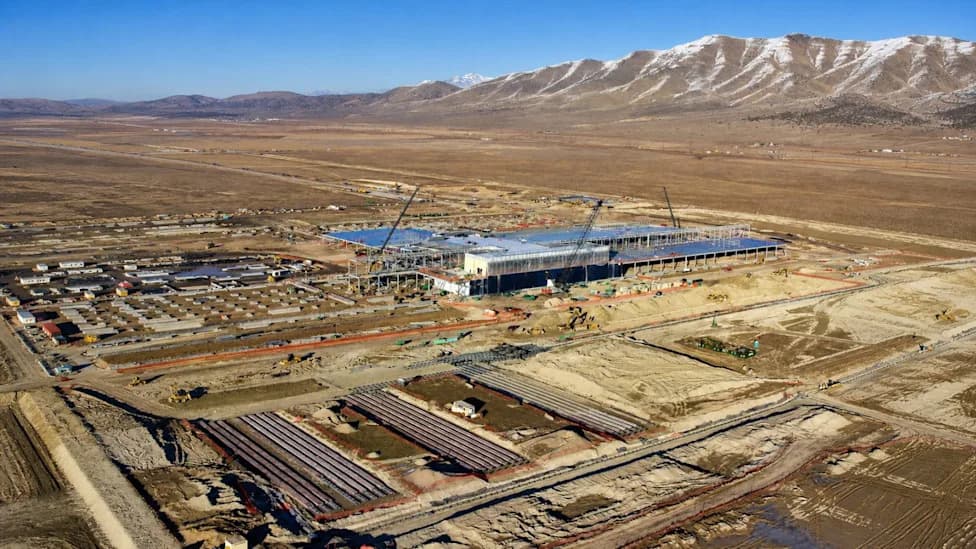
Drone view of a 49.5 megawatt data center under construction in Vernon, Calif. on July 14, 2026. —Myung J. Chun—Getty Images
A new poll from the Associated Press-NORC Center for Public Affairs Research and the Energy Policy Institute at the University of Chicago finds growing public unease about the environmental effects of AI and the rapid expansion of data centers across the United States. Roughly 53% of U.S. adults say they are "extremely" or "very" concerned about AI's environmental impacts, up from 41% a year earlier.
Broad Worry Across Parties
The increase in concern spans party lines: 65% of Democrats, 42% of Republicans and 49% of Independents report being "extremely" or "very" worried. While Republicans are more likely than Democrats to emphasize potential economic benefits from data centers, sizable shares across the political spectrum back limits and stronger environmental safeguards.
Rapid Data Center Growth
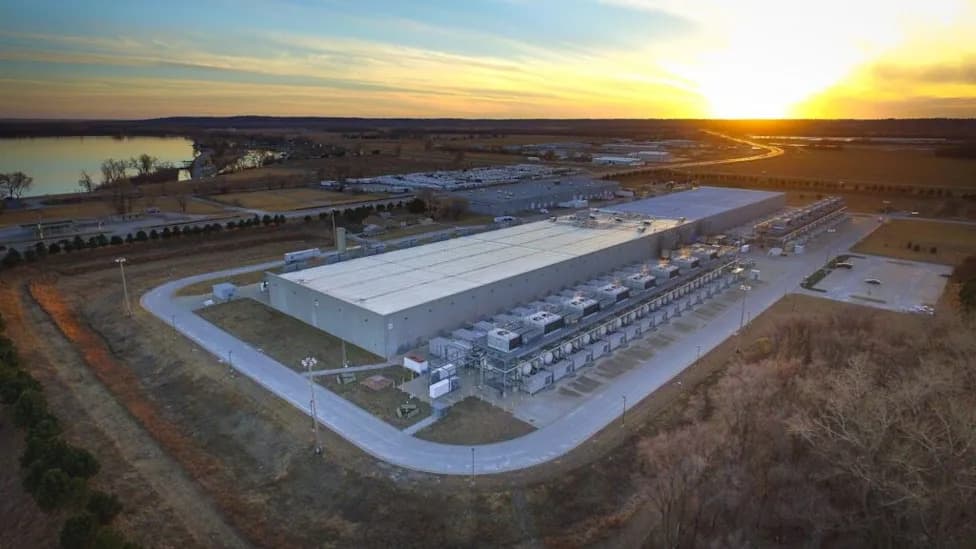
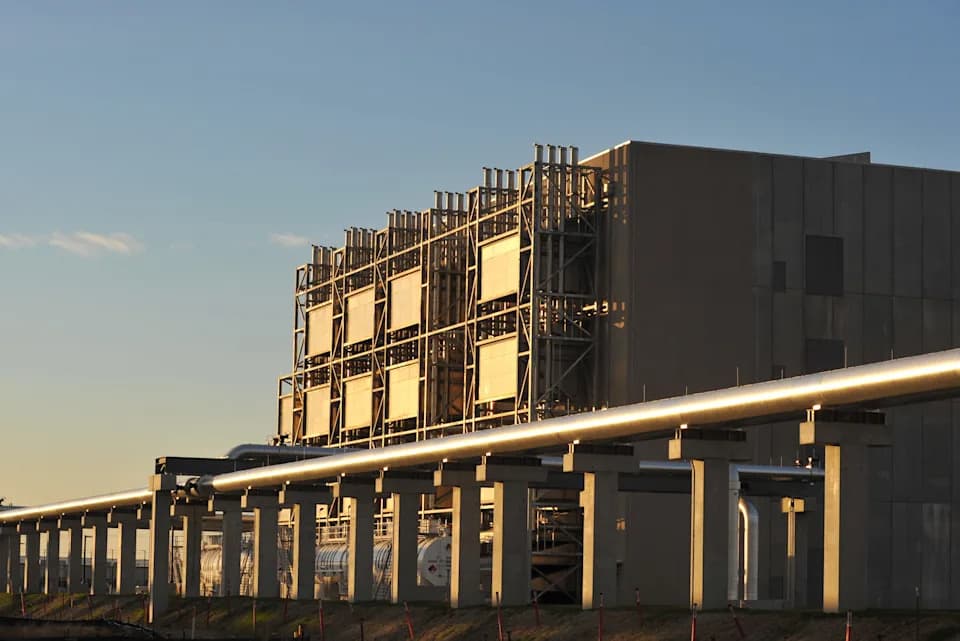
Clearview, a market intelligence firm tracking U.S. power infrastructure and data center development, reports 1,287 data centers currently operating in the U.S. and more than 2,000 planned projects. The expansion is concentrated in Virginia and Texas, with many new facilities proposed in rural parts of the South and Midwest. Much of the growth is driven by hyperscale centers—very large, energy-intensive facilities used to train and run advanced AI models.
Local Impacts: Electricity, Water and Jobs
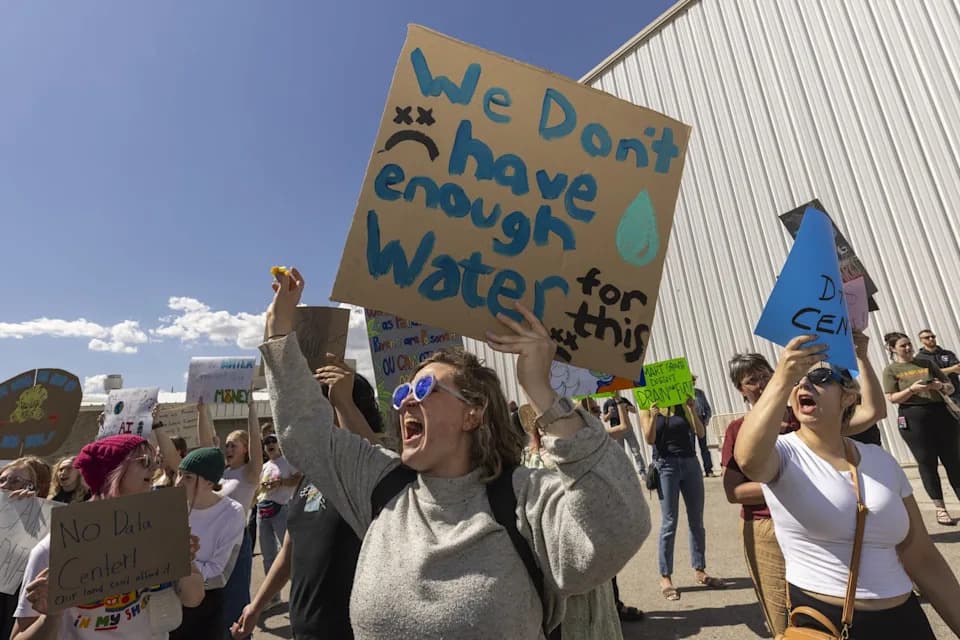
About 60% of respondents said they are "extremely" or "very" concerned about how data centers might affect local electricity prices and water supplies. Public views of economic benefits are mixed: roughly one in four adults call data centers "extremely" or "very" beneficial for technological advancement, and only about two in 10 say they are similarly beneficial for job creation. Research indicates that while construction can produce temporary jobs, permanent staffing at operational data centers is often limited.
Science and Projections
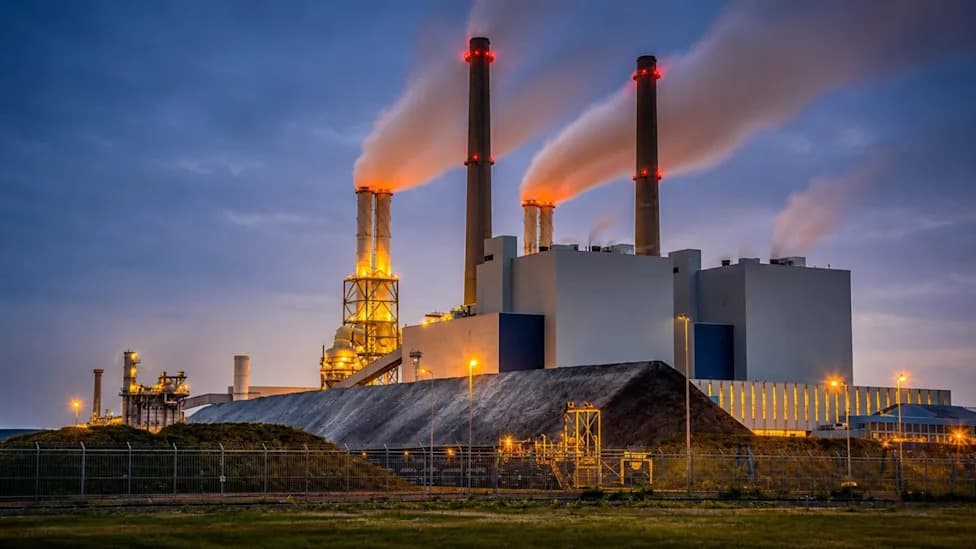
Experts warn the concerns have a factual basis. A U.N. report published in June estimated that water demand associated with AI could rise dramatically, potentially equaling the needs of about 1.3 billion people by 2030. In the U.S., a 2024 Lawrence Berkeley National Laboratory analysis estimates data centers could consume roughly 11.8% of national electricity by 2030. Absent a shift to cleaner power, BloombergNEF projects U.S. data centers may burn more natural gas than most countries by 2035.
Public Policy Responses
Public appetite for regulation is growing: about six in 10 Americans support limiting the number of new data centers, including majorities of both Democrats and Republicans. Around two-thirds of adults favor requiring data centers to source electricity from clean energy such as wind or solar—support that includes roughly 80% of Democrats and 56% of Republicans.
Moratoriums and Local Action
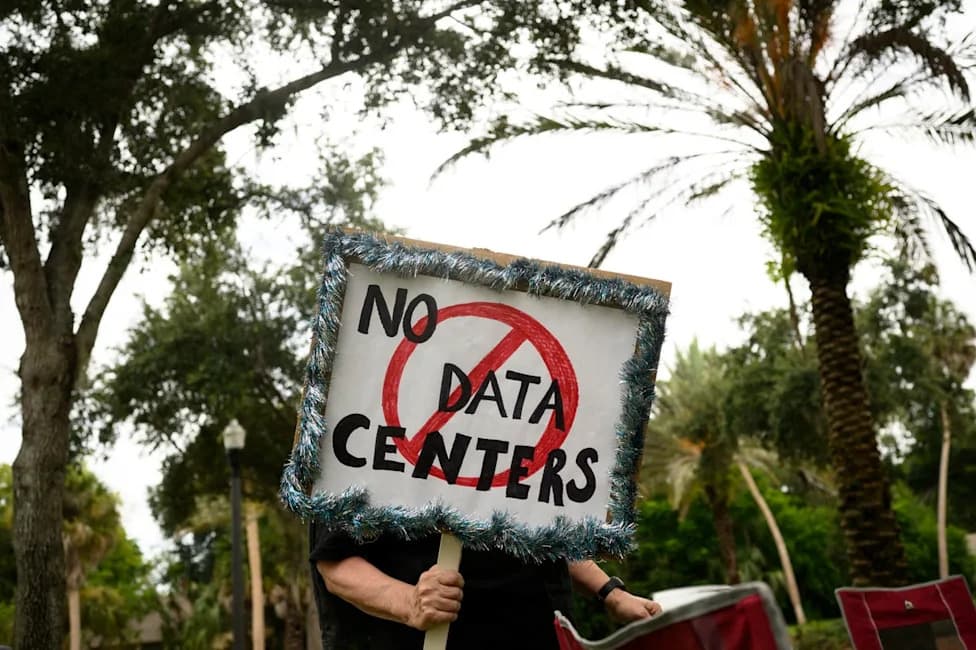
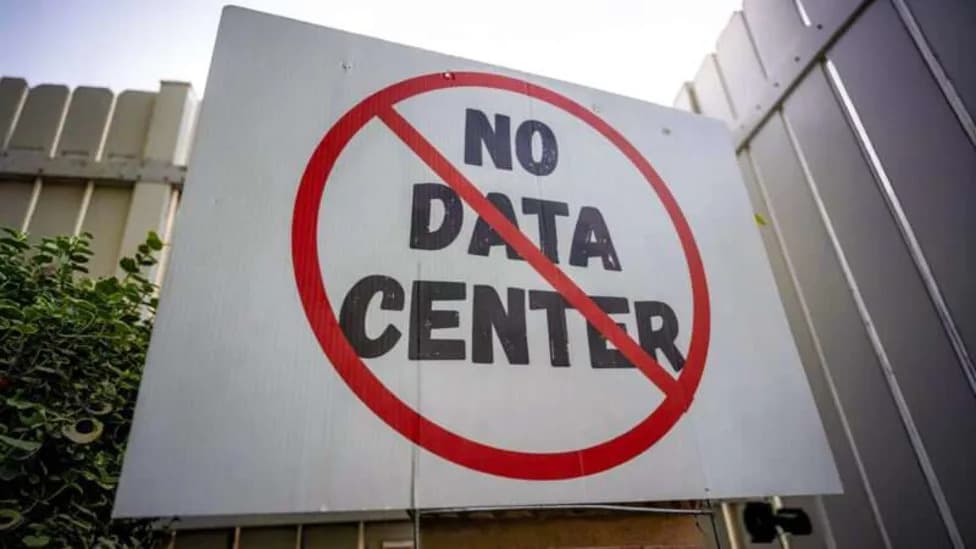
The rise in concern coincides with a spike in local measures to pause development while impacts are studied. As of September 2026, the Urban Institute reports 313 moratoriums affecting jurisdictions across 44 states and more than 200 cities, counties and localities.
"We're undertaking a massive experiment in real time, and I don't think there'll be any putting the milk back in the bottle," said Michael Greenstone, director of the Energy Policy Institute at the University of Chicago, which co-conducted the survey. "Change is scary, and I think some of that is being reflected here."
Policymakers, community leaders and industry stakeholders face mounting pressure to balance the economic benefits of digital infrastructure with long-term environmental and resource considerations.
Help us improve.