The White House hosted seven major tech firms in March to sign a voluntary "Ratepayer Protection Pledge" promising to fund new power plants and grid upgrades for data centers instead of shifting costs to other customers. Experts note the pledge is nonbinding and that enforcement or rate changes would fall to state utility regulators, not the White House. Polling shows broad public opposition to data-center construction driven more by resource-use and environmental concerns than by electricity prices. Historians warn the land rush for AI infrastructure echoes past U.S. land seizures and highlights recurring consolidation risks in American capitalism.
AI Data-Center Boom: White House 'Ratepayer Protection' Pledge, Power Questions, and a Historical Echo
America's AI land rush is running a 19th-century playbook hero image
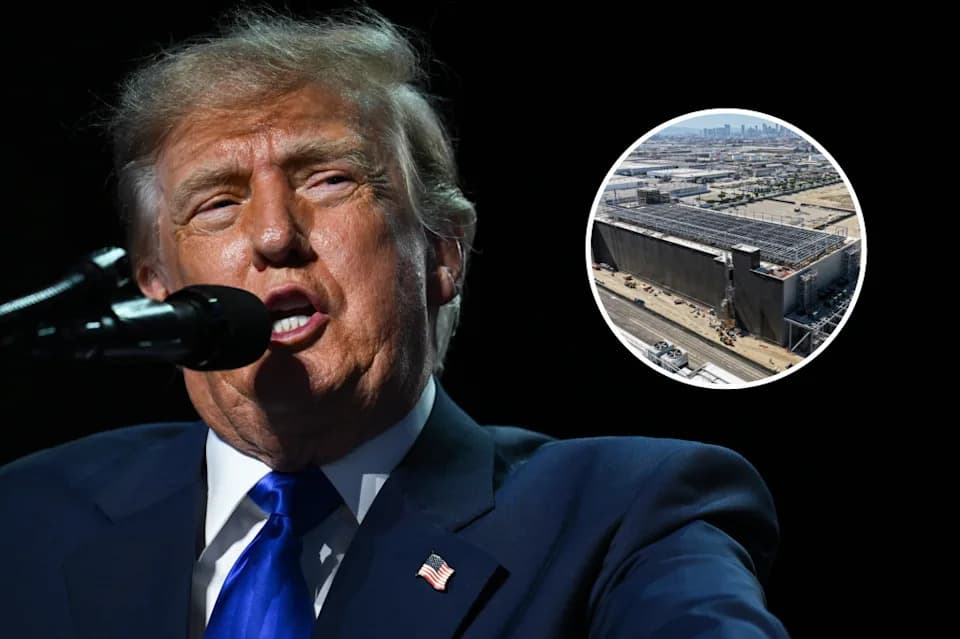
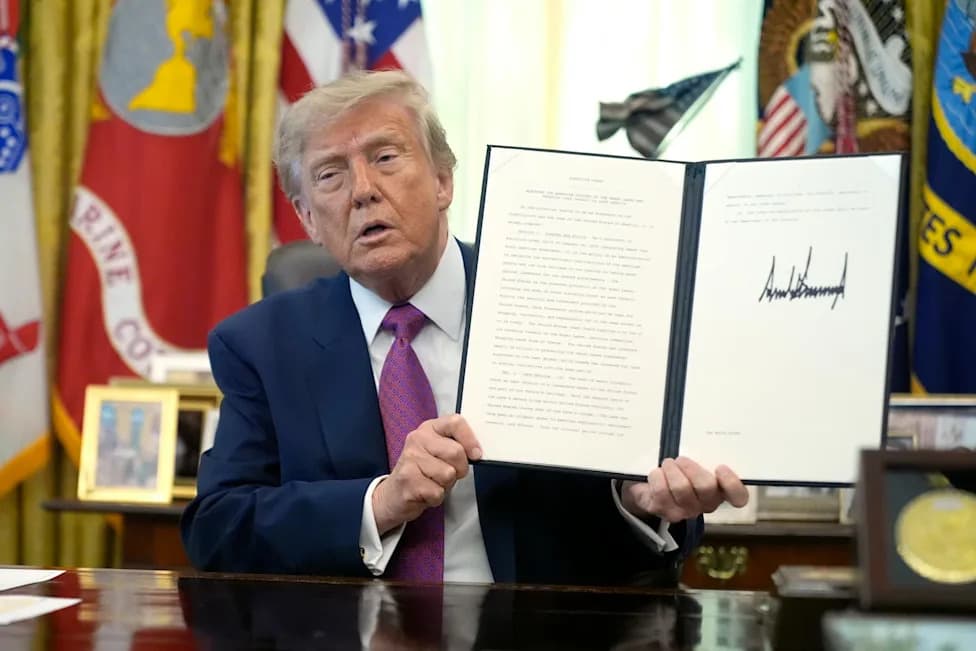
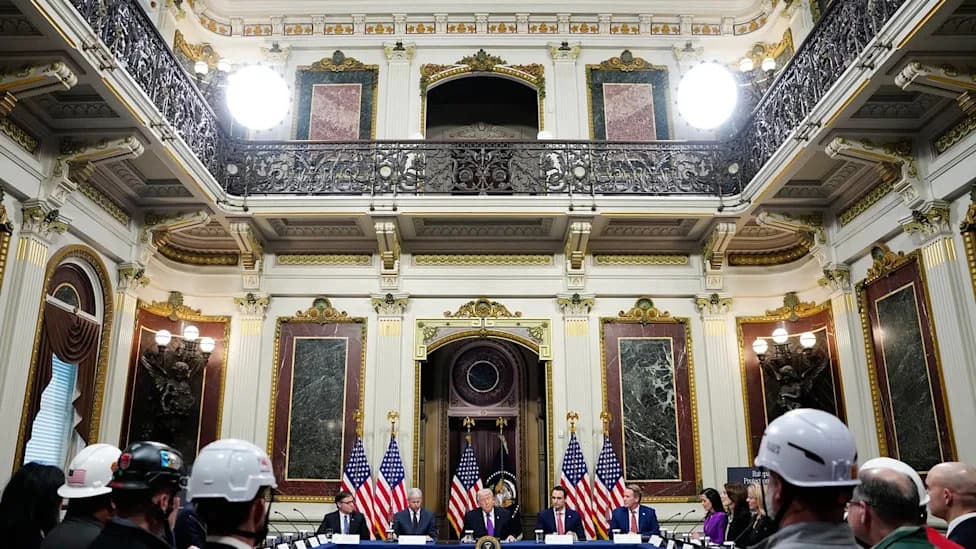
In March, seven of the nation's largest technology companies — Amazon, Google, Meta, Microsoft, OpenAI, Oracle and xAI — gathered at the White House to sign a voluntary "Ratepayer Protection Pledge." The agreement says the companies will cover the cost of new power plants and electrical-grid upgrades needed for their data centers rather than shifting those costs onto other utility customers.
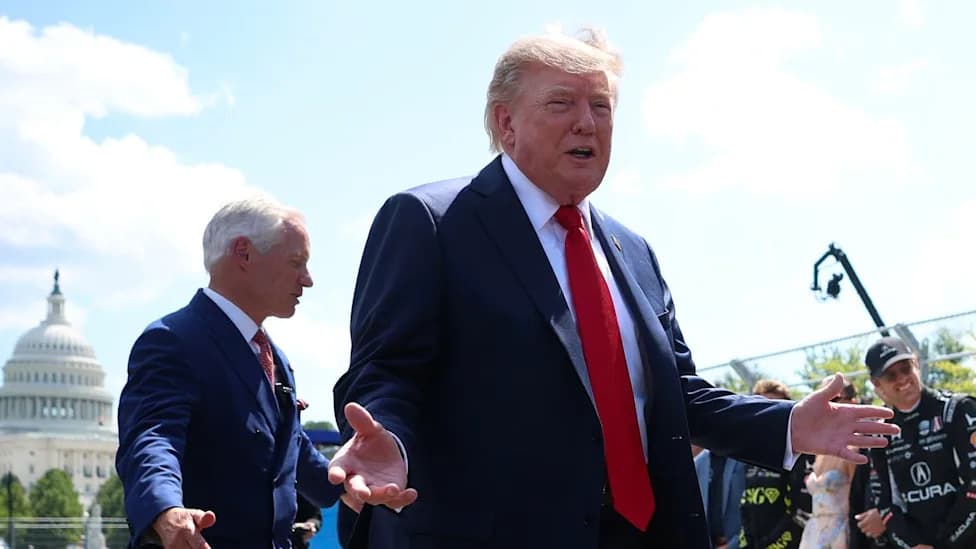
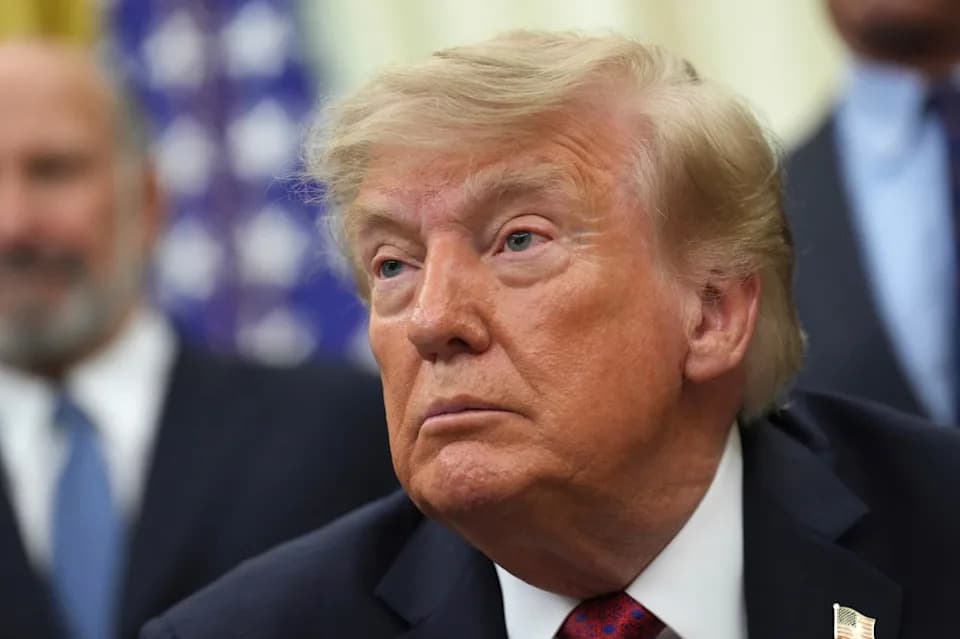
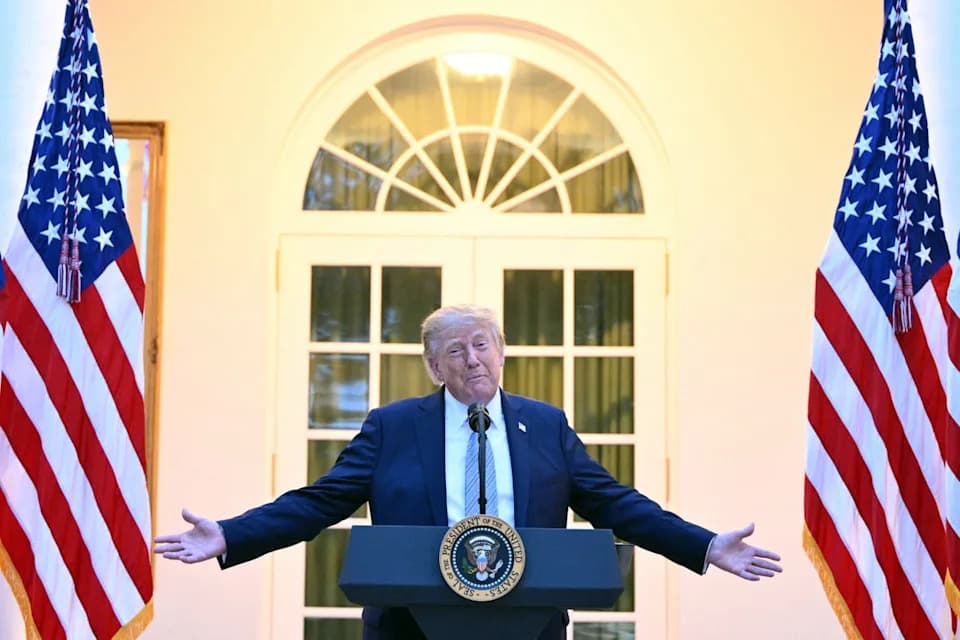
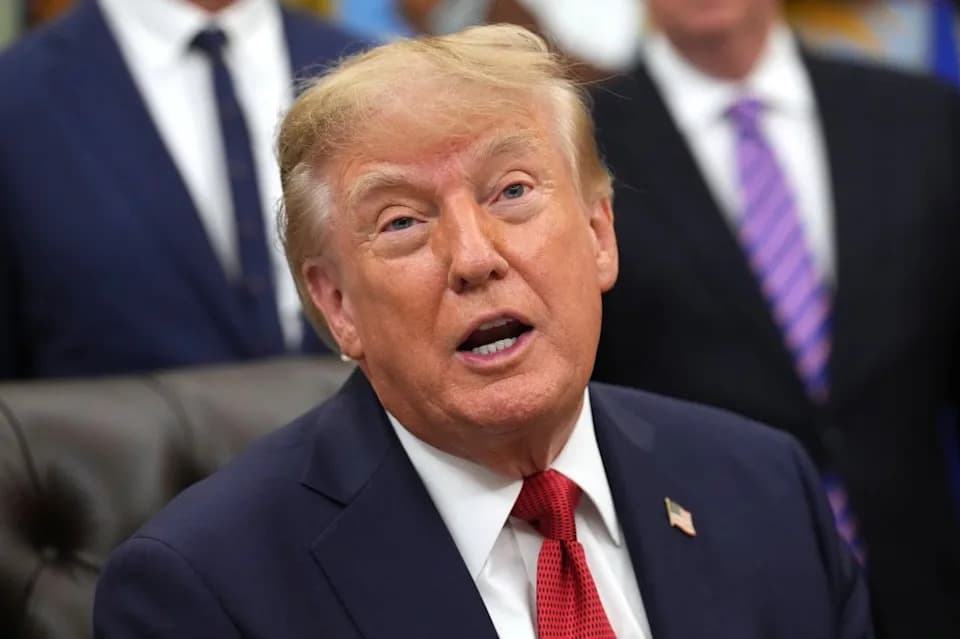
President Donald Trump, who led the meeting, said the pledge would lower ordinary Americans' electricity bills "very, very substantially," and acknowledged a secondary motive by calling the pledge "some PR help" for firms facing local resistance to new data-center construction.
Voluntary Pledge, Limited Authority
Experts immediately flagged limits to the pledge's impact. The commitment is nonbinding and contains no enforcement mechanism. Even the White House lacks statutory authority to unilaterally change utility rate structures or compel private firms to pay for grid upgrades; that power rests with state regulators and public utility commissions.
"The White House has a bully pulpit but no actual legal authority to impose new rate structures," said Ari Peskoe, director of Harvard Law School's Electricity Law Initiative, in comments after the signing.
Reports say the administration is urging utility companies to also sign the pledge — a move that raised questions about whether utilities would gain political cover or whether signing would meaningfully change regulatory outcomes.
Public Opinion and Environmental Concerns
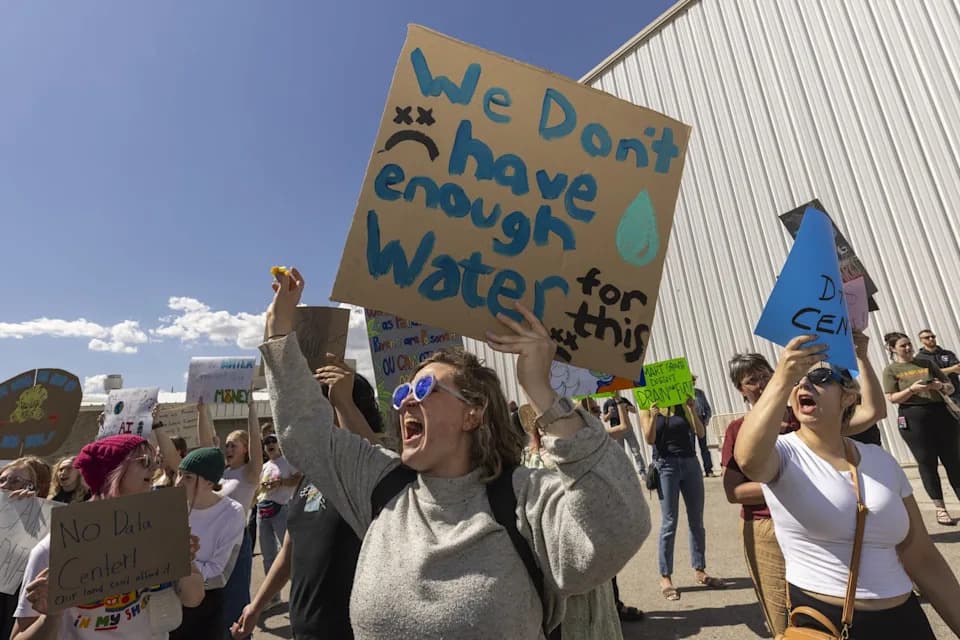
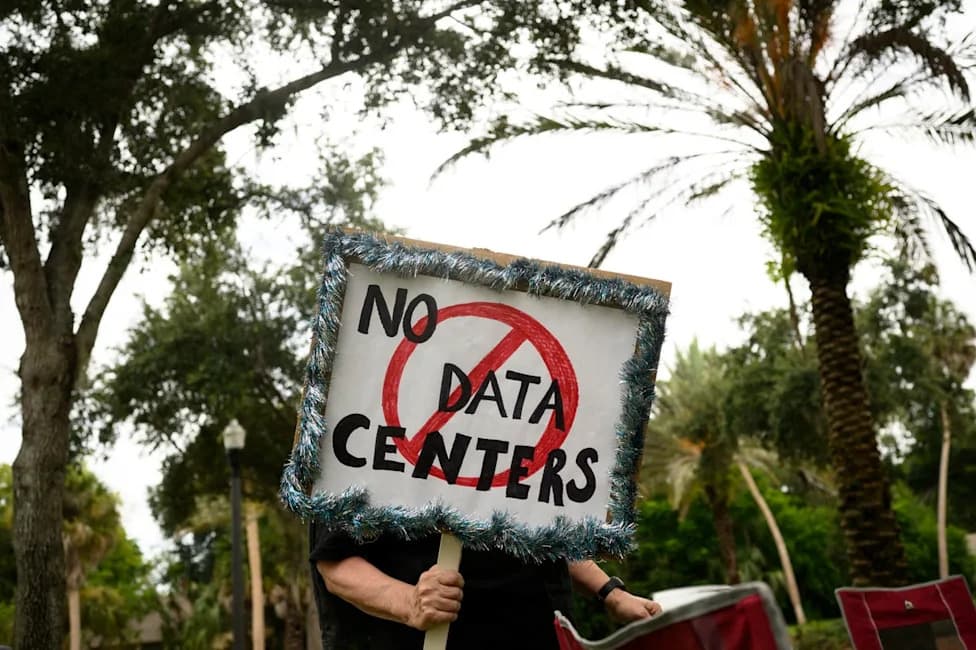
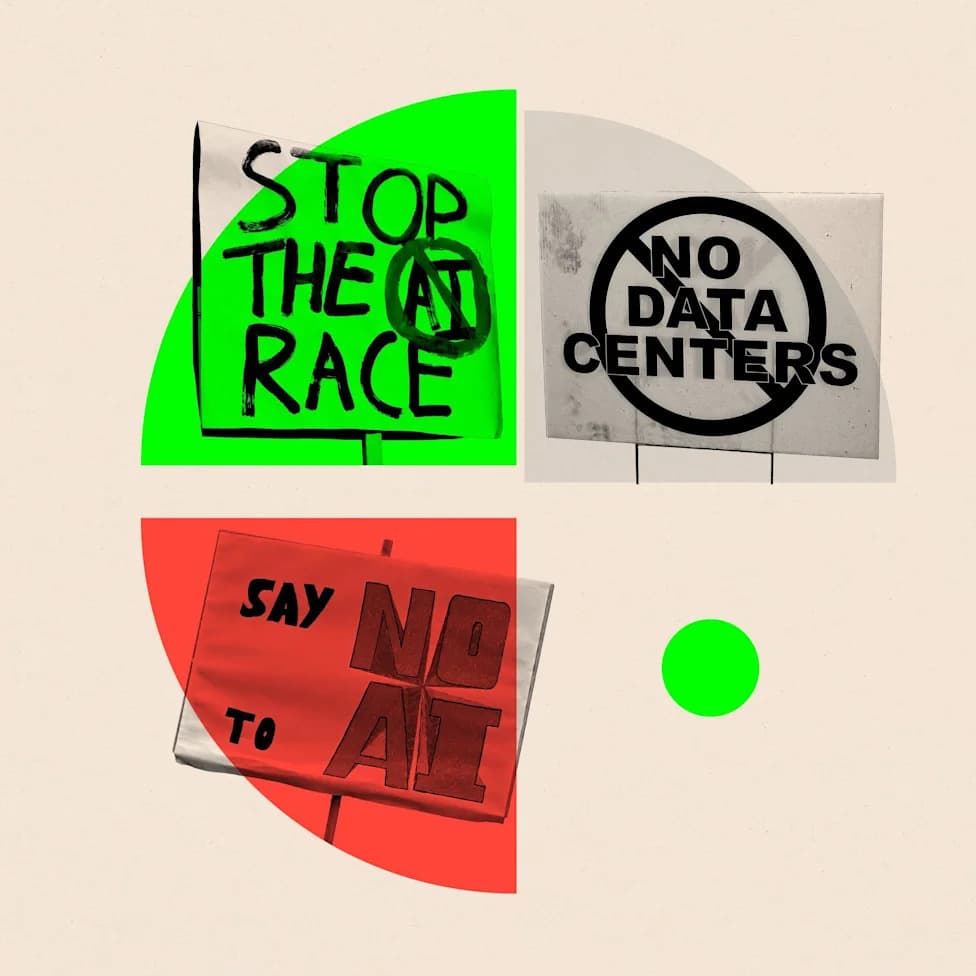
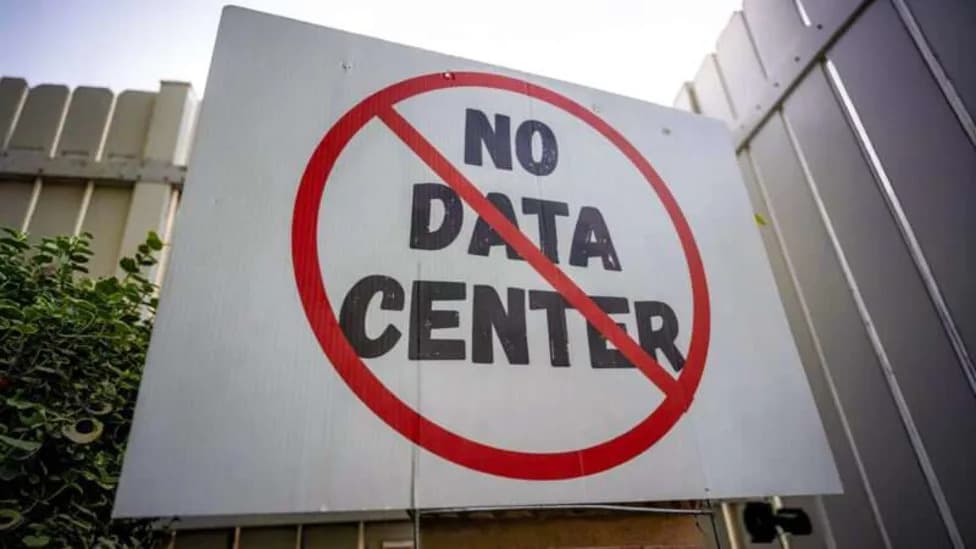
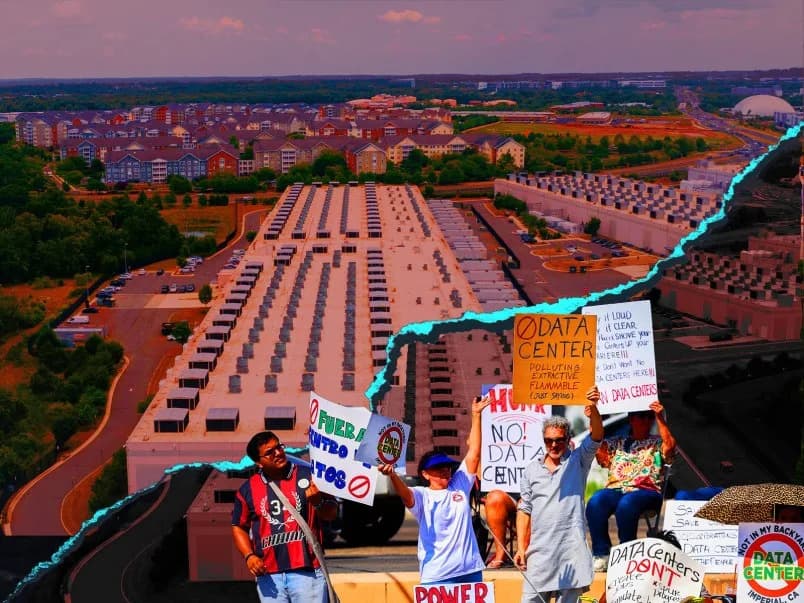
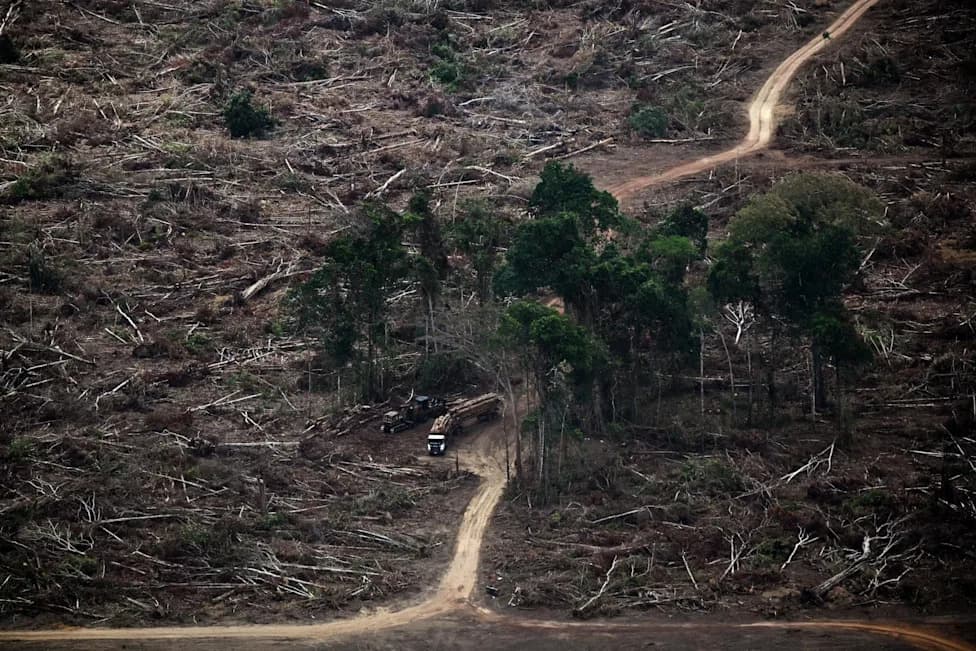
Polling suggests resistance to the data-center buildout stems from broader environmental and resource-use worries rather than direct concern about electric bills. A recent Gallup survey found 70% of Americans oppose data-center construction; among opponents, only 15% cited electricity costs as the main issue, while 50% pointed to resource use more generally. Analysts at the Brookings Institution called the sentiment "overwhelming public opposition," noting bipartisan unease and related polls that show roughly 80% of Americans are concerned about artificial intelligence.
Historical Resonance
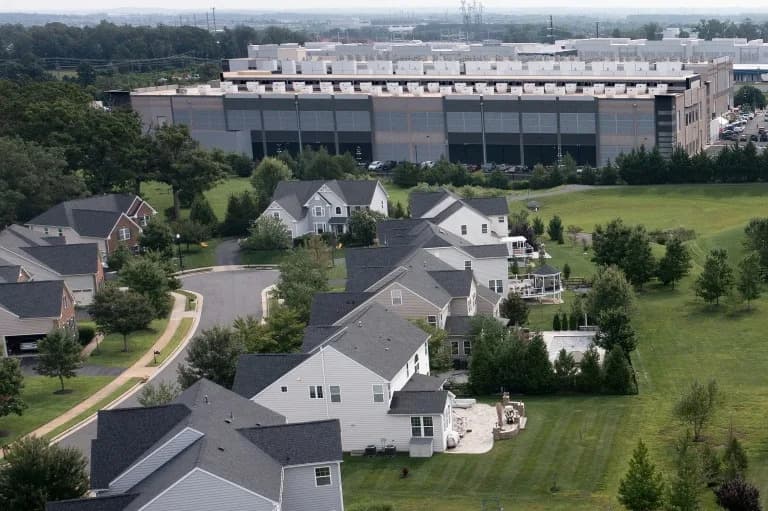
The roundtable was held in the Indian Treaty Room of the Eisenhower Executive Office Building, a setting that many historians found resonant. The room's name recalls a long pattern of treaties between the U.S. government and Indigenous nations that were frequently broken. Historians say the current rush to secure land for large AI data centers echoes earlier American land grabs and resource-driven expansion.
Last year, the Department of Homeland Security spotlighted that symbolism when it posted John Gast's 1872 painting American Progress — which depicts Indigenous figures receding as white settlers advance — alongside the caption "A Heritage to be proud of, a Homeland worth Defending." The post drew criticism for glossing over the history of dispossession.
Historian John Reeves, whose forthcoming book examines the theft of the Black Hills, told listeners that many 19th-century Americans recognized that seizing land violated treaties yet rationalized it as unavoidable economic progress. Reeves also warned of a recurring dynamic in American capitalism: a drift toward concentrated power or monopoly, cloaked in the rhetoric of free markets — whether in fur and mining empires of the 19th century or today's handful of corporations building much of the nation's AI infrastructure.
What Comes Next
The pledge raises more questions than it resolves: Will utilities sign on? Will state regulators change rate structures or require companies to shoulder more grid costs? And how will communities weigh the economic benefits of data centers against environmental, resource and land-use concerns?
Bottom line: The White House pledge is a high-profile promise, but without binding enforcement or regulatory change at the state level, its practical impact on customers' bills and on local opposition to data-center projects remains uncertain — and the episode rekindles longstanding debates about land, power and concentrated economic influence in American history.
Help us improve.