U.S. cities increasingly rely on trees, parks, green roofs and other vegetation to reduce urban heat islands, which can make city centers 1–7°C hotter than surrounding areas. Studies show green infrastructure can lower air and surface temperatures by up to ~5°C, with parks typically cooling nearby areas by 2–3°C and targeted street planting yielding outsized benefits. However, cooling is unevenly distributed—trees in majority white neighborhoods cool about 0.19°C more than in communities of color—so equitable, targeted programs are essential to maximize public‑health gains. Combined strategies (trees + cool roofs + porous pavements) and fine‑scale heat mapping offer the best path to rapid, cost‑effective relief.
Turning Down the Heat: How U.S. Cities Use Trees, Parks and Green Roofs to Fight Urban Heat Islands
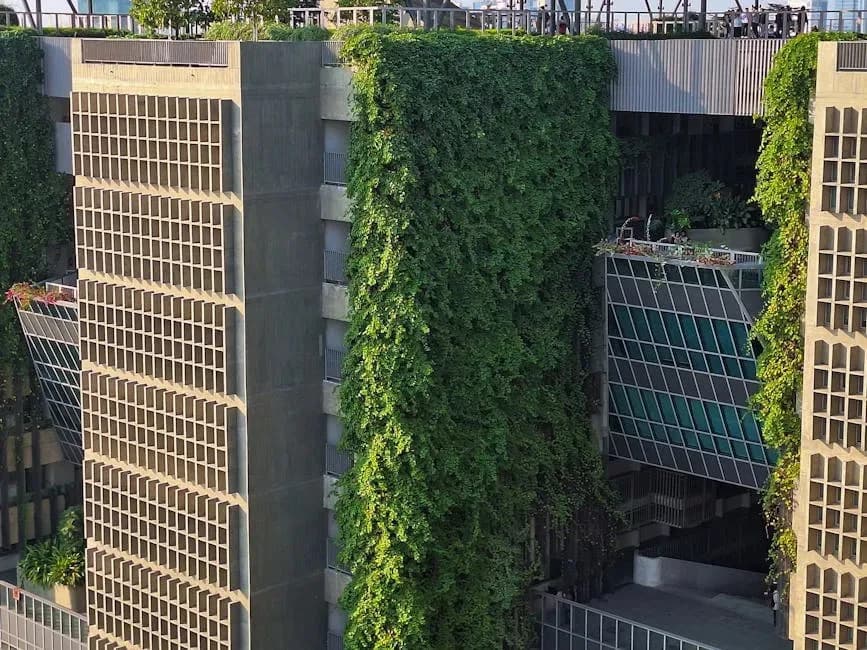
Image credits: Pexels
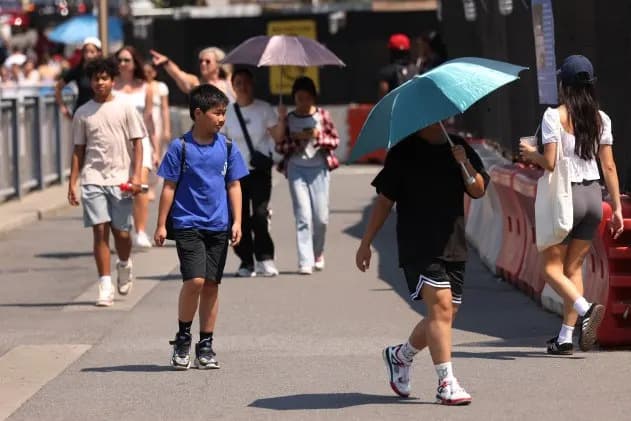
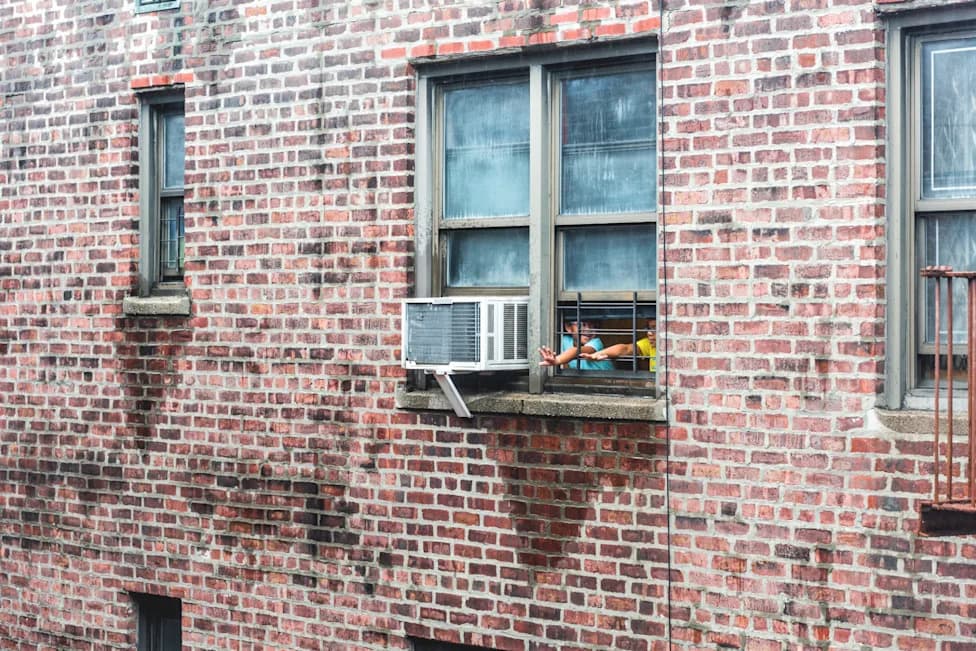
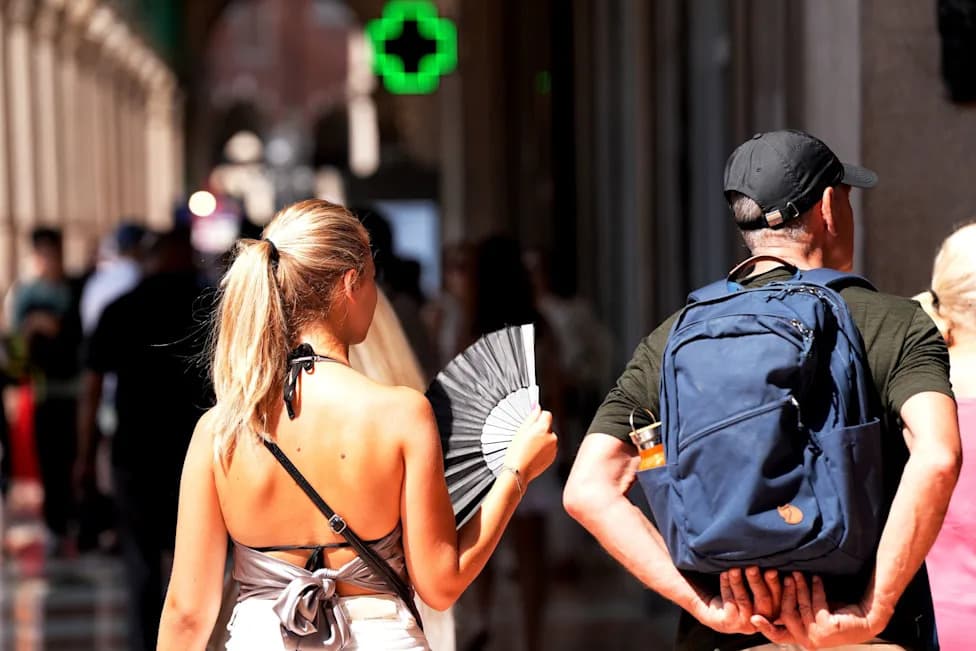
Summer in Phoenix, Chicago and Houston is increasingly the same experience: stepping outside feels like entering an oven. Concrete and asphalt soak up sunlight and release heat long after sunset, and even the energy we use to cool buildings returns to the environment as waste heat. In the context of climate change and rapid urban growth, this urban heat island (UHI) effect is a mounting public‑health and planning challenge—and cities are turning to a surprisingly old, low‑tech remedy: plants.
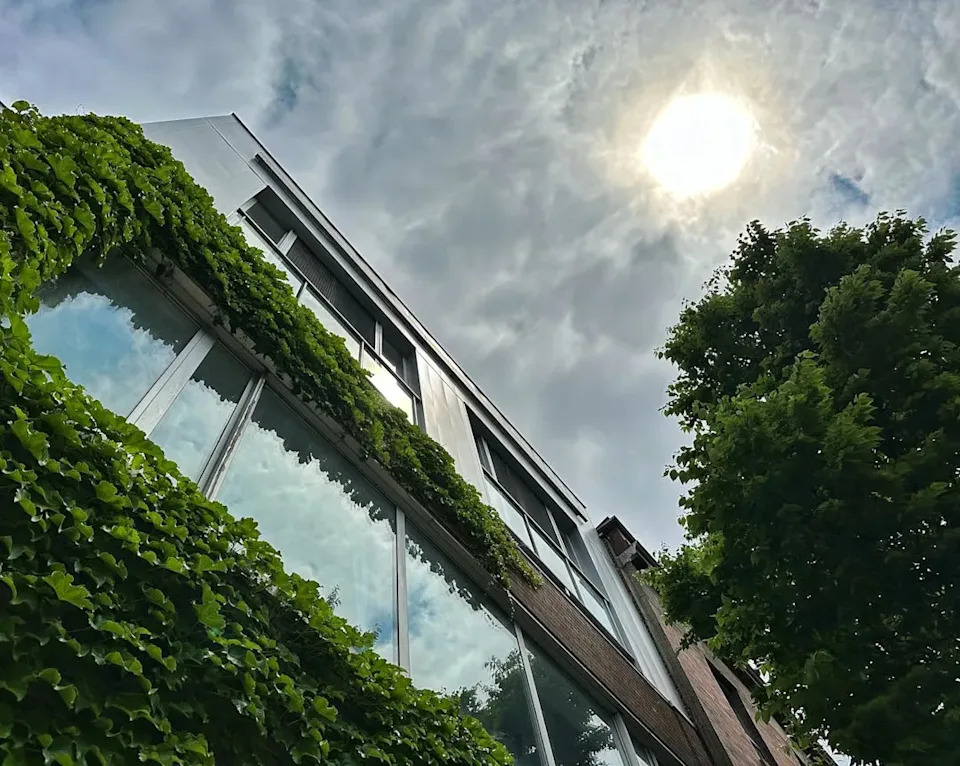
What Urban Heat Islands Actually Are (Image Credits: Unsplash)
Why Urban Heat Islands Matter
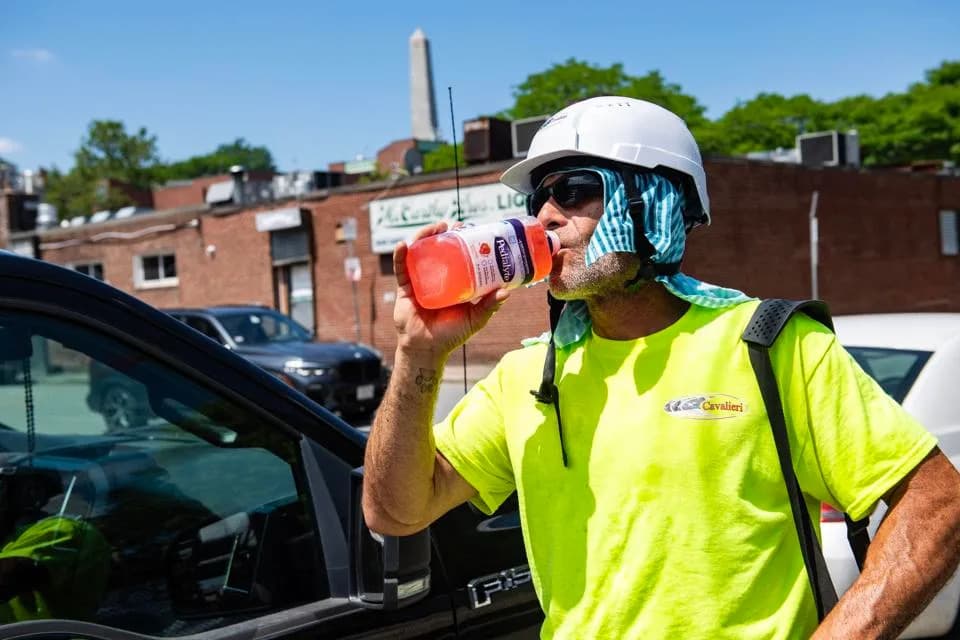
Urban heat islands can make city centers roughly 1–7°C hotter than surrounding areas. The heat becomes especially dangerous when nighttime temperatures fail to fall, preventing the body from recovering and increasing the risk of heat‑related illness. Over the last three decades, extreme heat has been the leading weather‑related cause of death in the United States. A 2024 analysis in The Lancet Planetary Health found a 56% higher risk of heat‑related mortality in urban areas versus rural ones, underscoring the urgency of mitigation.
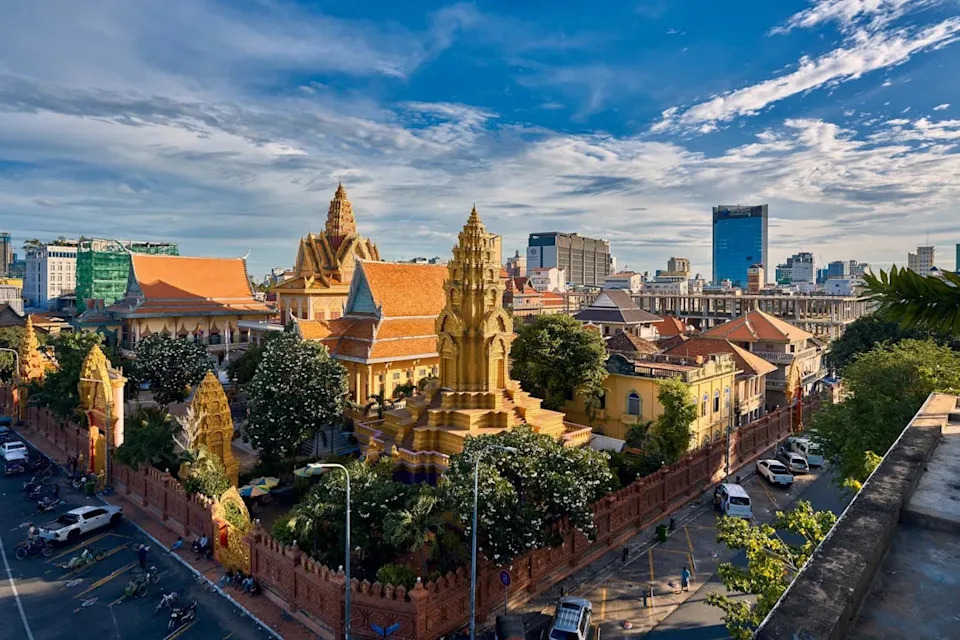
The Scale of the Health Risk (Image Credits: Unsplash)
How Plants Cool Cities
Green infrastructure—trees, parks, green roofs, vertical greening and community gardens—cools cities through several clear mechanisms:
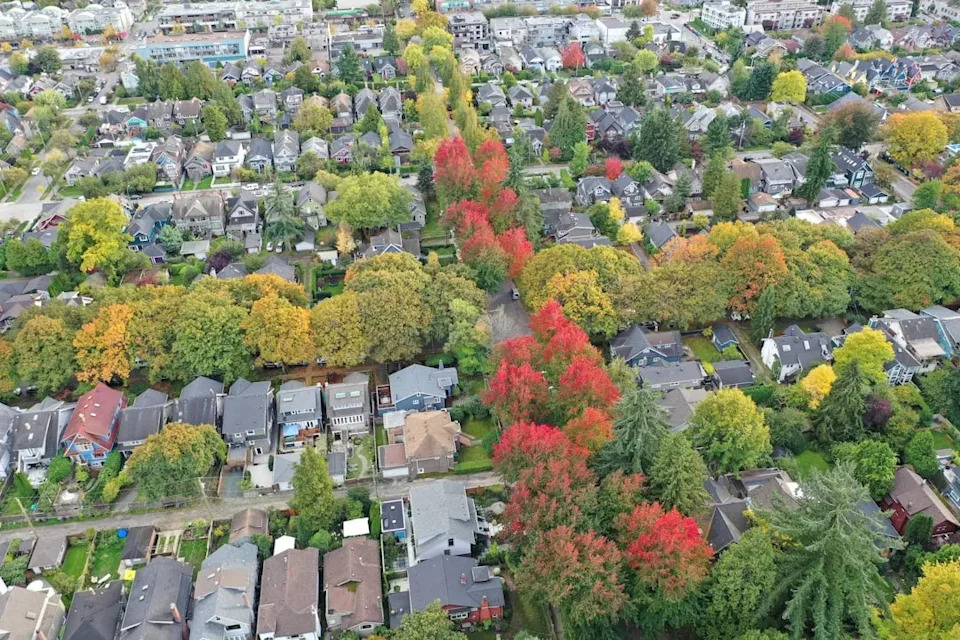
How Plants Cool a City: The Core Mechanisms (Image Credits: Unsplash)
- Shade reduces the amount of solar radiation reaching hot surfaces.
- Evapotranspiration (water evaporating from leaves) removes heat from the air.
- Albedo changes (lighter or vegetated surfaces reflect more sunlight).
- Improved ventilation from strategic planting channels cooler airflow through neighborhoods.
Evidence and Measured Impacts
Research shows these effects are strong and measurable at street level. Green spaces—including parks, green roofs and tree‑lined streets—can reduce air and surface temperatures by up to about 5°C. Urban parks typically cool surrounding neighborhoods by 2–3°C. A citywide estimate suggests urban trees offset roughly half of the UHI effect in many places, though cooling benefits vary by climate and location.
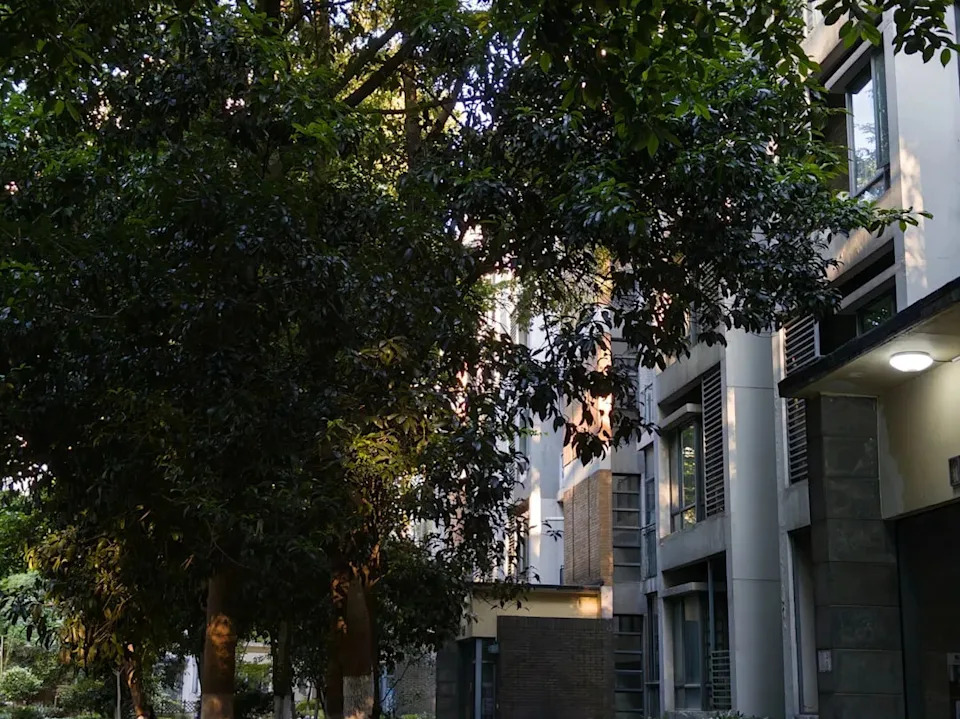
Street Trees: The Most Direct Line of Defense (Image Credits: Unsplash)
Selected findings:
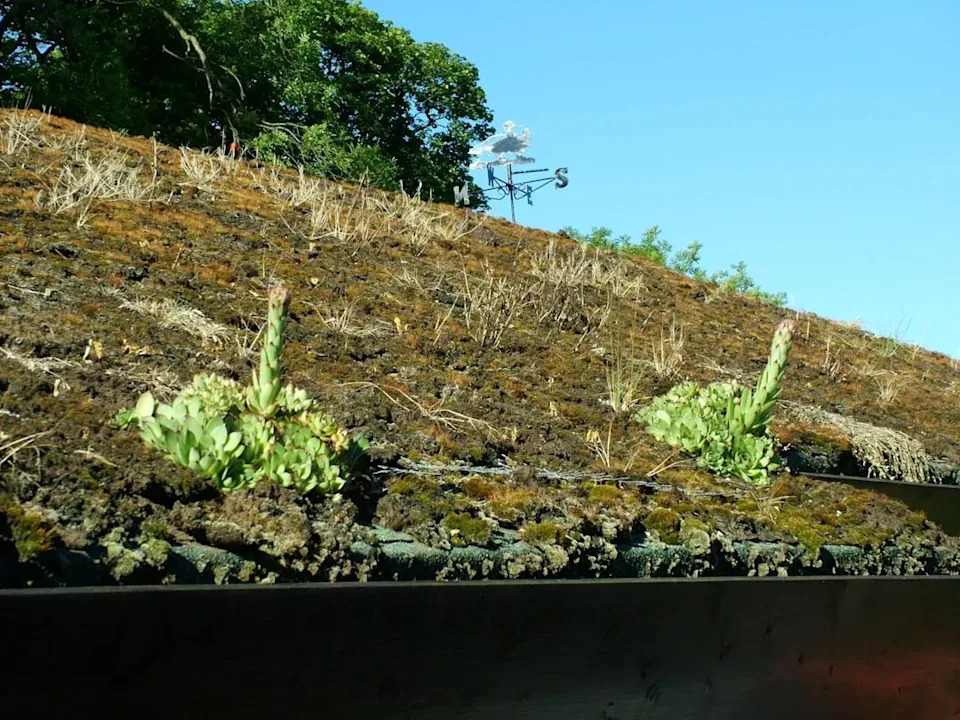
Green Roofs: Turning Dead Space Into Cooling Infrastructure (Image Credits: Unsplash)
- There are an estimated 5.5 billion trees in U.S. urban areas, delivering shade, evapotranspiration and many co‑benefits.
- A Tacoma, Washington study found average sidewalk air‑temperature variation of ~2.57°C across a neighborhood; locations with no canopy cover within 10 meters had up to five times greater probability of exceeding high‑temperature thresholds compared with fully covered sites.
- Green roofs can reduce city‑level temperatures by about 0.47°C in inter‑year comparisons and reduce local rooftop‑adjacent air temperatures by ~2.49°C compared with bare roofs in intra‑year comparisons. Global estimates suggest roof greening could lower daytime surface temperatures in cities by ~0.57–1.58°C and nighttime surface temperatures by ~0.14–0.39°C, depending on scale.
- Targeted interventions are especially efficient: modeling using New York City Citi Bike data found that planting trees along just 1.5% of the street network could reduce heat‑exposed kilometers ridden by ~19%—equivalent to an estimated thermal‑stress reduction of ~4°C for those routes—whereas scattershot planting yields much more diffuse cooling.
Equity: Who Benefits?
Cooling benefits are not distributed evenly. On average, trees in majority non‑Hispanic white neighborhoods cool air by about 0.19°C more than trees in communities of color, which translates into substantially different health outcomes over a year. Low‑income residents and people of color are more likely to live in hotter neighborhoods and face higher exposure to extreme heat. Historical planting and maintenance patterns have favored wealthier areas—an injustice some cities are now trying to correct through equity‑centered canopy programs and targeted investments.
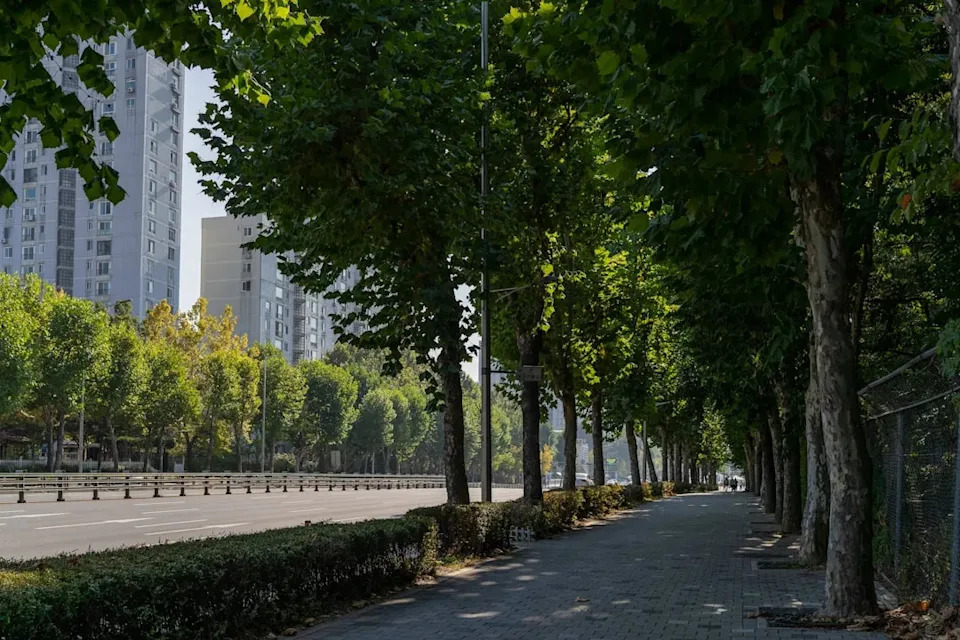
Urban Parks as Neighborhood Cooling Anchors (Image Credits: Unsplash)
Case Studies and Programs
- The Greening of Detroit: In 2024 the group won an Environment Next Global Initiative grant to expand tree planting and green‑job training. Since its founding it has planted over 147,000 trees in Detroit, Hamtramck and Highland Park.
- NOAA & Citizen Science: High‑resolution heat mapping—often created with volunteer effort—helps cities locate the hottest blocks and prioritize interventions where they will reduce health risk most effectively.
Smart, Combined Strategies
Green infrastructure works best when combined with other nature‑based and reflective surface strategies: cool roofs, porous pavements, rooftop solar and focused tree planting. Together these 'smart surface' strategies can reduce extreme heat and urban flooding, lower energy bills, improve public health and save municipal funds.
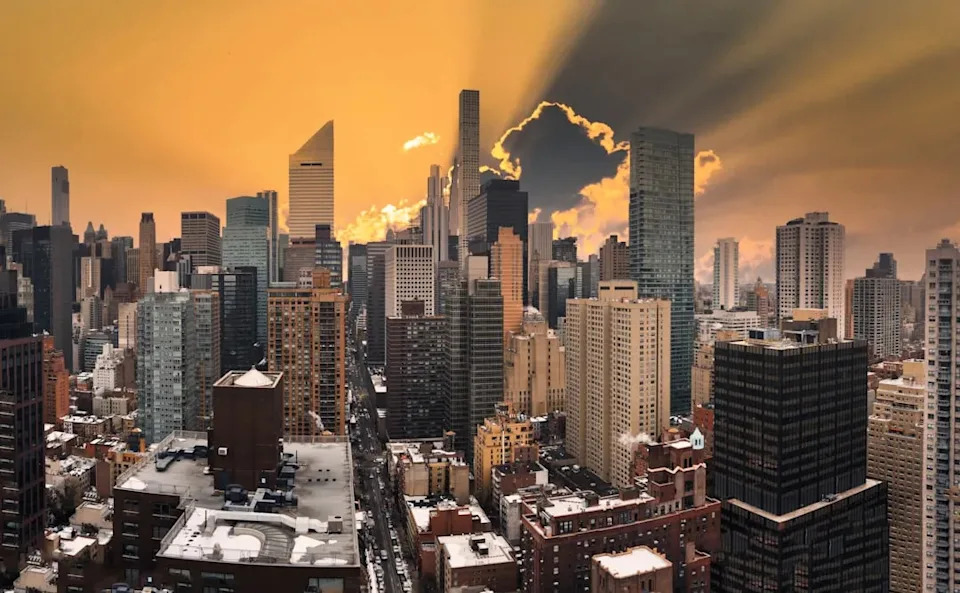
The Equity Problem Inside the Green Infrastructure Story (Image Credits: Unsplash)
Scaling Up: The Potential Impact
Modeling suggests an ambitious national reforestation program adding roughly 1.2 billion trees could reduce population‑weighted average summer temperatures by a measurable amount and could lower annual heat‑related mortality by hundreds and morbidity by tens of thousands of cases. But planting at scale must be paired with long‑term maintenance, water considerations and equitable siting to deliver durable benefits.
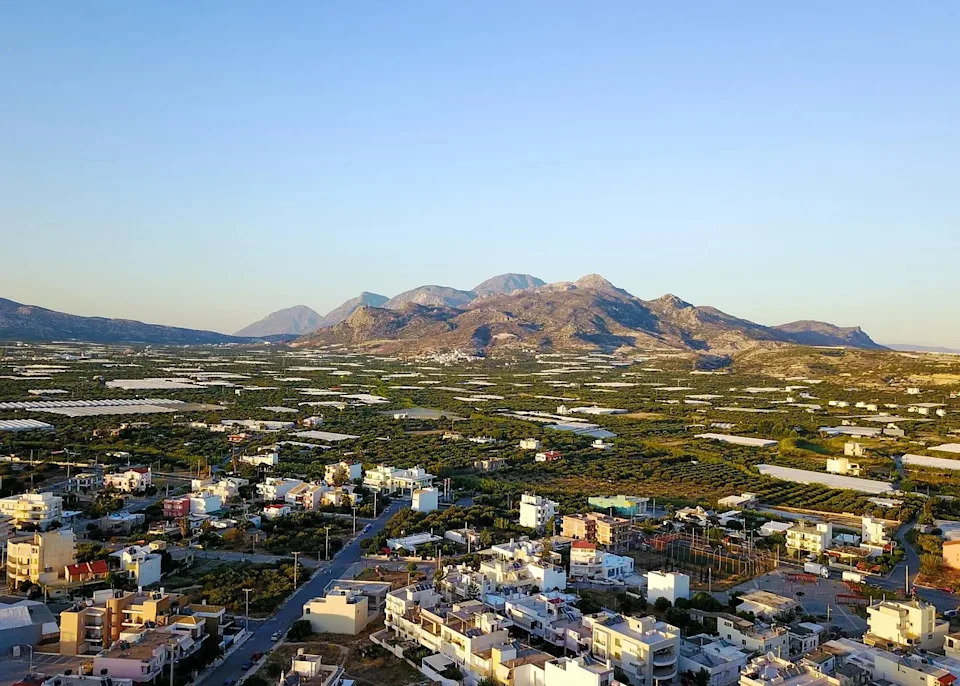
City-Level Action: Real Programs Making a Real Difference (Image Credits: Pixabay)
What Cities Should Do
Key priorities for city leaders include: prioritize plantings in the hottest and most vulnerable neighborhoods; combine trees with green roofs and cool surfaces; fund long‑term maintenance; use fine‑scale heat maps to guide investments; and integrate tree planting with jobs and health programs. Equity and targeting make the difference between modest benefit and life‑saving impact.
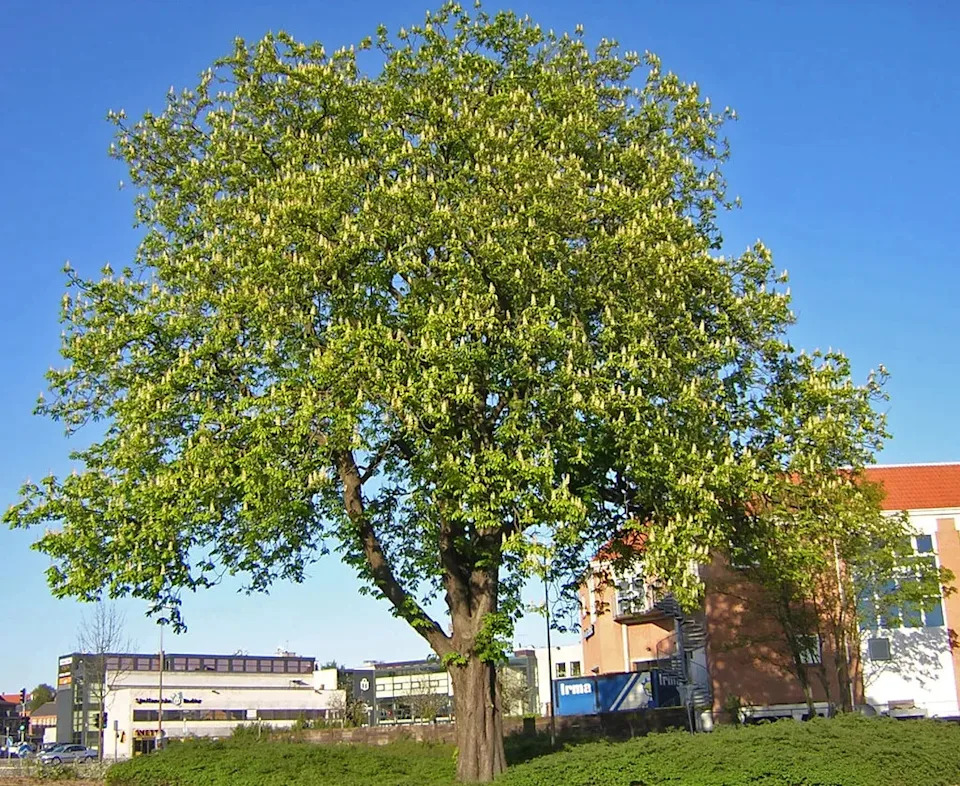
The Research Momentum Behind Green Infrastructure (Ma1974, Flickr,CC BY 2.0)
Conclusion: The evidence is clear: plants cool streets, reduce heat‑related health risks, cut energy demand and provide many co‑benefits. The central challenge is not whether green infrastructure works—it does—but whether cities will deploy it quickly, at scale and equitably to reach the people who need it most.
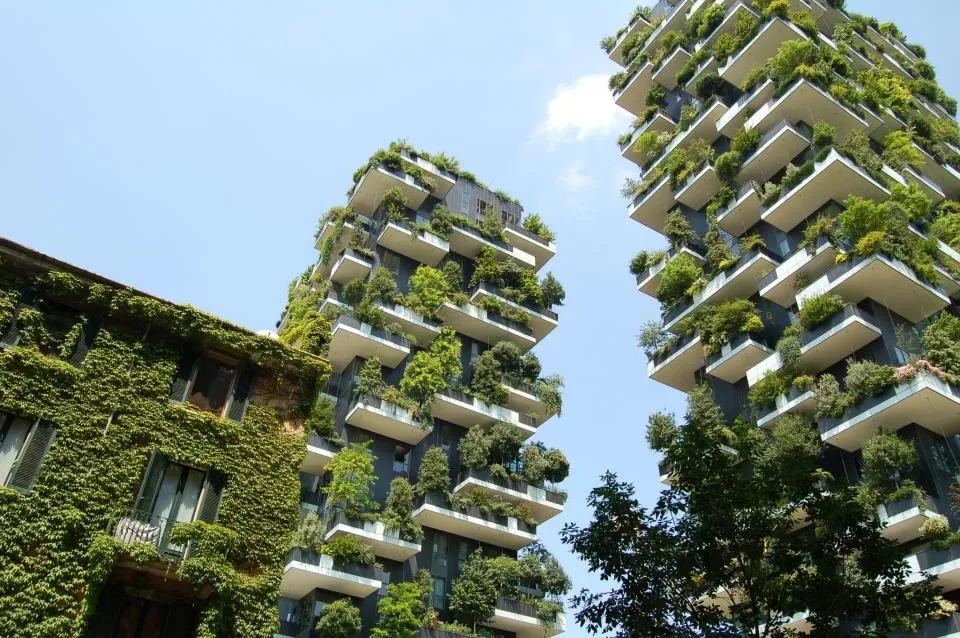
What Comes Next: Combining Strategies for Greater Impact (Image Credits: Stocksnap)
AI Disclaimer: This article was produced with assistance from AI tools and reviewed by a human editor.
Help us improve.