Massachusetts has appointed Katie Schlick as its first statewide heat resilience officer to coordinate action across government and communities as temperatures rise. The state has warmed by more than 3.5°C over the last century, lengthening heat seasons and increasing emergency visits, grid strain, and worker exposure. Vulnerable neighborhoods with declining tree canopy and many schools without cooling face disproportionate impacts. State leaders and university partners are expanding tree planting, improving cooling access, and developing data-driven protections that other northern states might replicate.
Why ‘Cold’ Massachusetts Is Prioritizing Extreme Heat: New Statewide Heat Resilience Officer Named
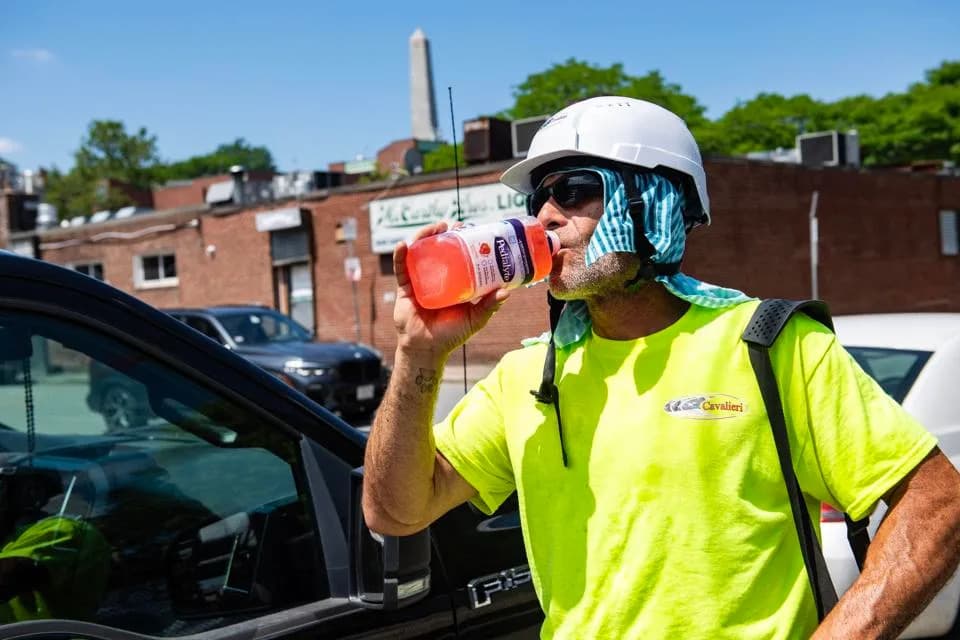
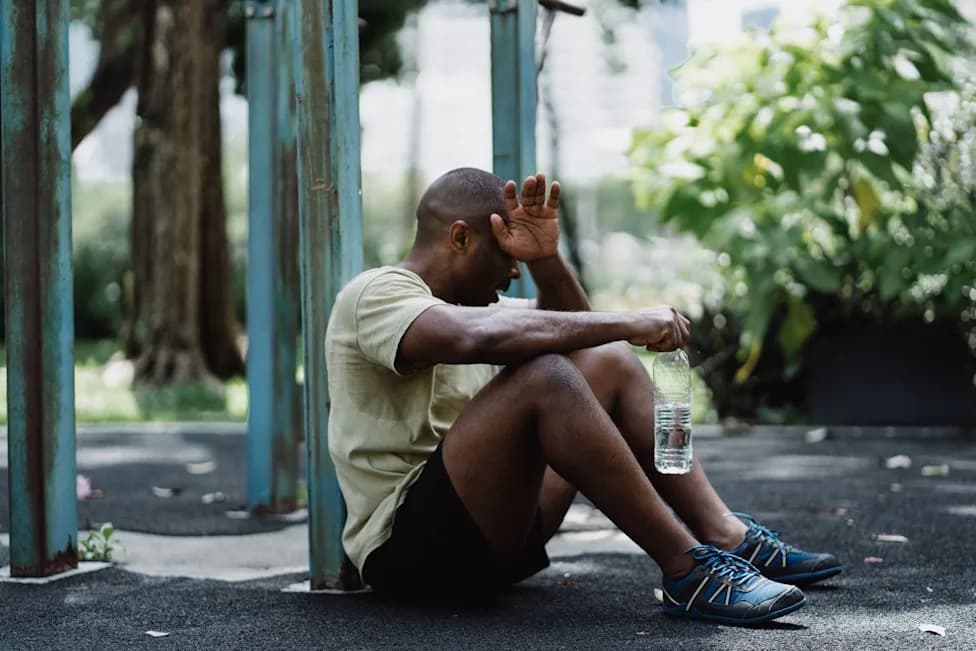
A construction worker takes a water break during a heat wave in Boston, Massachusetts on July 1, 2026. Tens of millions of Americans sweltered under furnace-like temperatures this week as central and eastern cities hunkered down for a heat wave set to last through the July 4 holiday weekend. Dozens of local temperature records could be broken, the National Weather Service (NWS) warned, with temperatures in many places to surpass 100 degrees Fahrenheit (38 degrees Celsius) and high humidity pushing the heat index as high as 115 degrees. (Photo by Joseph Prezioso / AFP via Getty Images)AFP via Getty Images
A construction worker takes a water break during a heat wave in Boston on July 1, 2026. Tens of millions across central and eastern U.S. cities endured furnace-like temperatures heading into the July 4 weekend, with many locations topping 100°F (38°C) and heat indices reaching as high as 115°F. (Photo by Joseph Prezioso / AFP via Getty Images)
Although Massachusetts is often thought of as a "cold state," rising temperatures have pushed state leaders to act. The Commonwealth has appointed Katie Schlick as its first statewide heat resilience officer — only the second state in the U.S. to create a dedicated role focused on extreme heat.
New Role, Broad Mandate
Schlick will coordinate across state agencies, work directly with communities, and develop policies and programs to safeguard public health, protect infrastructure, and reduce the disproportionate impacts of extreme heat. The position is funded with support from the Boston Foundation.
Schlick brings experience from the federal and regional levels: she led resilience efforts at the U.S. Climate Alliance, worked on federal and external affairs, and previously served as special assistant to the White House National Climate Advisor.
Why Heat Matters Here
Massachusetts has warmed substantially in recent decades. Schlick says average temperatures in the state have increased by more than 3.5°C over the last 100 years, and heat seasons in many U.S. cities are lengthening by roughly 30–40 days. Those changes translate to measurable health and infrastructure impacts: emergency-room visits rise on extreme heat days, electric grids face higher demand, and productivity and safety decline for workers outdoors or in poorly ventilated workplaces.
"With this role, Governor Healey is bringing a whole-of-government approach to meeting this challenge and uplifting our communities," Schlick said in an interview.
Vulnerable Places and People
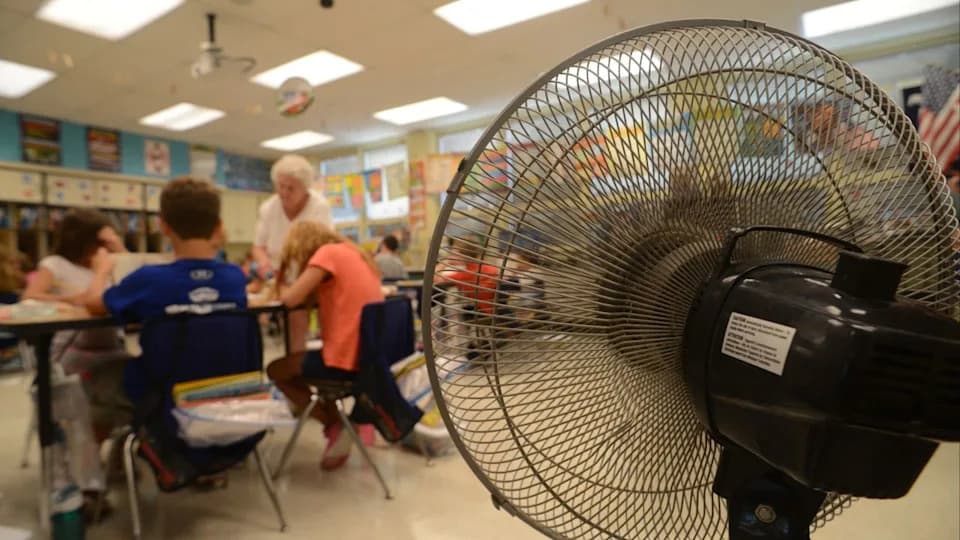
Schlick highlights several vulnerabilities specific to Massachusetts: about one in five public schools lacks adequate cooling, roughly 20% of the workforce is regularly exposed to high workplace temperatures, and many communities — especially low-income neighborhoods — face compounded risks from reduced tree canopy and other local inequities.
Clark University Dean Lou Leonard warned of a growing mismatch between existing infrastructure and hotter conditions. Researchers at Clark have tracked the relationship between urban tree canopy and heat for 25 years, finding that declines in tree cover across parts of New England have contributed to higher peak summer temperatures in some areas.
"The impacts of climate change are undermining our natural cooling infrastructure," Leonard said. "Extreme heat triggers other problems with housing, schooling and infrastructure."
Statewide and Local Solutions
Massachusetts plans to combine technical data, public-health analysis and community partnerships to reduce heat risks. Initiatives include expanding urban tree planting (particularly in lower-income neighborhoods), addressing school cooling deficits, and exploring protections for workers on very hot or smoky days.
Schlick also emphasized the value of cross-state learning: states such as Arizona are providing useful models for using public-health data to guide heat response. Massachusetts hopes its approach can become a model for other northern states that historically focused more on cold-weather risks.
Clark University has partnered with the state’s Department of Conservation and Recreation for the past decade to expand canopy cover in vulnerable neighborhoods, and researchers continue to study which tree species and planting strategies best reduce urban heat.
Bottom line: Rising temperatures are creating new public-health and infrastructure challenges in places not traditionally associated with extreme heat. Massachusetts’ new heat resilience officer, partnerships with universities and targeted investments aim to reduce risks and build local capacity for hotter summers ahead.
Originally published on Forbes.com
Help us improve.