The U.S. Fish and Wildlife Service finalized a 2024 plan to remove barred owls across parts of the West Coast to protect threatened northern and California spotted owls. Licensed teams use recorded calls to lure barred owls and then lethally remove or euthanize them, a campaign already underway on Yakama Nation lands in Washington. Supporters say the cull is necessary after spotted owl numbers fell as much as 90% in some areas; critics call the effort unjust, question its long-term effectiveness, and warn it could be used to justify more logging.
West Coast Plan to Cull Barred Owls to Save Spotted Owls Sparks Fierce Controversy
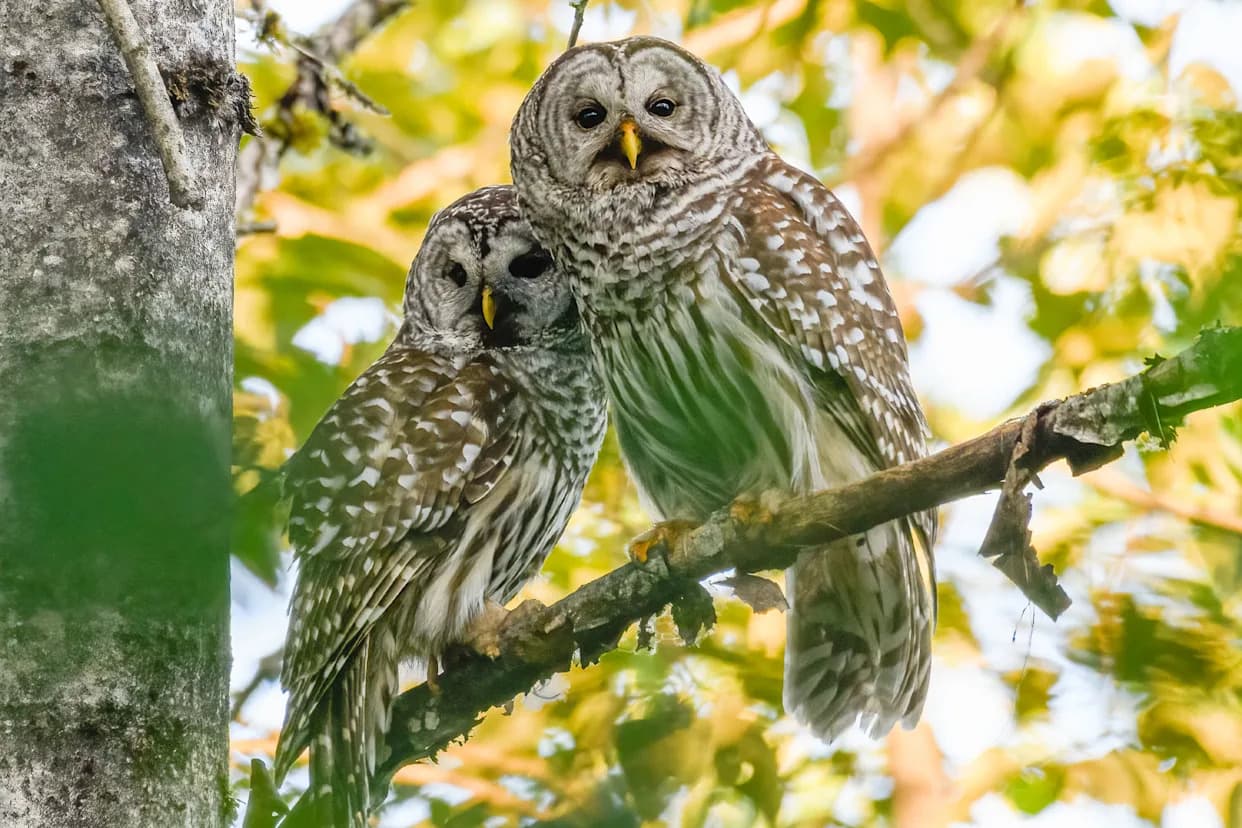
The U.S. Fish and Wildlife Service finalized a controversial barred owl management plan in 2024 that will authorize large-scale removals of barred owls across parts of the U.S. West Coast to protect threatened northern and California spotted owls.
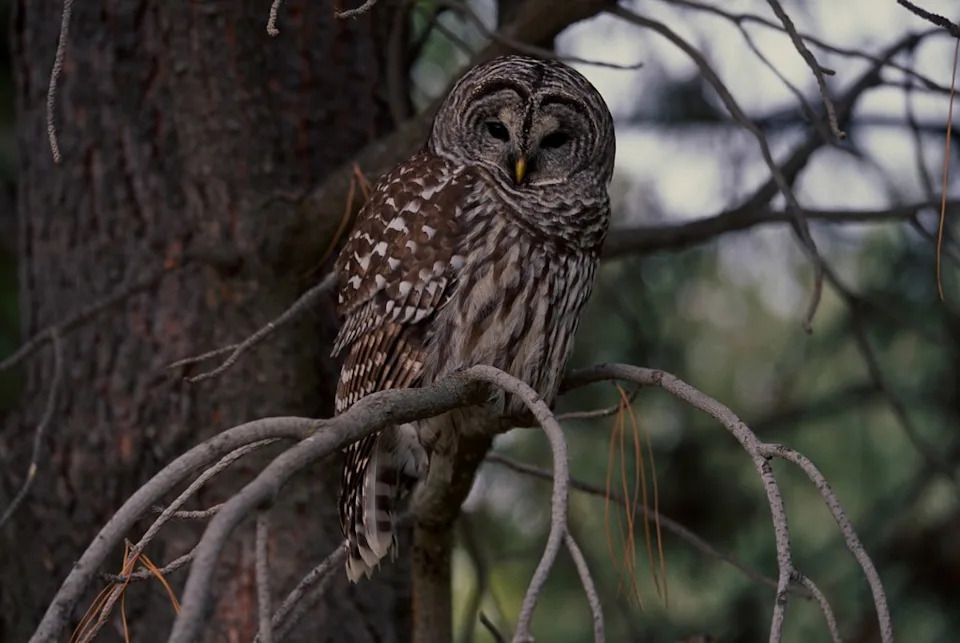
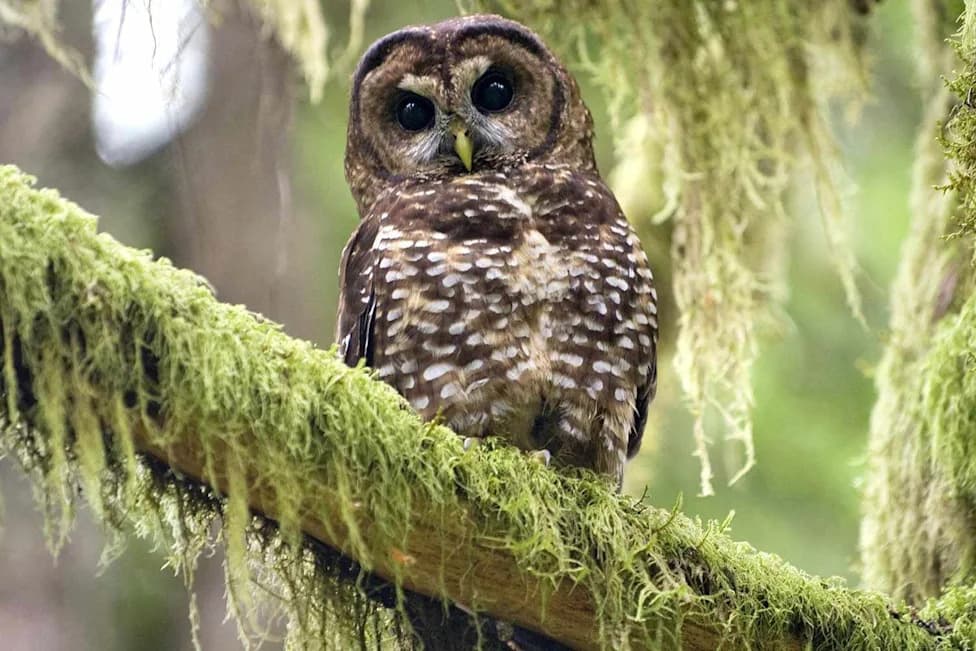
Barred Owls stand accused of attacking hikers and helping drive a threatened species toward extinction — and now tens of thousands of them could be killed each year Ray Bosch/USFWS
What The Plan Entails
Under the federal strategy, trained contractors licensed by state and federal wildlife agencies use recorded owl calls to lure barred owls into range and then lethally remove them with shotguns; some birds may be trapped and humanely euthanized. Officials estimate the effort could remove tens of thousands of barred owls annually in some regions and continue for up to 30 years in parts of the West. The removals are not public operations.

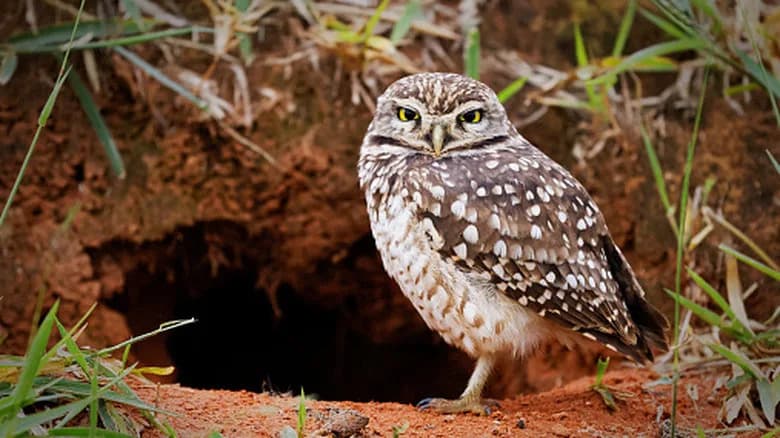
The Yakama Nation has reportedly begun barred owl management on reservation lands and is currently the first and only group in Washington actively carrying out the cull. Jon – stock.adobe.com
Where It’s Already Happening
The Yakama Nation has begun barred owl management on reservation lands in Washington and is currently the only group in that state publicly carrying out removals. Federal and state wildlife agencies say the actions are needed now to halt rapid declines in spotted owl populations.
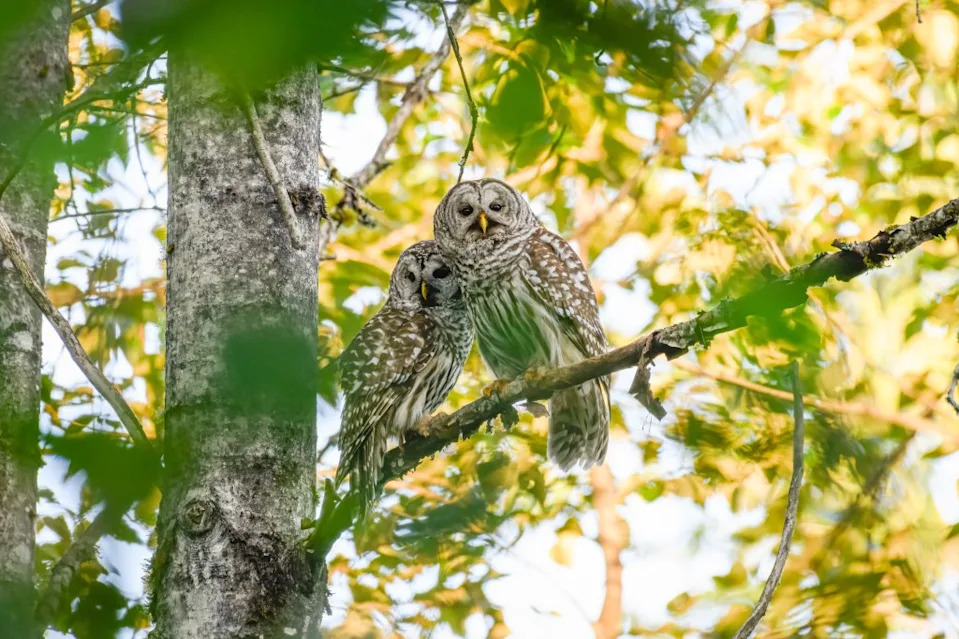
Federal wildlife officials argue the action is necessary to protect northern spotted owls, which are listed as threatened under the Endangered Species Act. IanDewarPhotography – stock.adobe.com
Why Supporters Back the Cull
Supporters argue the larger, more aggressive barred owl is displacing endangered northern spotted owls and California spotted owls, taking over territory and nesting sites. The Washington Department of Fish and Wildlife reported in 2024 that northern spotted owl numbers have dropped by as much as 90% in some federal forest landscapes, with barred owls cited as a major factor.
“Barred owls outcompete spotted owls and are driving the species to extinction,” said Tom Wheeler, executive director of the Environmental Protection Information Center.
Criticism And Concerns
Animal-rights groups and some conservationists strongly oppose the program, saying it punishes a species for a natural westward range expansion that has occurred over decades. Opponents warn that juvenile barred owls could recolonize cleared areas, undercutting long-term success, and that the removal program could be used to justify increased logging by shifting attention from habitat loss.
“All species are range-expanding,” Wayne Pacelle, president of Animal Wellness Action, told reporters. “Moving from the Dakotas to Washington state is not that far.”
Legal Challenge And Next Steps
Opponents have asked a federal court in Portland to block the plan, arguing that officials should not authorize what they describe as the mass killing of birds that were protected under the Migratory Bird Treaty Act for more than a century. For now, wildlife managers continue some removals while legal and public debates play out.
Bottom line: The program pits an urgent conservation effort to save threatened spotted owls against ethical, ecological and legal objections to killing a native, range-expanding species. The debate touches on broader issues of habitat loss, forest management and how best to intervene in ecosystems under stress.
Help us improve.