Wild at Heart and Longroad Energy relocated 19 burrowing owls to artificial tunnels on a large solar farm in Maricopa County, Arizona. All females laid eggs within a month, and the group produced 29 owlets over three months; most adults later dispersed. The project shows that, when managed thoughtfully, solar installations can support species conservation and be designed to benefit other wildlife and habitat recovery.
How a Phoenix-Area Solar Farm Became a Surprising Refuge for Burrowing Owls
Mauricio Ferreira/Getty Images
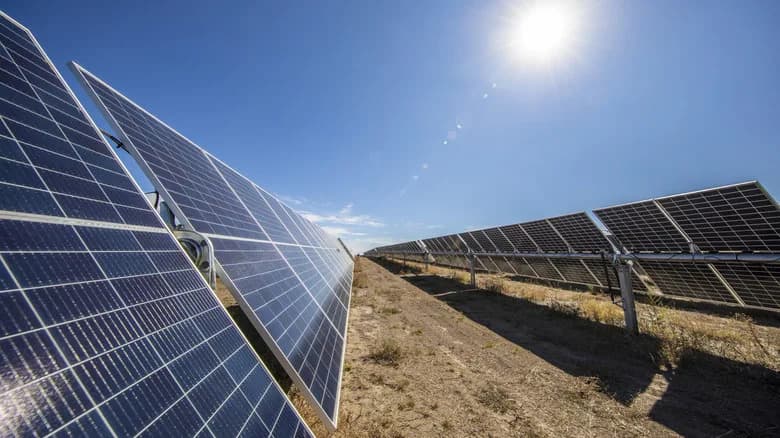
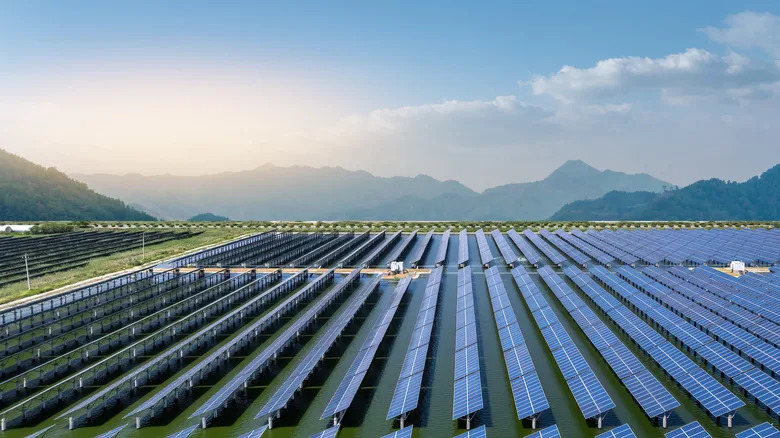
Solar power is widely praised for producing clean electricity and cutting air pollution, but large photovoltaic installations can also deliver unexpected ecological benefits. In Maricopa County, Arizona — home to Phoenix and one of the US regions with the highest concentration of solar panels — a conservation experiment showed how thoughtfully managed solar farms can support wildlife.
Relocation Project: Wild at Heart and Longroad Energy
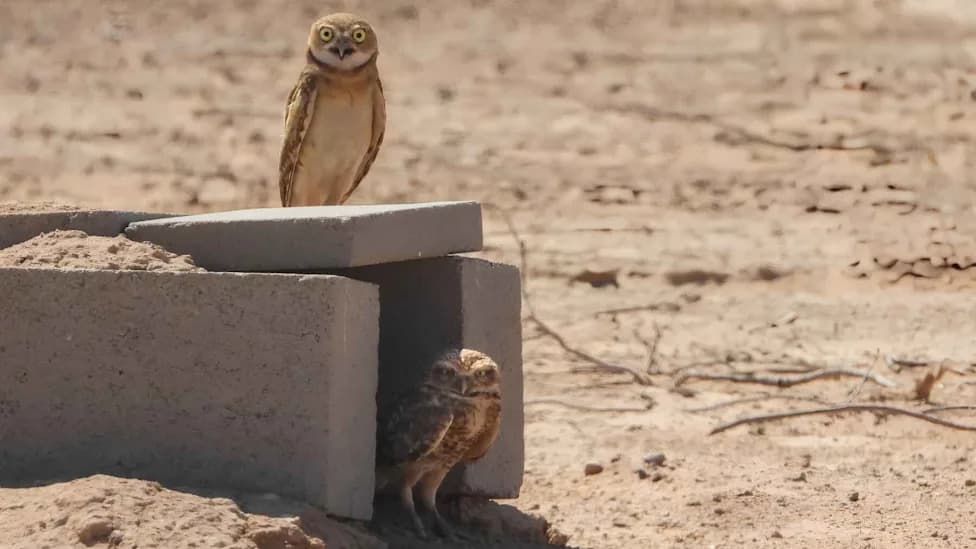
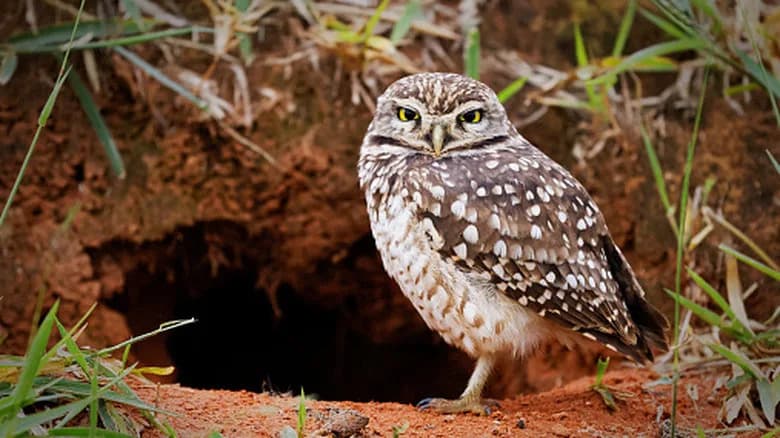
Local raptor rescue group Wild at Heart partnered with Longroad Energy to test whether a utility-scale solar farm could serve as a viable habitat for displaced burrowing owls. According to reporting by Audubon, the team moved 19 burrowing owls (nine pairs and one bachelor) from a housing development scheduled for construction into artificial tunnels placed on a solar array. Researchers monitored the birds through the breeding season and provided supplemental food while the owls acclimated.
Rapid, Measurable Success
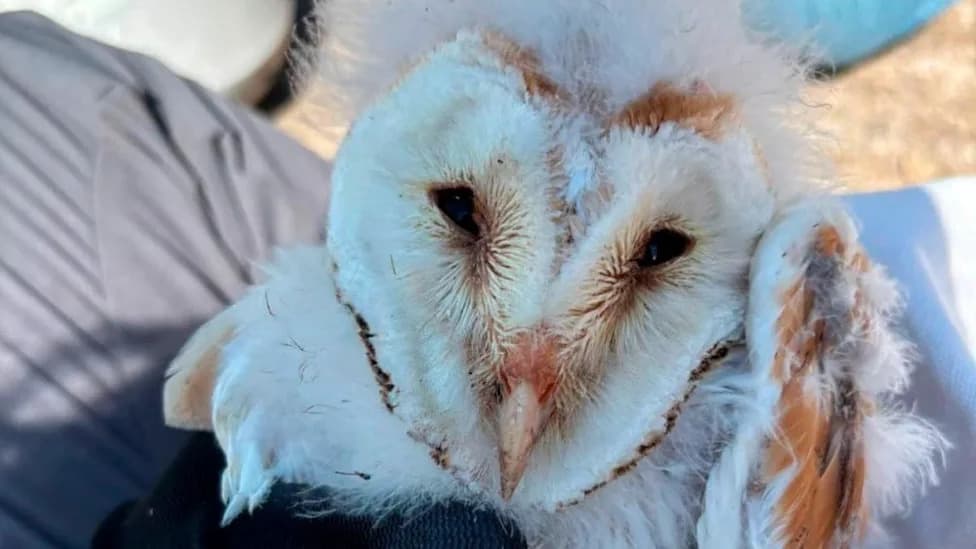
The owls adapted quickly — aided by the species' preference for occupying existing burrows rather than digging their own. Within one month all females had laid eggs, and over three months the relocated birds produced 29 owlets. Most adults dispersed after the season, an expected and desirable outcome; however, three pairs remained at the site as of December 2025.
4045/Getty Images
Conservation Significance
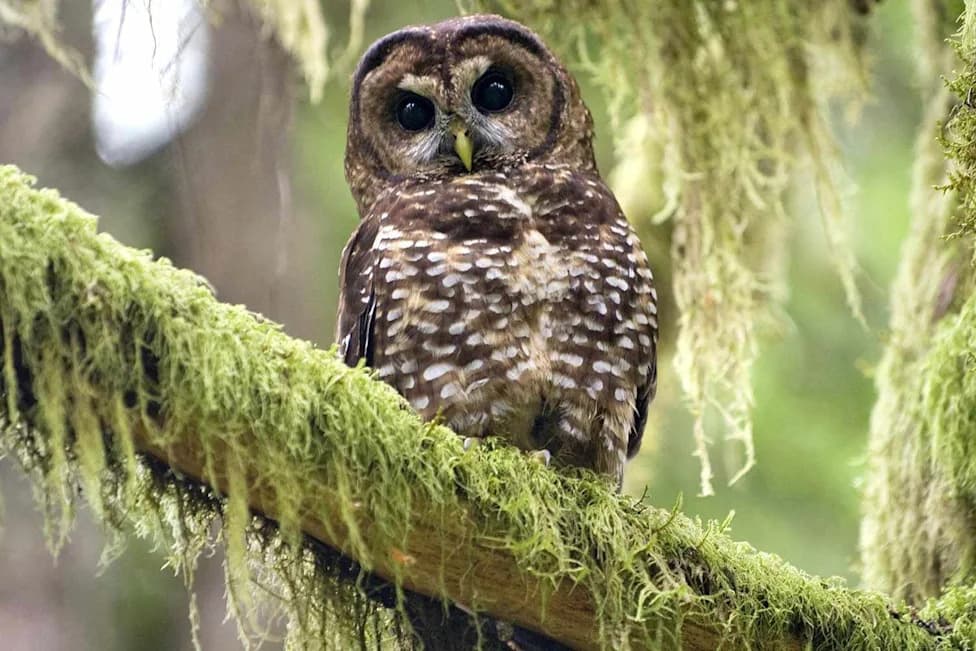
These results are encouraging for conservationists. Burrowing owls are protected under the Migratory Bird Treaty Act and appear on the U.S. Fish and Wildlife Service's Birds of Conservation Concern list. Their main threats include habitat loss, pesticide exposure, hunting, and extreme weather events made more frequent or severe by climate change. Well-designed relocation and habitat management projects at solar facilities can help rebuild local populations and reduce pressure on fragile ecosystems.
Other Wildlife-Friendly Solar Approaches
Solar installations elsewhere are also being modified to support biodiversity: in central California, some sites use fencing that admits the endangered San Joaquin kit fox while keeping larger predators out; a proposed facility in Oregon plans a large wildlife corridor to avoid disrupting deer and elk migrations. Additionally, degraded land beneath panels can recover, allowing native plants and soil microbes to reestablish and improving habitat quality.
Bottom line: Expanding solar energy need not be at odds with wildlife conservation. With planning, monitoring, and targeted design, solar farms can mitigate habitat loss and even provide safe havens for some threatened species.
Continued partnerships between energy developers, rescue groups, and wildlife scientists — plus longer-term monitoring — will clarify how widely transferable these successes are and help inform best practices as solar capacity grows.
Help us improve.