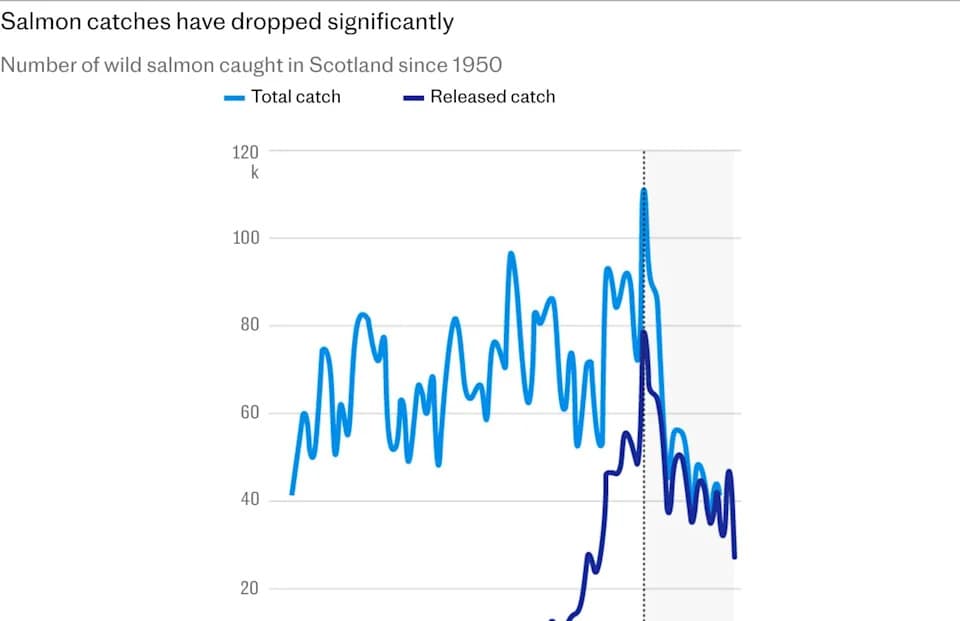
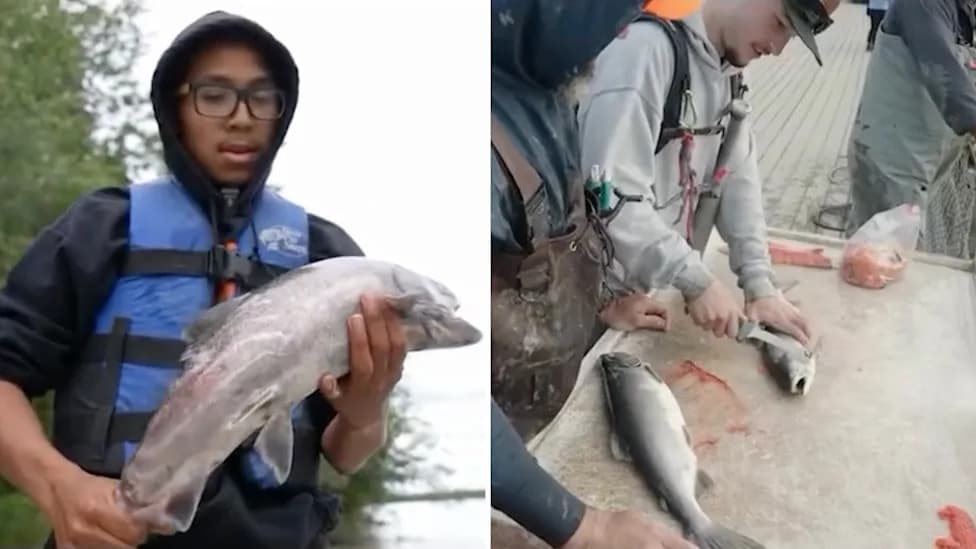
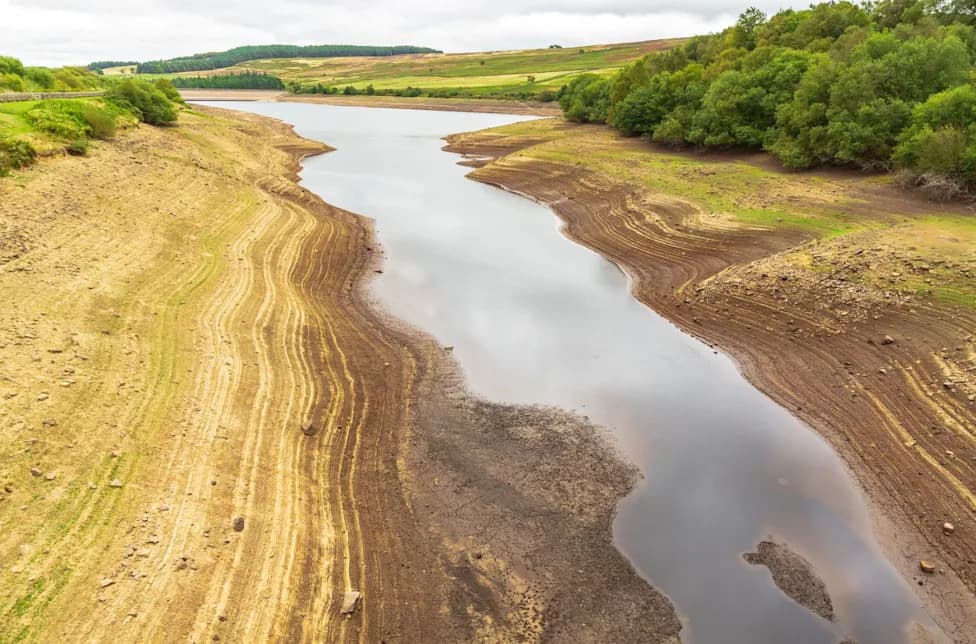
Freshwater vertebrate populations have fallen by about 83% since 1970, a decline highlighted in an Instagram Reel by Zephyr Zoidis. The drop is driven by multiple pressures — overfishing, dams, water extraction, invasive species and pollution (including PFAS) — with industrial agriculture a major freshwater user and polluter. The Klamath River recovery, where thousands of Chinook salmon returned after restoration, shows rivers can rebound quickly when key threats are removed. Experts call for restoring connectivity, cutting pollution and protecting habitat to safeguard food security and livelihoods.
Freshwater Vertebrates Plummet ~83% Since 1970 — Dried Rivers Are a Global Red Flag
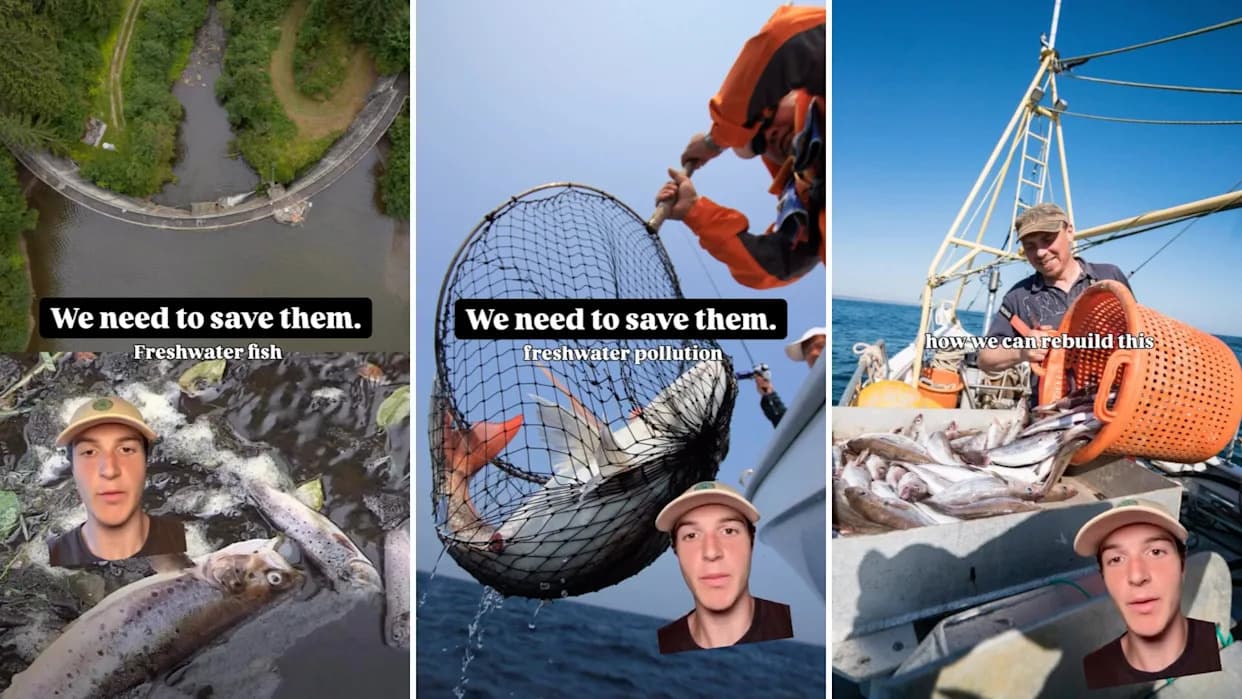
Photo Credit: Instagram
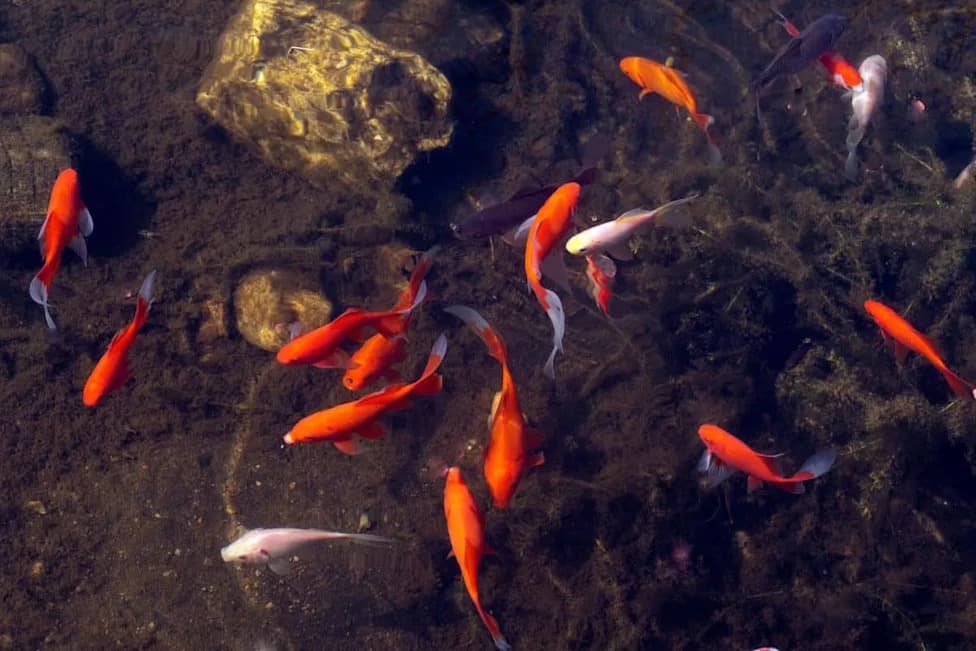
Freshwater vertebrate populations have fallen by roughly 83% since 1970, a dramatic decline highlighted in an Instagram Reel by environmental creator Zephyr Zoidis. The loss of fish and other river species is more than a biodiversity story — it signals threats to food, jobs, culture and the resilience of communities that depend on healthy waterways.
What's Driving the Decline?
The Reel and accompanying coverage point to multiple, interacting pressures rather than a single cause. Key drivers include:
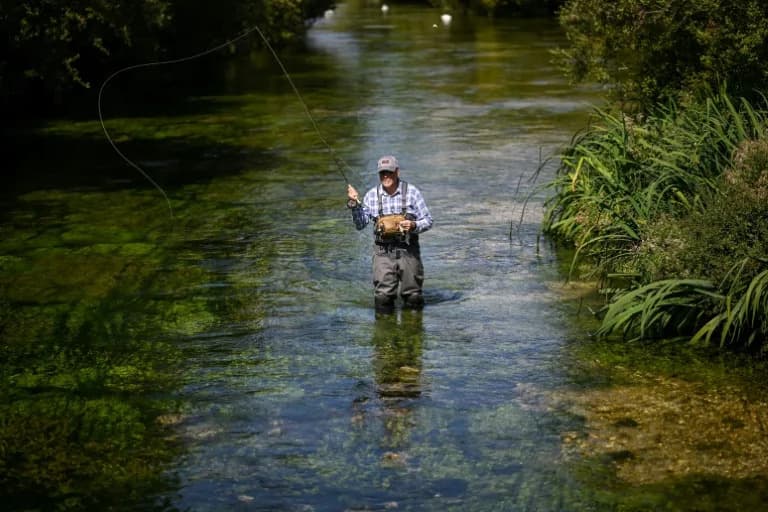
- Overfishing: Intensified commercial and recreational harvests deplete populations faster than they can recover.
- River Fragmentation: Dams and other barriers block migration routes and isolate populations, reducing genetic diversity and access to spawning grounds.
- Water Extraction: Excessive withdrawals for agriculture, industry and cities lower flows and dry out habitats.
- Invasive Species: Non-native plants and animals can outcompete or prey on native species.
- Pollution: Runoff, chemical contaminants and emerging pollutants such as PFAS degrade water quality and harm aquatic life.
Agriculture, Markets and Pressure on Rivers
Zoidis highlights industrial agriculture as the world’s largest user of freshwater and a major pollution source. He also warns that consolidation in agribusiness concentrates market power in a few large firms, pushing smaller producers out and incentivizing extractive practices that further stress land and water.
Why This Matters Locally and Globally
When freshwater fish decline, impacts ripple through communities. Rivers provide food, support commercial and recreational fisheries, and sustain cultural traditions. Polluted or altered waterways reduce resilience, undermine food security, and shrink economic opportunities tied to healthy river systems.
Recovery Is Possible — The Klamath Example
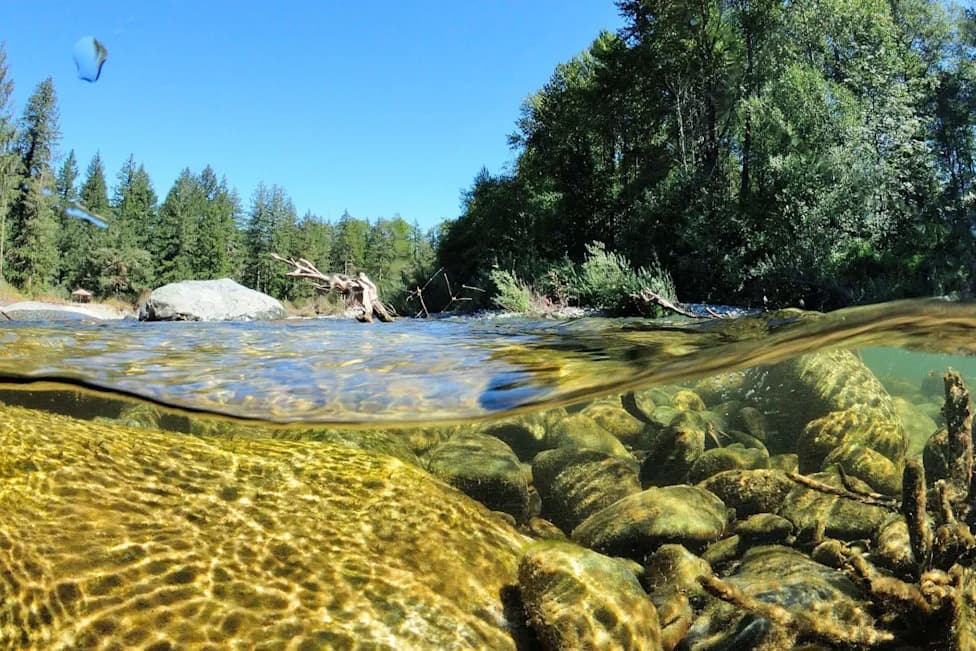
Zoidis points to the Klamath River as evidence that freshwater systems can rebound rapidly when key pressures are removed. After restoration work reopened blocked stretches, more than 6,000 Chinook salmon were observed migrating upstream in just two weeks. A year later, scientists reported salmon returning across nearly the full extent of their historic habitat — showing that targeted restoration, habitat protection and improved connectivity can yield fast, visible results.
Solutions and Actions
Experts and advocates emphasize approaches that tackle root causes rather than symptoms: restoring river connectivity, reducing pollution and nutrient runoff, protecting and restoring habitat, supporting sustainable fishing practices, and favoring local, traceable seafood and freshwater management that centers communities.
“When causes are addressed, freshwater fish populations can recover with stunning speed.”
Addressing these challenges will require coordinated policy, stronger water-quality protections, changes in agricultural practice and investment in river restoration — but the Klamath example shows that the benefits can be immediate and widespread.
Help us improve.