New experimental lake studies from the University of Missouri and the University of Toledo show that released goldfish can rapidly grow, disturb sediments and cause clear lakes to become turbid. Populations of snails, amphipods and zooplankton fell sharply, and native fish showed declines in body condition. Researchers recorded a rapid "regime shift" and urge treating goldfish as a high-priority invasive species, emphasizing prevention, early intervention and public education.
Don’t Release Goldfish Into Lakes — How One Pet Can Trigger a Collapse of a Freshwater Ecosystem
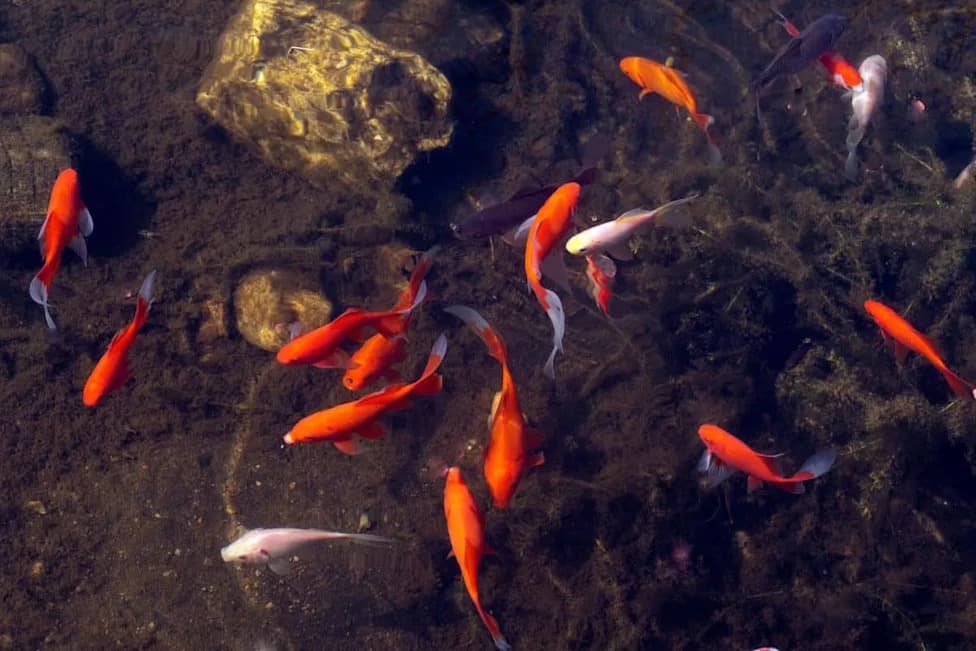
Never release your goldfish into a lake, and here's exactly what happens next© emer1940/ via Canva.com
Goldfish are familiar pets — found in classrooms, home aquariums and backyard ponds. New experimental research from the University of Missouri and the University of Toledo shows that releasing these seemingly harmless animals into lakes and ponds can produce rapid, large-scale ecological harm.
What the Study Did
Researchers built experimental lakes that represented two common conditions: nutrient-rich and nutrient-poor waters. They introduced goldfish and tracked physical, chemical and biological changes over time to measure the broader ecological ripple effects of the introductions.
Key Findings
The study found that released goldfish often grow much larger than their captive counterparts and change their behavior in ways that damage freshwater systems:
- Goldfish dug into and resuspended bottom sediments, rapidly increasing water turbidity and changing light and chemical conditions.
- Populations of small invertebrates — including snails, amphipods and zooplankton — declined sharply, both from direct predation and from habitat destruction.
- Native fish experienced reduced body condition, likely from intensified competition for food and altered habitat.
"If goldfish are released into the wild, they rapidly grow into very large fish that stir up lake sediments, consume large numbers of prey, and compete with native fish," said Professor Rick Reylea, a co-author of the study.
Regime Shifts and Long-Term Risk
Ecologists observed a "regime shift": lakes moved from balanced, clear-water states to degraded, turbid states. Such reorganization can happen quickly and is often difficult and expensive to reverse, putting whole food webs and water quality at risk.
Recommendations
The research team urges treating goldfish as a high-priority invasive species. Their recommended actions include:
- Prevention: Never release aquarium pets into natural waterbodies.
- Early Intervention: Rapid response to new sightings to prevent population establishment.
- Public Education: Inform pet owners about ecological consequences and safe alternatives (re-homing, shelters, or responsible disposal).
Bottom line: What may seem like a humane act — letting a pet go free — can become an ecological disaster. Protecting freshwater ecosystems starts with small choices by pet owners as well as coordinated action by scientists and resource managers.
Help us improve.