The A-10 remains in service because its low operating cost, heavy internal payload and superior cannon capacity make it more efficient for close air support than the F-35A. Secretary of the Air Force Troy Meink delayed full retirement to 2030 after A-10s proved valuable in Operation Epic Fury. Lower F-35 sortie efficiency, higher flight-hour costs, and shrinking A-10 sustainment infrastructure complicate a full transition.
Why the A-10 Warthog Still Won’t Be Fully Replaced: Cost, Combat Performance, and Logistics
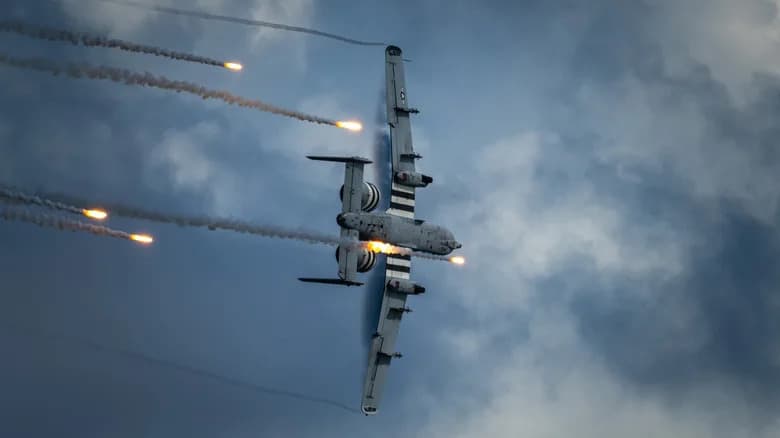
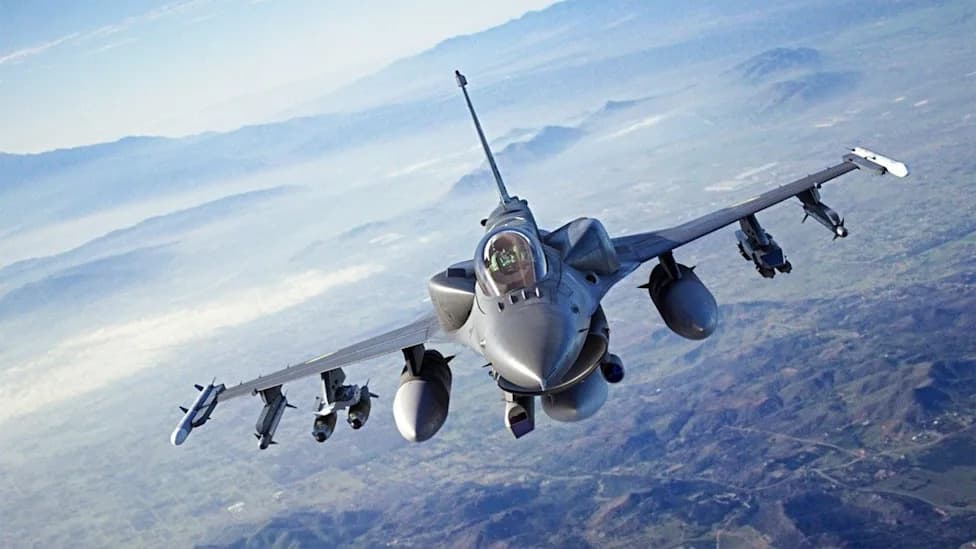
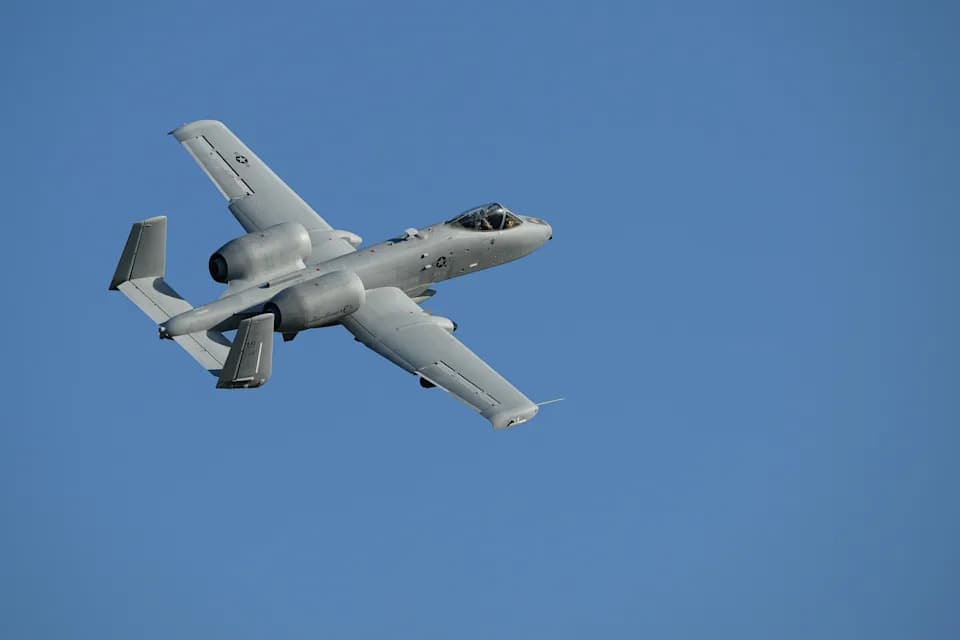
A-10 Warthog releases flares at an Air Show - USAF
The US Air Force has repeatedly tried to retire the A-10 Thunderbolt II, but hard numbers and recent combat performance have kept the jet in service. Cost, payload, and readiness figures make replacing the Warthog with the F-35A Lightning II far more complicated than public affection for the aircraft alone.
Cost Drives the Debate
Operating cost: By the Air Force’s accounting method the A-10 costs roughly $6,000 per flight hour, while the F-35A runs about $35,000 per flight hour. That gap is central to the decision to delay retirement: in late April 2026 Secretary of the Air Force Troy Meink confirmed the service will not fully retire the A-10 until 2030, reversing plans to end A-10 operations in 2026 and keeping three squadrons active through that date.
Sortie Efficiency and Payload
Per-hour figures only tell part of the story. A redacted Air Force flyoff report, obtained by the Project on Government Oversight, found the F-35 required more sorties than the A-10 to achieve the same number of target engagements. That compounds cost: you pay a higher hourly rate for more missions.
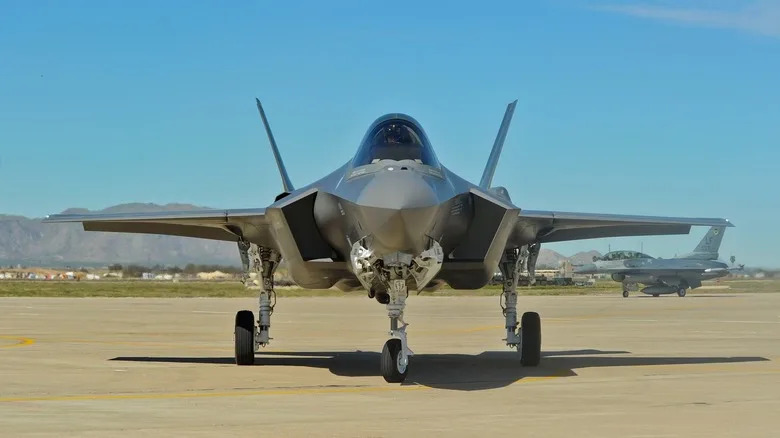
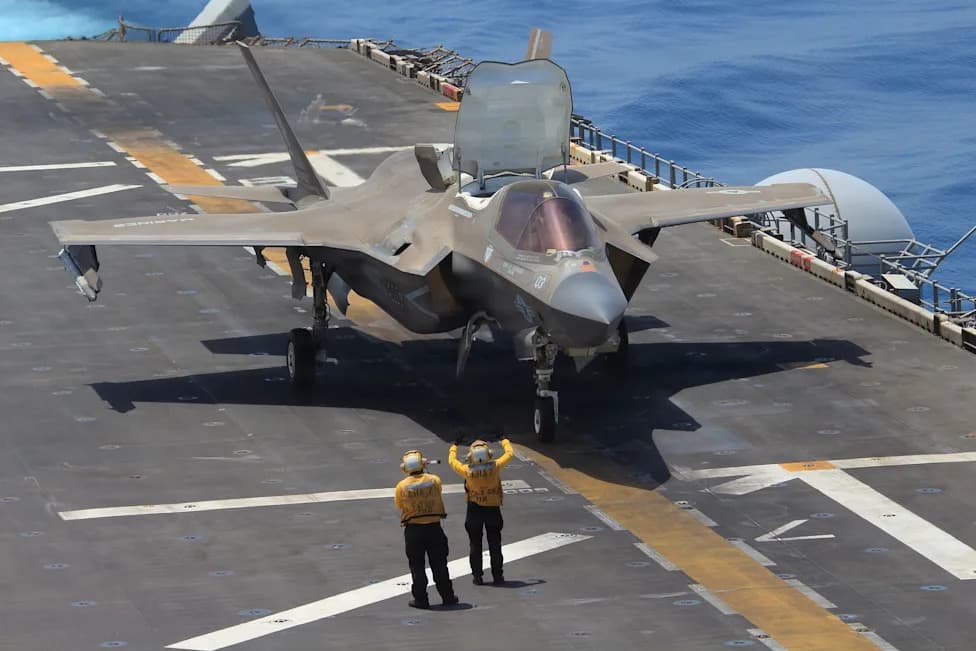
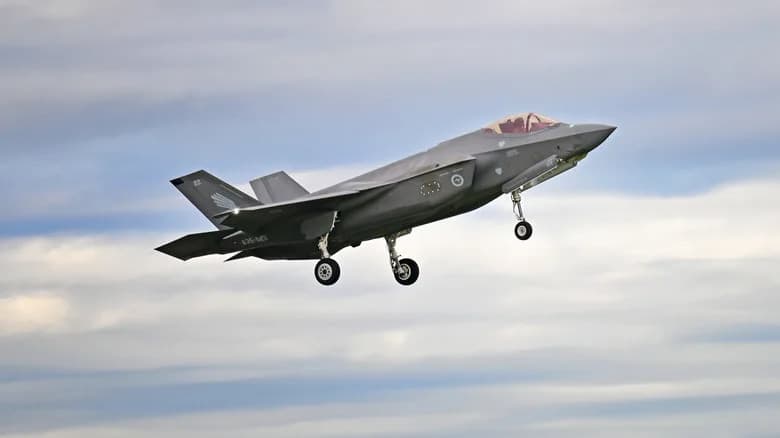
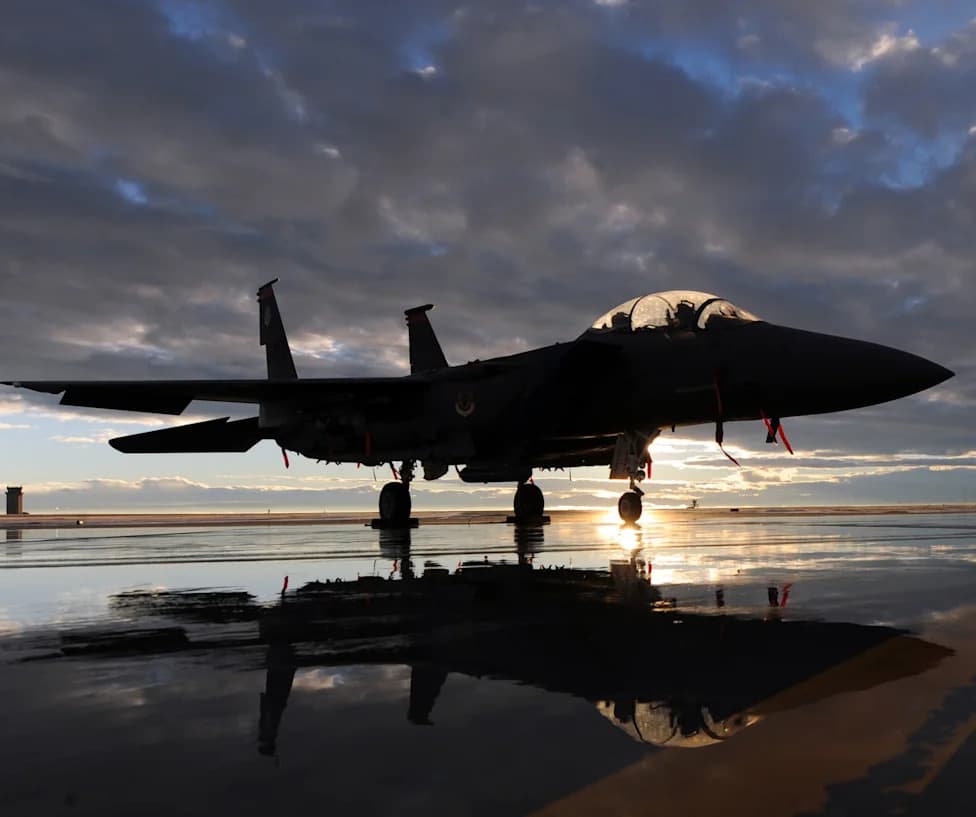
An F-35 stands on the runway - USAF
Internal weapon capacity: A fully loaded A-10 can carry up to 16 GBU-39 small-diameter bombs internally, whereas the F-35—when preserving stealth by keeping weapons inside its bay—carries around eight. The A-10’s GAU-8/A 30mm cannon magazine holds roughly 1,174 rounds, compared with the F-35A’s GAU-22 magazine at about 182 rounds. For close-in strafing and sustained gun runs, the A-10’s firepower and ammunition capacity are far greater.
Readiness and Field Performance
Mission-capable rates (FY2024): A-10 — 67%; F-35A — 51.5%. Lower readiness for the F-35A means a larger share of that fleet may be unavailable on any given day, further affecting operational availability and campaign planning.
Combat experience also influenced policy. During Operation Epic Fury, A-10s engaged Iranian fast-attack boats in the Strait of Hormuz, provided close air support over Iraq and Syria, and on April 3 penetrated Iranian airspace to assist in rescuing the crew of a downed F-15E Strike Eagle. Those actions highlighted the A-10’s unique role in contested, low-altitude close air support (CAS) missions.
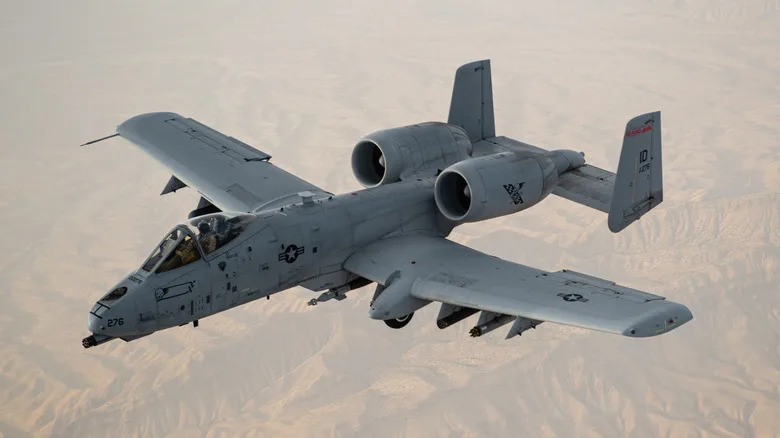
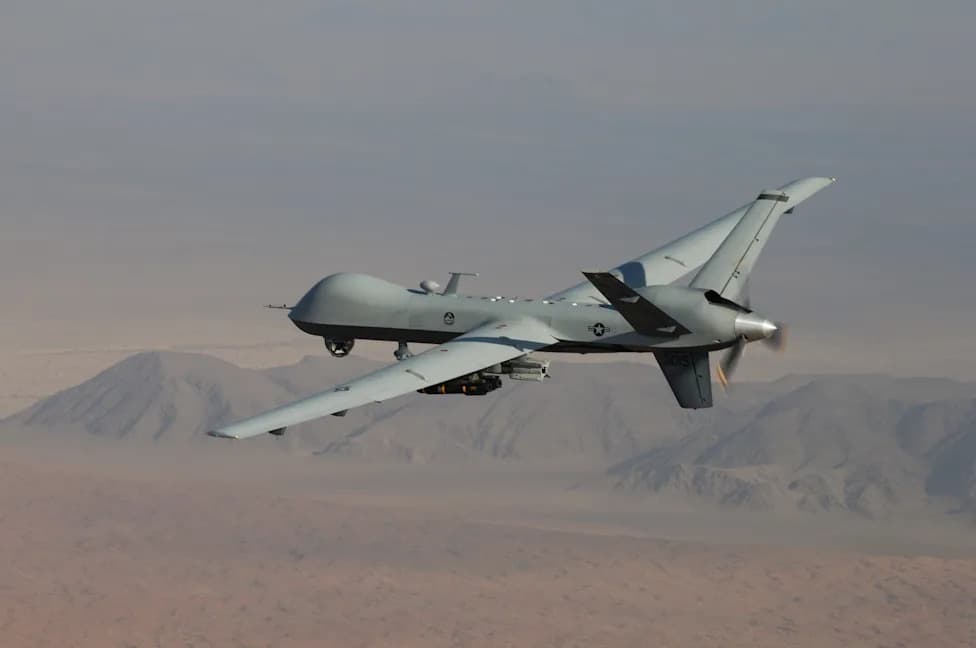
An A-10 Thunderbolt II flies over the US Central Command - USAF
Design, Numbers, and Sustainment Limits
The A-10’s low operating cost is rooted in a simple, rugged design. Introduced in 1976 and produced through 1984, 715 airframes were built at Fairchild Republic’s Hagerstown, Maryland factory. Today roughly 162 A-10s remain operational. Key design features include twin TF34 turbofan engines mounted high on the rear fuselage, a titanium armored tub protecting the pilot, and the signature GAU-8/A cannon that produces the familiar "brrrt."
However, sustainment is becoming harder. No new A-10s have been built in more than 40 years, upgrades have been expensive, and supporting infrastructure is shrinking: heavy maintenance at Hill Air Force Base in Utah ended earlier this year, and the Air Force graduated the final class of A-10 pilots from Davis-Monthan in early April. These trends narrow long-term options and raise questions about post-2030 plans.
Where Things Stand
Officially, the F-35 remains the planned post-2030 replacement, but a combination of much higher flight-hour costs, lower sortie efficiency per target, reduced internal weapons capacity when preserving stealth, smaller cannon ammunition load, and lower mission-capable rates explains why the Air Force has been unable to fully retire the Warthog so far. The decision to extend A-10 service through 2030 buys time to reconcile costs, capability gaps, and sustainment plans.
Bottom line: The A-10 persists not because of nostalgia alone, but because hard metrics—costs, payload, sortie effectiveness, and readiness—still favor the venerable Warthog for many close air support roles.
Help us improve.