Three independent tallies agree losses from Operation Epic Fury are larger and costlier than any single report suggests. MQ-9A Reaper losses range from 24 (CBO) to as many as 47 (OSINT), potentially exceeding $1.4 billion in equipment costs at CBO unit values. CBO's baseline replacement estimate for equipment is about $1.9 billion (rising to ~$3.3 billion to replace all battle losses with current platforms), while munitions and interceptor replacement is estimated at $21.7 billion through Aug. 1. CBO warns depleted interceptor stocks and long production backlogs pose a multiyear readiness risk, particularly for deterrence in the Indo-Pacific.
Operation Epic Fury: Reaper Toll, $1.9B Replacement Bill and a Readiness Alarm

Image: TWZ/Ian Ellis-Jones
Three separate tallies — the Pentagon Lead Inspector General (Lead IG), the Congressional Budget Office (CBO), and open-source intelligence (OSINT) analysts — show U.S. aircraft and equipment losses from Operation Epic Fury are larger, costlier, and more consequential for readiness than any single report suggests.
Key Accounting Differences
Each source uses different cutoff dates and definitions: the Lead IG covers losses through June 30, 2026; the CBO through August 1; and OSINT tracking extends through September 18. Those differences shift headline totals, but the direction is consistent: greater losses, higher replacement costs, and meaningful readiness impacts.
Aircraft Highlights
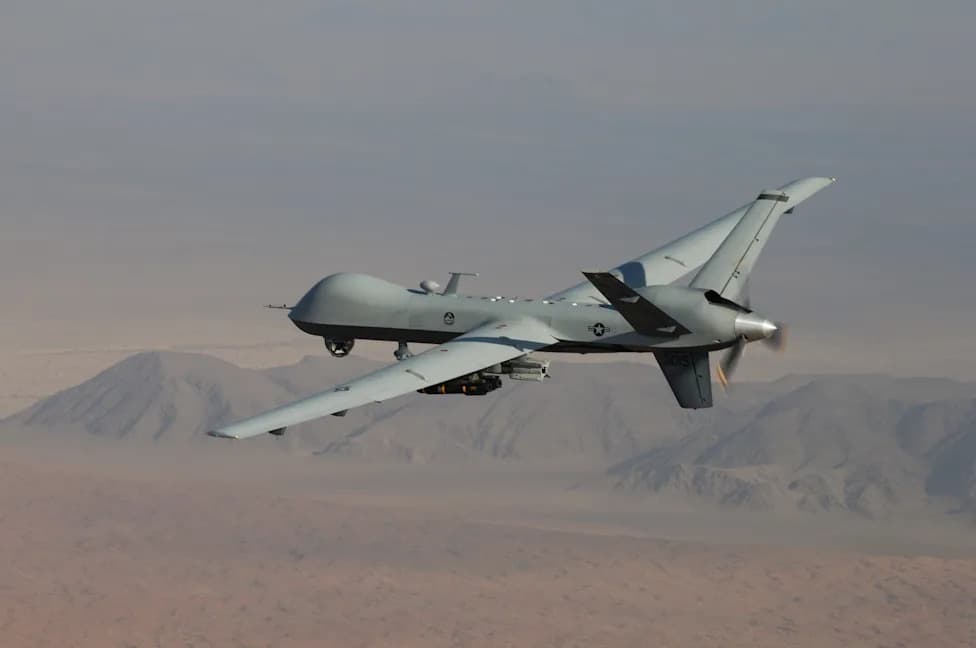
- MQ-9A Reaper: The largest loss by unit count. CBO counted 24 destroyed and used a ~$30 million unit value (≈$720 million). The Lead IG said "as many as 30," and later reporting plus OSINT increased the tally to at least 45, possibly 47 — more than $1.4 billion at CBO unit-cost assumptions. The Air Force inventory reportedly fell from ~165 to ~135 airframes by May; the MQ-9A is no longer in production.
- MQ-4C Triton: One lost over the Persian Gulf in a Class A mishap; valuation ranges ~$150–$238 million depending on accounting.
- MQ-1 Variant: One shot down by Iran over international waters per CENTCOM; public sources did not confirm the specific variant (Predator vs. Gray Eagle).
- F-15E: Four destroyed (three to friendly fire over Kuwait; one shot down over Iran on April 3). Crews were recovered.
- KC-135 Stratotanker: Two destroyed and additional tankers damaged across reports; counts differ between Lead IG and CBO and should be treated as preliminary.
- E-3G Sentry: CBO treated an E-3G struck on the taxiway at Prince Sultan AB as a battle loss with an assigned replacement value near $500 million; the Lead IG categorized it as damaged. Imagery reported by The War Zone indicated severe rear-fuselage damage beyond economical repair.
- MC-130J and Helicopters: Two MC-130J Commando II aircraft and multiple helicopters involved in the Iran rescue operation were deliberately destroyed on a remote airstrip to prevent capture; CBO valued the mission's losses at roughly $422 million and noted discrepancies in helicopter counts between operational reports and its valuation.
- F-35A, A-10C and Other Damage: An F-35A took hostile fire and made an emergency landing (reported as the first known combat strike on an F-35 based on available public reporting). Two A-10Cs sustained damage in separate incidents; other crewed and uncrewed aircraft were reported damaged or lost, with some claims currently unconfirmed.
Unconfirmed And OSINT Claims
Several reported losses rely on open-source analysis or unverified imagery: an AH-64 Apache reportedly shot down near the Strait of Hormuz; a Black Hawk damaged or destroyed near Baghdad by a small kamikaze drone; a CH-47F Chinook image circulated by Iranian media allegedly from Kuwait; and multiple probable H-60 variants reportedly damaged after September 10. These remain unconfirmed by U.S. official inventories and should be treated cautiously.
Costs And Strategic Impact
CBO Estimates: A baseline replacement estimate for equipment (not limited to aircraft) is about $1.9 billion for items the Pentagon currently plans to replace. Replacing all battle losses with currently available platforms raises the estimate to roughly $3.3 billion because some destroyed aircraft are no longer in production.
Other Projections: The War Zone's later projection, which factors in post-August losses and repair costs, suggests aircraft-related costs could exceed $4 billion (this is a projection, not a government figure). For context, substituting an F-35A for a lost A-10C adds ~ $120 million; four F-15Es replaced by F-15EX fighters could add ~ $400 million.
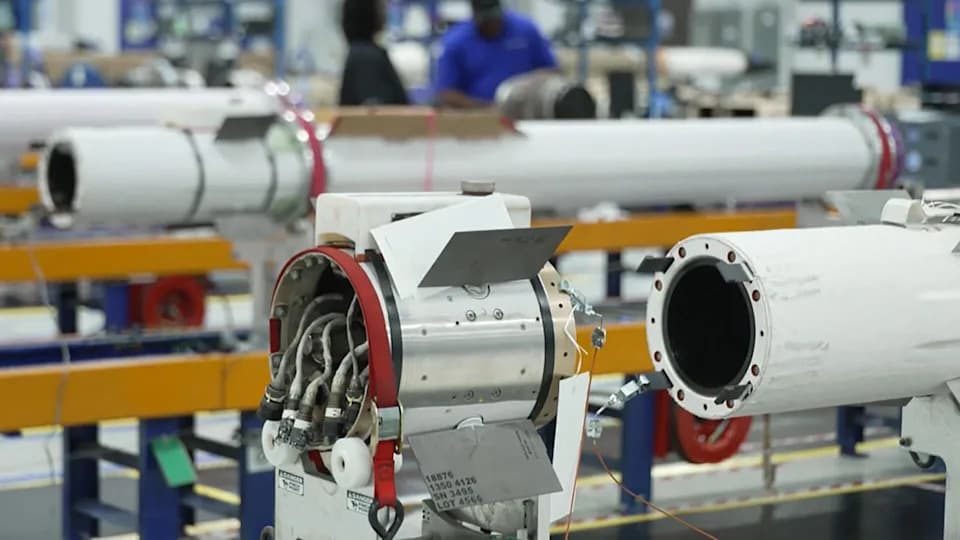
Munitions And Interceptors: Munitions replacement dwarfs airframe costs: CBO estimated roughly $21.7 billion through Aug. 1 (including ~$7.3 billion for land-attack cruise missiles and ~$13.1 billion for missile-defense interceptors). CBO judged that the U.S. likely expended between one-half and two-thirds of Patriot, THAAD, SM-3, and SM-6 interceptors since June 2025.
Readiness Warning: CBO warned that depleted interceptor stocks, multi-year production line backlogs, and an unchanged Pacific deterrence requirement create a readiness shortfall against higher-capacity threats such as China. Replenishment will likely take several years even with production agreements in place.
What To Watch
- Official consolidated accounting from the Pentagon and Lead IG updates to reconcile differing counts.
- Production ramp-up timelines for interceptors and aircraft replacement programs such as Massed Modular Aircraft and F-15EX procurement decisions.
- Verification or refutation of OSINT-identified losses by U.S. authorities.
Sources: Lead Inspector General quarterly report (through June 30, 2026), Congressional Budget Office assessment (through August 1), open-source intelligence through September 18, reporting from The Washington Post, The War Zone, Reuters, and CENTCOM statements.
Help us improve.