The Department of Defense inspector general reports that President Trump’s "Operation Epic Fury" cost $33.4 billion in its first four months, with $22.3 billion spent on munitions. The campaign created strategic inventory shortfalls and revealed industrial bottlenecks, while Iranian strikes destroyed or damaged dozens of aircraft and drones. Emergency response and diplomatic-repair costs add hundreds of millions more, and analysts warn U.S. stockpiles would be far more strained in a larger conflict such as a war with China.
Report: 'Operation Epic Fury' Cost US $33.4B in First Four Months, Exposes Munitions Shortfall
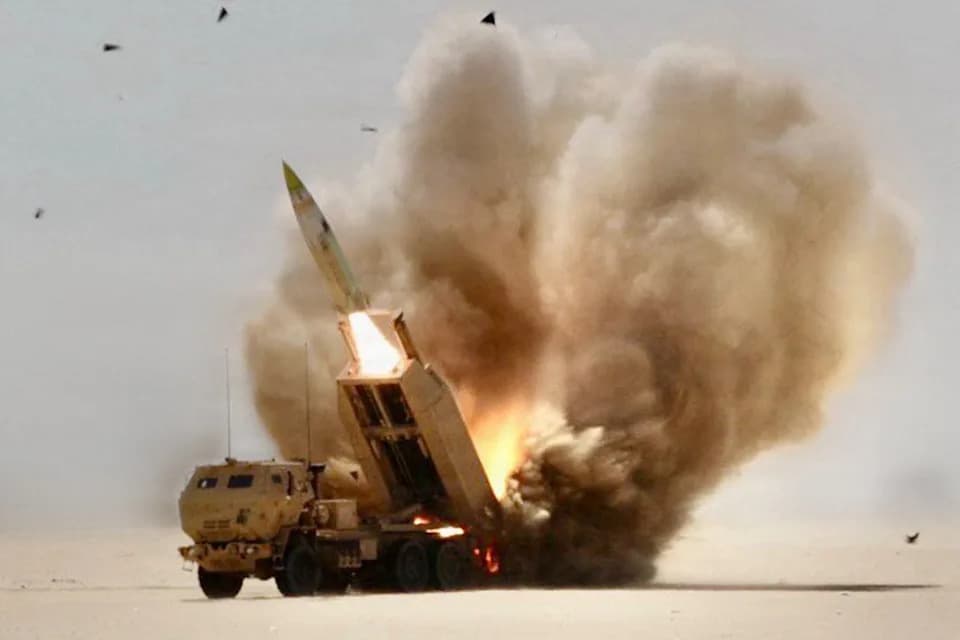
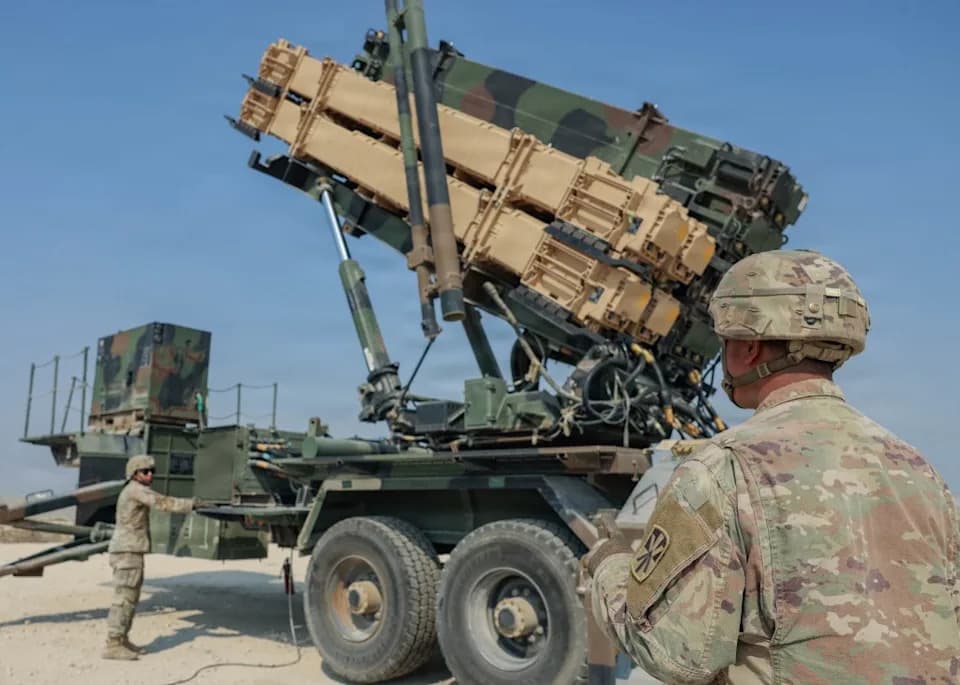
The first four months of Operation Epic Fury against Iran cost the U.S. $33.4 billion, $22.3 billion of which was spent on munitions, according to a report by the Department of Defense's inspector general (U.S. Army)
A Department of Defense inspector general report says President Donald Trump's campaign against Iran, dubbed "Operation Epic Fury," cost the United States $33.4 billion in its first four months and has produced a significant munitions shortfall and supply-chain strain.
Costs, Damage and Supply Strain
The 44-page report to Congress states that between February 28 and June 30 combined U.S.-Israeli operations accounted for $22.3 billion in munitions spending alone. Inspector General Platte B. Moring III warns the campaign "has resulted in strategic inventory shortfalls and revealed industrial base bottlenecks for munitions resupply," noting that consumption has strained both stocks and production capacity.
The report lists damage to U.S. military platforms from Iranian retaliatory strikes: four F-15E fighters and up to 30 MQ-9 Reaper drones were reported destroyed, while one F-35A, seven KC-135 tanker aircraft and seven helicopters were reported damaged.
Replacement and Other Costs
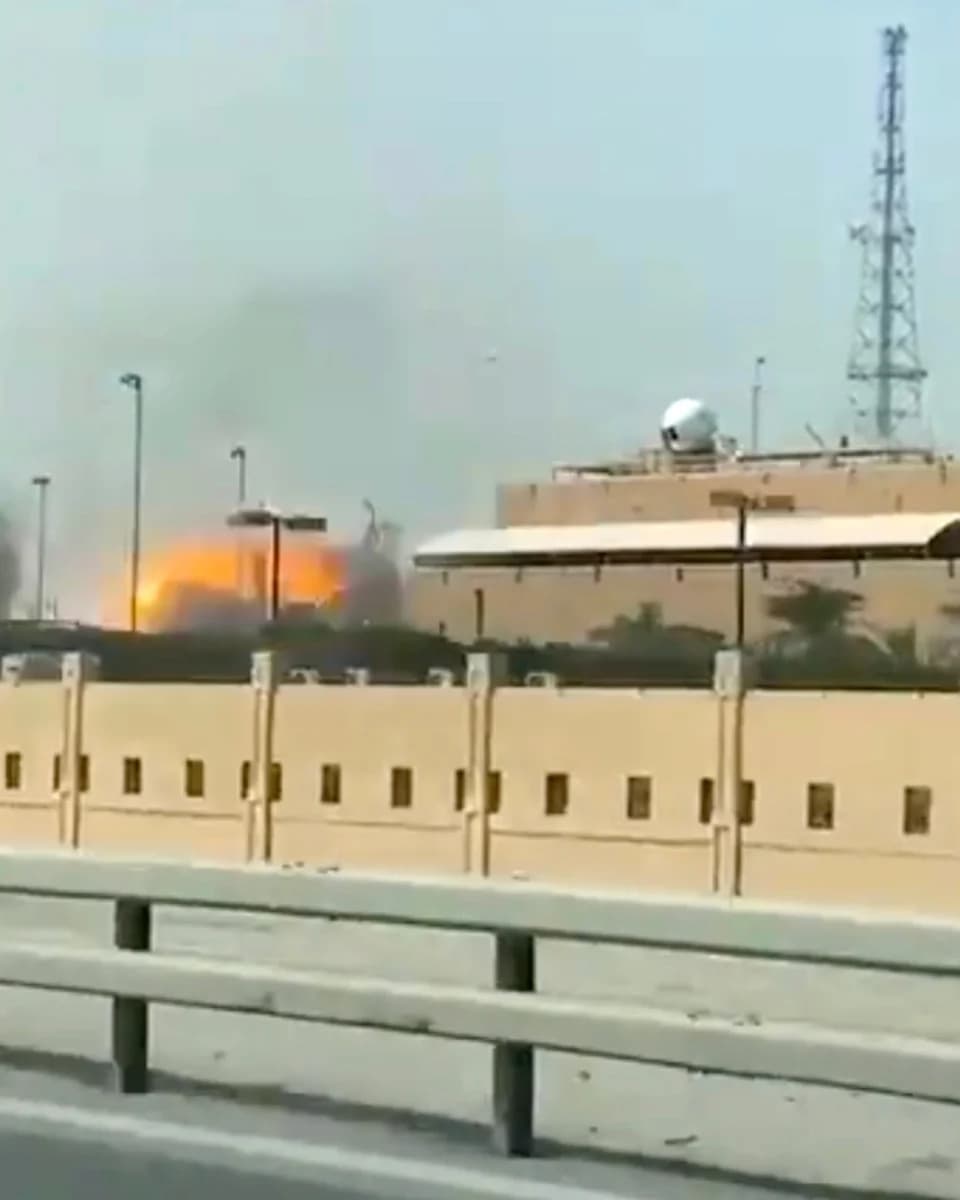
According to U.S. Air Force figures cited in the report, replacing the F-35A compromised by enemy fire would cost about $92 million; an F-15E costs roughly $31.1 million to build, putting the replacement bill for four at about $124.4 million. The Department also recorded $79.2 million in emergency-response expenses (including evacuations for State personnel, U.S. citizens and eligible third-country nationals) and approximately $184 million in reported damage to U.S. diplomatic facilities in Iraq, Kuwait, Saudi Arabia and the United Arab Emirates.
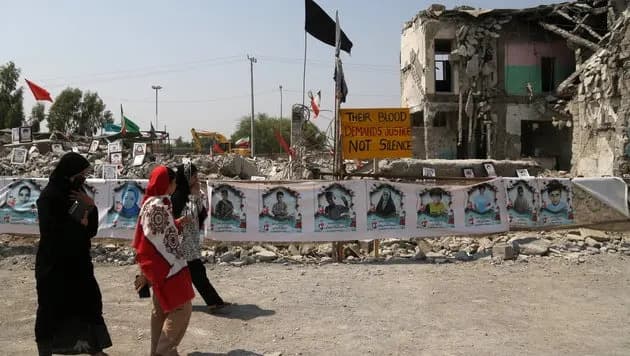
The report also notes additional damage across U.S.-allied Gulf states — including Kuwait, Bahrain, Qatar, the UAE, Saudi Arabia, Iraq, Oman and Jordan — but does not estimate restoration costs where responsibility for repairs remains unclear.
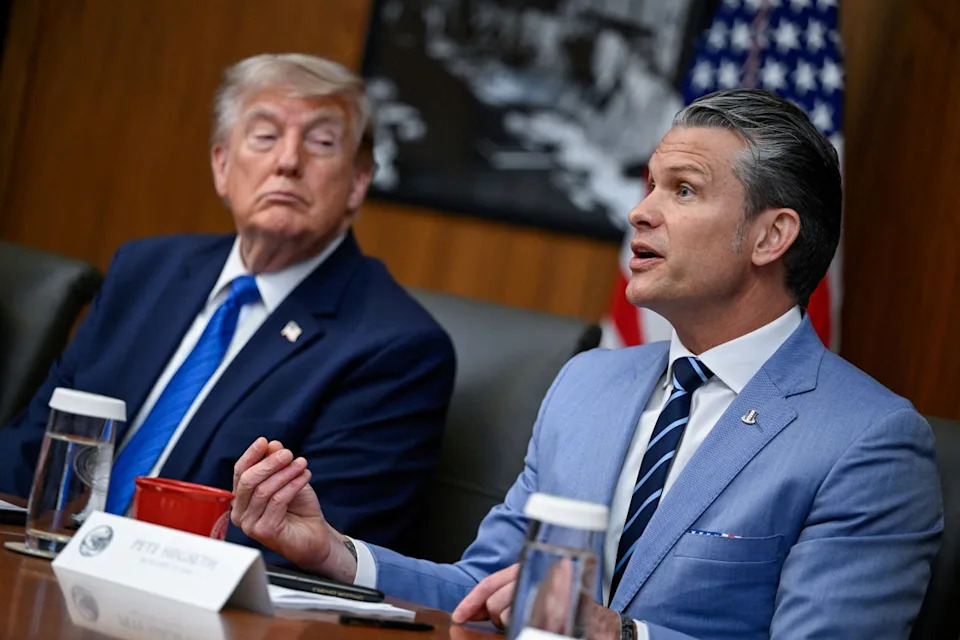
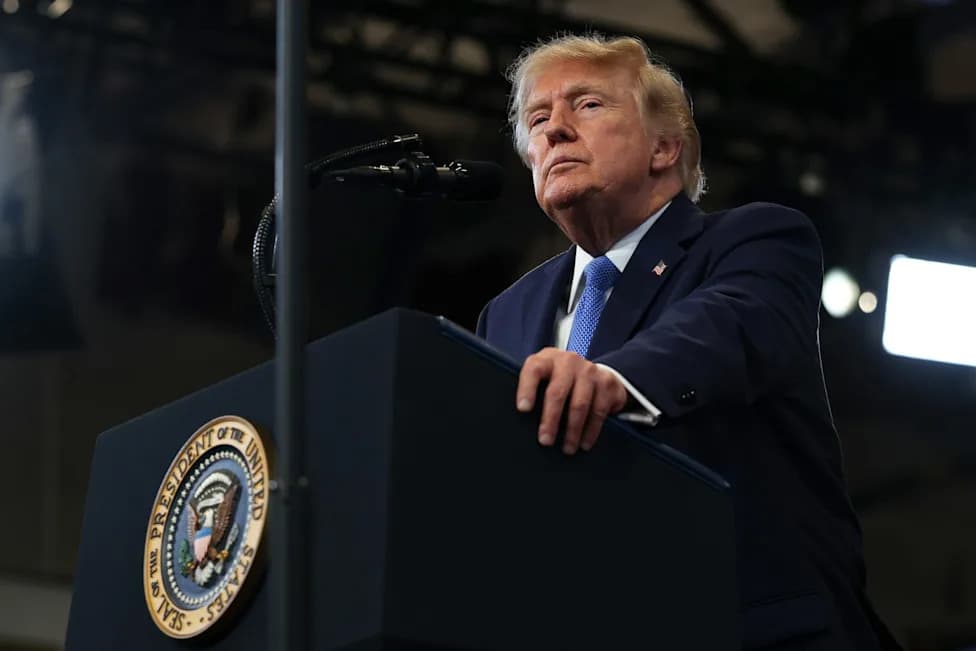
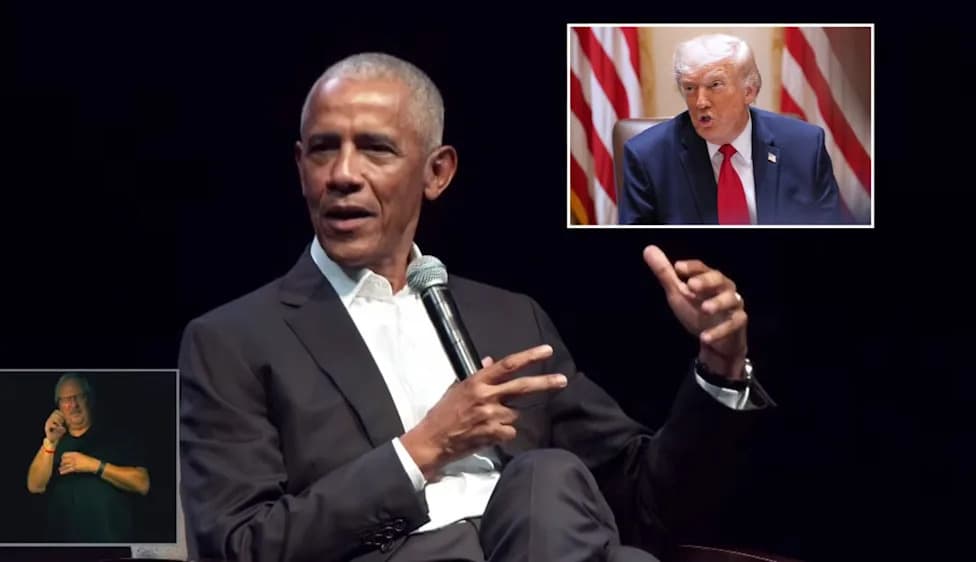
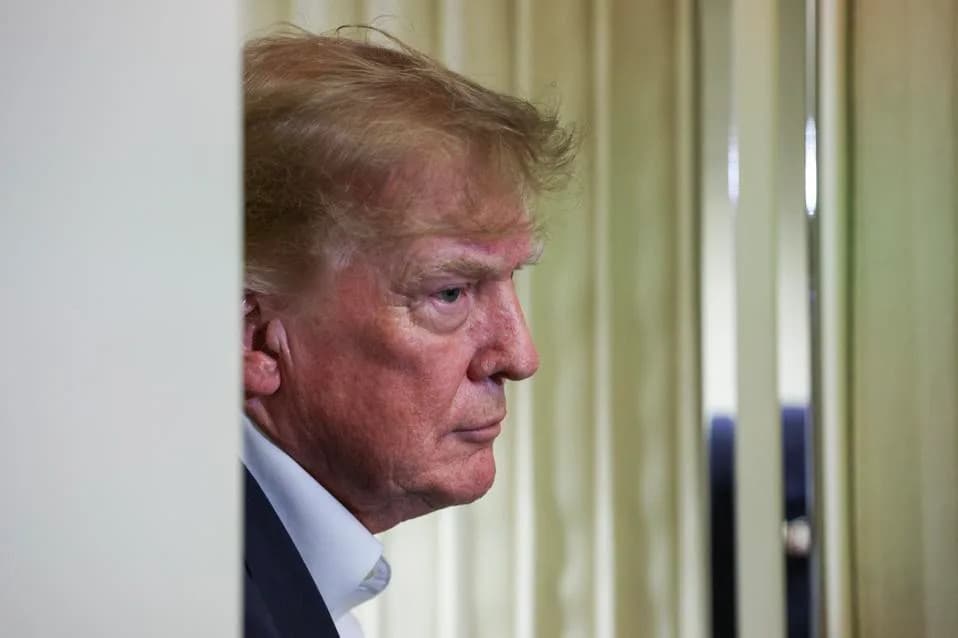
President Donald Trump and Defense Secretary Pete Hegseth at Camp David in August, where the former reportedly confronted the latter over a shortfall in U.S. munitions (Reuters)
Inspector General: "The onslaught has resulted in strategic inventory shortfalls and revealed industrial base bottlenecks for munitions resupply."
Responses and Strategic Concerns
Experts and officials reacted to the findings. Mark Cancian of the Center for Strategic and International Studies told CBS News that while U.S. stockpiles could likely sustain a conflict with Iran, they would be far more vulnerable in a larger war with China — potentially lasting only about a month before shortages and production bottlenecks became critical.
President Trump has repeatedly denied there are munitions shortages. Media reports in early August said he confronted Defense Secretary Pete Hegseth at Camp David about the issue. On Truth Social, the president criticized those who spoke to the press and warned leakers could face jail. Around the same time, Reuters reported the U.S. Army had significantly depleted its inventory of long-range surface-to-surface missiles.
On social media the president asserted that U.S. defense production is operating at historic levels, with factories working around the clock and new plants being built, and highlighted production of Patriot and THAAD systems, Tomahawk missiles and other Standard Missile systems.
Human Toll and Outlook
The conflict has continued beyond the four-month window covered by the inspector general’s report. The report records at least 18 U.S. soldiers killed and more than 750 service members wounded during the campaign. There is no clear sign the operations will end imminently, though President Trump said he was "open" to negotiations with Iran while emphasizing that any final decision rests with him.
The Independent has contacted the Pentagon for comment on the inspector general’s findings.
Help us improve.