The Argyll Countryside Trust led a community wildlife survey in West Cowal that documented more than 1,100 species in a temperate rainforest not comprehensively studied for about 50 years. One hundred seventy-one volunteers submitted over 3,400 GPS-tagged records using a smartphone app with AI-assisted ID suggestions reviewed by experts. The new baseline will help conservationists prioritise protection and restoration of rare Atlantic coastal rainforest fragments threatened by invasive rhododendron and heavy deer grazing.
Citizen Scientists Record 1,100+ Species in Scotland’s Fragile Temperate Rainforest
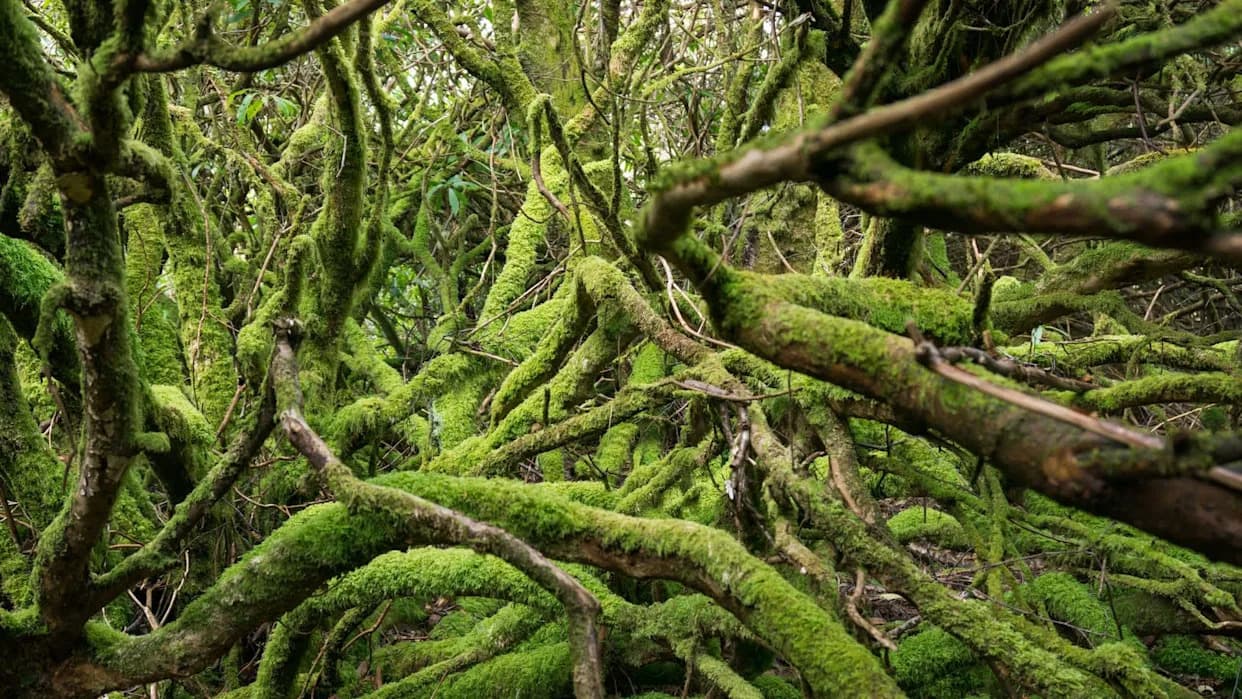
Photo Credit: iStock
A community-led survey in West Cowal has revealed more than 1,100 species living in a temperate rainforest fragment that had not been comprehensively studied for roughly 50 years. The Argyll Countryside Trust (ACT) led the effort, which used smartphone photos, GPS-tagging and AI-assisted identifications reviewed by experts to build a much-needed biodiversity baseline for the area.
Survey Methods and Findings
Over 171 volunteers contributed more than 3,400 records from across West Cowal, documenting organisms ranging from glow worms and slime molds to rare lichens and specialist mosses. Photographs released by the project show mossy woodland, lichens clinging to trunks, and volunteers recording species in situ. Many of the recorded species are specialists of the cool, wet Atlantic coastal climate that supports Scotland’s temperate rainforests.
Why This Matters
Scotland’s temperate rainforest fragments support a complex web of life but have been declining for decades. According to the 2023 State of Nature report cited by the BBC, average species abundance across Scotland is 15% lower than in 1994. The new dataset will help conservationists prioritise which habitat fragments most urgently need protection and where restoration efforts will be most effective.
"Biodiversity is ultimately the life raft that we all float on," said ACT rainforest manager Ian Dow, describing the biodiversity found in these forests as "hugely significant" and the remaining pockets as "globally important."
Threats and Next Steps
Remaining rainforest pockets face ongoing pressures from invasive rhododendron and heavy deer grazing, which can prevent native trees such as aspen from reaching maturity. Project leads say citizen science not only provides crucial data for habitat restoration but also builds public support for policies aimed at reversing biodiversity decline. The ACT intends to use the survey baseline to guide targeted conservation and restoration actions, monitor change over time, and encourage further volunteer participation.
What This Means For Nature And People: Healthier rainforest fragments can improve water quality, enhance landscape resilience and strengthen natural systems that are increasingly important as the climate changes.
Help us improve.