Scientists studying this summer's wildfires in Wales describe the damage as 'catastrophic,' with the worst impacts hidden below ground. Researchers estimate about 2,760 acres burned across north Wales during the July peak and roughly 10 cm of organic topsoil lost at Sychnant Pass, releasing millennia of stored carbon. Teams from Bangor University are urgently collecting baseline soil samples, using satellite imagery to identify burns, and will monitor recovery over the next two years. Without swift restoration and better preparedness, these rare upland habitats remain at high risk.
Wildfires Caused 'Catastrophic' Hidden Damage to Wales' Uplands, Scientists Warn
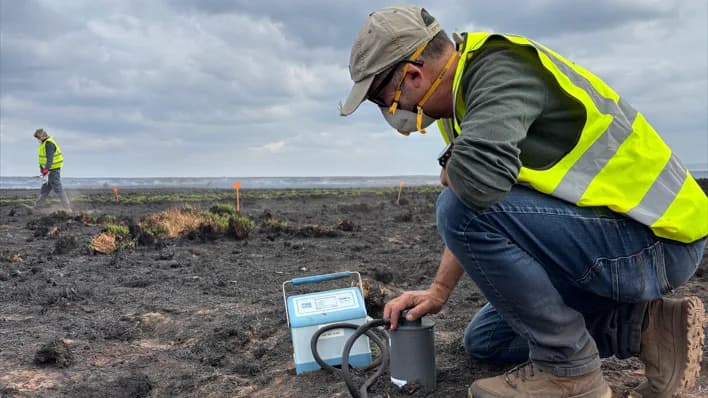
Professor Dave Chadwick from Bangor University sampling damaged remains following wildfires at Mynydd Llangynidr in Bannau Brycheiniog [Bangor University]
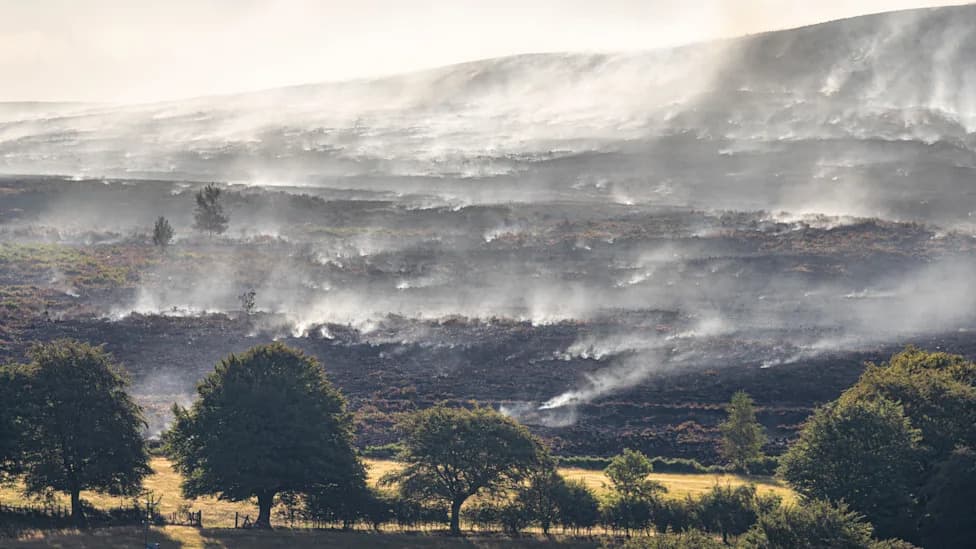
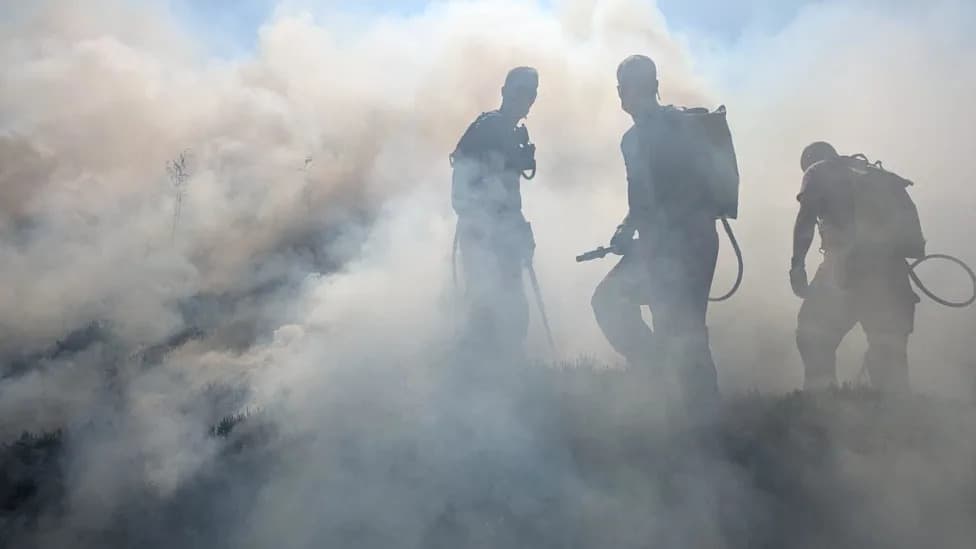
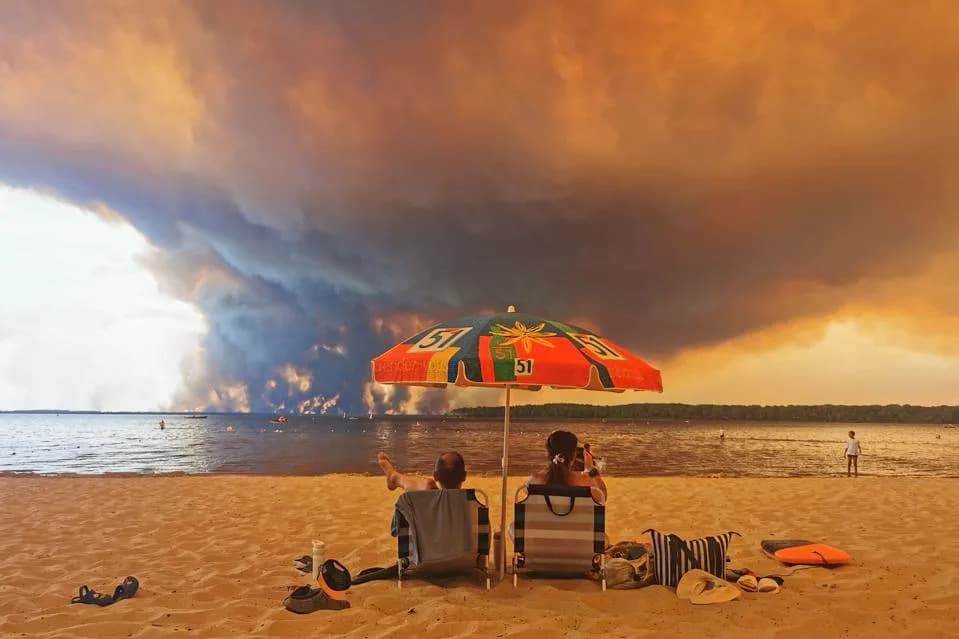
Scientists surveying the aftermath of this summer's wildfires in Wales warn the true scale of damage is largely hidden beneath the surface and could take millennia to repair. Prolonged extreme heat and an unusually dry July and August left heathland, moorland and upland grasslands vulnerable to fast‑moving blazes — producing one of the UKs worst recent wildfire seasons.
Field Findings
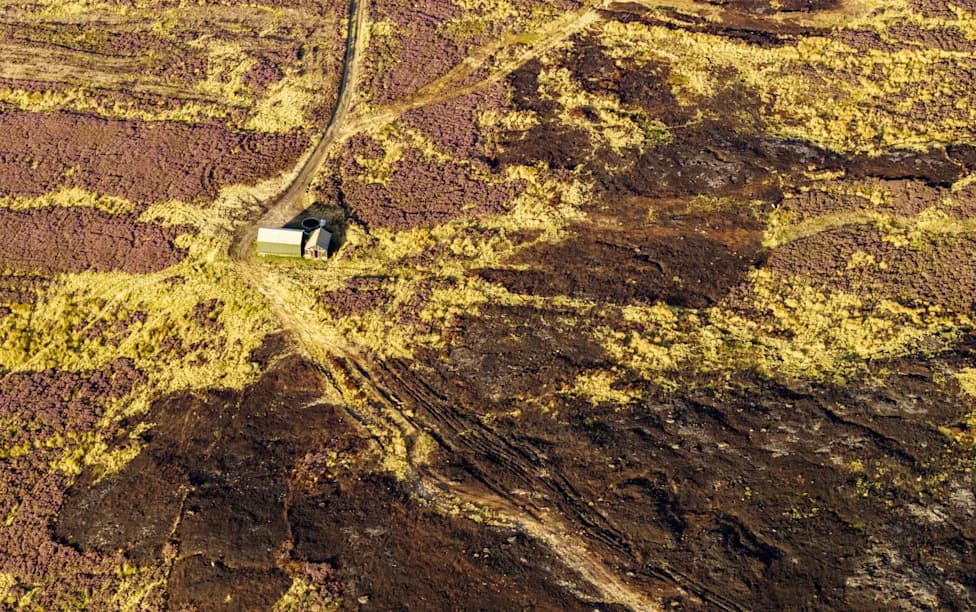
Bangor University research teams, led by Professor Davey Jones, report that visible scorched vegetation tells only part of the story. Their surveys show substantial loss of the organic topsoil layer, which functions as a water sponge, carbon reservoir and nutrient bank for fragile upland ecosystems.
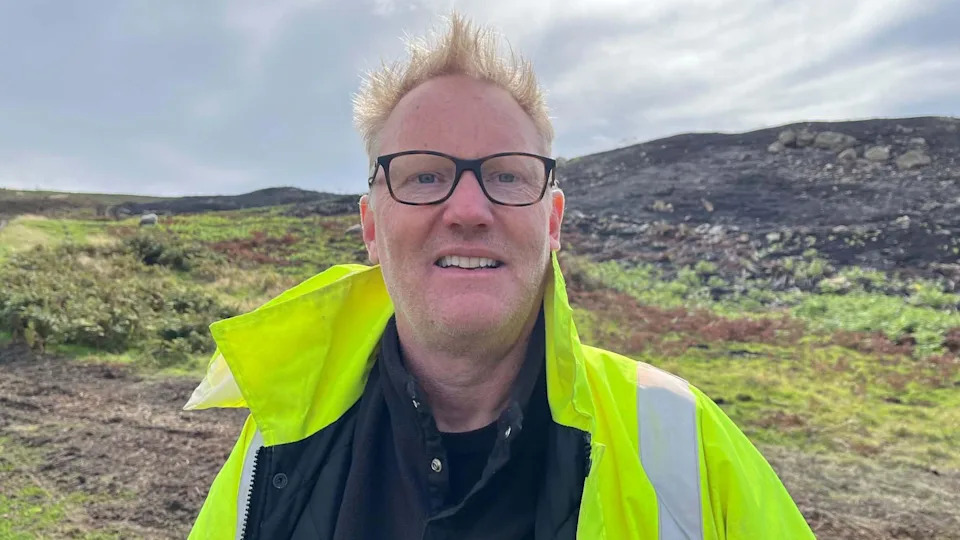
Davey Jones, Professor of Soil and Environmental Science at Bangor University [BBC]
Professor Davey Jones: 'People see the blackened vegetation and assume that's the main impact, but the real story is below our feet.'
At Sychnant Pass in Conwy county — one of the most heavily affected sites — researchers estimate that around 10 centimetres of organic topsoil were lost in places, releasing ancient stored carbon and removing soil that took thousands of years to form. During the July peak, fires burned roughly 2,760 acres across north Wales; the Sychnant Pass blaze alone led to the evacuation of 36 homes and affected about 200 acres.
Why the Soil Loss Matters
Loss of topsoil is a double blow: it releases carbon, nitrogen and sulphur into the atmosphere and reduces the land's ability to retain water and nutrients. That increases erosion, creates water‑repellent layers in soil, and makes the landscape more susceptible to future fires — potentially driving a self‑reinforcing cycle of drying and burning.
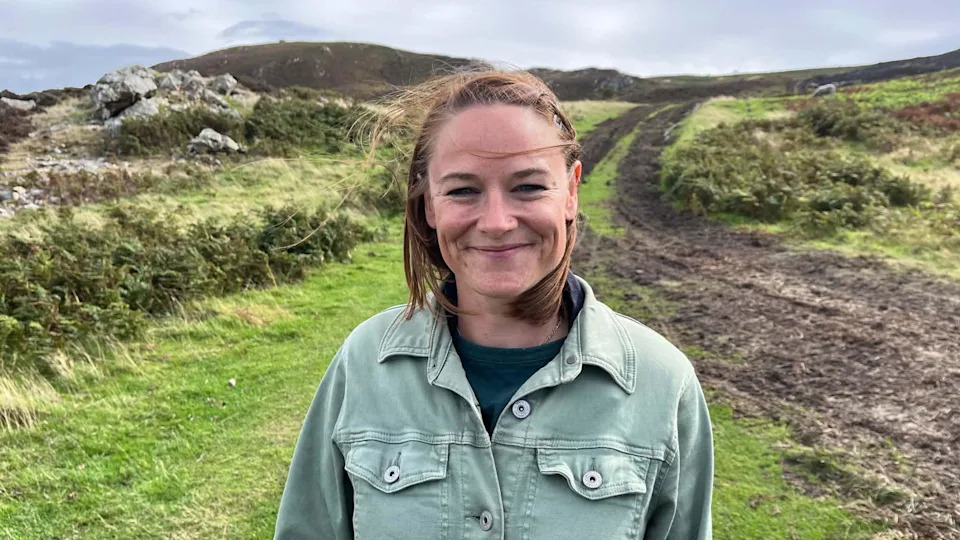
Dr Kara Marsden says responding quickly is key [BBC]
Rapid Response and Ongoing Monitoring
Bangor teams have been racing to collect baseline soil samples before winter rains can move or wash away fragile residues. Their work compares burned plots with nearby unburned reference sites to measure changes in soil carbon, nutrients, microbial activity, water repellency and erosion risk. The researchers have also used NASA satellite imagery to identify burned areas quickly after incidents.
Dr Kara Marsden: 'It was vital we got on site quickly to measure soil and vegetation properties while fire impacts were still fresh. Early regrowth doesn't necessarily mean real recovery.'
She noted that some species, such as bracken, can reshoot rapidly because their rhizomes are deep, whereas shallow‑rooted plants like heather and gorse have been lost and could take thousands of years to reestablish the original soil and plant community.
Outlook and Restoration Needs
Researchers will return to surveyed sites over the next two years to track recovery and to assess which habitats are more resilient. Early evidence suggests that vegetation can return but often more slowly and in a more fragile form, leaving landscapes increasingly vulnerable to future burns. Scientists warn that without rapid restoration, improved land management and better wildfire preparedness, significant tracts of these rare upland habitats could be lost within a human lifetime.
What Comes Next: The team advocates urgent monitoring, targeted restoration trials (including experimental artificial soil solutions), and policies to reduce wildfire risk and support long‑term recovery.
Help us improve.