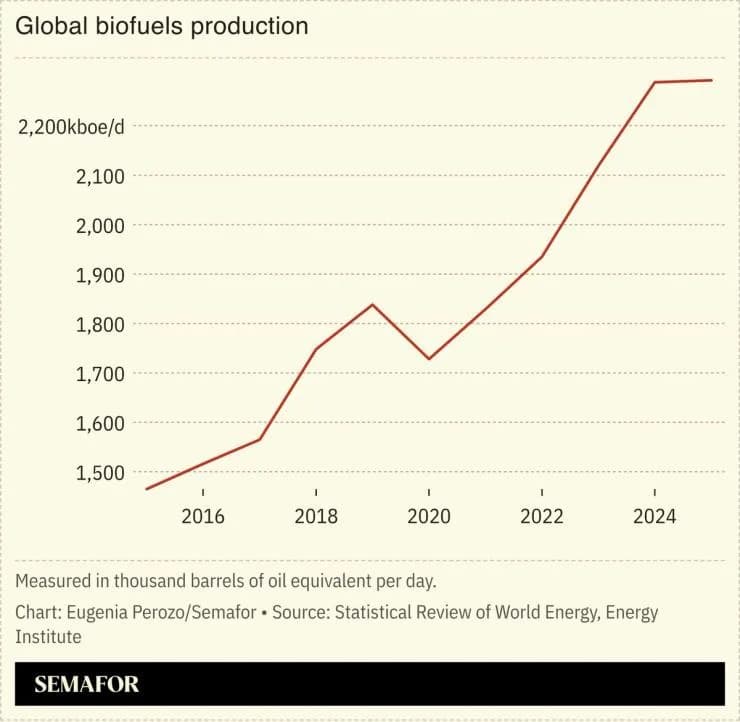
Biofuels are receiving renewed attention after disruptions to oil and gas supplies prompted governments and companies to seek alternative fuels that still meet emissions goals. Major initiatives — including the Belém 4x Pledge and large projects in Indonesia, Malaysia and California — have spurred investment, notably from big oil firms targeting low‑carbon drop‑in fuels for aviation and shipping. Critics warn crop‑based biofuels are costly, can drive land‑use change and biodiversity loss, and may not deliver the expected climate benefits; advanced, non‑food feedstocks remain unproven at scale.
Why Biofuels Are Back in Focus — Promise, Problems, and the Push from Big Oil
The outlook for biofuels is brightening again as disruptions to oil and gas supplies — notably the effective closure of the Strait of Hormuz — push countries and companies to seek alternatives that still meet emissions commitments. But analysts and scientists warn the renewed push is fraught with trade-offs: limited energy‑security gains, high costs, and serious environmental risks.
Renewed Momentum and Major Initiatives
At COP30, a coalition of major producers unveiled the Belém 4x Pledge, an initiative to quadruple bioenergy and biofuel use over the next decade. Around two dozen countries joined the pledge, and several governments are already planning large‑scale expansions. Notable moves include Indonesia’s proposal for a 560,000‑hectare bioethanol estate in Papua, Malaysia’s consideration of a 30% palm‑oil blend mandate, and California’s conversion of some refineries to process imported biofuels under its Low Carbon Fuel Standard.
Where Investment Is Heading
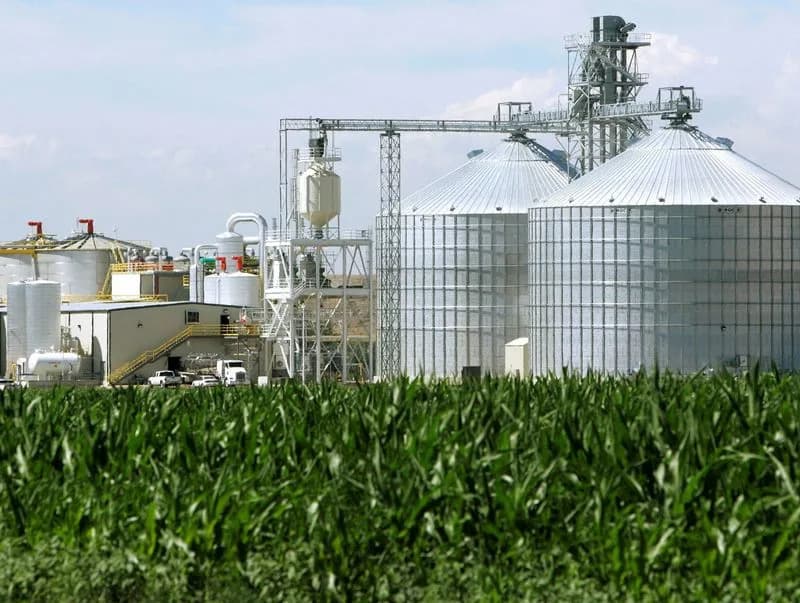
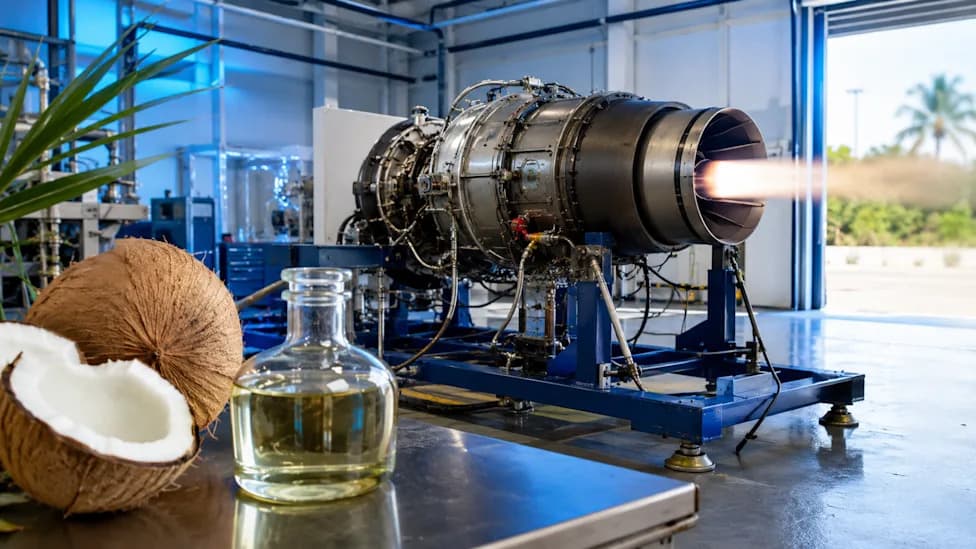
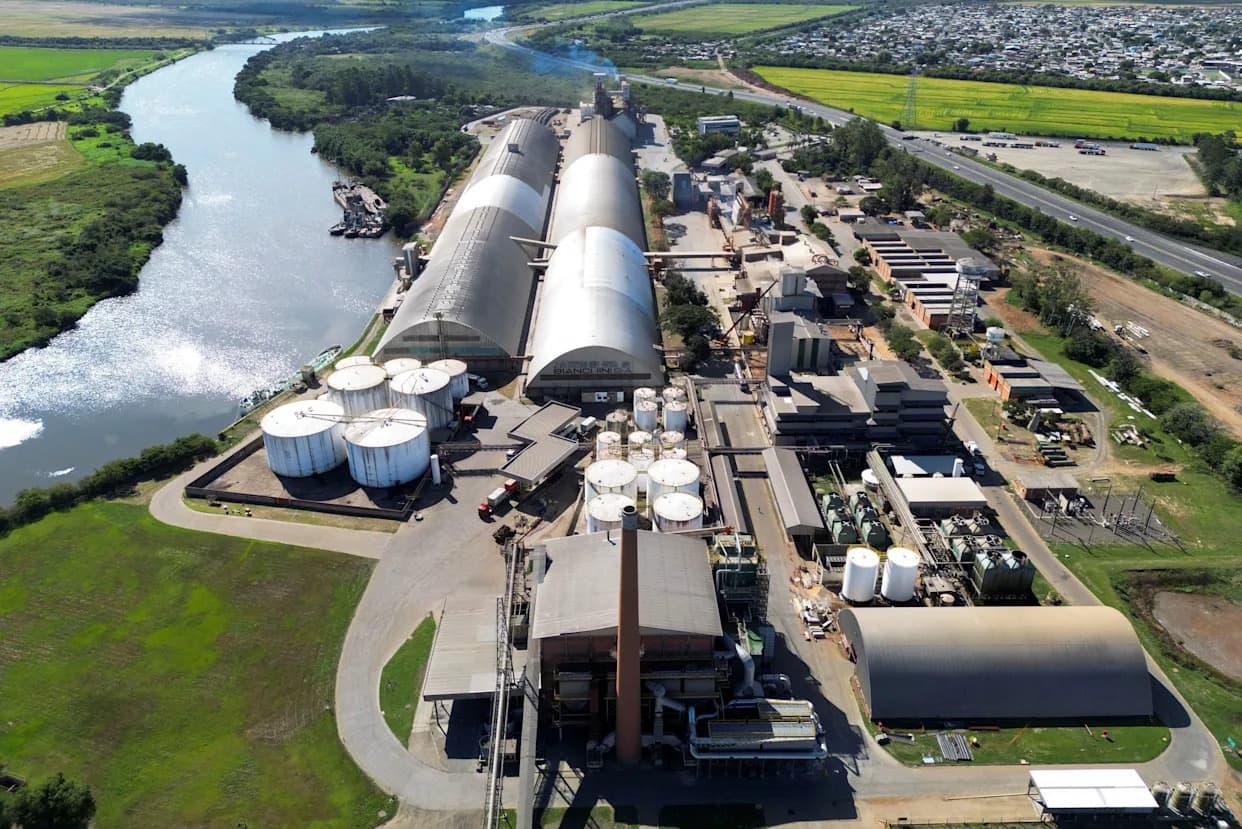
Big Oil is a major driver of the current surge in interest. Companies such as BP, Chevron, ExxonMobil, Shell, TotalEnergies and ENI are backing projects — collectively investing in 43 biofuels production and processing facilities targeted to be operational by 2030. Most planned facilities aim to produce low‑carbon, drop‑in fuels that can be used directly in aviation, heavy transport and marine systems rather than the ethanol/biodiesel blends commonly used in passenger vehicles.
Why Aviation and Shipping Matter
Policymakers and companies are focusing on heavy transport sectors where electrification is harder. Aviation accounts for roughly 8% of global oil use and shipping about 7%, making them prime targets for drop‑in biofuels that can fit existing engines and fuel infrastructure.
Costs, Energy Security and Scientific Concerns
Supporters argue biofuels can bolster energy security by substituting imports. Critics counter that biofuels are often more expensive than refined fossil fuels, limiting the advantage of substitution. “Shifting to a more expensive alternative has a somewhat limited benefit,” said Chris Malins of Cerulogy.
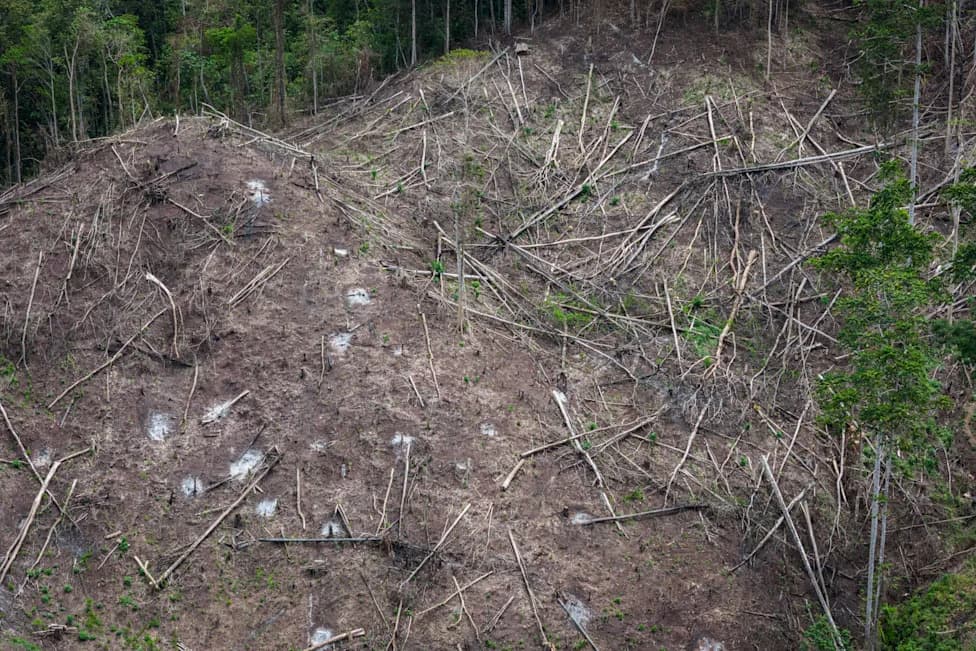
Scientific assessments raise additional concerns. Land‑use change, biodiversity loss, and freshwater impacts can negate claimed carbon benefits. Cian Delaney of Transport & Environment warns that converting crops into transport fuel is land‑intensive and can be inefficient. Experts also point to the carbon released when primary forest or peatland is cleared to make way for plantations — potentially outweighing any tailpipe emission reductions.
Environmental Hotspots
Planned expansions risk encroaching on sensitive ecosystems. In Brazil, expanding sugarcane into the Cerrado threatens a vast tropical savanna that hosts many endemic and threatened species. Indonesia’s Papua region contains some of the country’s last intact primary forests and globally significant biodiversity; converting these areas to palm or sugarcane plantations would release centuries of stored carbon and destroy irreplaceable habitats, according to Tommy Pratama of Traction Energy Asia.
Defenses, Alternatives and Market Realities
Proponents insist sustainable production is possible and point to improving certification and verification systems. Gerard Ostheimer of the Biofuture Industry Council said data will increasingly validate the benefits of sustainably produced biofuels. Next‑generation feedstocks such as algae or waste‑based fuels are often cited as solutions because they avoid direct competition with food crops, but despite long periods of research and investment, these technologies have not yet demonstrated consistent financial viability or large‑scale deployment.
Market signals are already mixed: Chevron closed two midwestern US biodiesel plants last year amid weak demand and poor market conditions. Meanwhile, more than 100 scientists signed an open letter at COP30 warning about the risks of rapid, large‑scale biofuel expansion and urging caution.
Bottom Line
Biofuels are reappearing on the global energy agenda because of geopolitical shocks and supportive policies. However, the net benefits depend heavily on which feedstocks are used, how land is managed, the rigor of sustainability safeguards, and whether next‑generation technologies can scale affordably. Policymakers face a difficult balancing act: pursue biofuels quickly to ease supply shocks, or prioritize longer‑term climate and biodiversity protections that may rule out many current crop‑based options.
Help us improve.