Chatham House analysis warns that a global push to expand biofuels — prompted by higher fuel prices after the Middle East war — could require converting land the size of Germany. Production is forecast to rise about 70% between 2025 and 2030 as countries such as Brazil, India, Indonesia and the US tighten biofuel mandates. The report cautions this could spur deforestation and lift prices for crops like corn and vegetable oil, and urges policymakers to treat biofuels as a short-term, targeted response rather than a long-term fix.
Chatham House: Global Biofuel Expansion Could Demand Land Size Of Germany
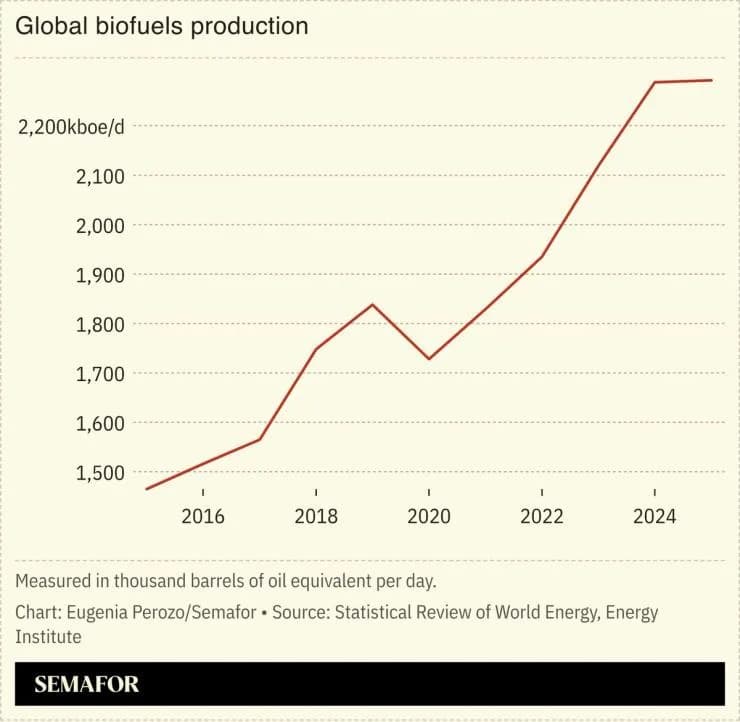
A chart on global biofuels production.
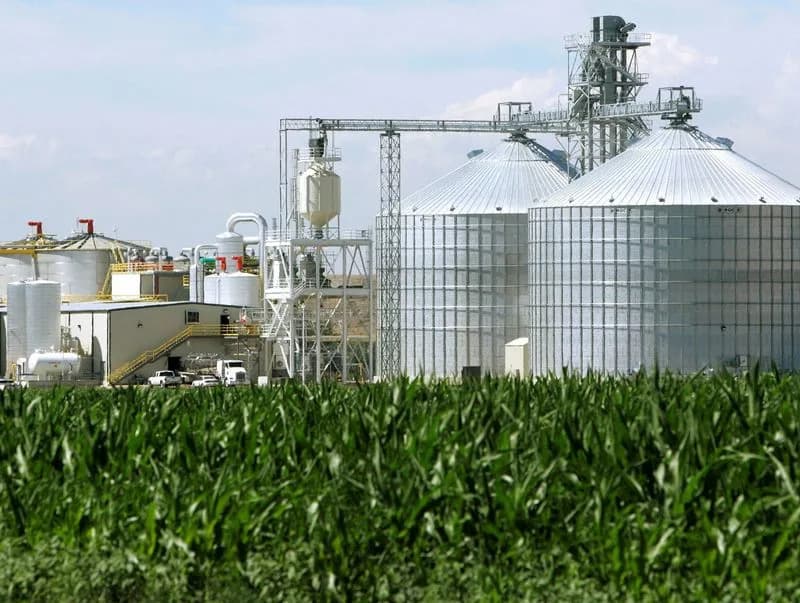
New analysis by the London think-tank Chatham House warns that a worldwide surge in biofuel production — driven in part by the Middle East war and rising oil prices — could require converting an area roughly the size of Germany into crops and feedstocks for fuel.
As governments scramble to cut costly gasoline and diesel imports, major economies including Brazil, India, Indonesia and the United States are strengthening biofuel mandates. Chatham House projects global biofuel output may rise by about 70% between 2025 and 2030, intensifying pressure on land use and commodity markets.
Key Risks Identified
The report cautions that without careful policy design and safeguards, rapid expansion of biofuels is likely to:
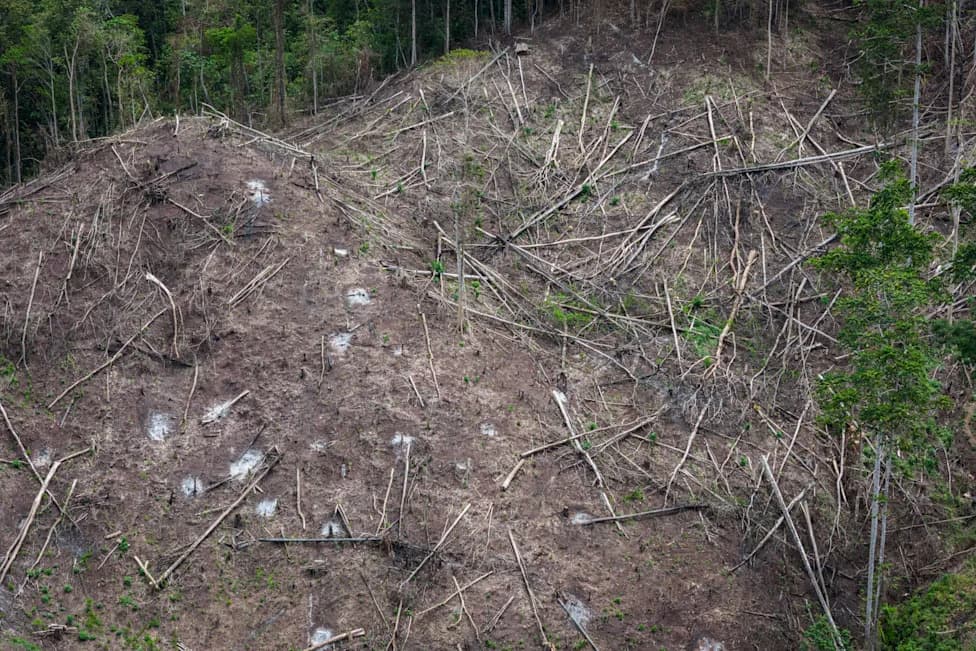
- Drive further deforestation and conversion of natural habitats into cropland;
- Increase prices for key food crops and commodities such as corn and vegetable oils;
- Create long-term land-use changes that could be difficult or impossible to reverse, worsening global food security.
"Policymakers must therefore treat biofuels as a targeted transitional measure to help bridge the current oil crisis, rather than a permanent solution to the problem of energy security," the authors write.
French President Emmanuel Macron has urged the European Commission to allow higher blends of biofuels in diesel to help curb price spikes, reflecting the political pressure many governments face to act quickly. Chatham House stresses that speed should not come at the expense of environmental and food-security safeguards.
What policymakers should consider: strengthen sustainability criteria, target biofuels where they deliver clear emissions benefits, protect forests and high-carbon ecosystems, and coordinate internationally to limit knock-on effects on global food markets.
—Chloé Farand
Help us improve.