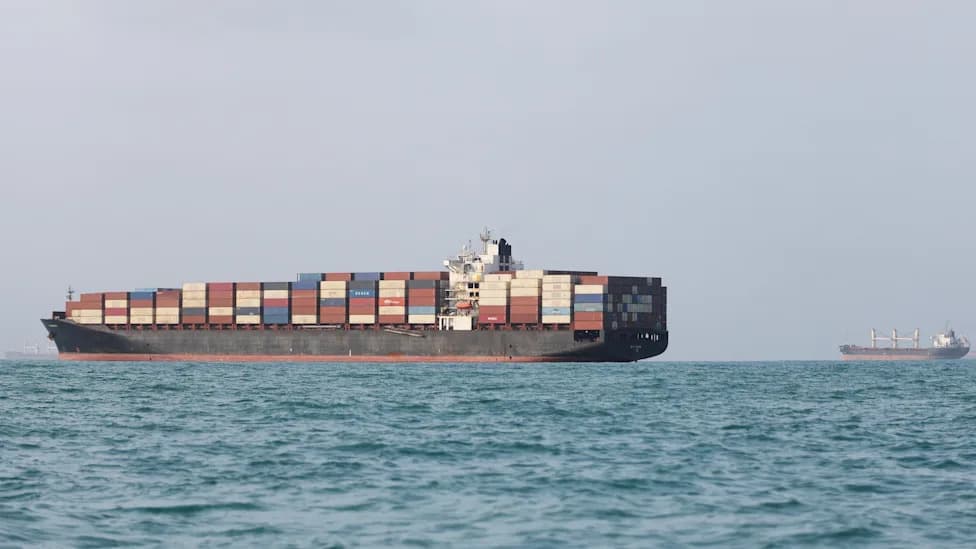
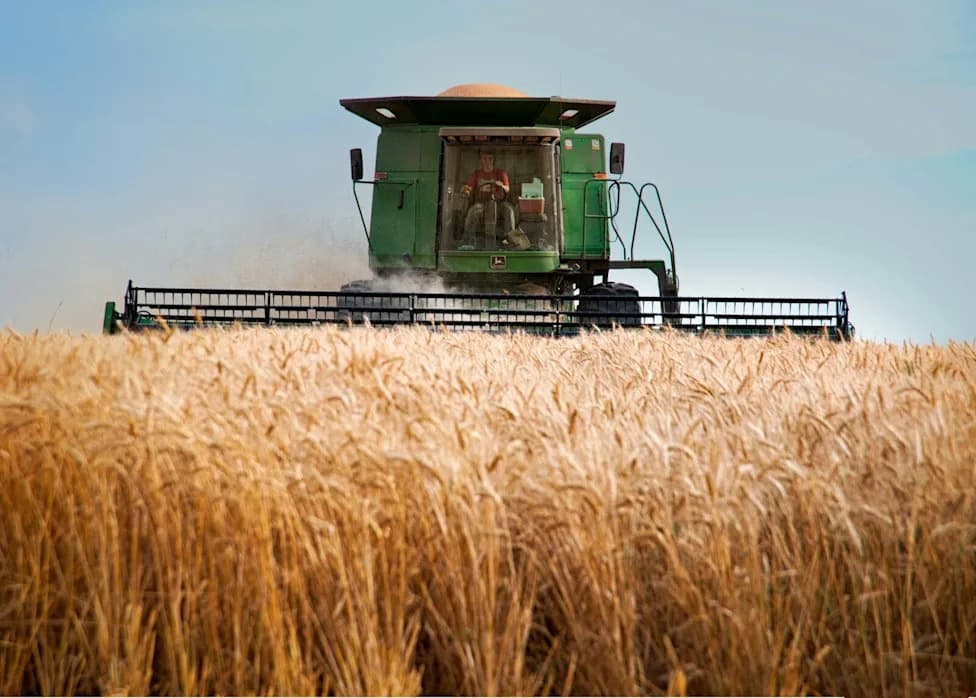
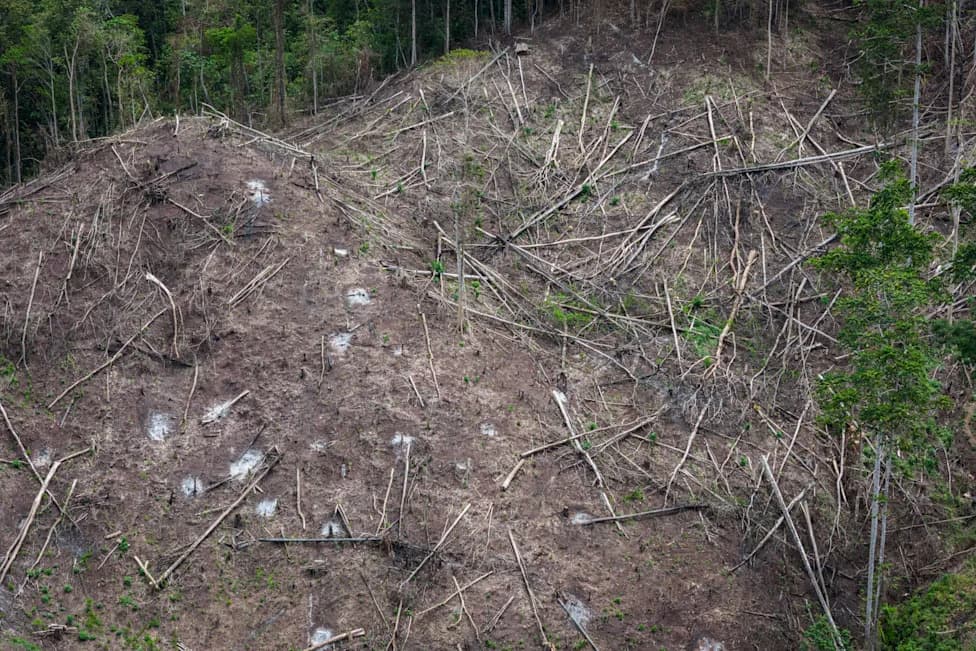
A Chatham House and FSC study warns global biofuel production could rise nearly 70% by 2030 from 2025 levels if proposed blending mandates are implemented. Meeting that demand may require an extra 36 million hectares of cropland — about the size of Germany — and could heighten risks to food security, deforestation and land degradation unless stronger safeguards and advanced biofuel options are adopted. The report highlights a recent rise in oil and crop prices that is making biofuels more competitive.
Study: Global Biofuel Output Could Jump Nearly 70% by 2030 — Risks to Food Security and Land Use
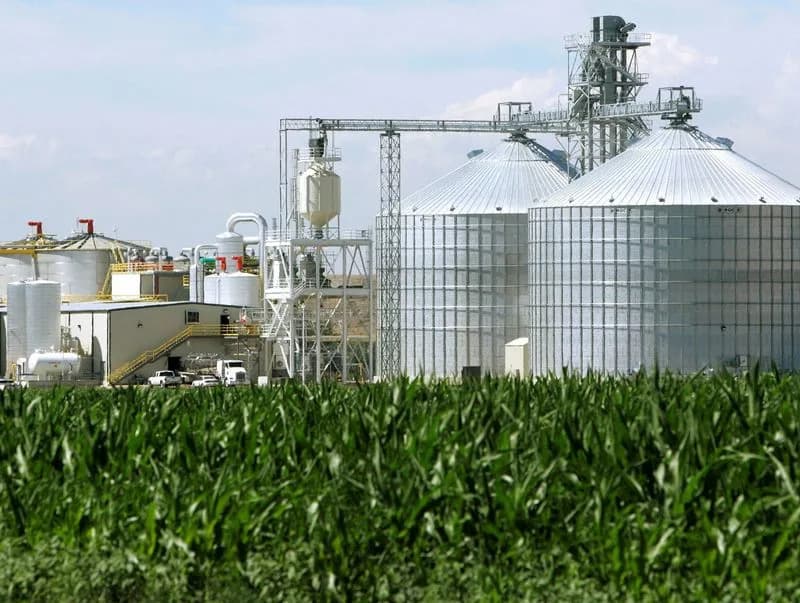
FILE PHOTO: An ethanol plant with its giant corn silos next to a cornfield in Windsor, Colorado July 7, 2006./File Photo
LONDON, Sept 22 — A joint study by London-based think tank Chatham House and the Forest Stewardship Council (FSC) warns that global biofuel production could increase by almost 70% by 2030 compared with 2025 levels as major producing countries accelerate higher blending mandates in response to the energy disruption following the Iran war.
Key Findings
The report finds that if all proposed mandates are fully implemented, the land needed to grow biofuel feedstocks could more than double by 2030 compared with 2023 levels, requiring an additional 36 million hectares — roughly the size of Germany. Countries cited include Brazil, China, India, Indonesia, the United States and the European Union.
"By prioritizing energy security in the short term, some policy responses may be trading off against increased food insecurity in the medium term (and) any additional shock such as extreme weather could severely affect food prices," the authors say.
Why This Matters
Biofuels such as ethanol are typically produced from organic feedstocks. First-generation biofuels are largely made from food and feed crops like corn and sugarcane, while second-generation (advanced) biofuels are derived from residues and waste streams, such as used cooking oil. The report cautions that rapid expansion tied to first-generation feedstocks risks worsening land degradation, deforestation and food-price pressures.
Authors emphasize that cultivating feedstocks on degraded land or during fallow periods can help reduce degradation and even restore soils, but such practices are not the norm for conventional biofuel production.
Market Context
Crude oil prices have risen nearly 40% since the Iran war began in late February, making biofuels more economically attractive. Commodity prices for sugar and corn have also climbed by about 20%, potentially increasing tensions between energy and food markets.
Policy And Risk
The report warns that the speed of mandate increases may outpace environmental safeguards, certification systems, land-use planning and enforcement. That mismatch could lead to unintended consequences for food security, biodiversity and water resources unless policies are paired with strong sustainability measures and investments in advanced biofuel technologies.
(Reporting by May Angel; editing by Mark Potter)
Help us improve.