The Green Party has pledged to disestablish the Church of England if it leads the next government, provoking debate over Britain’s religious and constitutional traditions. Critics argue the move could erode Christian cultural foundations without a clear alternative, while supporters frame it as a step toward secular inclusion. The issue gains urgency after recent House of Lords reform and rising Green support in polls, particularly among young voters.
Green Party Pushes To Disestablish Church Of England, Sparking Heated Debate Over Britain’s Christian Heritage
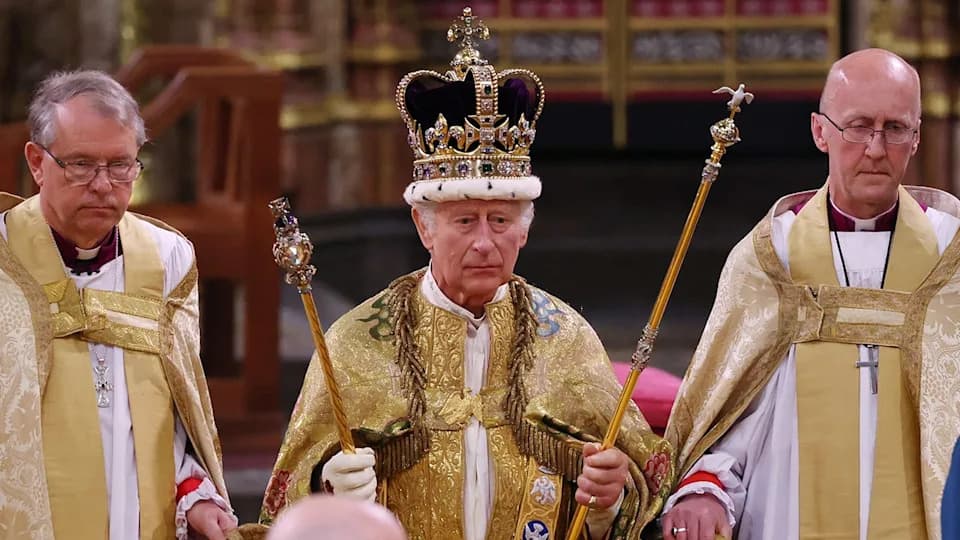
King Charles ascended the throne in September 2022 following his mother's death, and his coronation was in May 2023.(Getty Images)
London — The Green Party has pledged to disestablish the Church of England if it forms the next UK government, a move that has reignited debate about the role of religion in Britain’s public life. The next general election must be held by August 2029.
The Church of England has been the nation’s established church since the 16th-century Reformation, with the British monarch serving as its supreme governor. Supporters of the established church view that historic link as an important part of Britain’s constitutional identity and civic tradition.
The Greens’ policy language, reported in media coverage, states that religious affiliation should not determine eligibility for public office:
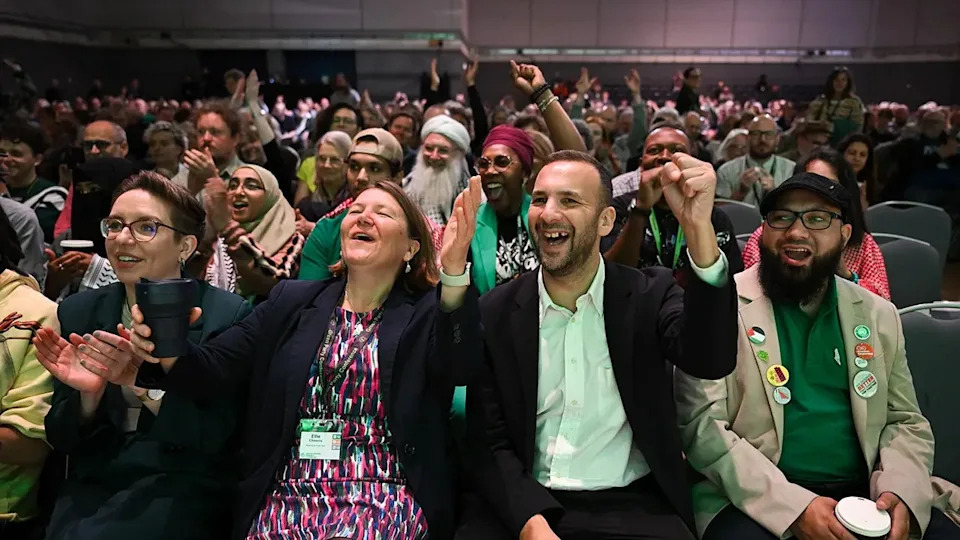
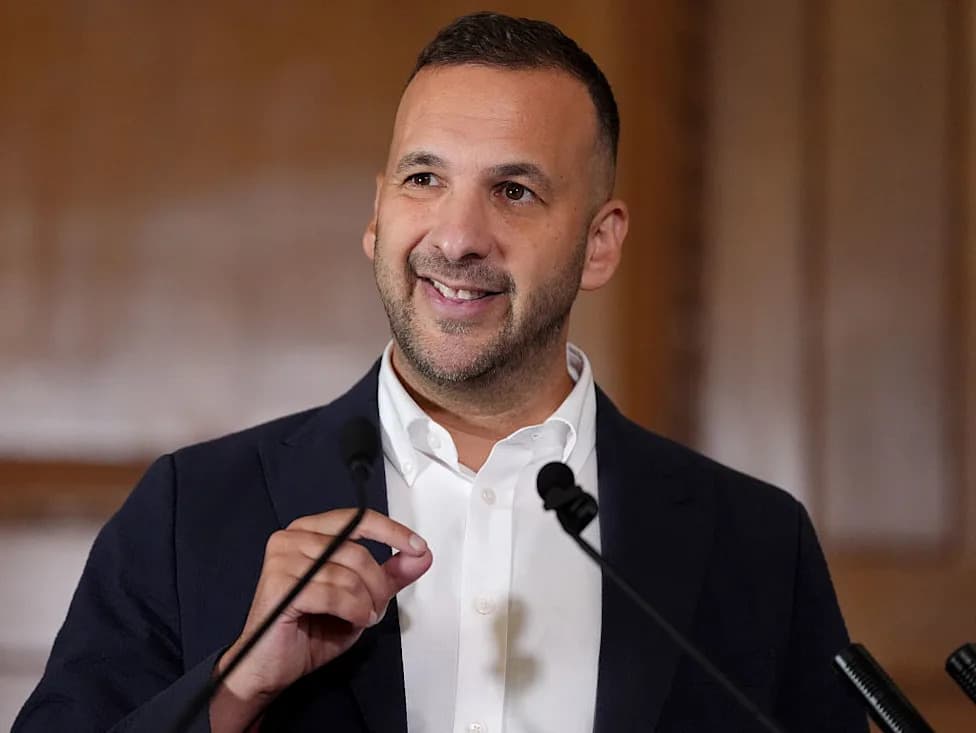
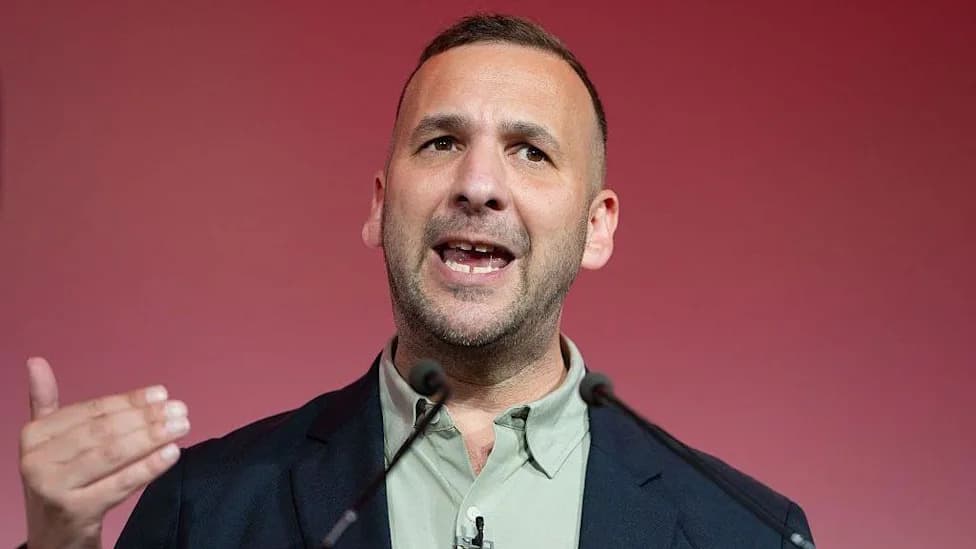
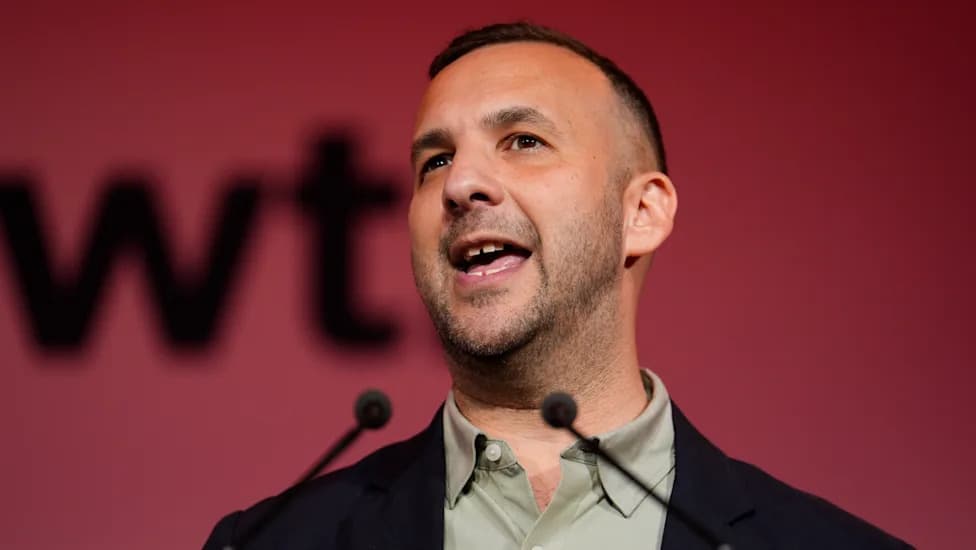
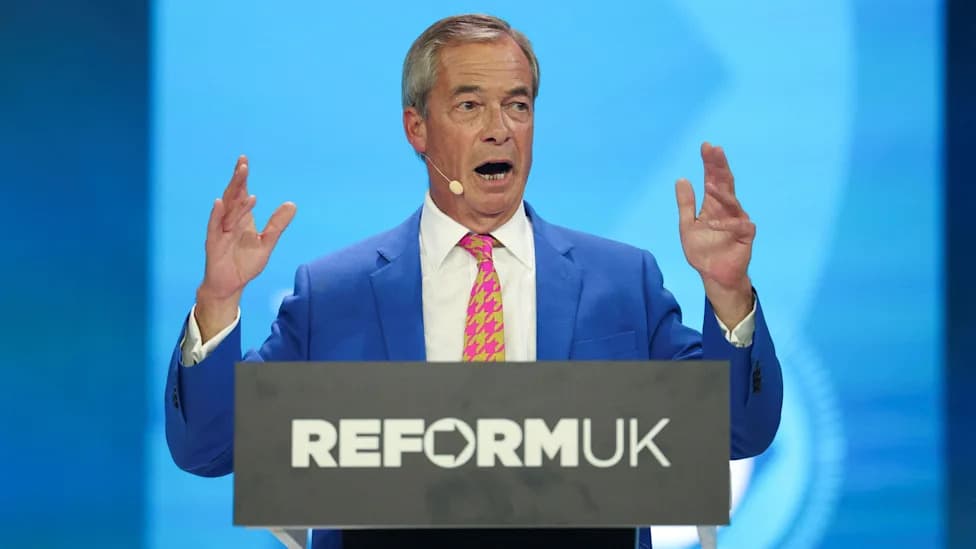
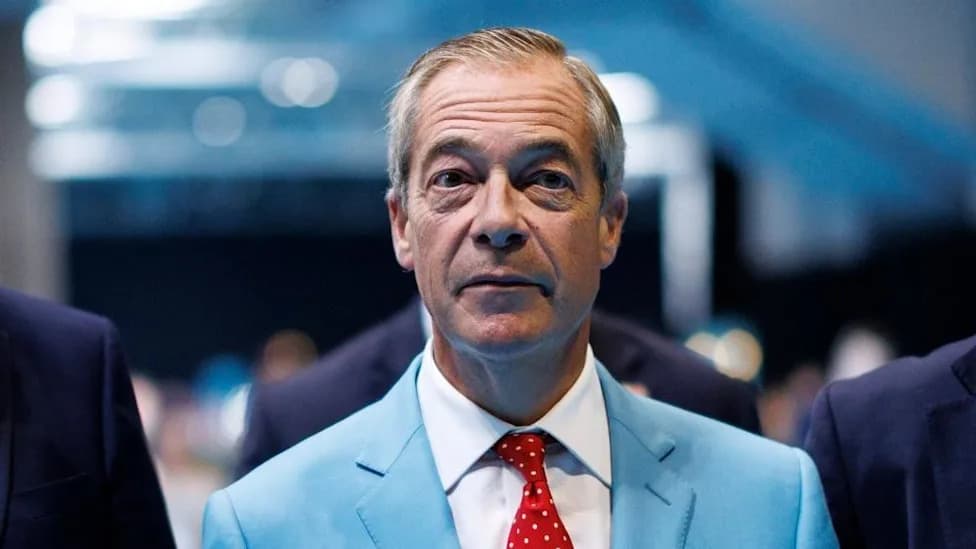
UK Green Party leader Zack Polanski.
“No person shall hold office in the state, or be excluded from any such office, by virtue of their or their spouse's membership or non-membership of any religion or denomination of religion.”
Critics — including commentators, think-tank figures and some public personalities — argue that disestablishment would weaken a centuries-old cultural foundation without clearly explaining what would replace it. Michael McManus, director of research at the Henry Jackson Society, told Fox News Digital that Britain’s tolerant society nonetheless has clear Christian origins and that removing the established church could be seen as rejecting that ethical foundation.
“Britain is a tolerant society but with clear Christian origins and culture. Aiming to disestablish the Church of England could be seen as an attempt to reject that ethical foundation without being clear what would replace it instead,” McManus said.
High-profile figures have also weighed in. Actor and comedian John Cleese posted on X that Britain has been shaped by Christian values and warned that replacing those values with different religious norms would change the country’s character.
The Greens have seen notable rises in some polls. A recent YouGov survey placed them second behind Reform UK, and another YouGov study found strong support among 18-to-24-year-olds and solid backing from women. The party says its priorities include tackling the climate crisis, reducing the cost of living and rebuilding public services such as the NHS.
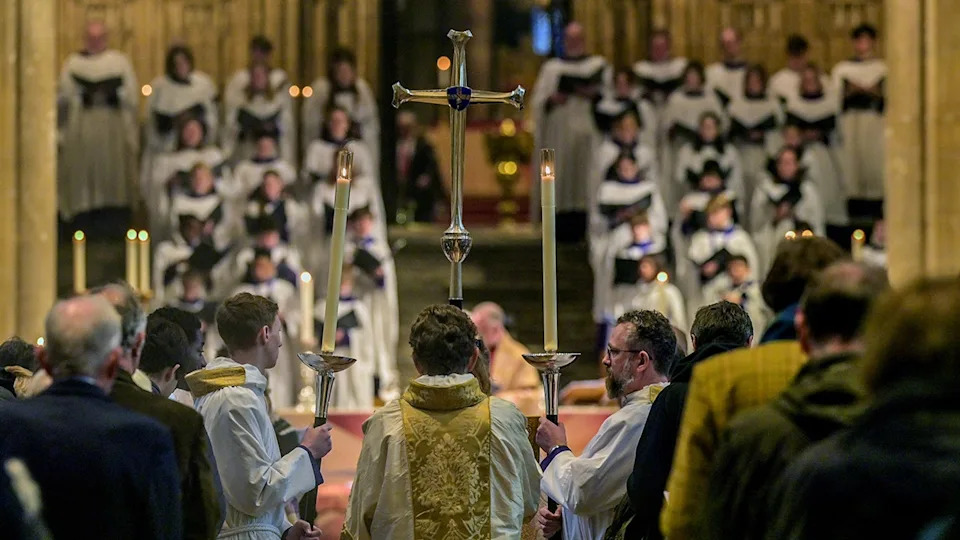
A view of Christmas morning Eucharist service at Canterbury Cathedral, Canterbury, United Kingdom, on Dec. 25, 2022.
A Green Party spokesperson told Fox News Digital: “We will be setting out our detailed plans for government at the time of the next General Election… Our focus is on the issues that impact ordinary people most.”
Leader Zack Polanski has defended a secular state while attracting controversy for other positions, including comments on drug legalization and his foreign policy stances. The timing of the disestablishment push is sensitive: Parliament recently passed the House of Lords (Hereditary Peers) Act 2026, removing hereditary peers, which has renewed attention on the 26 seats in the House of Lords reserved for Church of England archbishops and bishops (the “Lords Spiritual”).
As local elections approach in 2026, observers expect church-and-state reform to become a contentious wedge issue. Supporters frame disestablishment as advancing secular inclusion and modern pluralism; opponents warn it risks eroding a historic institution central to British life. Whether the debate will mobilize a religious voting bloc or be overshadowed by immediate concerns such as the cost of living remains to be seen.
Help us improve.