Russia dramatically ramped up turbojet drone attacks this summer, with Kyiv reporting about 7,700 launches to date and monthly tallies jumping from 350 in June to 2,850 in August. Ukraine now intercepts roughly 60% of these strikes, down from ~90% against propeller Shaheds, as faster jet drones outpace many existing defences. Officials say China supplies engines while key electronics trace to U.S. and European firms, and analysts warn new production lines and launch facilities point to a sustained Russian campaign.
Russia’s Turbojet Drone Offensive Surges — Kyiv Says 7,700 Launched, Interceptions Drop
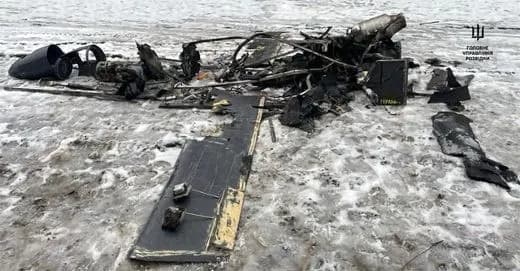
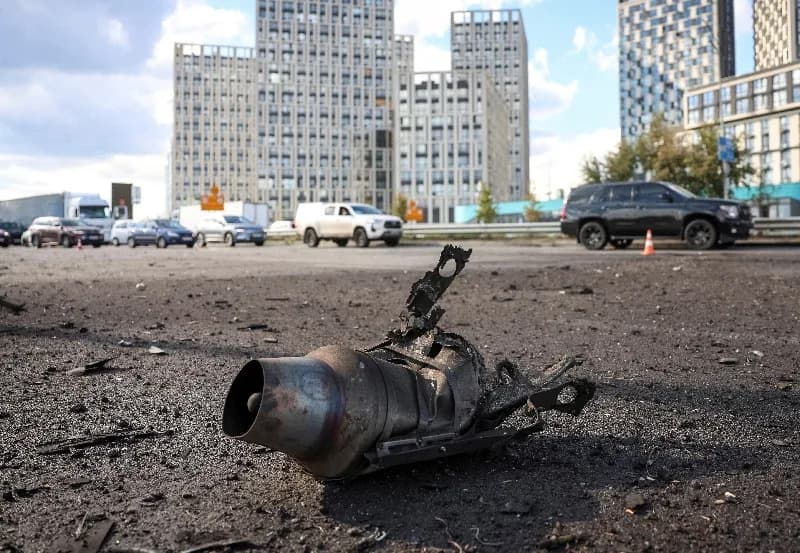
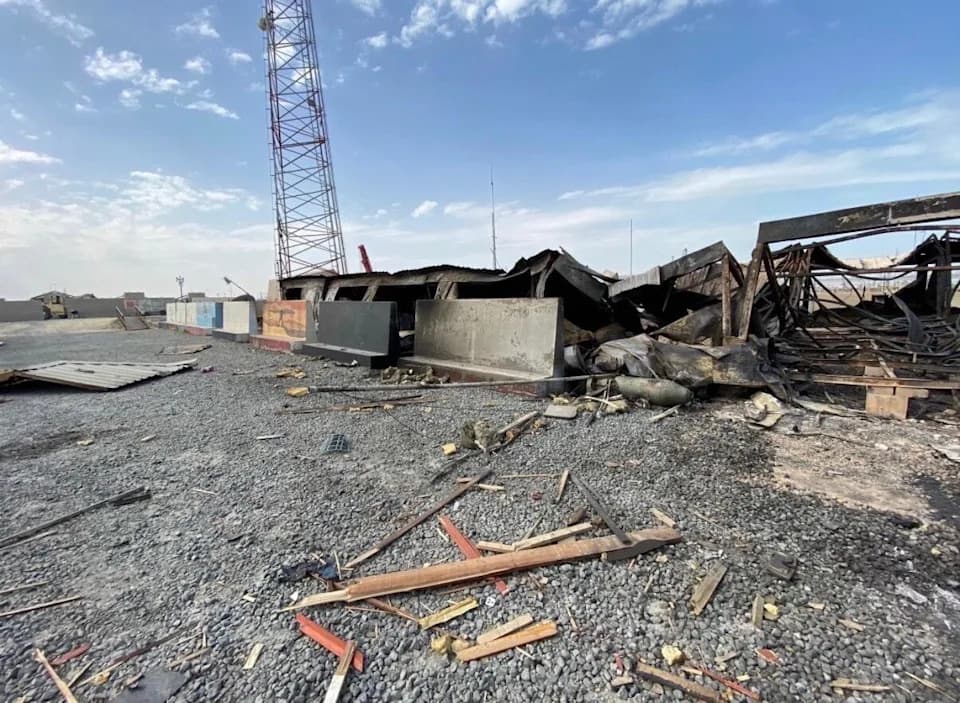
GUR published an image of what appears to be gathered debris from a downed Geran-5.Ukrainian Defense Intelligence Directorate (GUR)
New tallies from Kyiv indicate a dramatic rise in Russia’s use of turbojet attack drones this summer, transforming a once-rare threat into a sustained long-range campaign. Ukrainian officials say the Kremlin launched roughly 7,700 jet-powered drones in total, with a sharp monthly increase over June–August.
Scale And Timeline
According to Col. Yuriy Ignat, the primary spokesperson for Ukraine’s air force, recorded launches rose from about 350 jet-powered drones in June to 1,500 in July and 2,850 in August, with ~1,900 launched so far this month. Kyiv estimates that turbojet systems now account for at least half of Russia’s long-range drone strikes, a category that also includes propeller-driven Shahed-style platforms.
“This suggests the enemy is not stopping — they are finding opportunities to purchase those jet engines and other components and assemble them on the territory of Russia,” Col. Yuriy Ignat said.
Sources Of Components And Industrial Scale
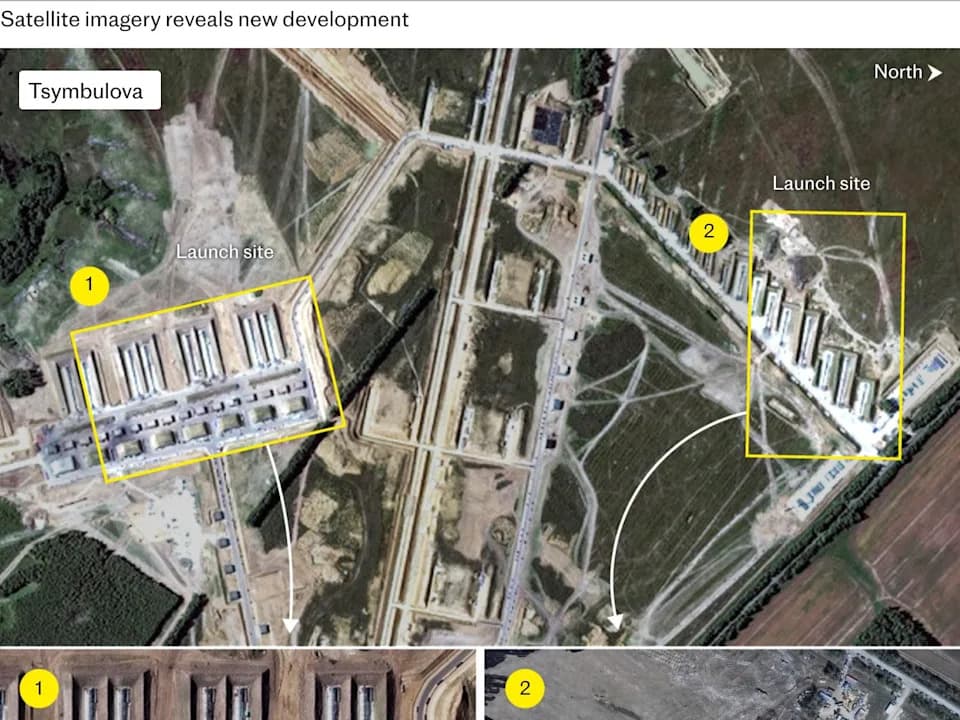
Ukrainian officials and open-source reporting suggest the small turbojet engines are being sourced in part from China, while critical electronics — such as digital signal processors, clock generators and transceivers — trace back to firms in the United States and Europe. Politico reported on plans from a Russian state firm to produce airframe material sufficient for another 28,000 one-way attack drones annually on top of an estimated 36,000 already produced each year. Satellite imagery reviewed by Business Insider also identified a new facility this year with 280-foot rails apparently dedicated to turbojet drone launches.
How The Threat Has Evolved
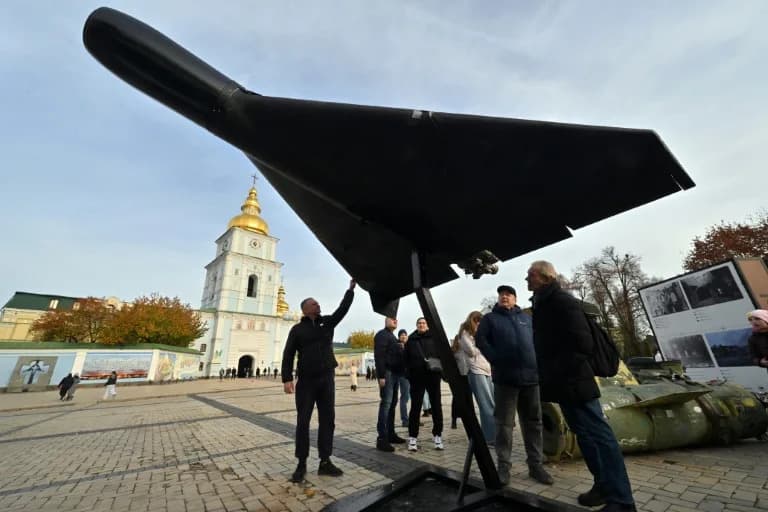
Early in the war, propeller-driven Geran-2 (Shahed-136 analogues) dominated strikes; those typically cruised around 115 mph and were countered by interceptor quadcopters. The turbojet wave introduced faster designs: the Geran-3 (analogous to the Iranian Shahed-238) reportedly reaches roughly 373 mph and can hit higher speeds in a dive, while delta-wing Geran-4 frames are built for extreme velocity. Ukraine also reports a cruise-missile-like model, identified as Geran-5 by Kyiv, that resembles the Iranian Karrar and is estimated to cruise near 370 mph with a range approaching 600 miles and a warhead in the neighborhood of 198 pounds. The Ukrainian Defense Intelligence Directorate (GUR) published images purportedly showing debris from a downed Geran-5.
Impact On Ukrainian Defenses
Ukraine reports its interception rate has fallen to roughly 60% since turbojet strikes surged — down from about 90% when Russia relied mainly on slower propeller Shaheds. The higher speeds and different flight profiles make these turbojet drones harder to defeat with earlier countermeasures, prompting Kyiv to seek cheap, mass-producible defences and to accelerate development of faster jet-interceptor drones.
Ukrainian Response And Outlook
Ukrainian firms and the defense sector are working to field advanced interceptors. President Volodymyr Zelenskyy said Kyiv has tested four types of jet interceptor drones in combat, though production remains limited and confirmed takedowns have been relatively few so far. The combination of expanded foreign sourcing, new production lines, and launch infrastructure suggests the Kremlin is intensifying its long-range drone campaign — a shift that complicates air defence and sanctions enforcement alike.
Sources: Statements from Ukraine’s Air Force, reporting by Politico and Business Insider, and images released by the Ukrainian Defence Intelligence Directorate (GUR).
Help us improve.