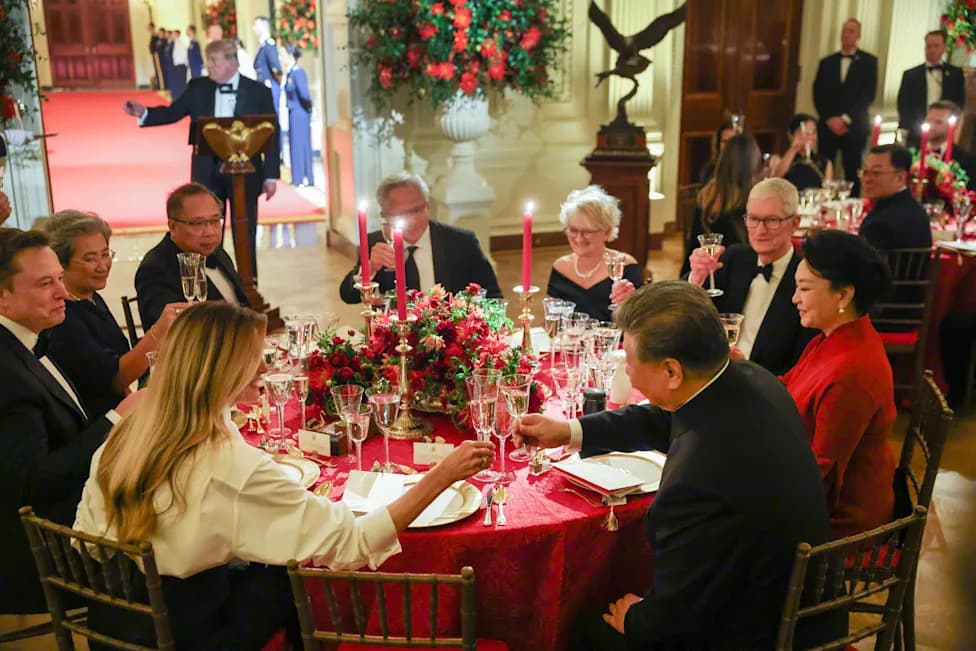
The White House denied CNN and MS Now reporters entry to President Xi Jinping's state dinner despite a federal judge ordering their press badges restored for 14 days. Lawyers for the outlets said some journalists were turned away and had hard passes confiscated even after the court's order. The judge ruled the revocations likely violated due-process rights and set an expedited hearing during the temporary restoration. The White House says badges were reactivated that morning and the Secret Service returned confiscated passes to the press gate.
Court Restores White House Press Badges — Reporters Say They Were Blocked From Xi Jinping State Dinner
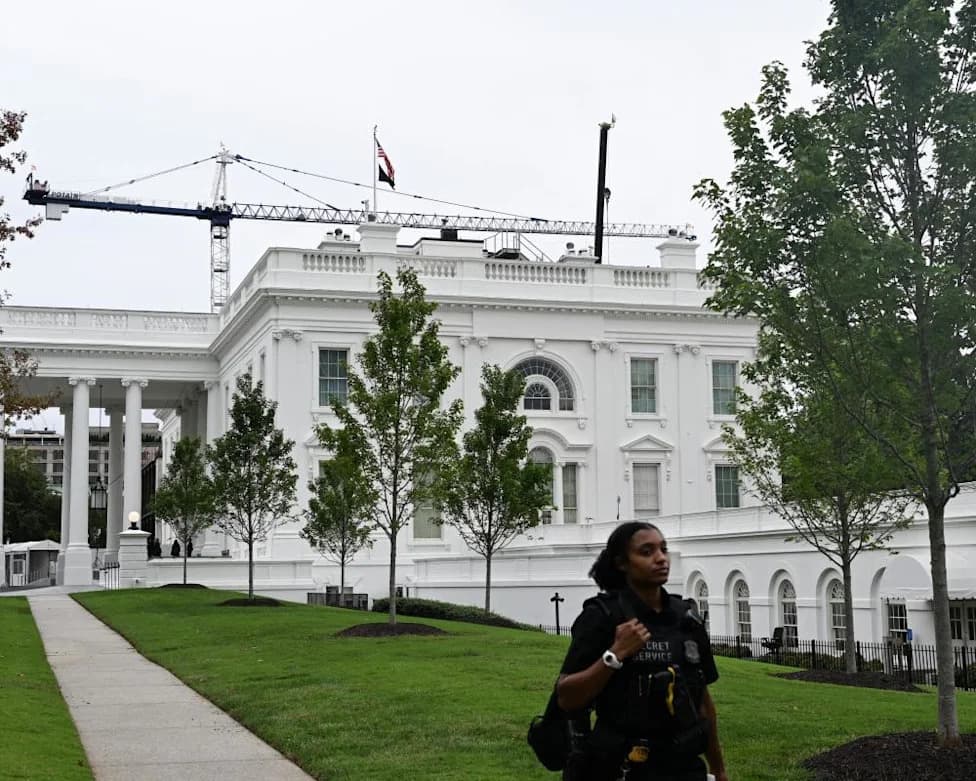
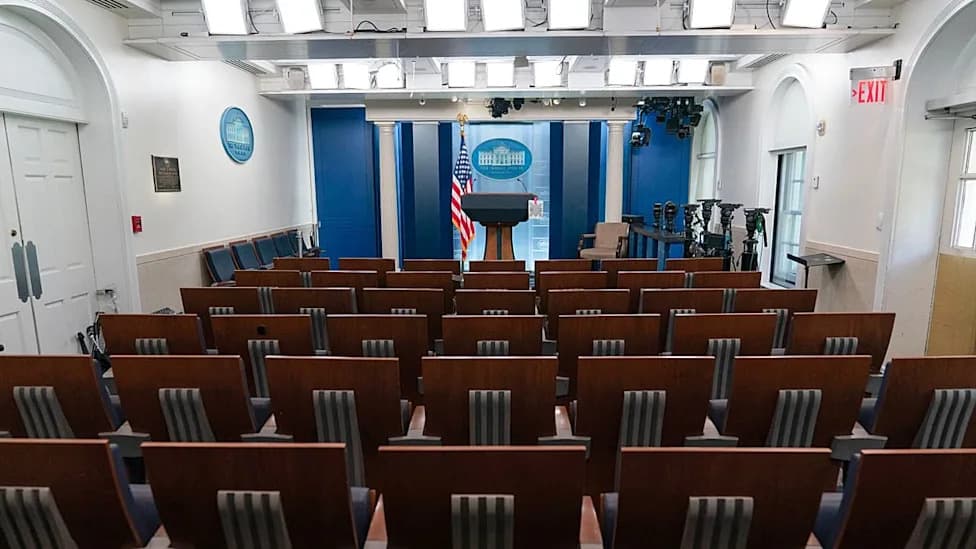
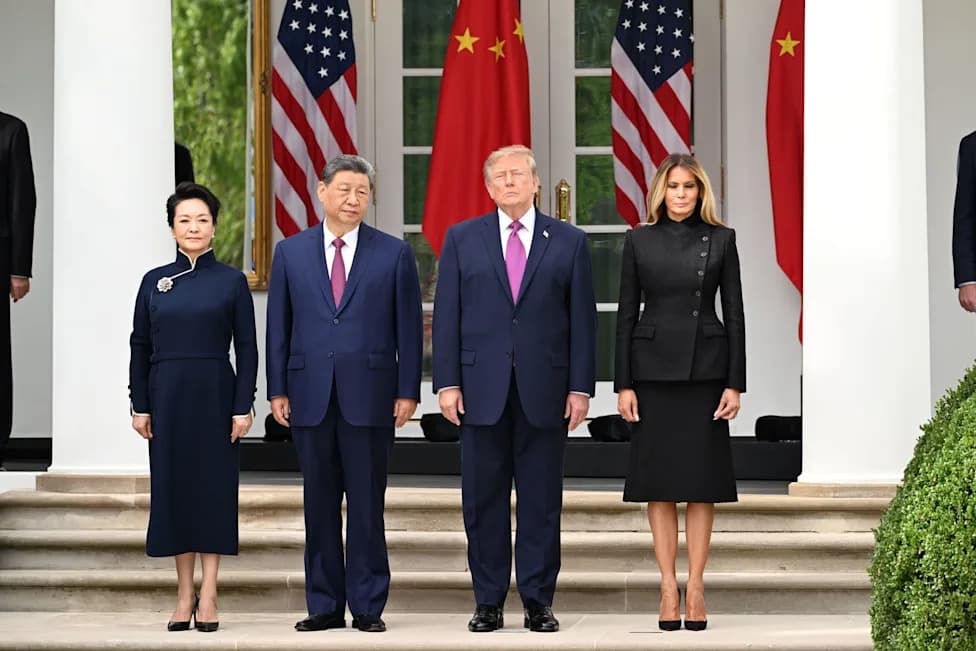
Journalists from CNN and MS Now say they were blocked from covering the White House state dinner for Chinese President Xi Jinping even after a federal judge ordered the administration to restore their press credentials for a 14-day period.
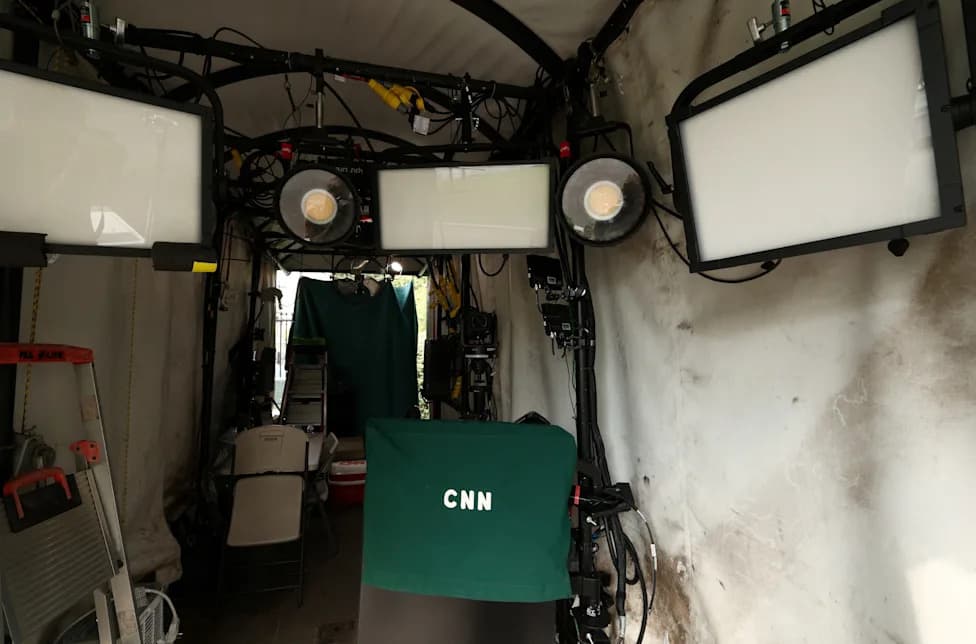
About an hour before Xi's arrival, White House officials told CNN it could participate in pool coverage but limited the network to a photojournalist and an audio technician, excluding the editorial team of a reporter and a producer. MS Now said its White House correspondent, Laura Barrón-López, was likewise denied credentials; when she asked why, a staffer reportedly told her to 'talk to Steven,' an apparent reference to White House communications director Steven Cheung.
Timeline and Official Statements
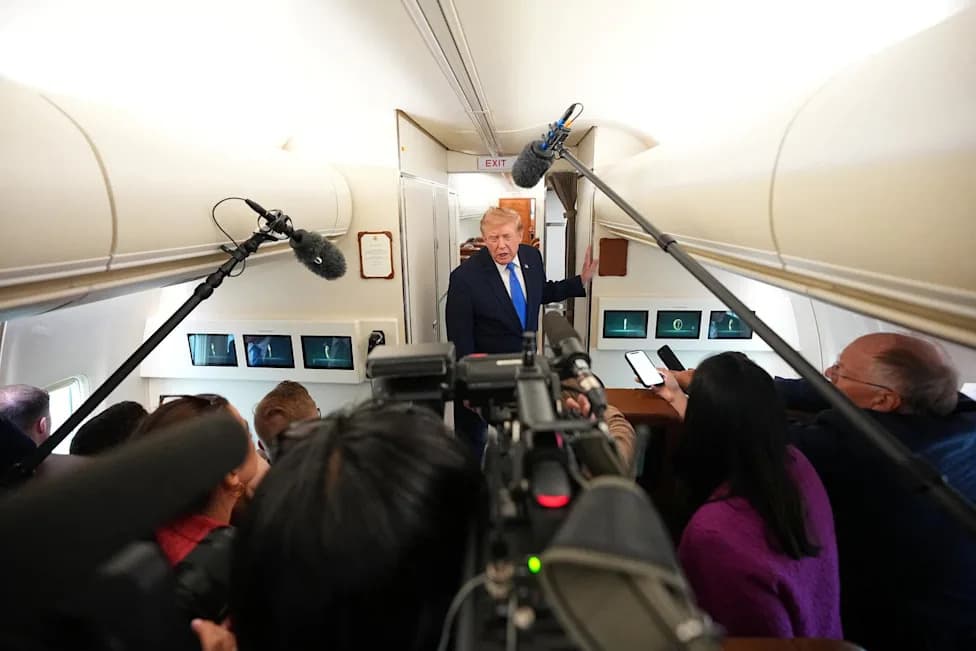
U.S. District Judge Timothy Kelly issued an early-morning order requiring the Trump administration to restore access for journalists from CNN, MS Now and Politico for 14 days after the outlets were banned the previous Saturday. The ban followed an abrupt presidential order accusing the outlets of constant 'reporting' of 'FAKE NEWS.' The outlets quickly sued, alleging the suspension violated press freedoms and due process.
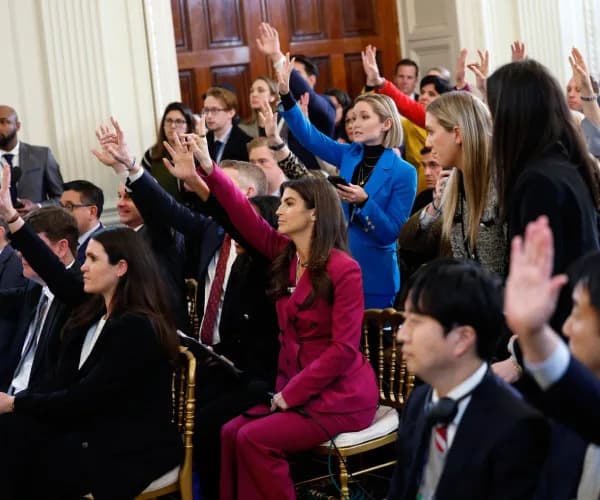
Lawyers for the three organizations said reporters were initially turned away and that some journalists had hard passes confiscated even after the judge's order. In a court filing, the outlets asked for an expedited conference, saying the administration had 'repeatedly violated' the overnight order to return the badges.
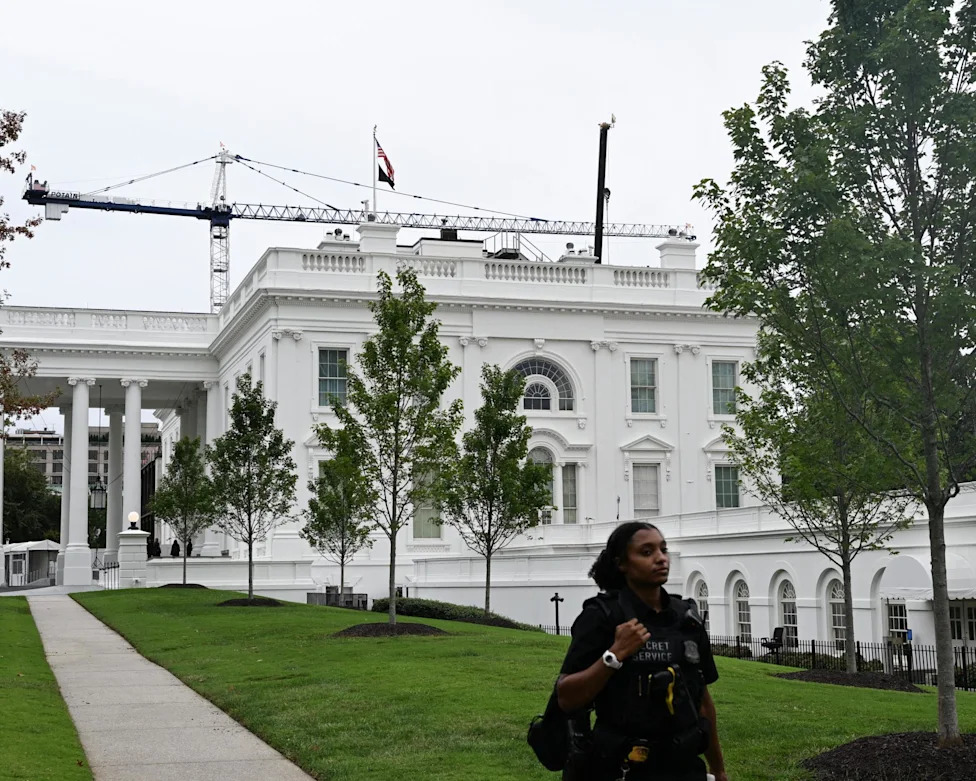
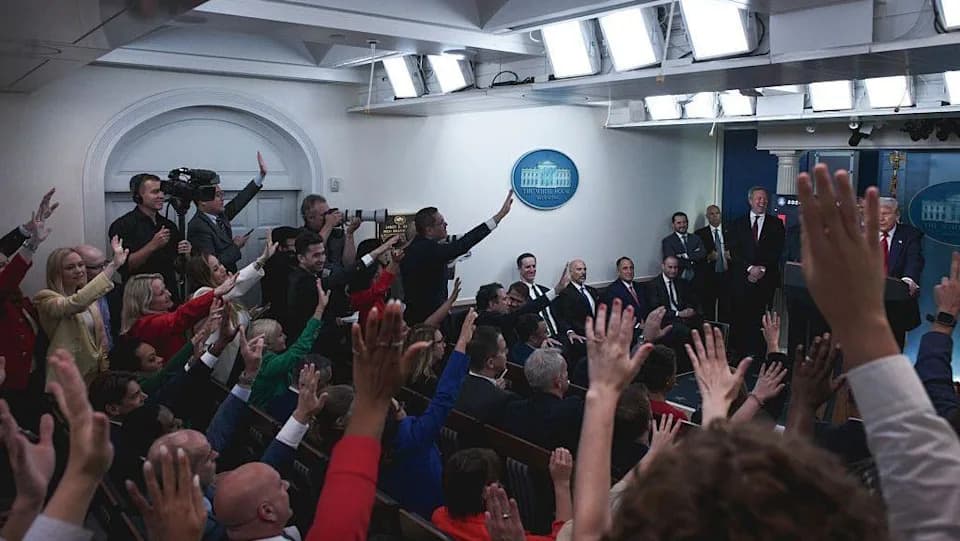
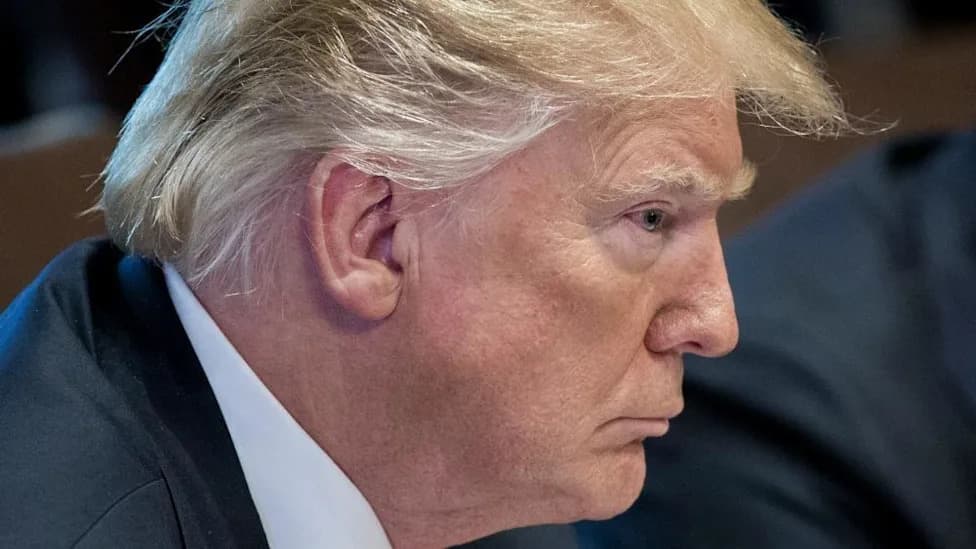
A judge has ordered the Trump administration to restore White House access to several media outlets.(Photograph: Alex Wroblewski/AFP/Getty Images)
In a sworn statement filed later that day, Micah Stopperich, the White House director of press operations, said the operations team was notified at 7:10 a.m. to restore access and began reactivating badges at 7:25 a.m. According to the filing, the Secret Service indicated badges were reactivated by 9:07 a.m., and seized badges were dropped off at the press gate shortly before 10:00 a.m. 'United States Secret Service has represented that press passes that were turned on were available for pick up at the press gate as soon as they were delivered,' Stopperich wrote.
Legal Arguments and Court Reaction
The Justice Department defended the ban in court filings, arguing it was justified on national-security grounds and citing examples of reporting that relied on non-public information. But Judge Kelly said the way the White House revoked the passes likely violated journalists' due-process rights and relied on precedent from the D.C. Circuit.
"Plaintiffs are also likely to succeed in showing that their hard passes were revoked without constitutionally adequate due process," Kelly wrote, noting that individuals must receive notice and an opportunity to be heard before the government deprives them of a protected interest.
The judge emphasized that the White House must publish rules or standards describing conduct that could lead to revocation and must give reporters fair notice of both the conduct and possible sanctions. The three outlets said they received no prior notice and only received formal letters on Tuesday asserting violations of 'standards of professionalism and decorum.'
An expedited preliminary-injunction hearing will be held during the 14-day restoration window. Attorneys for CNN, MS Now and Politico hailed the ruling as a vindication of press freedom; the White House indicated it would appeal any adverse decision.
Why It Matters: The dispute raises central questions about press access to government facilities, due-process protections for journalists, and whether content-based decisions on accreditation can withstand judicial scrutiny.
Help us improve.