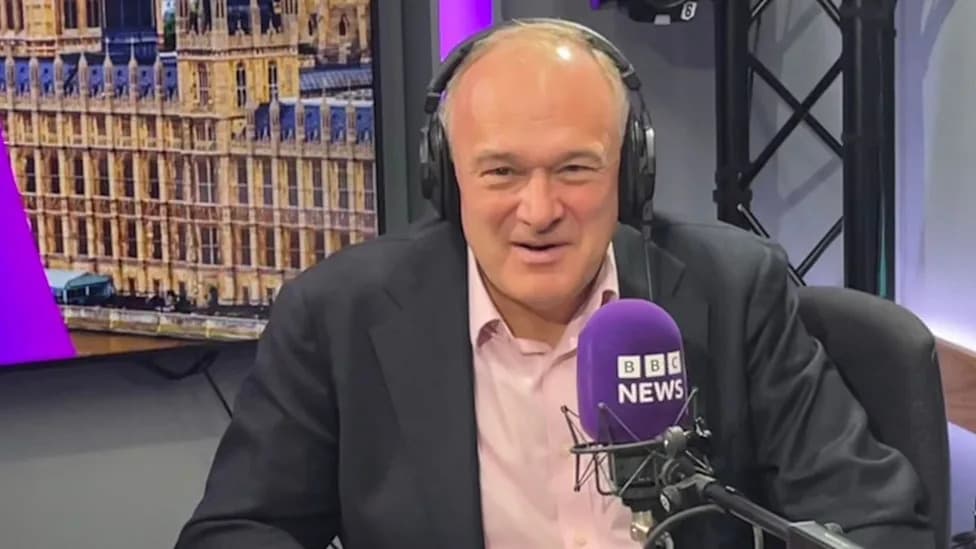
The Liberal Democrats are stagnating at about 10% in national polls, trailing the Greens, yet enjoying a local renaissance across the east of England. The party now has seven regional MPs, 550+ councillors and leads 14 authorities, credited largely to relentless grassroots campaigning. Delegates at the Brighton conference will debate whether local gains can be broadened into a clear national vision that addresses cost of living pressures and NHS problems, while also countering Reform UK.
Low National Polls, High Local Gains: Why Lib Dems Are Smiling In The East Of England
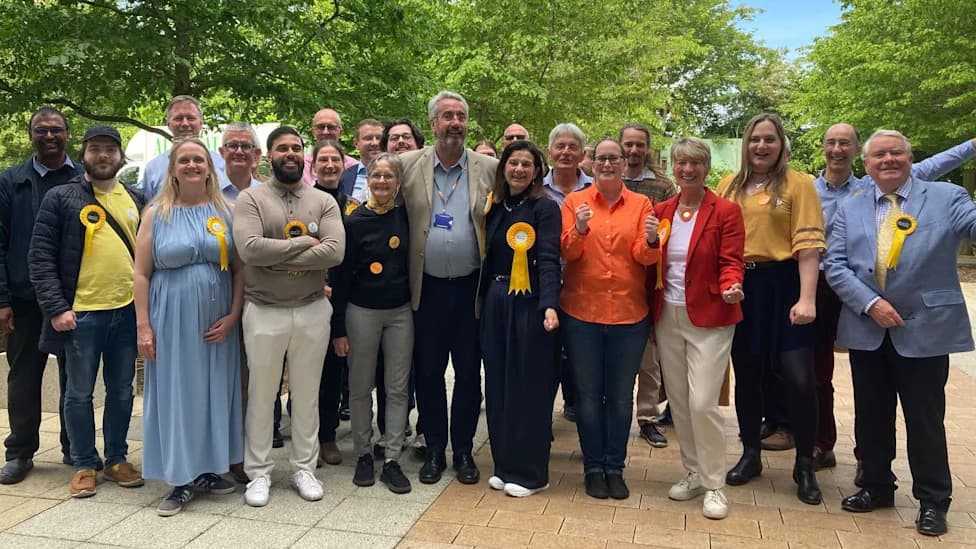
The Liberal Democrats won nearly every seat on South Cambridgeshire District Council in this year's local elections [Emma Howgego/BBC]
The Liberal Democrats may be stagnating at roughly 10% in national opinion polls, but across the east of England the party is enjoying a remarkable local revival. As delegates gather in Brighton for the annual conference, local activists and MPs are optimistic — while acknowledging serious questions remain about national messaging and leadership.
A Regional Resurgence
Once humbled by the 2015 losses after the coalition years, the Lib Dems in the east have rebuilt from the grassroots. Today the party boasts a record seven MPs in the region and more than 550 councillors. It leads 14 local authorities — including the unitary Milton Keynes and the county councils of Cambridgeshire and Hertfordshire — and plays a leadership role in ten additional councils with no overall control.
Some local victories have been emphatic: this year the Lib Dems took all but two seats on South Cambridgeshire District Council and won all 12 Watford seats contested. The party also now represents constituencies where it has rarely succeeded before, such as Chelmsford, Harpenden and parts of rural Cambridgeshire.
How They Did It
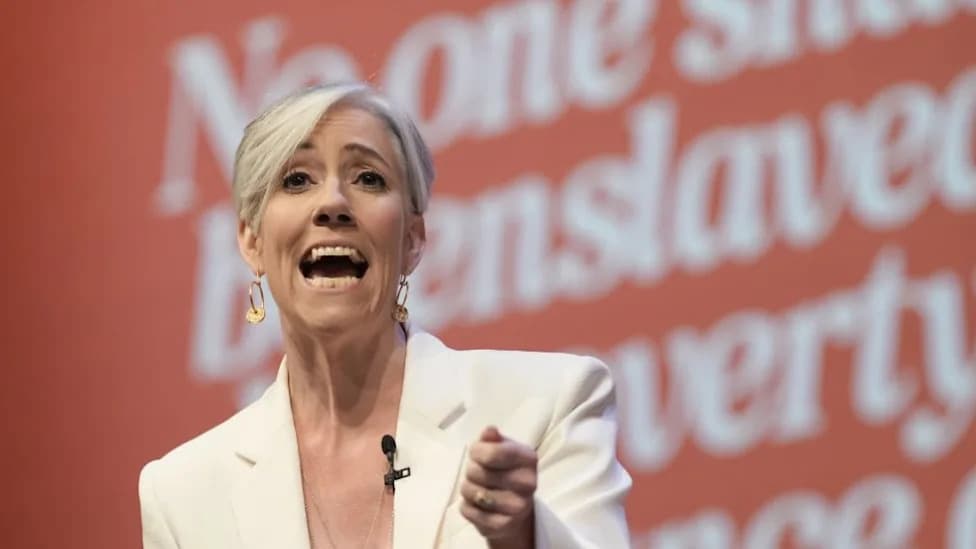
Local members and MPs credit relentless grassroots campaigning. "We win through our ground game," Deputy Leader and St Albans MP Daisy Cooper told BBC Politics East. "Where we get Lib Dem MPs and councillors elected, they dig in and become community champions."
Lorna Dupre, deputy leader of Cambridgeshire County Council, echoed the point: "We live locally, we talk to people all year round and people really feel that we have their interests at heart — success breeds success."
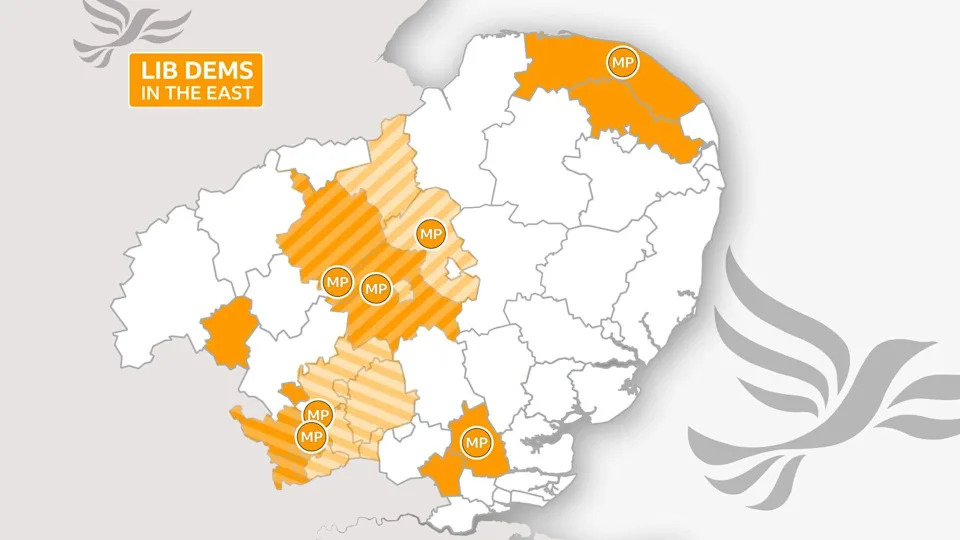
The Lib Dems are in charge in all the district authorities coloured in orange, while the shaded areas show Cambridgeshire and Hertfordshire county councils where they also have overall control. "MP" denotes the party's seven Parliamentary seats [BBC]
Politics Beyond Local Government
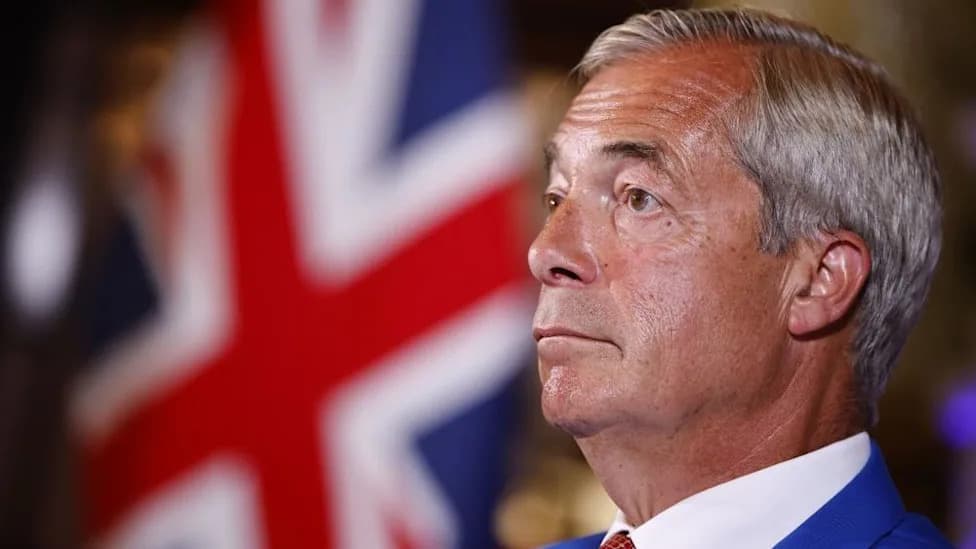
At conference fringe events and in private discussions, Reform UK is a recurring topic. In parts of the east where Reform is strong, Lib Dems are positioning themselves as the main local counterweight to Nigel Farage's party. "I think the map of the east is going to get more orange next year because people want to know who is going to stand up to the far right in the UK," said Steff Aquarone, MP for North Norfolk. He argues that strong local records on council services offer a clear pitch to voters.
National Challenges Remain
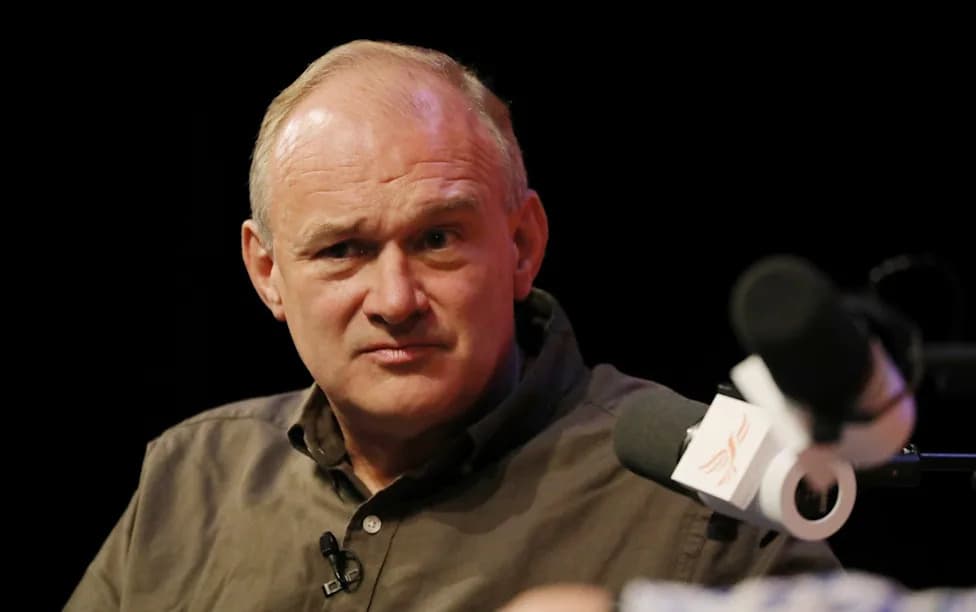
Despite regional success, national relevance is not guaranteed. Polls put the party in fifth place behind the Greens and show little movement, while surveys timed with the conference suggest many voters are unsure what the Lib Dems now stand for. There are also grumbles about Sir Ed Davey's leadership and calls from some members for a bolder, clearer national vision.
"Just being less bad than the other lot isn't enough on its own," Aquarone said. "I'm interested in us setting out a bold vision for what it's going to look and feel like to live in a liberal Britain." Dupre added: "It's got to be a vision about freedom, fairness and community and about tackling the issues that matter to people, like the cost of living and the appalling state of the NHS."
What To Watch At Conference
The Brighton conference will test whether the party can translate its local momentum into a clear national narrative. Key questions include whether the leadership can unify the party around a forward-looking platform, how strongly the Lib Dems will define themselves against Reform UK, and whether they can present practical plans on bread-and-butter issues such as living costs, social care and the NHS.
Bottom line: The Lib Dems’ eastern surge shows the power of sustained local engagement — but to convert regional gains into wider electoral success they must sharpen their national message and offer voters a compelling vision of liberal Britain.
Help us improve.