Russell Warfield's new book examines Zack Polanski's rapid rise as leader of the Green Party of England and Wales, tracing a dramatic membership surge and notable by-election and local gains. While eco-populist messaging has driven momentum, the party now faces a tougher landscape after Andy Burnham's return and Labour's consolidation. Warfield argues the Greens lack the organisational capacity and programmatic clarity to make a serious shift from populist communication to a durable ecosocialist programme.
Polanski’s Greens: From Eco-Populism to an Unfinished Ecosocialist Project
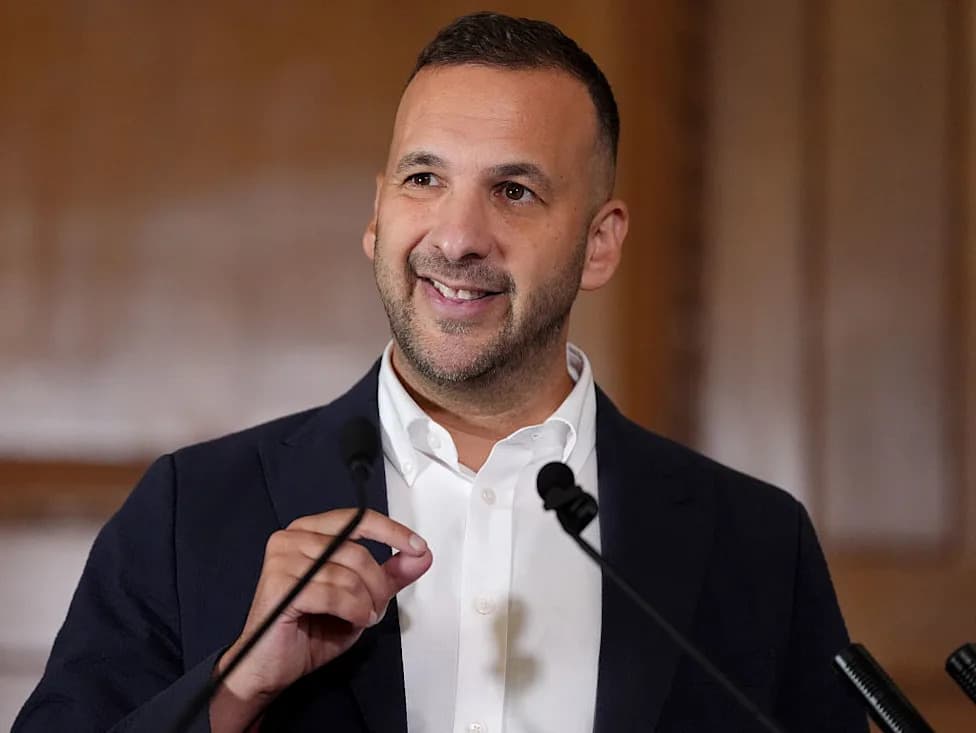
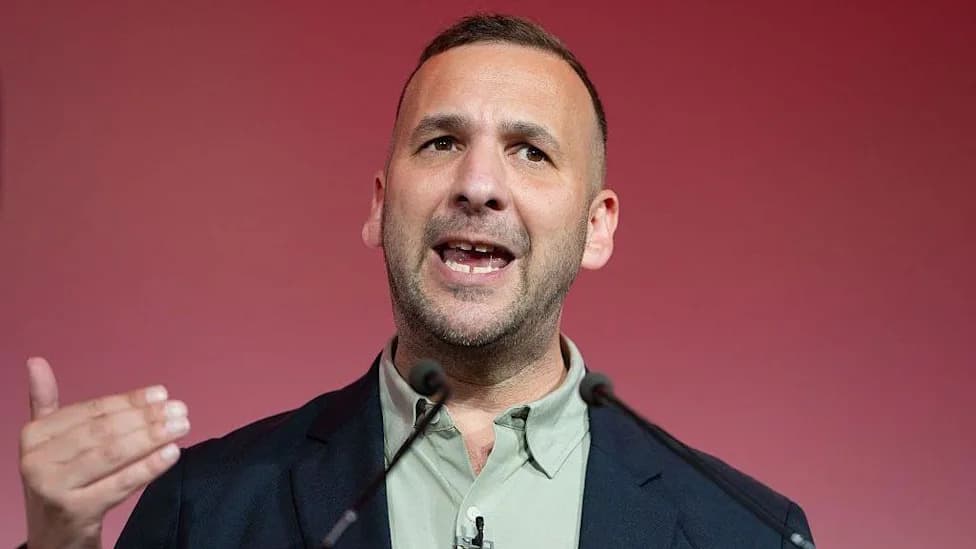
Over the last year, Zack Polanski's Greens benefited from widespread disgust at Keir Starmer's Labour Party. Yet with new Prime Minister Andy Burnham offering a change of tone, it's unclear how far the Greens can displace Labour. (Jonathan Brady / PA Images via Getty Images)
The Green Party of England and Wales has shifted from the political margins to a force of national significance since Zack Polanski won the leadership in September 2025 on an eco-populist platform. Under his stewardship the party has defined itself in opposition to Labour, rejecting Keir Starmer's stance on Israel and Gaza, his fiscal austerity, tougher migration measures, and a perceived hard line on protest.
Polanski’s Rapid Rise
Polanski's political development has been unusually fast. He began in the Liberal Democrats in 2015, joined the Greens in 2017 after an unsuccessful Lib Dem candidacy bid, and rose from London Assembly member and deputy leader to win the national leadership last year. His appeal has drawn veterans of the Corbyn era and a younger generation, and his messaging—framing environmental justice through a populist lens—has energized a substantial influx of members.
Membership Surge and Electoral Gains
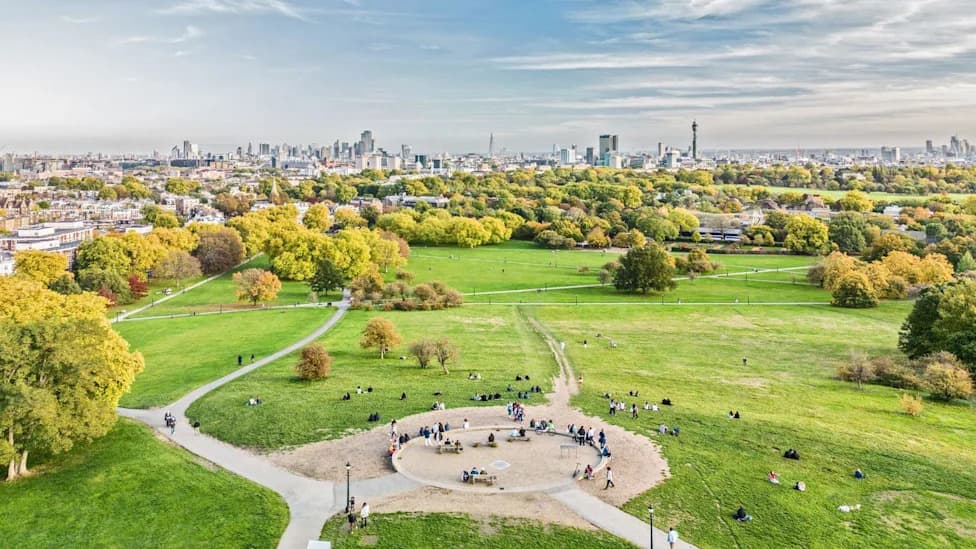
Membership has reportedly climbed from roughly 66,000 to more than 230,000 in a year. The Greens converted some of that momentum into electoral success: Hannah Spencer won the Gorton and Denton by-election in February, the party enjoyed its best-ever local election results in May, and Polanski is now contesting the Holborn and St Pancras by-election for a seat vacated by Keir Starmer.
New National Context
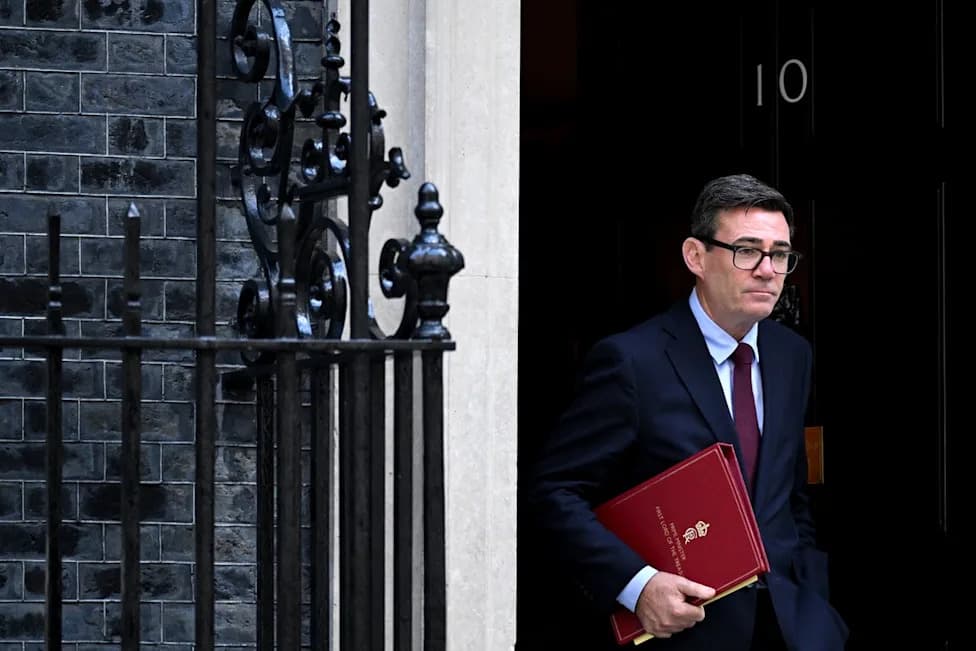
Warfield's book went to press before a major political shift: Andy Burnham's return to the House of Commons and his subsequent replacement of Starmer as prime minister. That change complicates the Greens' path. Burnham's blend of Northern identity politics and centrist-populist appeals, plus his willingness to criticise neoliberalism, means Polanski no longer monopolises the space of alternative hope on the Left. Labour's consolidation—illustrated by its decisive Greater Manchester mayoral victory on July 30—underscores this altered terrain.
Three Competing Electoral Aims
Within the Greens, three overlapping electoral aims have emerged: to supplant Labour as the main party of the Left; to block Nigel Farage's Reform UK from advancing; and to represent a progressive social bloc focused on migrants' rights, climate justice, and anti-fascist solidarity. Each ambition pulls the party in different directions and creates strategic tension for a movement still clarifying its priorities.
Eco-Populism Versus Ecosocialism
Eco-populism functions primarily as a communication strategy—mobilising a broad "people" against elites by foregrounding inequality and environmental grievance.
Ecosocialism is a programmatic political project that seeks to organise production and distribution within ecological limits, potentially challenging capitalist growth imperatives.
Warfield and elements of Greens Organise press for an ecosocialist programme—an explicit commitment to democratic ecological planning and systemic transition—while Polanski has presented a more flexible, eco-populist message. That gap between rhetorical style and deeper programme matters: ecosocialism requires structural clarity about how to reconcile social justice with rapid decarbonisation.
Organisational Constraints
Warfield highlights the party's membership and democratic structures as sources of hope but also warns they are insufficient as currently configured. The Greens' open conference model—where any member may attend and vote—can aggregate individual preferences without building sustained collective deliberation or accountability. The absence of a binding whip means councillors and MPs can prioritise local concerns over agreed national strategy, complicating programmatic cohesion. Greens Organise, despite its enthusiasm, has not yet resolved these foundational organisational questions.
What Comes Next
The Holborn and St Pancras by-election is a pivotal test: a win would strengthen the argument that the Greens can pressure Labour from the left and win seats beyond their traditional base; a loss would slow momentum and prompt difficult questions about strategy and organisation. Regardless of the immediate outcome, the party faces a genuine choice: continue to refine an electorally effective eco-populism or undertake the harder work of building a durable ecosocialist project—remaking internal structures, clarifying policy, and developing sustained organising capacity.
Conclusion: Warfield's account is a timely primer on the contradictions and possibilities of the Polanski project. It shows a party with real energy and reach, but one that must confront organisational limits and programmatic ambiguity if it hopes to translate short-term momentum into a lasting political force.
Help us improve.