Summary: Turkish President Recep Tayyip Erdogan told Newsweek that the Russia-Ukraine war risks spilling into NATO territory amid rising drone incidents and alleged sabotage across Europe. He urged restraint and evidence-based responses to avoid escalation and positioned Türkiye as a potential mediator, citing past roles such as the 2022 Istanbul talks and the Black Sea Grain Initiative. Erdogan said Ankara is ready to help restart negotiations if leaders on both sides show political will.
Erdogan Warns Russia-Ukraine Conflict Could Spill Into NATO, Urges Restraint and Offers Mediation
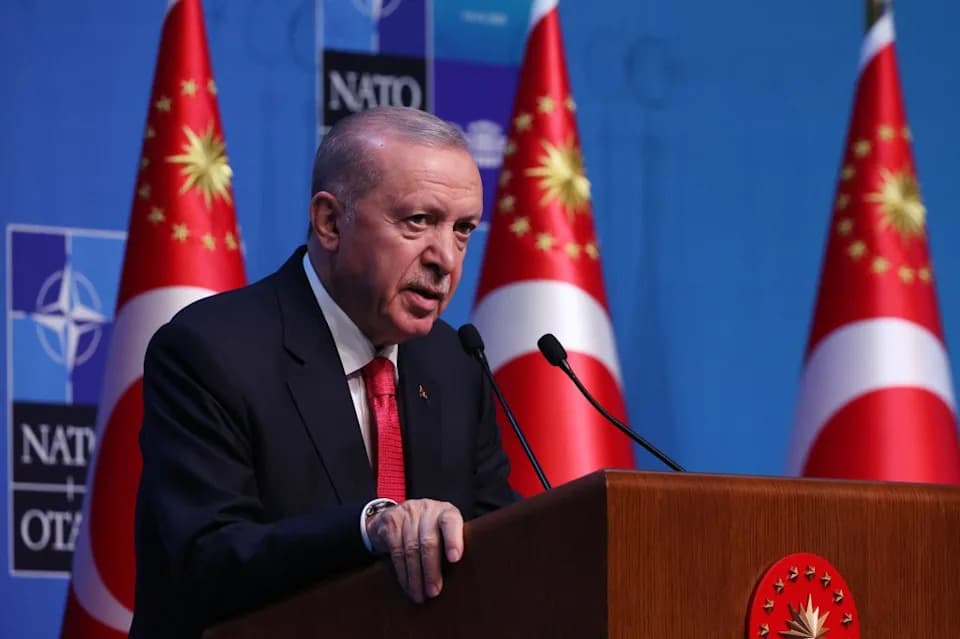
Turkish President Recep Tayyip Erdogan holds a press conference at the Beştepe Presidential Compound during the NATO Summit on July 8, 2026, in Ankara, Turkey.
Turkish President Recep Tayyip Erdogan warned Newsweek that rising tensions tied to the Russia-Ukraine war risk drawing the conflict into NATO territory and called for measured, evidence-based responses to avoid escalation.
"We do not disregard the risk of the Russia-Ukraine war spreading to a wider region," Erdogan said in an exclusive interview. "Allegations of sabotage and hybrid activities in Europe are also adding to the fragility of the current security environment." He added that Ankara's role should be to seek de-escalation rather than pursue bellicose measures.
Recent Incidents Raise Alarm
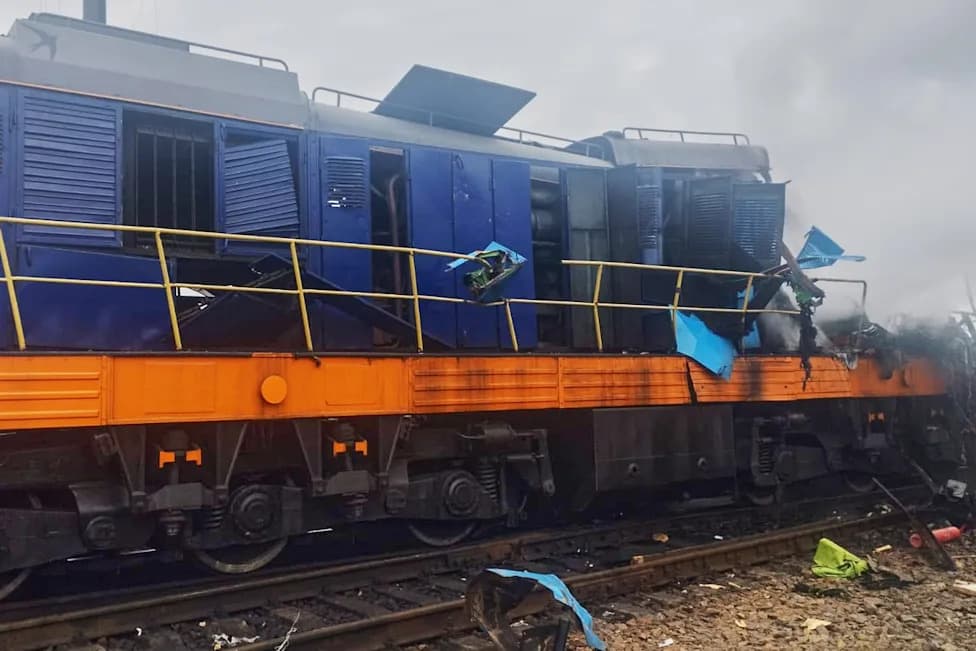
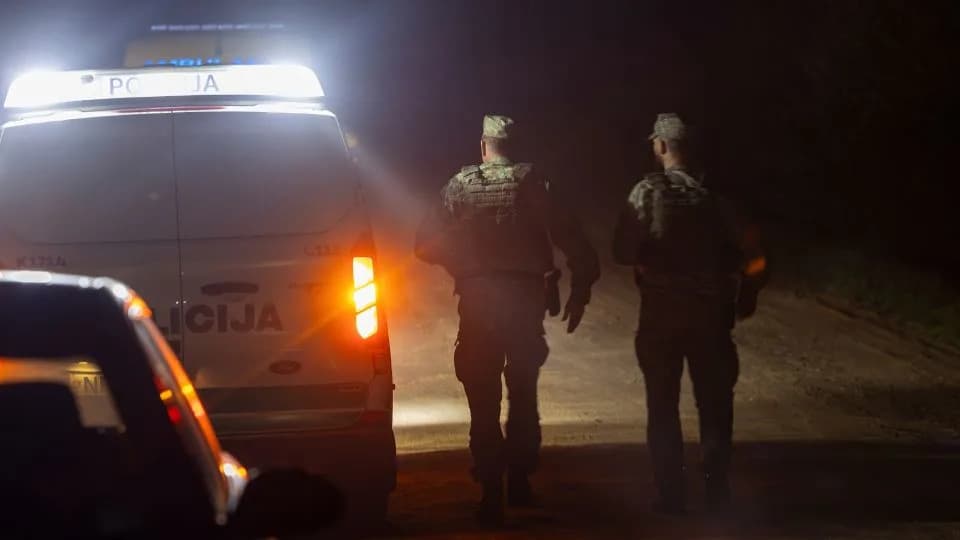
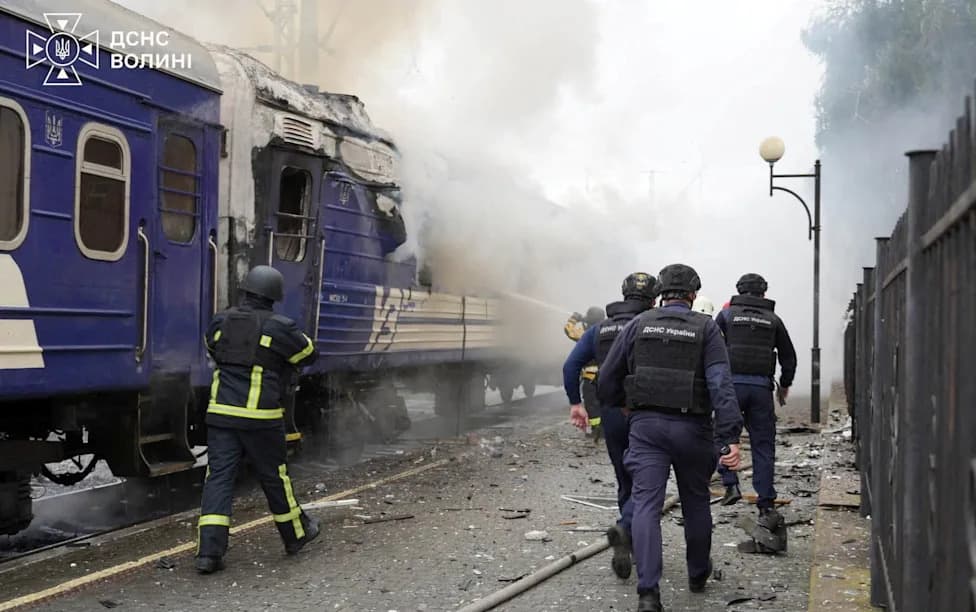
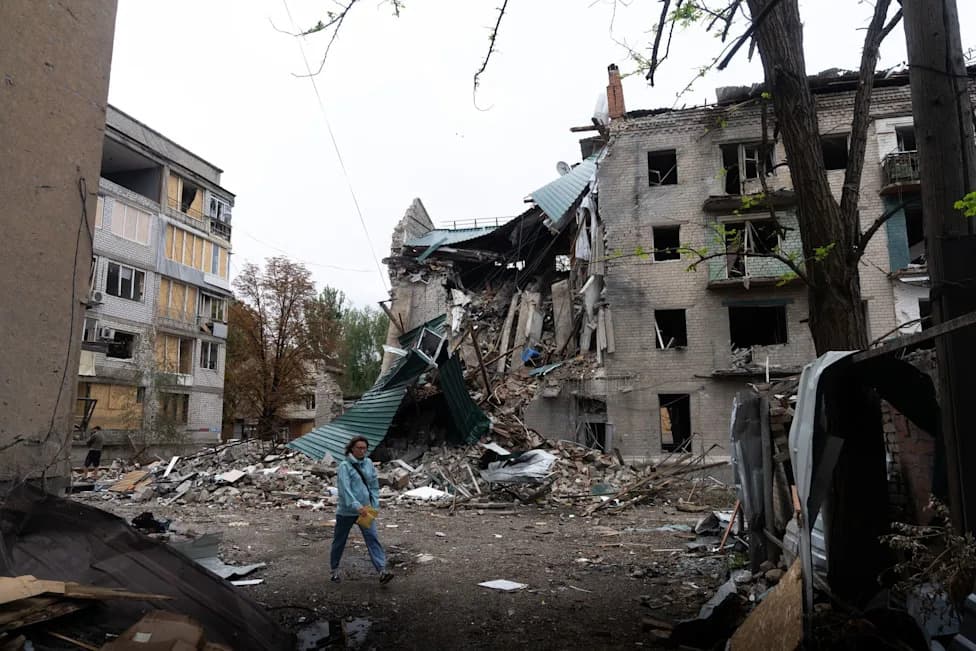
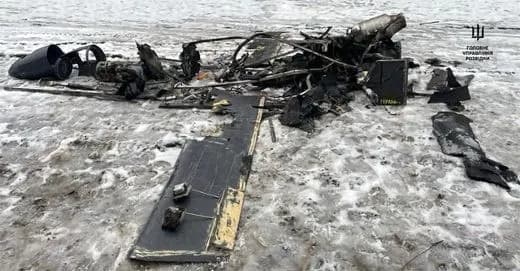
Since Russia's February 2022 invasion of Ukraine, NATO countries have reported several spillover incidents, most commonly missiles and drones landing in neighboring states. Over the past year, such reports have increased: almost two dozen drones reportedly crossed into Polish airspace in September, and dozens of drone sightings have been logged across Europe since then, with many officials pointing to suspected Russian involvement — which Moscow denies.
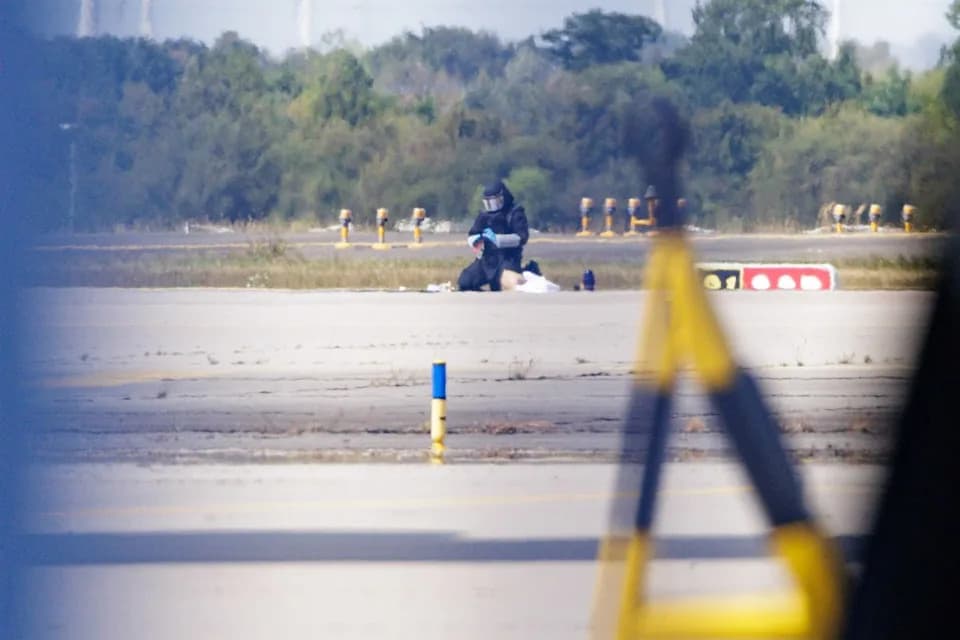
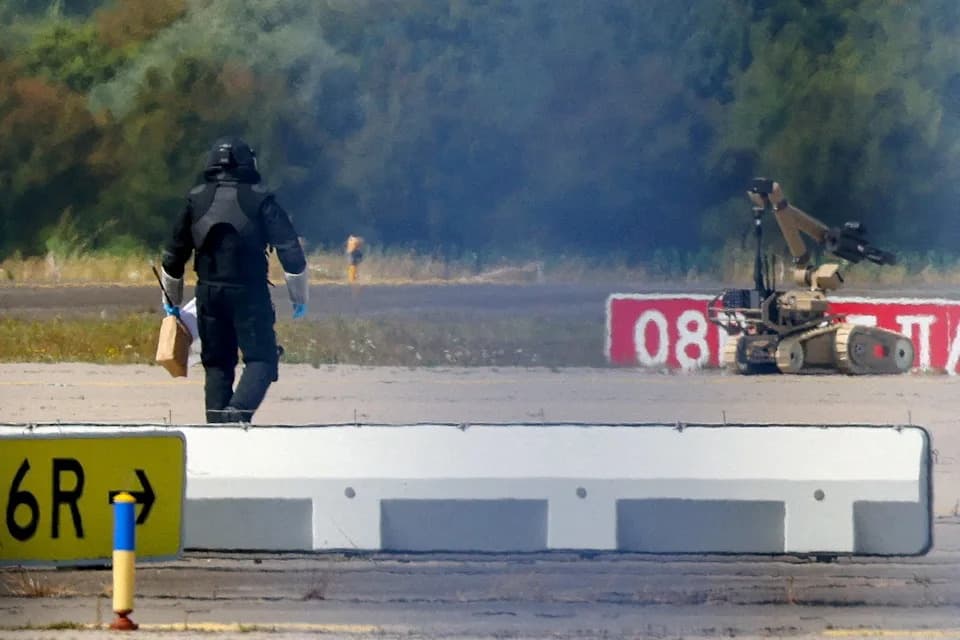
One high-profile episode saw Germany accuse Russia after an explosive drone was discovered near a Ukrainian cargo plane at Leipzig airport. Poland, Moldova and Lithuania have reported fresh drone incursions in recent weeks, and NATO jets shot down a drone believed to have entered Lithuanian airspace from Belarus. A recent drone sighting in Germany briefly forced the closure of Berlin's airspace for about 45 minutes.
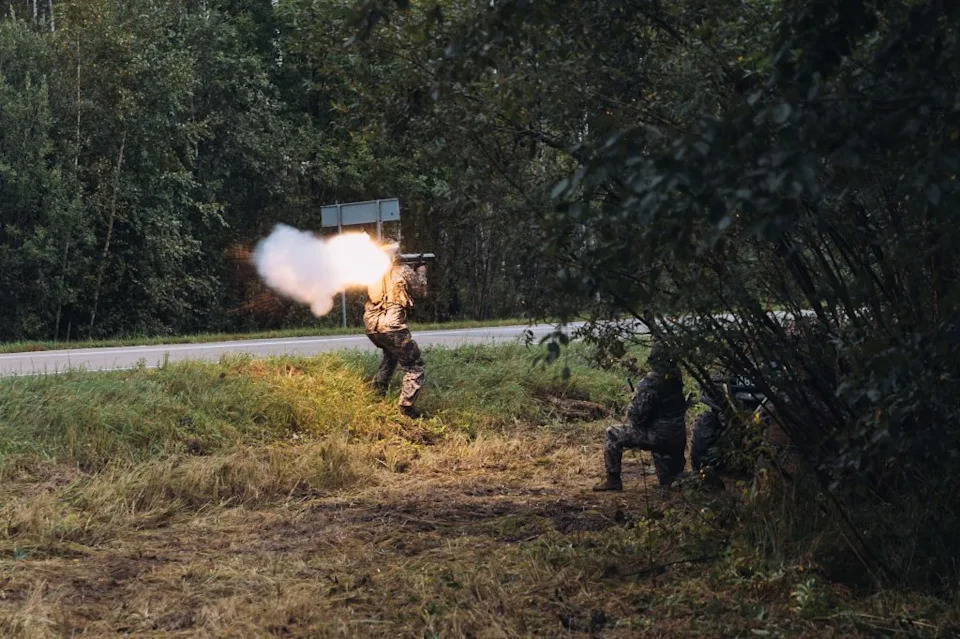
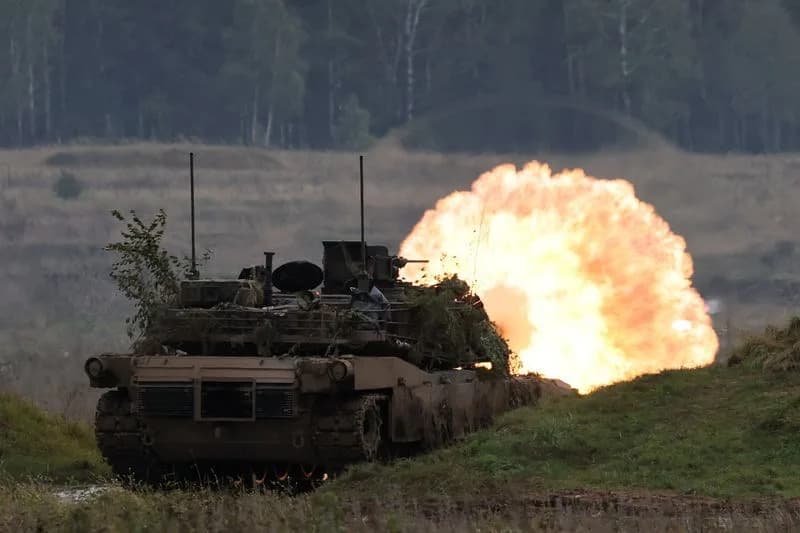
Latvian and allied NATO forces participate in the NAJMES 2026 military exercises in Latvia on September 23, 2026.
Hybrid Warfare Concerns
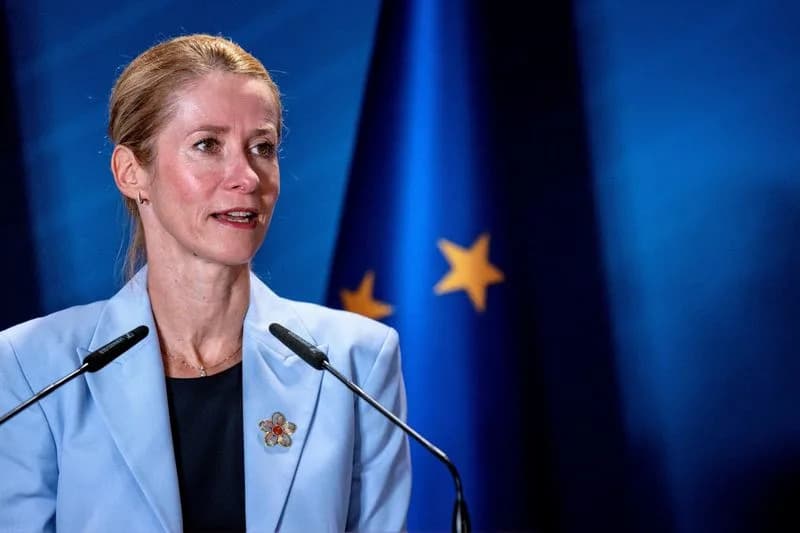
European leaders have warned of a possible Kremlin-driven "hybrid warfare" campaign that could include sabotage, airspace violations and disinformation designed to intimidate European governments and weaken support for Ukraine. EU foreign policy chief Kaja Kallas warned of a "fast-proliferation of sabotage attacks and airspace violations" and said such actions seek to pressure Europe to reduce its backing for Kyiv.
"As Russia is willing to take greater risks, Europe must impose greater costs," Kallas said.
Russian officials, in turn, accuse some European states of waging their own form of hybrid pressure on Moscow via expanded military aid to Ukraine, sanctions and diplomatic measures. Dmitry Polyansky, Russia's representative to the Organization for Security and Co-operation in Europe, said Moscow has no plans to attack the EU or NATO but warned that growing tensions carry the danger of a wider confrontation.
Türkiye’s Mediation Role
Erdogan has positioned Türkiye as a mediator that can keep lines open to both Moscow and Kyiv. Ankara convened the Istanbul talks in April 2022 and helped broker tangible agreements such as the July 2022 Black Sea Grain Initiative and several prisoner exchanges. Erdogan emphasized that being able to talk to both sides is a prerequisite for mediation.
"Türkiye's position on the Russia-Ukraine war has remained unchanged for over four years," he said. "The Istanbul talks, the Black Sea Grain Initiative and prisoner exchanges are tangible outcomes of our ability to engage with both sides. Türkiye is a strong NATO ally." He added that Ankara stands ready to resume shuttle diplomacy if the leaders in Moscow and Kyiv demonstrate the political will to negotiate.
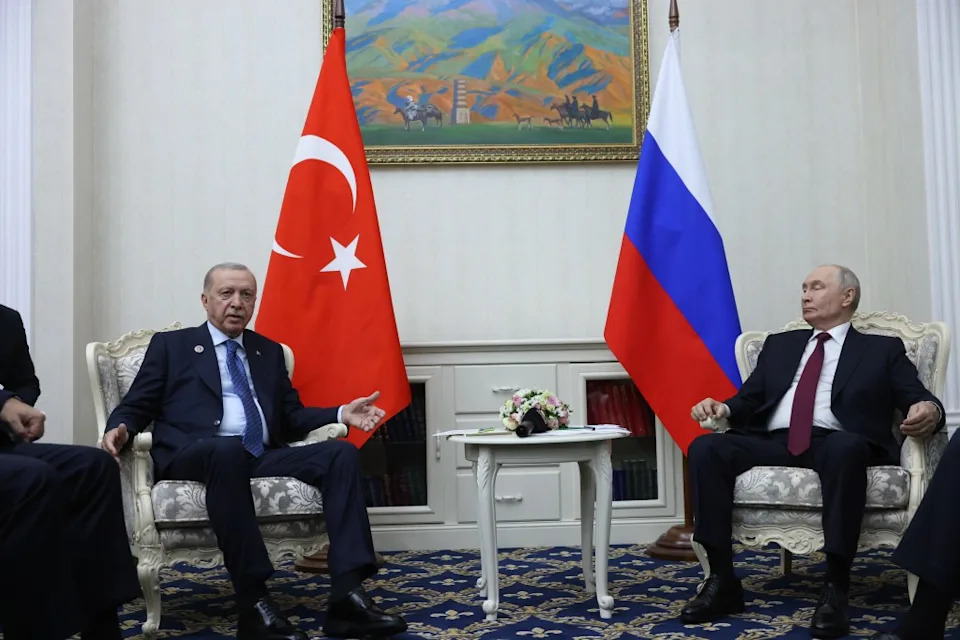
Russian President Vladimir Putin, right, looks on as Turkish President Recep Tayyip Erdogan speaks during their bilateral meeting on September 1, 2026, in Bishkek, Kyrgyzstan.
Wider Foreign-Policy Ambitions
Beyond the Russia-Ukraine war, Erdogan said Turkey is deepening ties with multilateral bodies including the Shanghai Cooperation Organization, the Organization of Turkic States, the Organization of Islamic Cooperation, the G-20 and the D-8. He also highlighted regional infrastructure projects that increase connectivity with China and Gulf states.
Noting multiple regional tensions, Erdogan argued that instability to Turkey's north, south and east — and disruptions to energy trade — reinforce Ankara's interest in de-escalation and diplomacy. "The world is going through profound shifts," he said. "At times like these, it is the collective responsibility of the international community to expand the space for diplomacy rather than narrow it."
Conclusion
Erdogan presented Turkey as a partner that balances alliance commitments with independent diplomacy, offering mediation while urging caution and evidence-based responses from Western capitals. He said Ankara would participate in efforts to bring both sides back to the negotiating table when political conditions allow.
Contact: Tom O'Connor and Dave Siminoff, Newsweek editors.
Help us improve.