The Church of England faces a deepening crisis in parish ministry as stipendiary clergy numbers have fallen from 14,603 in 1960 to about 6,295 today, with many priests over 55. Studies including the Windsor Report and Living Ministry highlight burnout, isolation and a rising wave of resignations driven in part by diocesan reorganisations and funding choices. Campaigners urge an immediate halt to further cuts, stronger theological formation and a "covenant of care" for clergy to protect vital local pastoral services.
Has the Church of England Abandoned Its Parish Mission? Inside the Crisis of Vicars and Parish Ministry
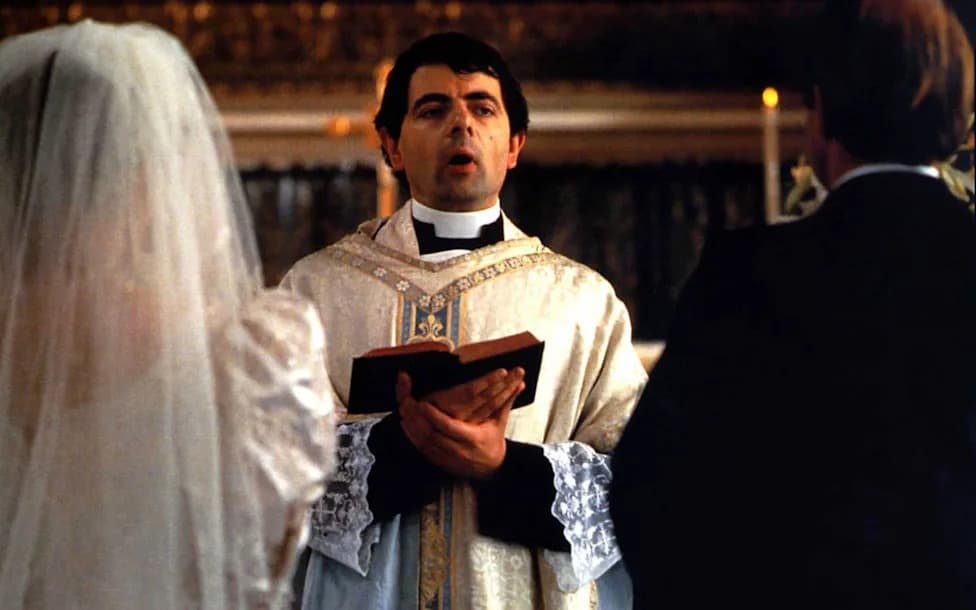
Beneath our satire of vicars, such as Rowan Atkinson's in Four Weddings and a Funeral, lies affection and a feeling of reassurance - Atlas Photography
British culture has long enjoyed affectionate lampoons of parish clergy — from Jane Austen’s obsequious Mr Collins to Dawn French’s warm Geraldine Granger in The Vicar of Dibley. But behind the jokes lies a far grimmer reality: the Church of England’s parish system is under severe strain, and the decline of stipendiary (paid) clergy threatens the social and pastoral work that parish priests provide across the country.
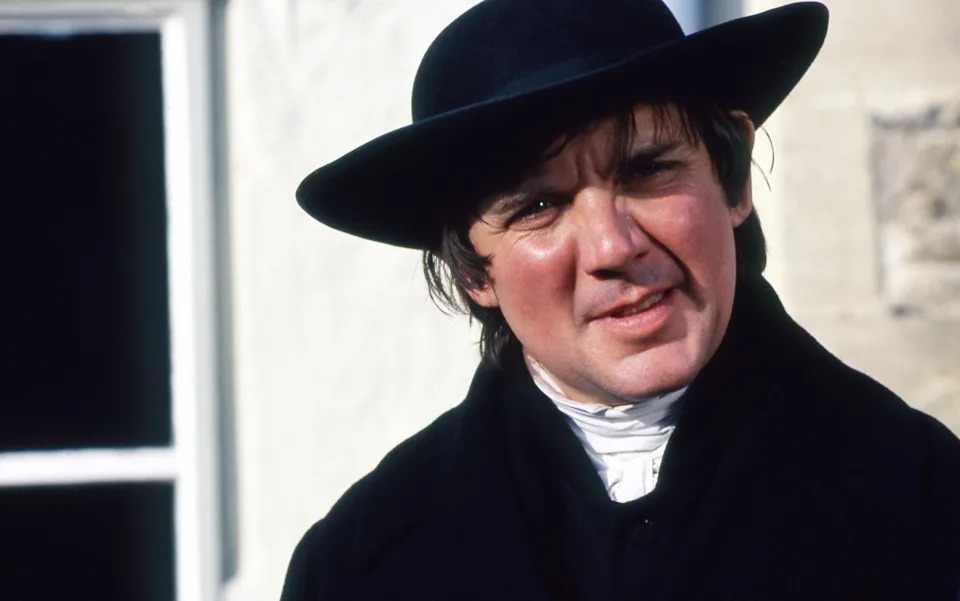
David Bamber as Mr Collins in the BBC's 1995 adaptation of Pride and Prejudice - BBC
From Cultural Touchstone to Institutional Crisis
The Windsor Report — formally titled "Addressing the Crisis in Stipendiary Clergy Numbers in the Church of England" — and other recent studies paint a stark picture. In 1960 the Church had 14,603 stipendiary clergy; today that figure stands at about 6,295. Nearly half of paid priests are over 55, and clergy aged 70-plus now strongly outnumber stipendiary priests. The Living Ministry study (2025) found 29% of active clergy show signs of depression and 40% feel isolated.
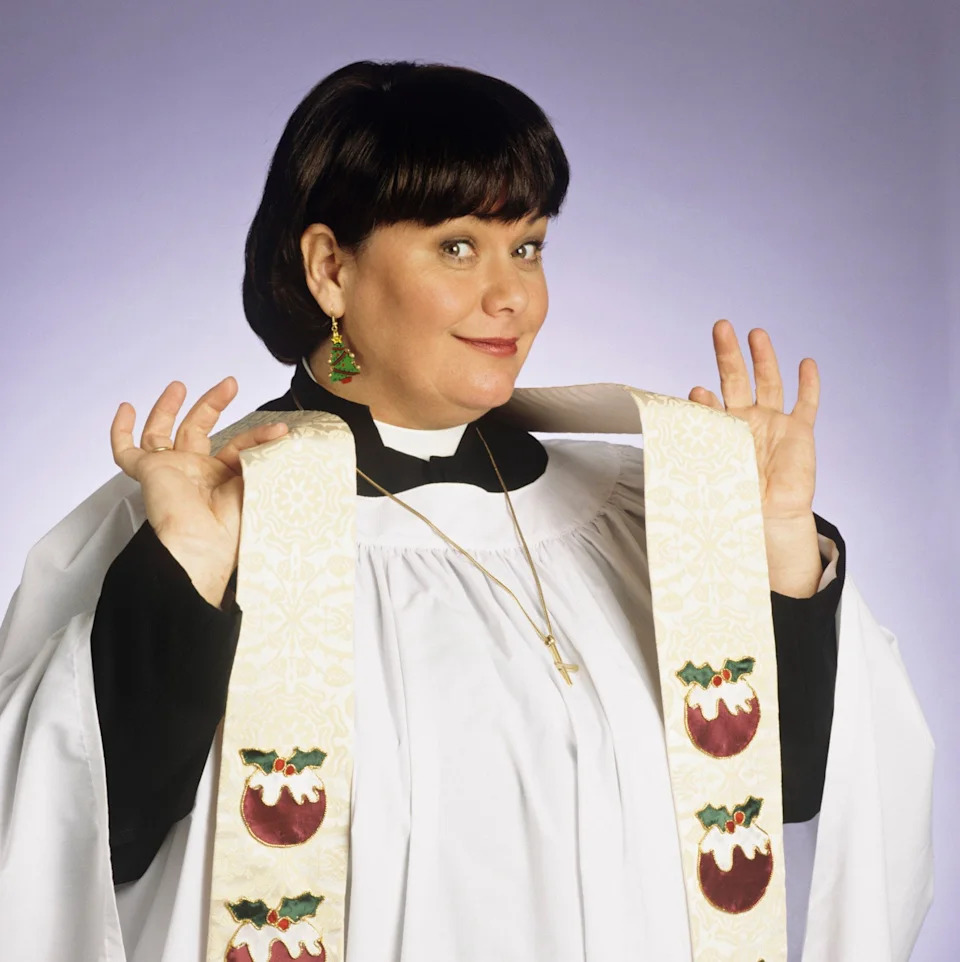
Geraldine Granger (Dawn French), better known as the Vicar of Dibley from 1994 to 2007 - BBC
How This Affects Parish Life
As paid posts are reduced and priests are stretched across multiple churches, frontline pastoral care — visiting the sick, running youth activities, supporting the elderly and vulnerable — is fraying. The Church’s internal studies warn of a "doom loop": cutting stipendiary clergy leads to shrinking congregations and donations, which in turn justify further cuts.
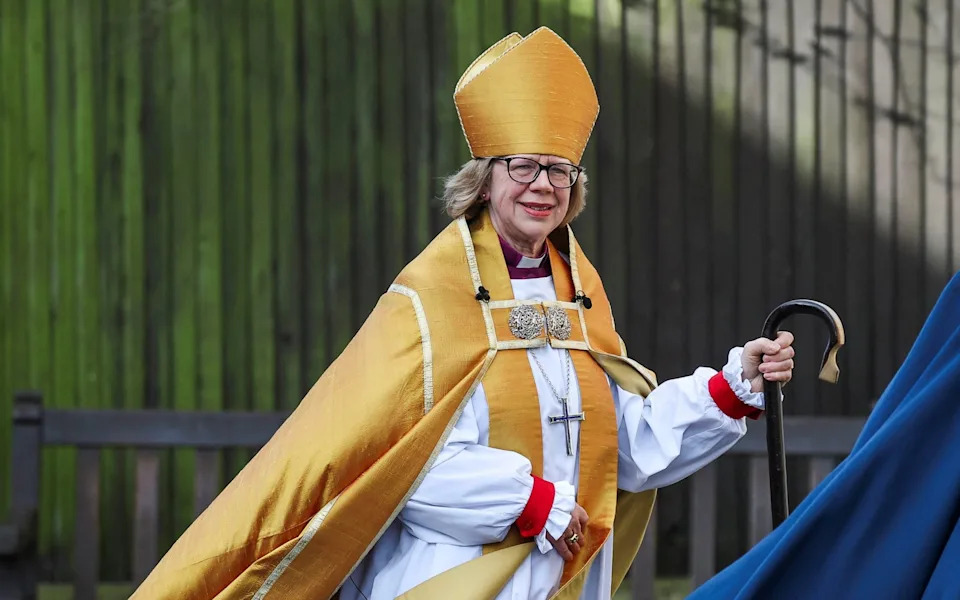
Dame Sarah Mullally, the Archbishop of Canterbury, who has recently returned from a 10-day tour of Africa - Toby Melville/Reuters
Institutional Priorities and Funding Choices
Critics point to institutional priorities and funding allocations that appear out of step with parish needs. Historic endowments overseen by the Church Commissioners generated roughly £653m annually in 2024, yet only about £85m (around 13%) was reported as going directly to parishes. Meanwhile, diocesan staffing ratios show increasing bureaucracy: recent consolidated accounts indicate roughly one diocesan bureaucrat for every 3.5 stipendiary priests.
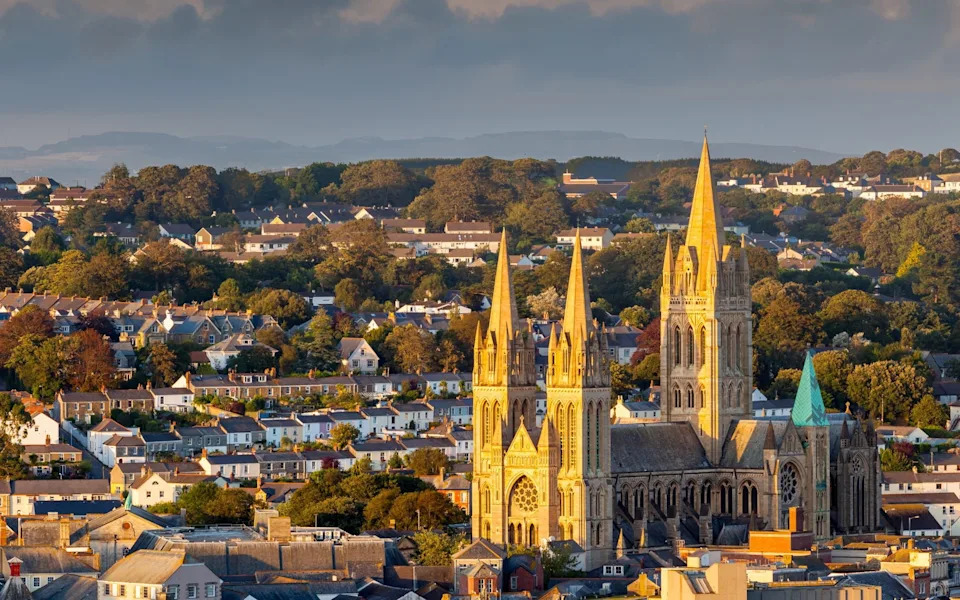
Truro in Cornwall is set to become one 'mega‑benefice' under recently approved plans to reorganise Kerrier Deanery - Ian Woolcock
Campaigns, Reports and Local Cases
Campaign groups such as Save The Parish (led by Marcus Walker and Emma Thompson) have argued for reversing cuts and re-investing in parish ministry. The Windsor Report recommends a "covenant of care" for clergy, stronger residential theological formation, removal of financial and age barriers to ordination, and an immediate pause to further cuts. Local disputes — such as the approved reorganisation in Kerrier Deanery, Truro, which merged multiple benefices into a mega‑benefice despite local opposition — highlight the human cost of managerial restructuring.
Social Value and the Wider Debate
Parish churches deliver substantial social value: the National Churches Trust’s 2021 survey estimated the services provided by parish churches are worth about £55bn a year to communities. Debates about national priorities — from investment in "new worshipping communities" to public-facing initiatives such as reparations funding — have intensified perceptions among some congregants that the Church is prioritising high-profile projects over local pastoral needs.
A Way Forward?
There are hopeful signs. Research from the Theos think tank indicates younger adults are hungry for meaningful community and long for priests who know people by name. The Windsor Report’s proposals — more theological formation, a renewal of resident priestly ministry, a covenant of care and a halt to further cuts — point to practical steps the Church could take to stabilise parish ministry and restore trust.
"So many of the answers to problems of attracting and retaining clergy come down to a loss of a sense of the importance of having time to love one another." — Windsor Report
If the Church of England is to remain a living presence in British social life, it will need to choose whether to reinvest in people, place and vocation — or to accept the slow erosion of parish ministry that once formed the backbone of community life.
Help us improve.