Four Republican senators—Thom Tillis, Susan Collins, Lisa Murkowski and Rand Paul—joined nearly all Senate Democrats on a resolution urging President Trump to end U.S. hostilities with Iran or seek congressional authorization, but the measure failed 49-50. The House had approved a similar war-powers measure on September 15. Operation Epic Fury, launched February 28, has dragged into its sixth month amid declining public support and a legal challenge from NIAC Action claiming the campaign violates the Constitution's Declare War Clause.
Four Republican Senators Join Democrats in Push to End Trump's Iran Campaign; Senate Vote Fails 49-50

File photo: a demonstrator carries an Iranian flag outside the Capitol in Washington D.C. in May.
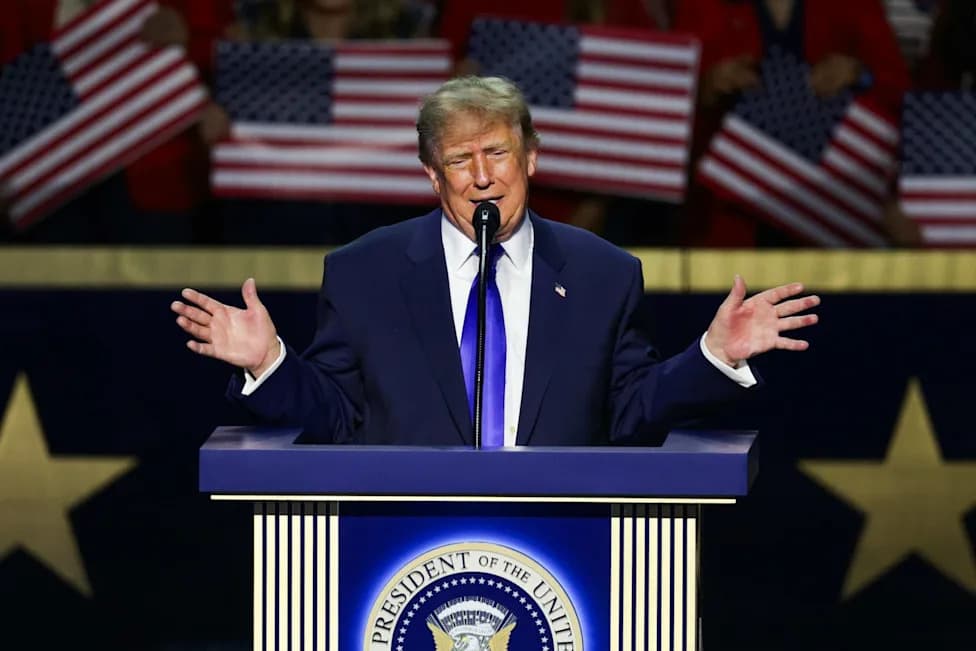
Four Republican senators joined nearly all Senate Democrats on a resolution urging President Donald Trump to end U.S. hostilities with Iran or obtain explicit congressional authorization. The measure failed in the Senate by a 49-50 margin.
Senate Vote And Key Lawmakers
The GOP senators who crossed party lines were Thom Tillis (N.C.), Susan Collins (Maine), Lisa Murkowski (Alaska) and Rand Paul (Kentucky). Pennsylvania Democrat John Fetterman was the only Democrat to vote against the resolution. The U.S. House of Representatives had approved a similar measure on September 15 — the third time the chamber passed a war-powers resolution aimed at curbing the administration's campaign in Iran.
Background: Operation Epic Fury And Political Fallout
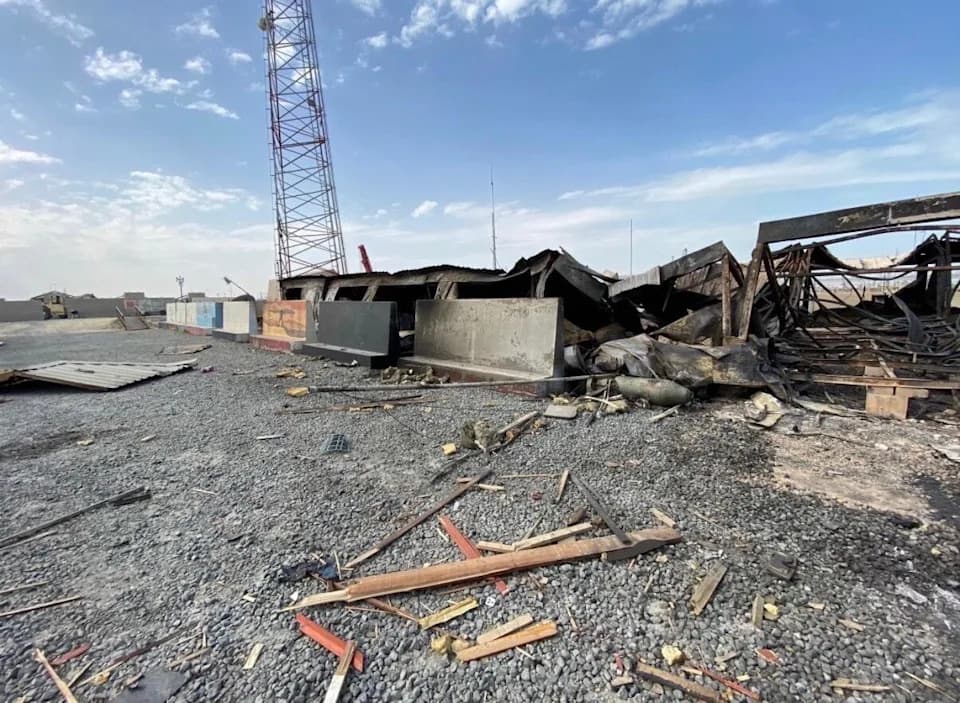
President Trump launched Operation Epic Fury on February 28, a campaign of joint U.S.-Israeli strikes that officials said targeted Iran's nuclear capabilities. Months of continued strikes, a blockade that contributed to higher gasoline prices after disruptions in the Strait of Hormuz, and no clear end in sight have eroded public support and created political pressure ahead of the midterm elections.
Legal And Congressional Context
Under the War Powers Resolution of 1973, Congress can direct the president to remove U.S. forces from hostilities that have not been authorized by a formal declaration of war or specific legislation. Legal experts note the Supreme Court has not definitively resolved the law's constitutionality, leaving questions about enforcement and dispute resolution between the branches.
On July 23 the House passed a related measure—"directing the president, pursuant to section 5(c) of the War Powers Resolution, to remove United States Armed Forces from hostilities with Iran"—by a vote of 214 to 208.
Debate And Dissent
Senator Thom Tillis said the chamber needs clarity on objectives:
"We're reaching a point to where we just need answers. We got to know what success looks like." — Senator Thom Tillis
Senator Bill Cassidy (La.), who had criticized the administration's limited consultation with Congress, voted against the resolution after appearing undecided earlier in the day. Democratic Senator Angela Alsobrooks (Md.) missed the vote.
Public Opinion And Legal Challenge
A CNN/SSRS poll conducted this week found 64% of Americans believe the U.S. is not winning the campaign, while 36% said the U.S. is winning. Advocacy group NIAC Action (National Iranian American Council Action) filed a federal lawsuit in the U.S. District Court for the District of Columbia asking the court to declare the military campaign unconstitutional under the Constitution's Declare War Clause.
"The Constitution does not permit a President to wage war indefinitely and ask Congress for permission later," said attorney Alan B. Morrison, representing NIAC Action, in a statement to Newsweek. "Congress never authorized this war, yet, months later, the bombing and blockade continued."
Newsweek contacted the White House outside normal hours seeking comment and is awaiting a response.
File photo: A demonstrator carries an Iranian flag outside the Capitol in Washington, D.C., in May.
Update, 09/25/2026 5:29 a.m. ET: This article was updated with additional information.
Help us improve.