The UK enshrined a net zero‑by‑2050 target in law on 12 June 2019, initially drawing broad political and public support. Since then, polling and research show declining urgency for earlier action and growing opposition to the target, driven largely by rising costs, unpopular local measures and policy U‑turns. Parliamentary advisers and industry voices now warn the phrase 'net zero' has become politically toxic and recommend shifting communications toward practical, affordable policy solutions. Restoring confidence will require clearer, costed plans and a stronger focus on fairness and tangible benefits.
How Net Zero Went From Cross‑Party Consensus To A Political Liability

How net zero became politically toxic
On 12 June 2019 the UK legally committed to reach net zero greenhouse gas emissions by 2050, when Theresa May's amendment to the Climate Change Act 2008 was signed into law. At the time the move attracted broad cross‑party support and strong public backing, and the UK became the first major economy to adopt a statutory net zero target.
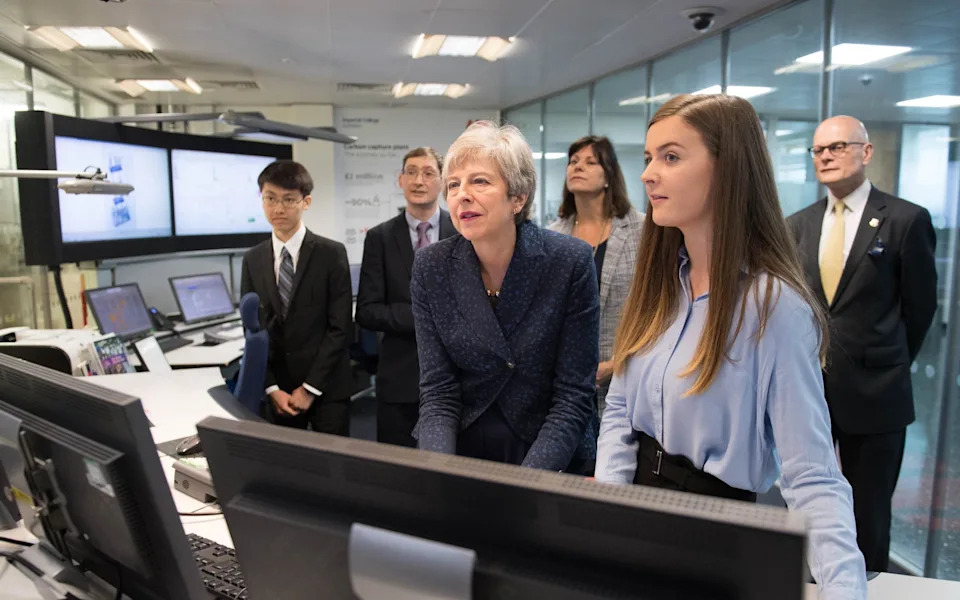
Theresa May, as PM, visits London's Imperial College to view environmental technology on the same day she proposed her net zero legislation - PA Wire/Stefan Rousseau
From Consensus To Contention
What was once a rare area of political agreement has become contested within a few years. Recent polling and research show a marked decline in public urgency about net zero and a rise in scepticism about pursuing the target at all. By 2025, many voters view the transition as expensive and intrusive, and the phrase 'net zero' has acquired negative connotations for a growing number of people.
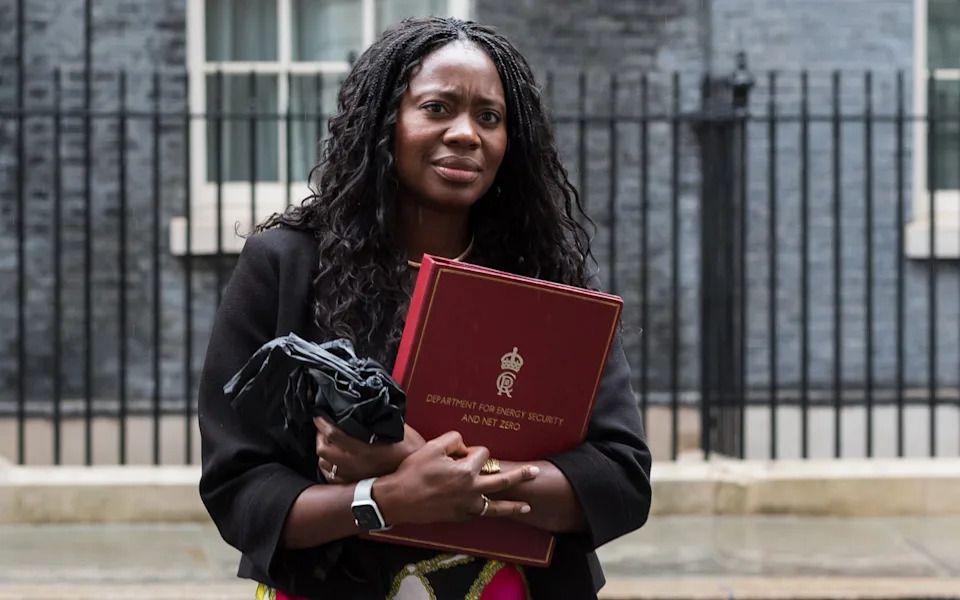
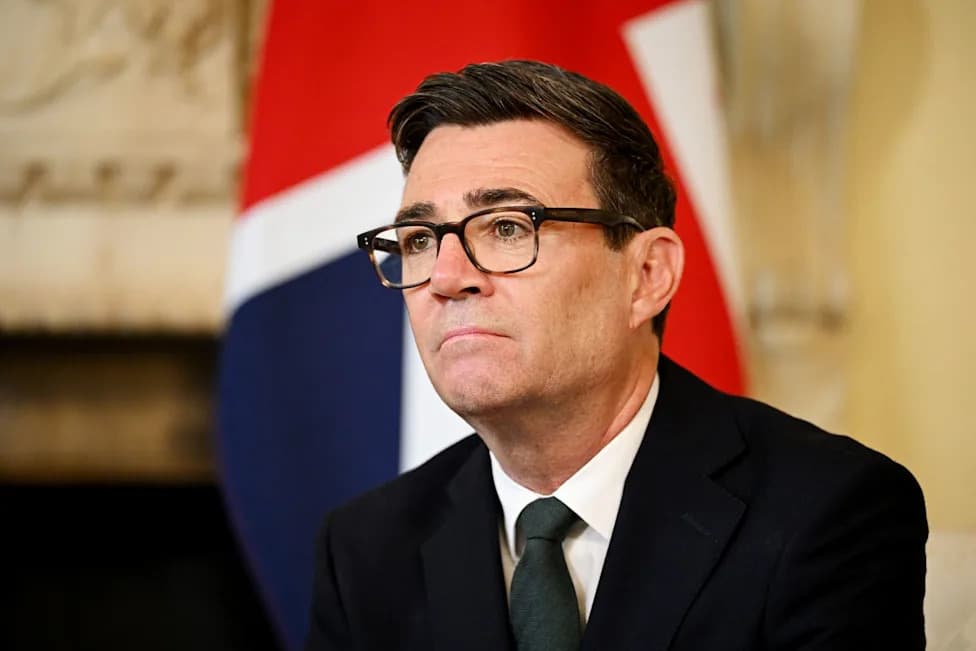
Energy Secretary Miatta Fahnbulleh has been advised to reduce her department's usage of the term 'net zero' by a parliamentary committee - Future Publishing via Getty/Wiktor Szymanowicz
Evidence Of Waning Support
Studies by King's College London and government surveys document the shift. Where 54% of people in 2021 said the UK should aim to reach net zero sooner than 2050, that had fallen to 29% by 2025; opposition to any net zero target rose from 9% to 26% over the same period. Support for measures often associated with the transition, such as low‑traffic neighbourhoods, and for levies on frequent flyers or certain foods, has also declined.
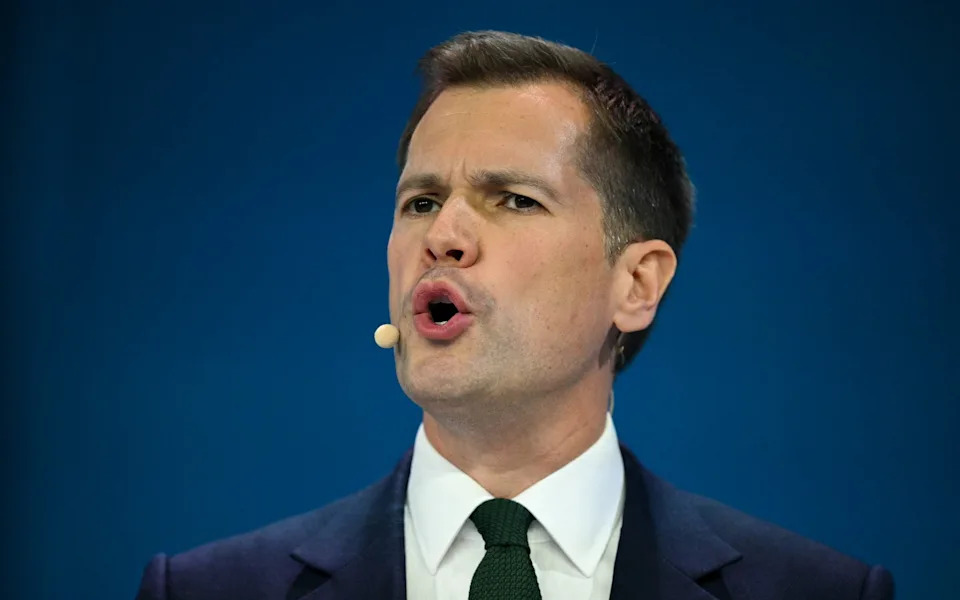
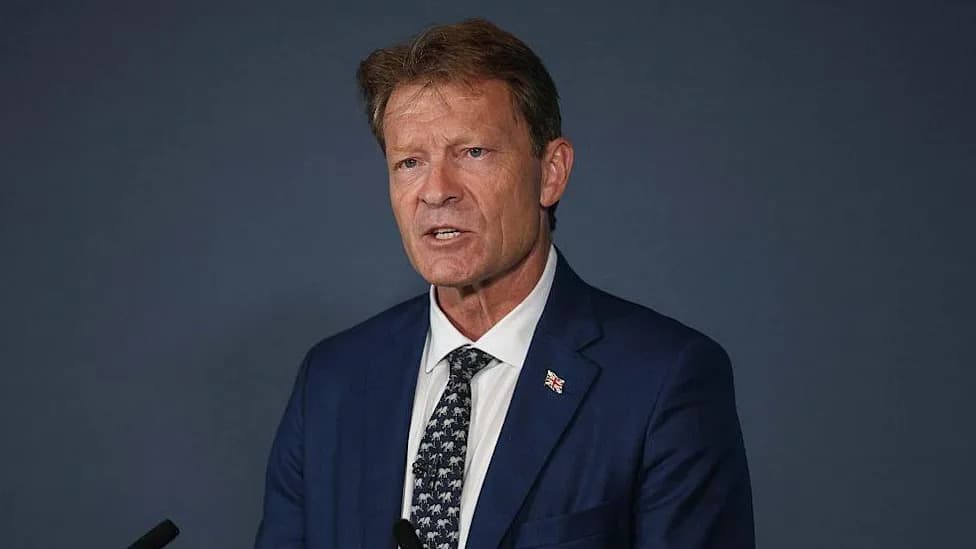
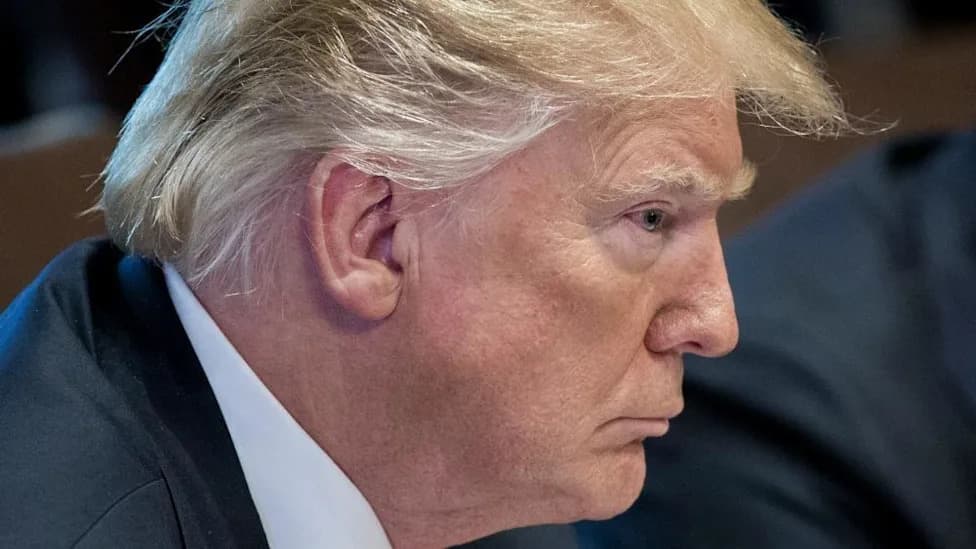
Robert Jenrick went from promoting net zero to calling it 'dangerous fantasy green politics' in the course of just four years - Getty/Oli Scarff
Why Sentiment Has Shifted
Several practical factors have hardened public and political attitudes: higher energy bills since 2019, visible costs associated with some green measures, delays or softening of high‑profile policies, and an experience gap between early promises and household realities. High energy prices and concerns about impacts on jobs, industry and living standards have been especially influential.
Parliament's Energy Security and Net Zero Committee has said the term net zero has 'lost much of its significant positive association' and now risks distracting from the wider energy transition.
Policy Reversals And Political Repositioning
Policy adjustments have reinforced perceptions of uncertainty: the ban on new petrol and diesel car sales was moved from 2030 to 2035, and plans to phase out gas boilers were softened to an 80% target after heat pump rollout lagged. Several prominent politicians and advisers who once promoted net zero have since criticised the pace or framing of the policy, while some parties have removed or pledged to scrap the statutory target.
What This Means For Communications And Strategy
Because the term 'net zero' has become politically charged, advisers and some industry voices recommend reframing public communications to focus on concrete policies, local benefits and affordability rather than slogans. That approach aims to rebuild trust by emphasising costed plans, fairness, and realistic timelines for change.
Although support for reducing emissions remains broadly present in the UK, the political consensus that accompanied the 2019 commitment has fractured. Restoring public confidence will depend on clearer policy design, honest discussions about costs and trade‑offs, and demonstrable improvements in affordability and outcomes for households and businesses.
Help us improve.