A Johns Hopkins study found that leaves of carrots, lettuce and tomatoes can absorb pharmaceutical residues from treated municipal wastewater. Researchers detected drugs such as carbamazepine, lamotrigine, amitriptyline and fluoxetine, with tomato leaves showing concentrations more than 200 times those in fruit and carrot leaves about seven times higher than the root. The authors say the measured levels are not an immediate "cause for alarm," but they call for more research into how crops take up and metabolize these compounds.
Big Pharma on the Farm: Drug Residues Accumulate in Leaves of Common Vegetables
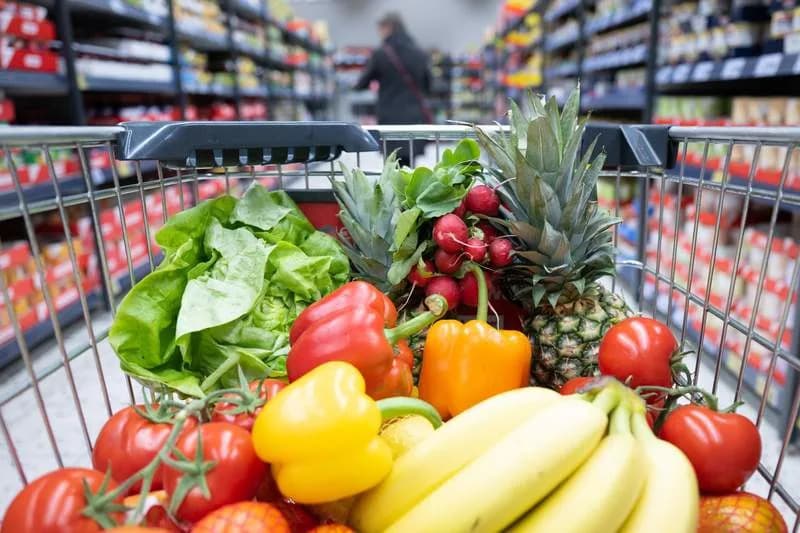
Scientists have found tomato leaves can carry 200 times the pharmaceutical residue of the fruit when irrigated with treated wastewater. Is this an overlooked food-safety risk? Sebastian Kahnert/dpa
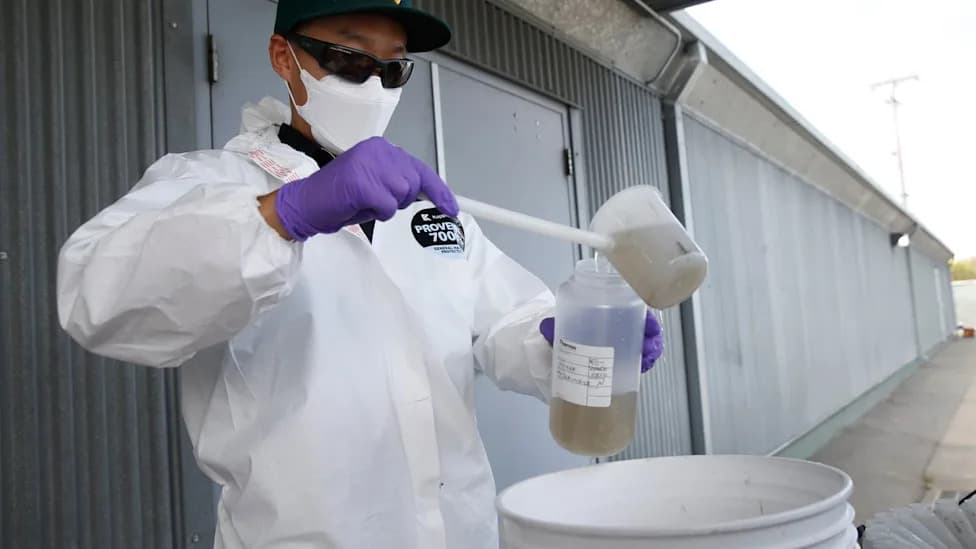
A Johns Hopkins University study has found that the leaves of widely grown vegetables can absorb pharmaceutical residues present in treated municipal wastewater used for irrigation. The research, published in Environmental Science & Technology, analyzed carrots, lettuce and tomatoes and detected multiple drug compounds in plant tissues.
Key Findings
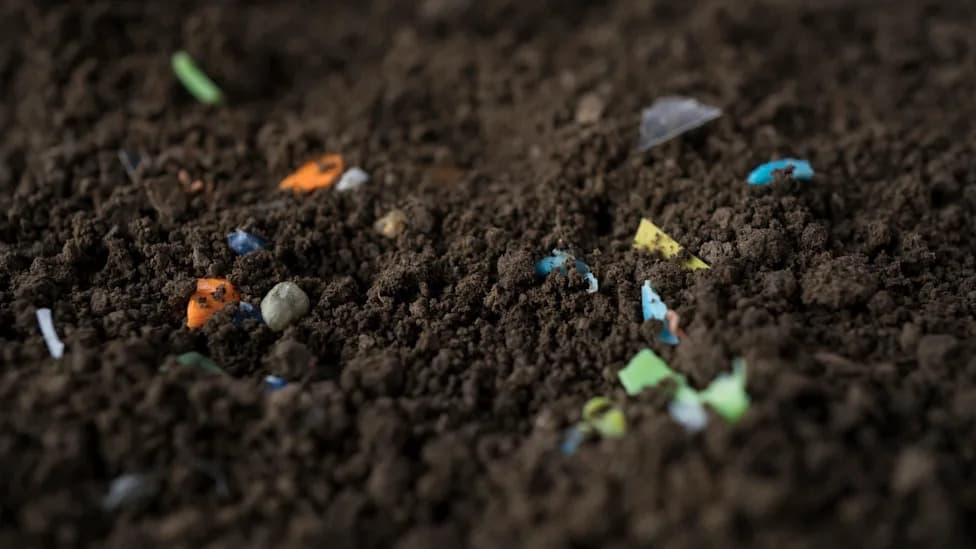
The scientists detected several commonly prescribed medicines—including carbamazepine, lamotrigine, amitriptyline and fluoxetine—that are known to persist through conventional wastewater treatment. Concentrations varied strongly by plant part: tomato leaves contained pharmaceutical levels more than 200 times those measured in tomato fruit, while carrot foliage had roughly sevenfold higher concentrations than the edible root. Leafy vegetables such as lettuce also showed uptake of these compounds.
What This Means
Authors caution that the presence of residues is not automatically a health hazard: the study's measured concentrations are not described as a "cause for alarm." Co-author Carsten Prasse emphasized that detection in wastewater does not necessarily translate into meaningful impacts on plants or people. Still, the findings highlight gaps in our understanding of how different crop species absorb, metabolize and retain pharmaceutical agents.
"To continue to use wastewater safely, we need a more sophisticated understanding of where and how crop species metabolize, or break down, agents in the water," said Daniella Sanchez of Johns Hopkins University.
Context and Next Steps
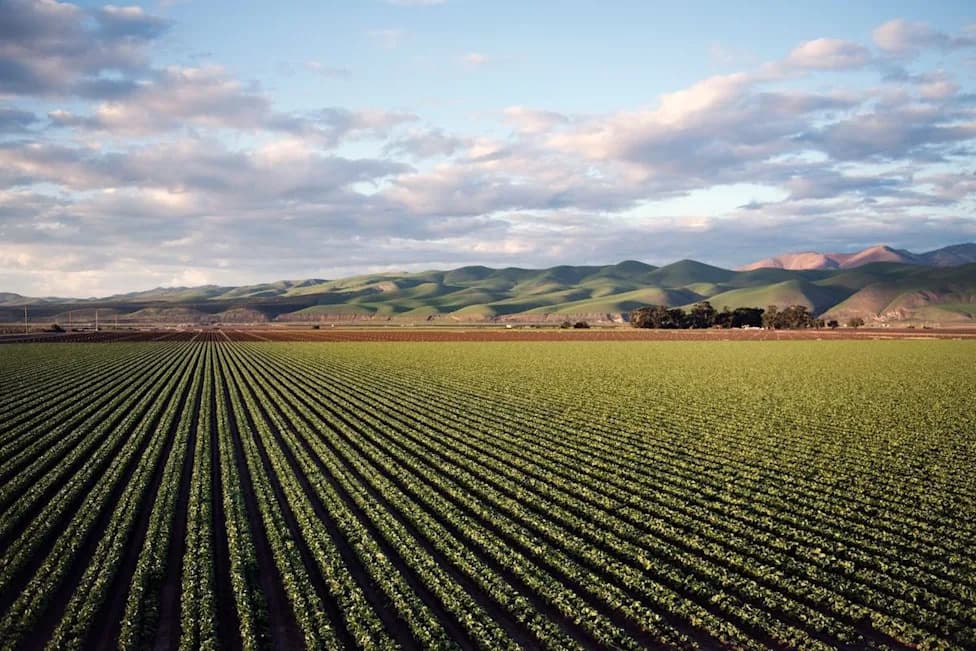
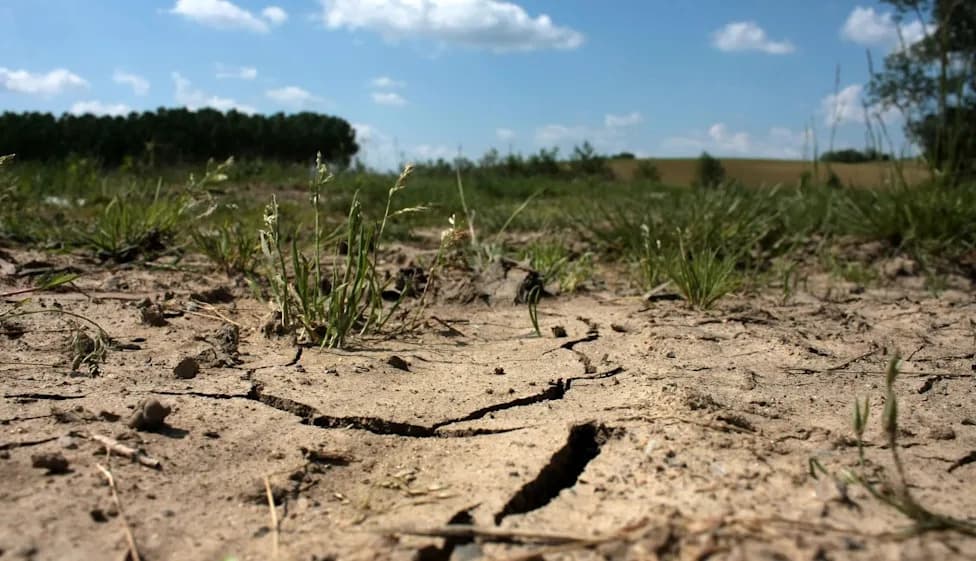
Reusing treated municipal wastewater for irrigation is increasingly common in regions facing freshwater shortages. This study adds to evidence that some pharmaceutical compounds can survive treatment and enter agricultural systems. The researchers call for additional studies to determine whether residues pose a risk to human health, how plants transform these chemicals, and whether changes in treatment or irrigation practices could reduce uptake.
Practical note: Many vegetable leaves are not normally eaten (for example, tomato leaves), but leafy crops like lettuce are consumed directly, underscoring the need for targeted research and risk assessment.
Help us improve.