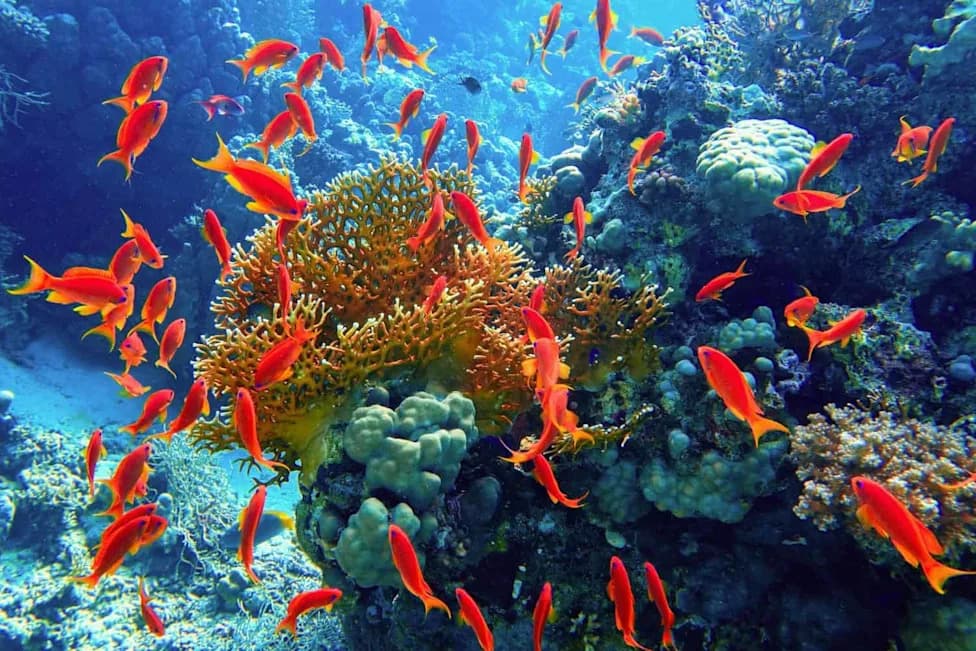
Researchers cloned serotonin, dopamine and norepinephrine transporter genes from medaka and ayu and expressed them in engineered human cells to compare drug sensitivity. They found fish transporters — particularly SERT — were often inhibited at concentrations more than 10 times lower than those affecting human transporters. Some antidepressants influenced fish proteins even when they are not expected to target the same transporters in humans. The study raises concerns because comparable drug concentrations have been measured in polluted waterways, underscoring the need for monitoring and further ecological research.
Antidepressants in Wastewater Are Rewiring Fish Brains, Study Finds
Fish are tweaking on antidepressants — here’s how they’re getting them
New research shows that antidepressant drugs excreted by people and released into rivers, estuaries and coastal waters can alter fish brain chemistry — and in some cases they appear to be more potent in fish than in humans.
New research shows we're exposing fish to antidepressants — and that the drugs are more effective in fish (Getty Images)
How the Study Was Done
Japanese researchers cloned three key neurotransmitter transport proteins (SERT, DAT and NET) from two fish species, medaka and ayu, and expressed those fish genes in engineered human cells. By exposing the cells to a range of antidepressant compounds, the team directly compared how the fish and human versions of these transporters responded to the drugs.

The researchers tested the effect of the drugs in fish by understanding how they work in humans (Getty Images)
Key Findings
The experiments showed that fish transporters — especially the serotonin transporter (SERT) — were often far more sensitive to commonly used antidepressants than the human equivalents. In some tests, concentrations more than 10 times lower were required to inhibit the fish SERT than to affect the human SERT. Several compounds that are not typically thought to target certain transporters in humans nonetheless influenced the fish proteins, indicating possible unanticipated effects in aquatic organisms.

Previous and separate studies have found fish in Texas were on the antidepressant Prozac and have tested positive for opioids (AFP via Getty Images)
Environmental Relevance and Concerns
About one in six American adults takes antidepressant medication, and much of these drugs are excreted and can persist through wastewater treatment. The researchers note that drug concentrations capable of engaging fish transporters have been measured in polluted waterways. Previous, separate field studies have detected antidepressants such as Prozac and other pharmaceuticals, including opioids, in wild fish, and in some cases those exposures were associated with behavioral changes such as increased aggression.
"By demonstrating that key molecular targets in fish can be more sensitive than their human equivalents, our work offers crucial insights into the potential risks of pharmaceutical exposure to aquatic wildlife," said Shinichi Miyagawa of Tokyo University of Science.
Other scientists have described fish as early-warning indicators for broader ecological impacts. The authors and outside experts say follow-up research is needed to determine how molecular changes translate into behavior and ecosystem-level effects, and to assess whether improved wastewater treatment or pharmaceutical stewardship could reduce risks.
What This Means
The study does not claim that all waterways or fish populations are currently harmed, but it raises clear cause for monitoring pharmaceutical pollution and investigating how low concentrations of human medicines might ripple through aquatic food webs and animal behavior.
Help us improve.