Caltech researchers found that drying soil can select for antibiotic-resistant microbes, potentially increasing the environmental reservoir of resistance genes that could transfer to human pathogens. Climate-driven factors such as higher temperatures and altered rainfall are linked to rises in resistance—one study estimated about a 10% global increase in Salmonella resistance genes. Experts call for cutting carbon emissions, improving sanitation and sewage systems, strengthening food safety and using antibiotics more cautiously to limit future risks.
Drying Soil May Favor Antibiotic-Resistant Bacteria — A New Climate-Linked Health Risk
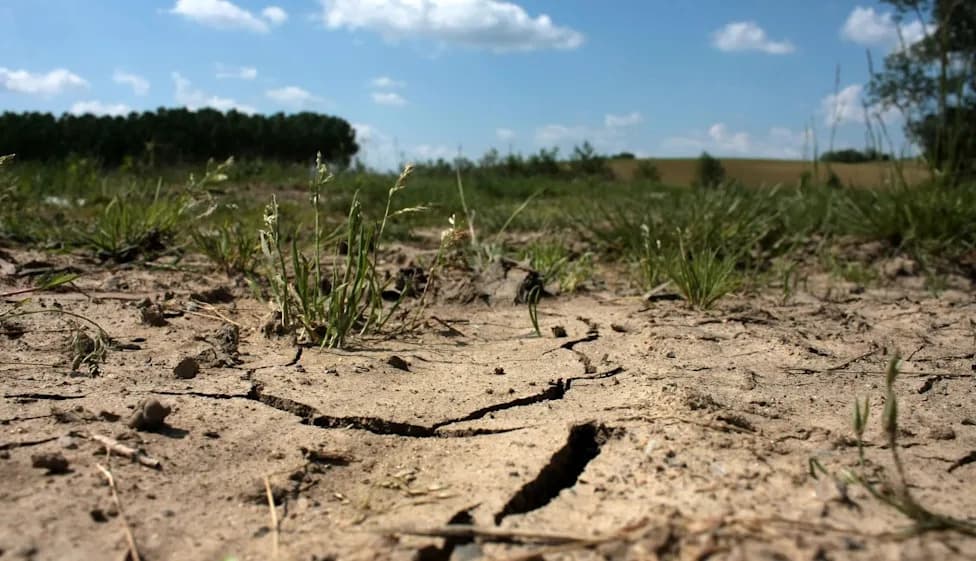
Photo Credit: iStock
Researchers at the California Institute of Technology report that drying soil can select for microbes that tolerate antibiotics, a process that could increase the pool of resistance genes in the environment and ultimately affect human health as droughts grow more frequent.
What the Study Found
The March study, summarized by Live Science and led in part by Xiaoyu Shan (a Caltech postdoctoral research associate) with co-author Dianne Newman, suggests that environmental stressors like drought can influence microbial evolution in ways that favor antibiotic resistance. One proposed mechanism is concentration: as soil dries, naturally occurring antibiotic compounds may become more concentrated, killing off more susceptible microbes and leaving hardier, resistant strains behind.
Newman warned, 'We can expect to have more resistant bacteria being selected for in certain places around the globe.'
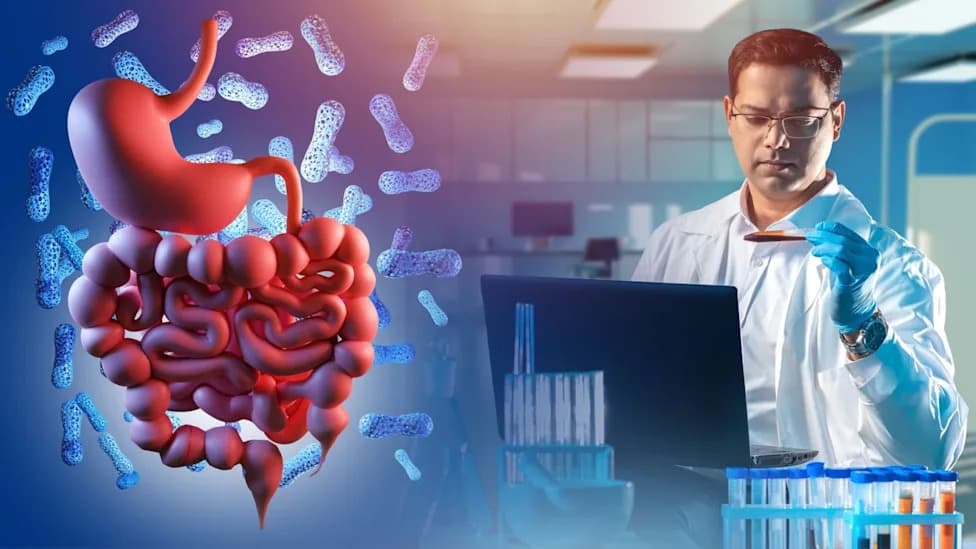
Because bacteria readily exchange genetic material, resistance traits that are selected for in soil communities could be transferred to pathogens that infect people, creating a pathway from the environment to clinical settings.
Broader Climate Links
The Caltech work aligns with other research connecting climate change — higher temperatures, altered rainfall patterns and more frequent droughts — to changing patterns of infectious disease and antibiotic resistance. Live Science highlighted a separate study led by Zhen-Chao Zhou of the Chinese Academy of Sciences, which linked climate variables to antibiotic resistance in Salmonella. Zhou reported that, globally, climate change was associated with about a 10% increase in Salmonella resistance gene abundance.
Zhou said, 'Globally, climate change was linked to about a 10% increase in Salmonella resistance gene abundance.'
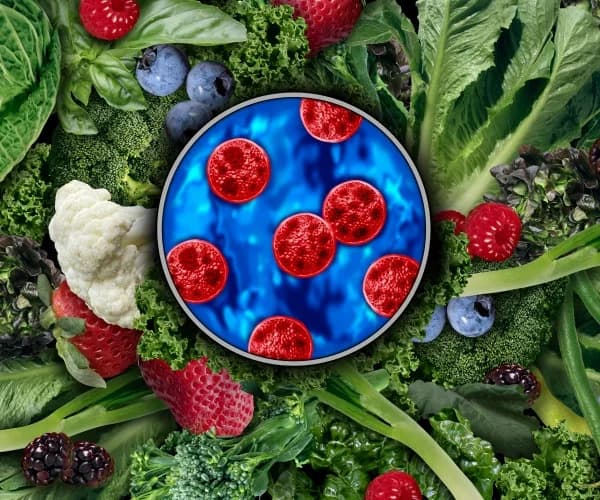
Salmonella is associated with roughly 1.35 million foodborne illness cases in the United States each year, underscoring how environmental changes can affect both who gets sick and how well standard treatments work.
How People Encounter Environmental Bacteria
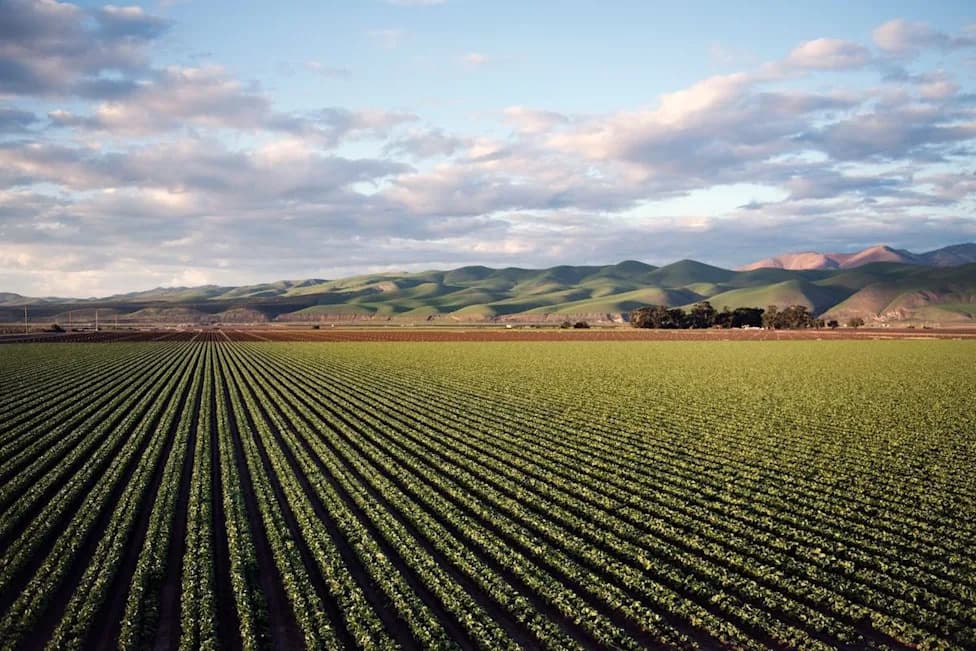
Humans come into contact with environmental microbes through water systems, agriculture, gardening, dust and food. As Newman observed, 'Gardening, breathing dust — that's how it happens… We are constantly encountering bacteria in our environment.' These routine interactions create opportunities for resistant genes to move from soil and water into organisms that cause human disease.
Recommended Responses
Researchers quoted in the coverage recommend a mix of policy and practical measures to reduce risk: cutting carbon emissions, improving sewage management and sanitation, strengthening food-safety systems and disease surveillance, and practicing more prudent antibiotic use in medicine and agriculture. Marina Romanello of University College London emphasized that multiple environmental stressors are compounding risks to health and well-being.
Other Environmental Drivers
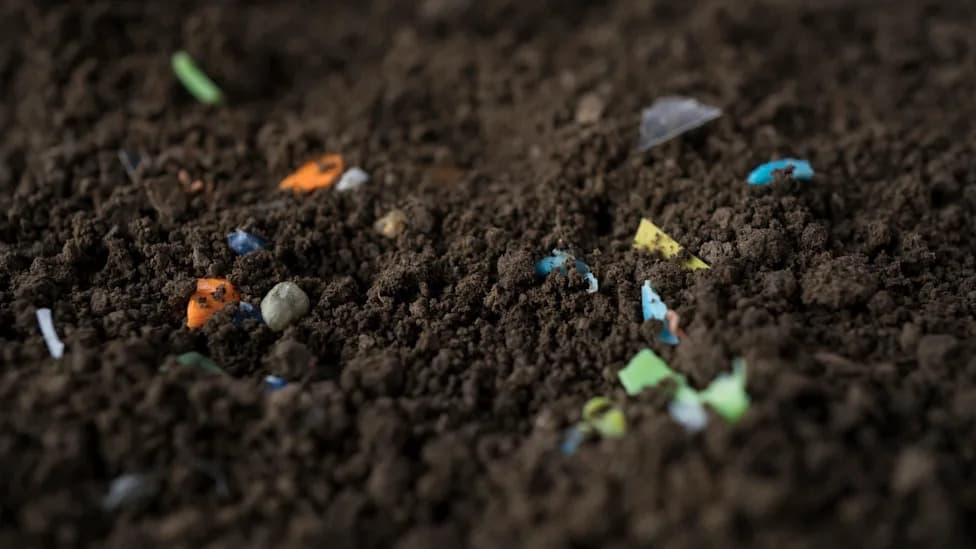
Beyond drying soil, polluted air, microplastics in waterways, flash droughts and warming coastal waters are all implicated in shifting where harmful microbes appear and how resistant they are to treatment. Taken together, these factors suggest a growing and complex link between environmental change and public-health threats.
Bottom line: Climate-driven changes to the environment can select for antibiotic resistance outside clinical settings, making it more urgent to reduce emissions, improve sanitation, tighten food-safety practices and use antibiotics more carefully.
Help us improve.