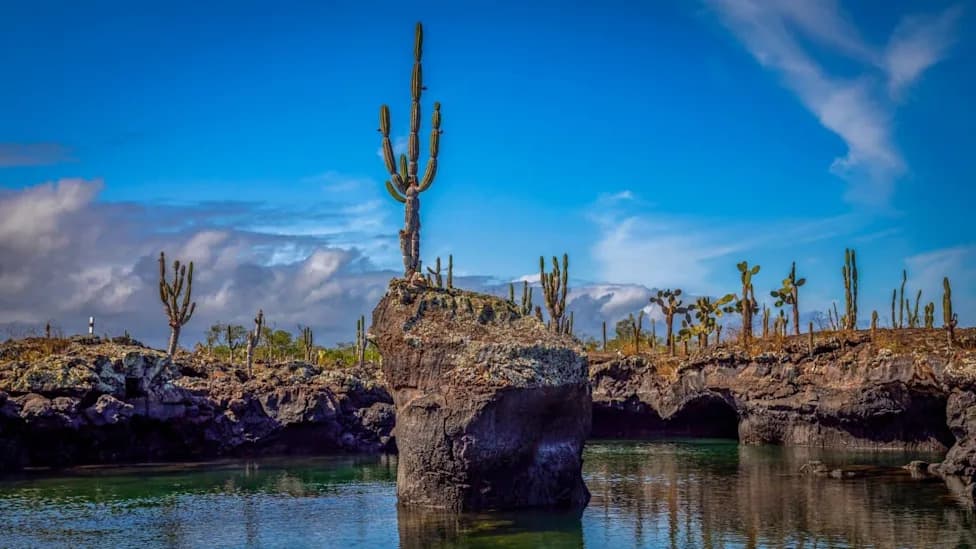
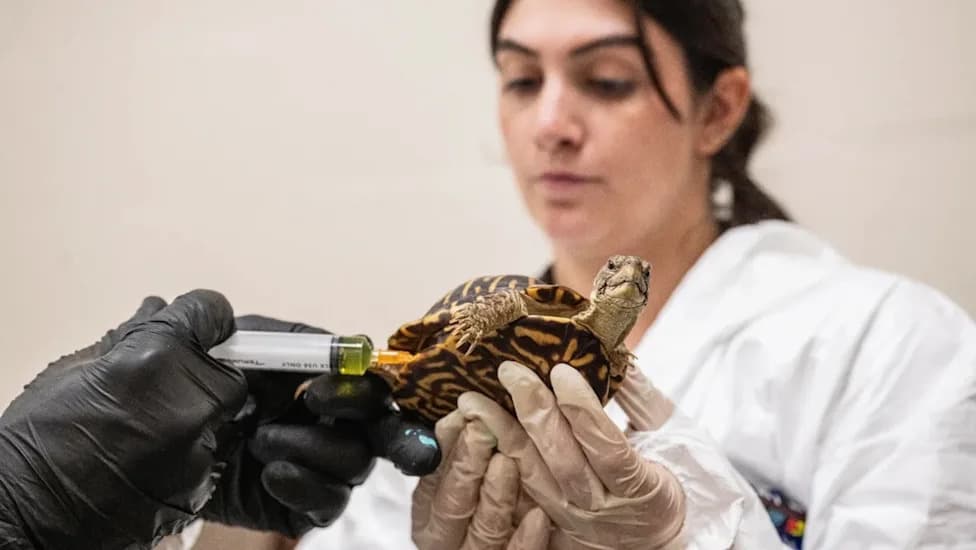
On Feb. 20, conservation teams reintroduced 158 giant tortoises to Floreana Island, marking the species' return after about 150 years. NASA Earth observation satellites and habitat suitability models were used to identify the best release sites based on vegetation, moisture, nesting space and topography. The release is part of a larger restoration effort to remove invasive species like rats and feral cats and to restore native wildlife and ecosystem functions.
NASA Satellites Help Return 158 Giant Tortoises to Floreana After 150 Years
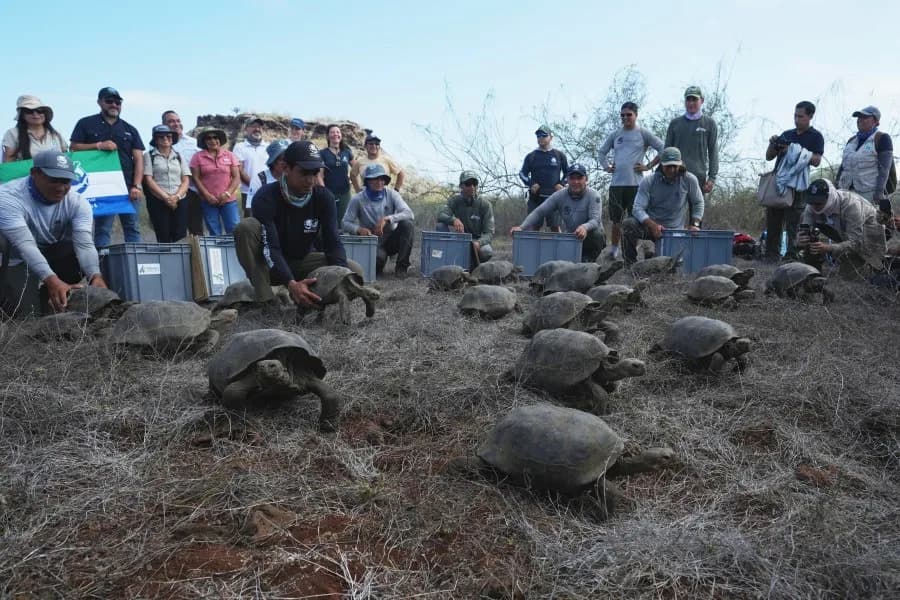
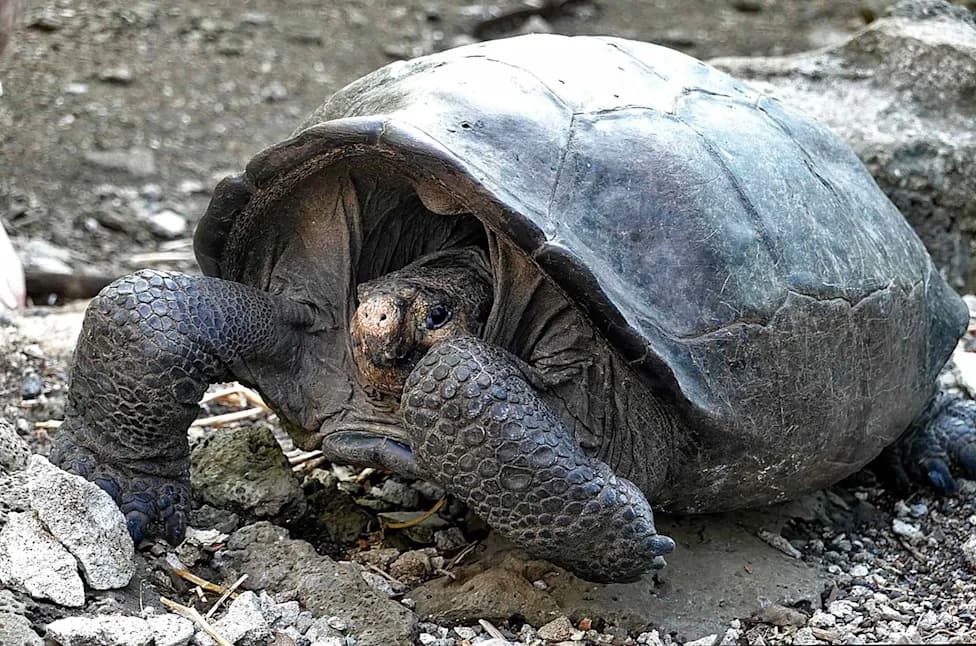
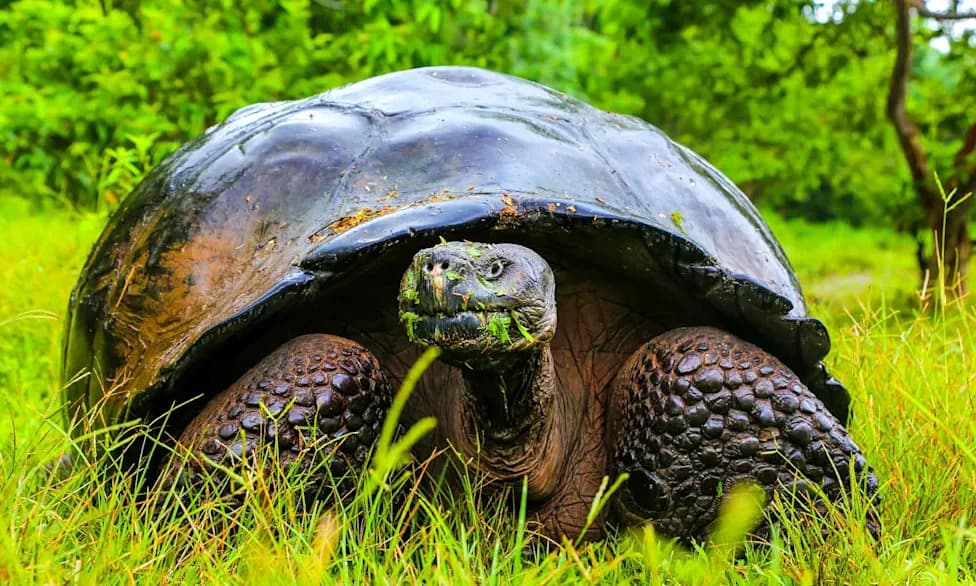
Giant tortoises have been reintroduced to Floreana Island in the Galápagos after roughly 150 years, a milestone for conservationists and the island's ecosystem. On Feb. 20, the Galápagos National Park Directorate and partner organizations released 158 tortoises at two carefully selected sites as part of a broader ecological restoration program.
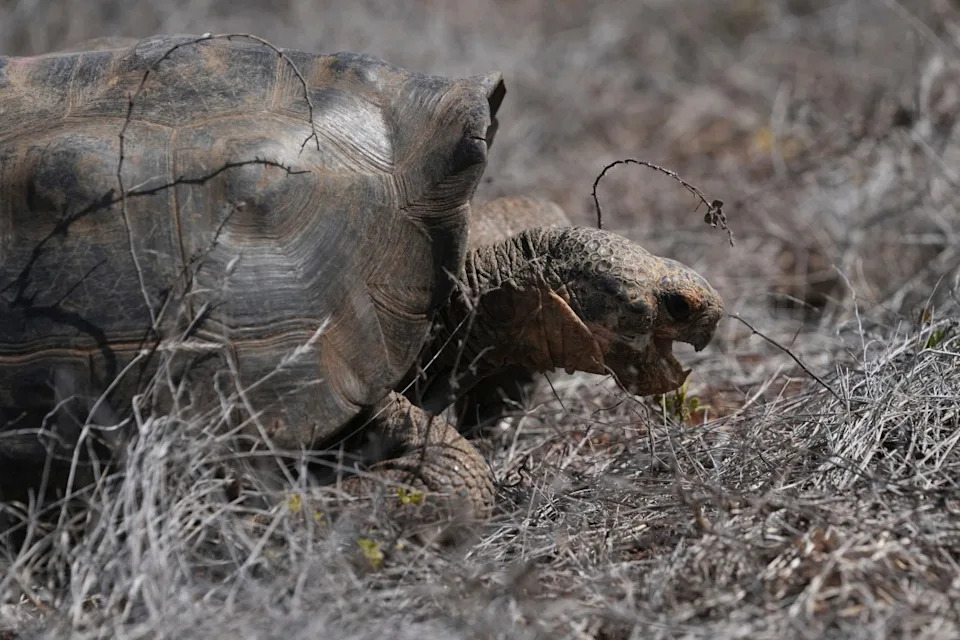
A juvenile giant tortoise walks away after being released on Floreana Island as part of a project to reintroduce the Floreana giant tortoise to its native island in the Galapagos Islands, Ecuador, Friday, Feb. 20, 2026. (AP Photo/Dolores Ochoa)
Why They Disappeared
Historical records show the species vanished from Floreana in the mid-1800s following intensive whale-hunting activity and the arrival of invasive animals. Pigs and rats consumed tortoise eggs, contributing to the population collapse and triggering long-term changes in the island's vegetation and landscape.
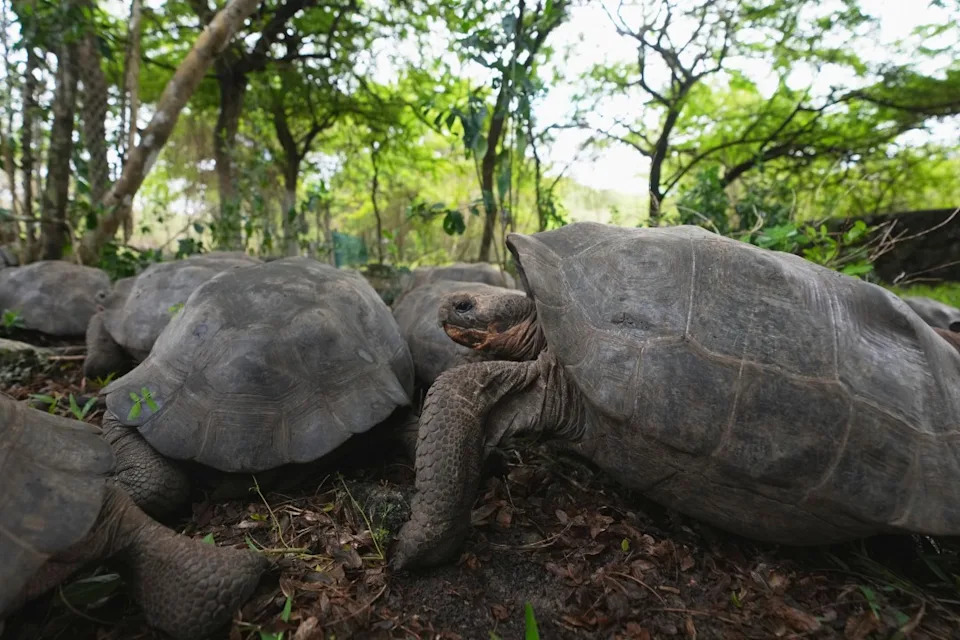
Juvenile giant tortoises walk on Floreana Island after being transported from a breeding center on Santa Cruz for release as part of a project to reintroduce the Floreana giant tortoise to its native island in the Galapagos Islands, Ecuador, Thursday, Feb. 19, 2026.(AP Photo/Dolores Ochoa)
How NASA Satellites Guided the Effort
Scientists used NASA Earth observation data and habitat suitability models to map environmental conditions across Floreana and identify the sites with the best chance of supporting a thriving tortoise population. Key factors included vegetation cover, soil moisture, nesting space and topography—data that helped move planning "from intuition to precision."
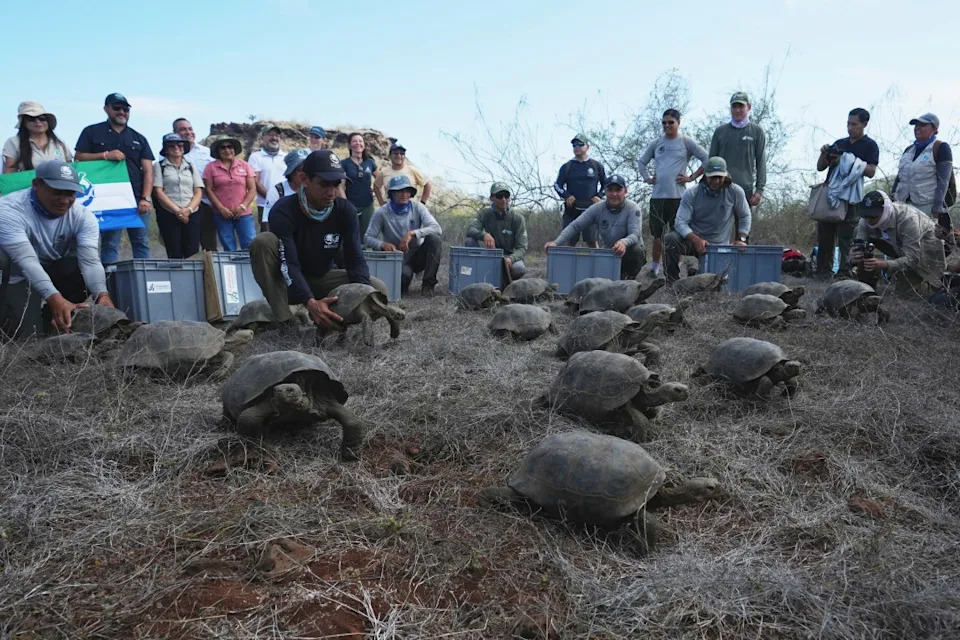
Juvenile giant tortoises are released on Floreana Island as part of a project to reintroduce the species to its native habitat in the Galapagos Islands, Ecuador, Friday, Feb. 20, 2026. (AP Photo/Dolores Ochoa)
“It’s a huge deal to have these tortoises back on this island. Charles Darwin was one of the last people to see them there,”
— James Gibbs, Vice President of Science and Conservation, Galápagos Conservancy
“Habitat suitability models and environmental mapping are essential tools. They allow us to integrate climate, topography and vegetation data to make evidence-based decisions,”
— Christian Sevilla, Director of Ecosystems, Galápagos National Park Directorate
The Bigger Restoration Plan
The tortoise release is one element of a multi-year restoration campaign that aims to remove invasive species—such as rats and feral cats—and restore native fauna and habitats on Floreana. Reintroducing giant tortoises also helps rebuild ecological processes: as large herbivores and seed dispersers, tortoises play a key role in shaping vegetation and sustaining biodiversity.
The project demonstrates how satellite technology and ground conservation work can combine to restore species and landscapes that were lost generations ago.
Help us improve.