Yale researchers used highly degraded DNA from five museum bones to identify two extinct Galápagos giant tortoise lineages (San Cristóbal and Santa Fe) despite samples containing 1% or less assignable DNA. By anchoring tiny authentic fragments to a reference phylogenetic tree built from modern genomes and applying methods that account for contamination, the team confidently placed the extinct lineages. The findings enable searches for living hybrids that carry extinct DNA, supporting selective-breeding efforts to restore lost genomes and strengthen tortoise populations and ecosystems.
Degraded Museum DNA Reveals Two Lost Galápagos Giant Tortoise Lineages — A Path for Conservation
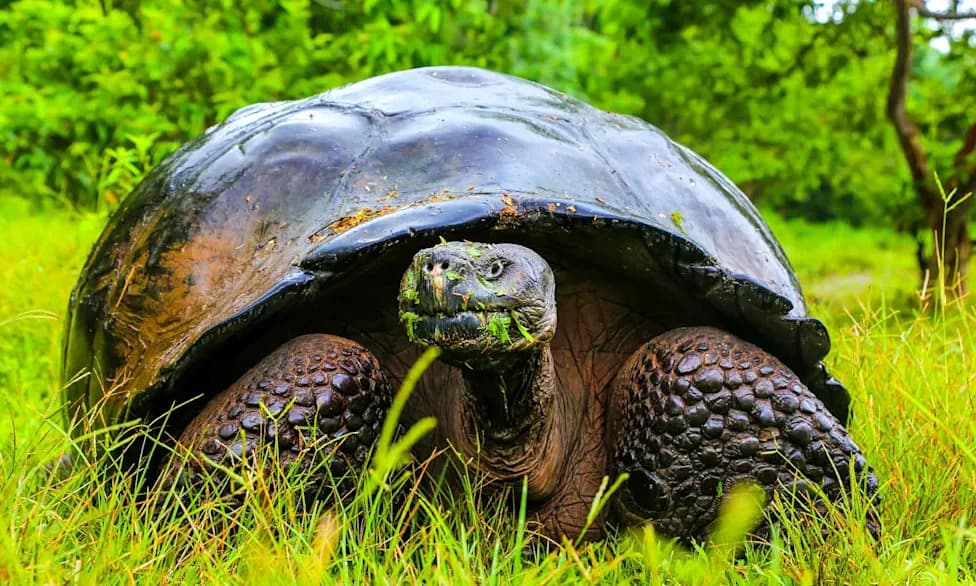
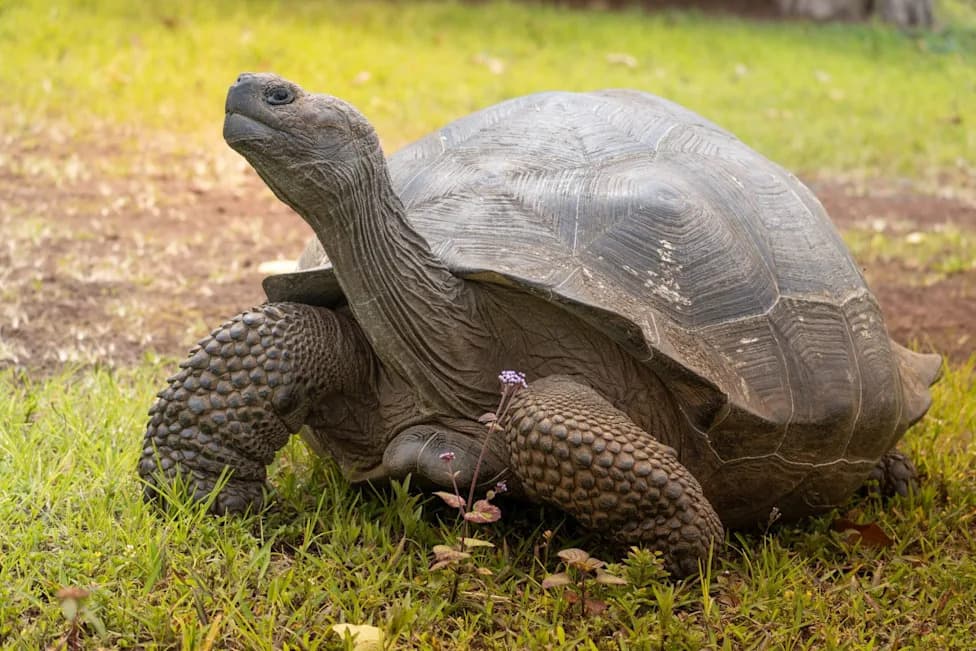
Giant tortoise eating grass© iStock.com/Donyanedomam
Researchers at Yale University have used heavily degraded DNA from historic museum bones to identify the ancestral lineages of two extinct Galápagos giant tortoises, demonstrating that even tiny, compromised fragments can be informative when treated with modern methods and a careful analytical framework.
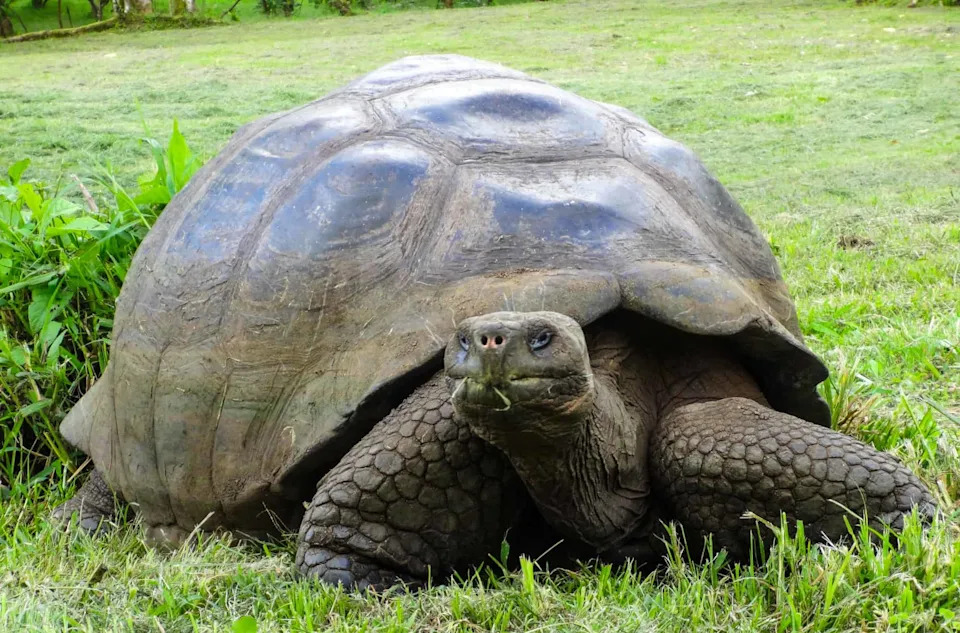
Researchers discovered extinct Galapagos giant tortoise lineages, similar to this tortoise's, using degraded DNA from museum samples.©iStock.com/Lisa Seeto
How the Study Worked
The findings, published in Proceedings of the Royal Society B, are based on DNA recovered from five museum bones belonging to extinct giant tortoises. In some samples, researchers could confidently assign 1% or less of the genetic material to a single species. Rather than discarding these low-yield samples, the team combined the scant authentic fragments with whole genomes from living Galápagos tortoises to build a reference phylogenetic framework.
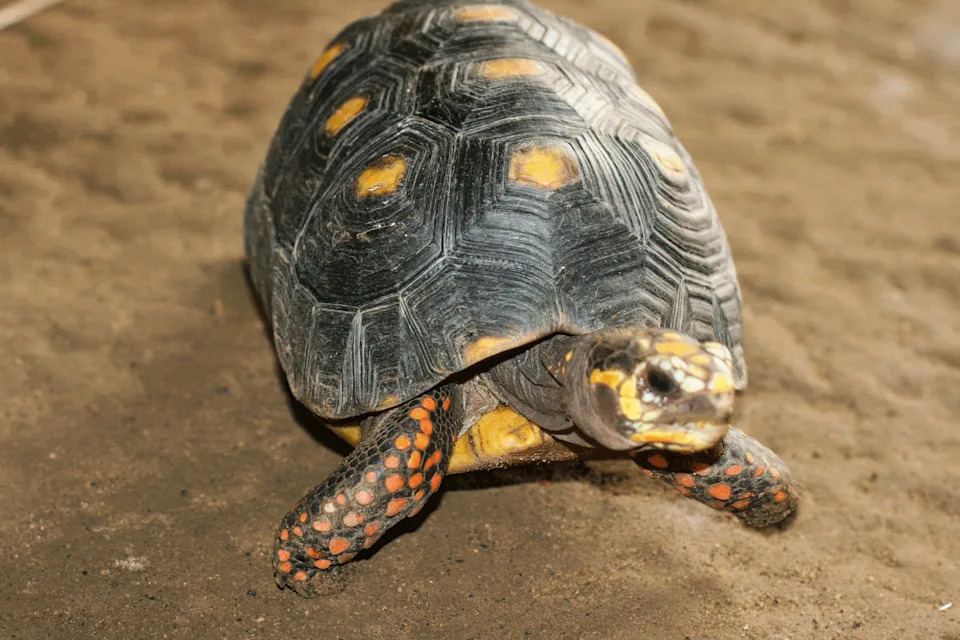
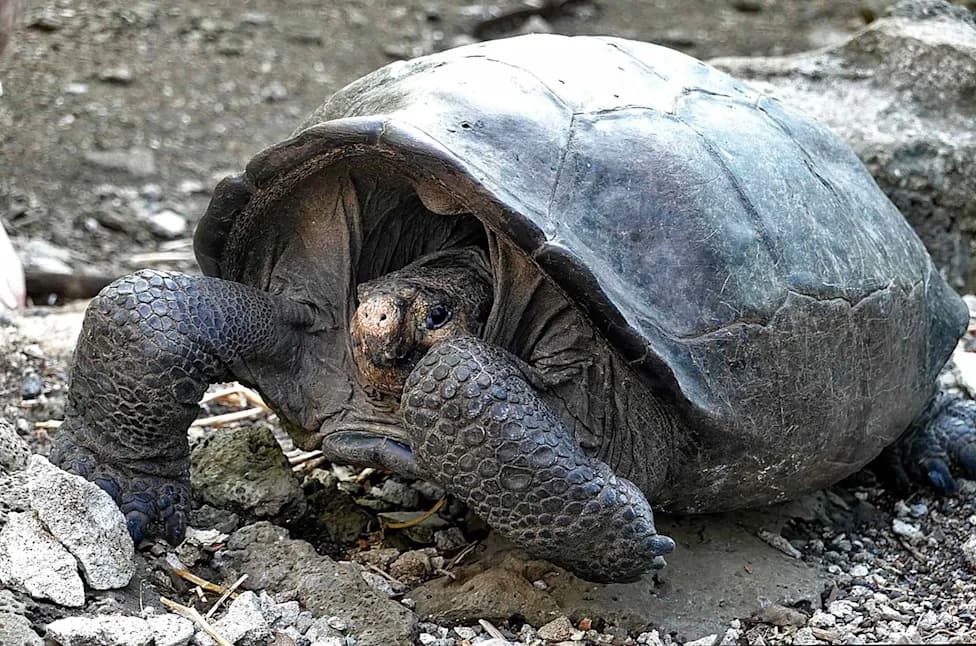
Researchers used DNA with less than 1% genetic material to reconstruct the lineages of Galapagos giant tortoises, like this one, alongside DNA from living tortoises.©Miguel Andrade/Shutterstock.com
Using a suite of analytical tools designed for degraded and contaminated material, the researchers were able to place the extinct San Cristóbal and Santa Fe Island tortoises on the tortoise family tree. The study explicitly modeled contamination and fragmentation to avoid false signals that often plague severely degraded DNA.
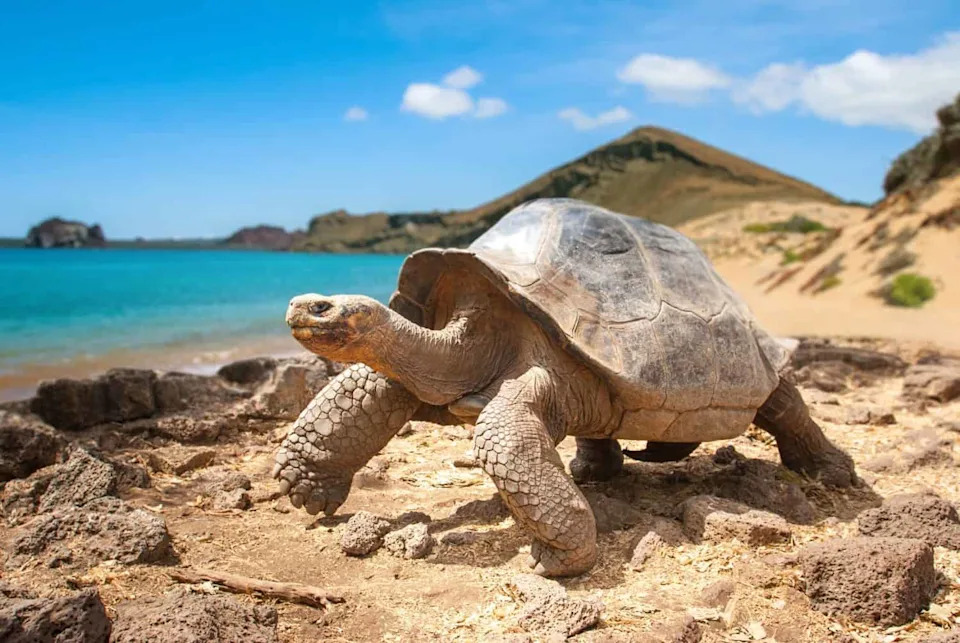
Galapagos Island giant tortoises, similar to this one, went extinct after they were hunted for food, lost their food source to goats and cattle, and rats and pigs consumed their eggs.©FOTOGRIN/Shutterstock.com
"The challenge of this study was to reconstruct the genetic relationships of extinct Galapagos giant tortoises, knowing that the DNA we were able to obtain from museum specimens was going to be highly degraded and fragmented and have a high proportion of contamination," said lead author Alexander Ochoa, formerly an associate research scientist in Yale’s Department of Ecology and Evolutionary Biology.
Conservation Opportunities
Beyond solving a historical mystery, the results have direct conservation implications. Human activities over the past two centuries — hunting by sailors and whalers, habitat destruction, and the introduction of invasive mammals such as goats, cattle, rats and pigs — drove several tortoise species to extinction. In many cases, tortoises were moved between islands and hybridized, seeding modern populations with fragments of extinct genomes.
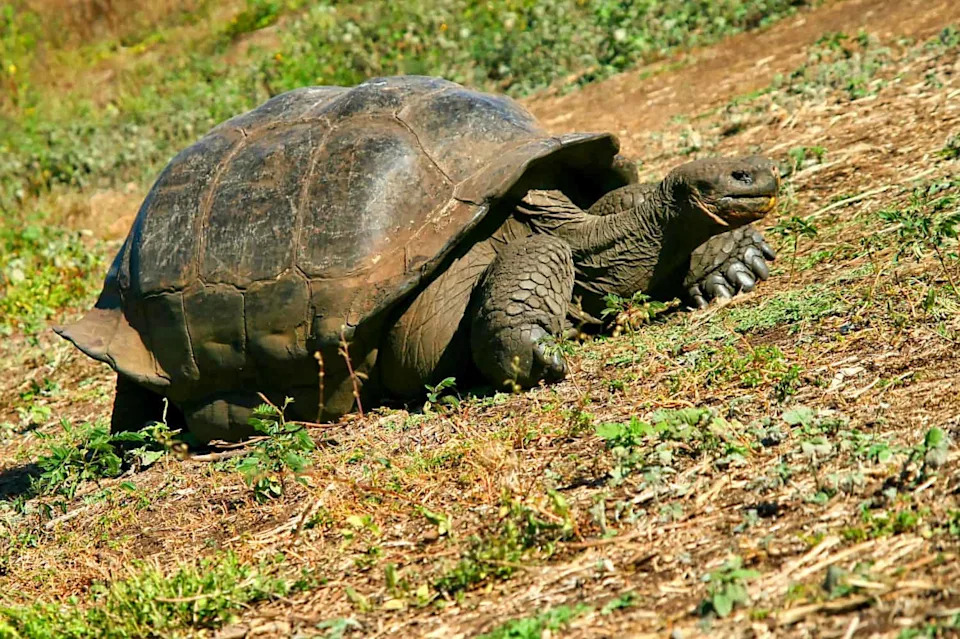
Discovering the lineages of extinct Galapagos Island tortoises, similar to this one, will increase the genetic diversity of existing tortoises today.©Al Carrera/Shutterstock.com
Scientists have already used this legacy of hybridization to selectively breed animals that closely resemble the extinct Floreana tortoise, and those reproducers are slated to return to Floreana Island. With the new genetic signatures of the San Cristóbal and Santa Fe lineages, researchers can now screen living tortoise populations for carriers of those extinct genomes and prioritize individuals for breeding programs that aim to reconstitute lost genetic diversity.
Ecological Importance and Cautionary Notes
Giant tortoises were keystone species in the Galápagos: their long lives and slow movements supported seed dispersal and vegetation dynamics across islands. Restoring extinct genomes—or increasing genetic diversity in surviving populations—could boost disease resilience and adaptive capacity, strengthening both the tortoises and the ecosystems that depend on them.
However, resurrecting extinct-like genomes through selective breeding is technically and ethically complex. It requires many generations of careful genetic screening and breeding, rigorous ecological assessments, and long-term monitoring to ensure restored populations can thrive and integrate safely into island ecosystems. The study shows that what was once dismissed as "trashed" DNA can be a valuable resource, but it also highlights that genomic recovery is only one part of a broader conservation strategy.
Outlook: Advances in sequencing and analysis are turning degraded museum material into usable genetic records. This work opens new avenues for locating living carriers of extinct lineages and for targeted breeding programs that aim to rebuild lost diversity and help secure the future of Galápagos giant tortoises.
Help us improve.