Giant tortoises, which arrived in the Galápagos over two million years ago, were driven to the brink of extinction by hunting and invasive species, falling to roughly 10–15% of historical numbers. Conservationists rediscovered Floreana-lineage tortoises in 2000 and have since bred and reintroduced animals to their ancestral islands. In February, 158 juvenile Floreana-lineage tortoises were released on Floreana Island after about 180 years, and captive programs have produced some 800 hatchlings with an expected ~60 new tortoises per year. Continued partnerships aim to sustain the population recovery and restore island ecosystems.
After Near-Extinction, Giant Tortoises Are Making a Remarkable Comeback in the Galápagos
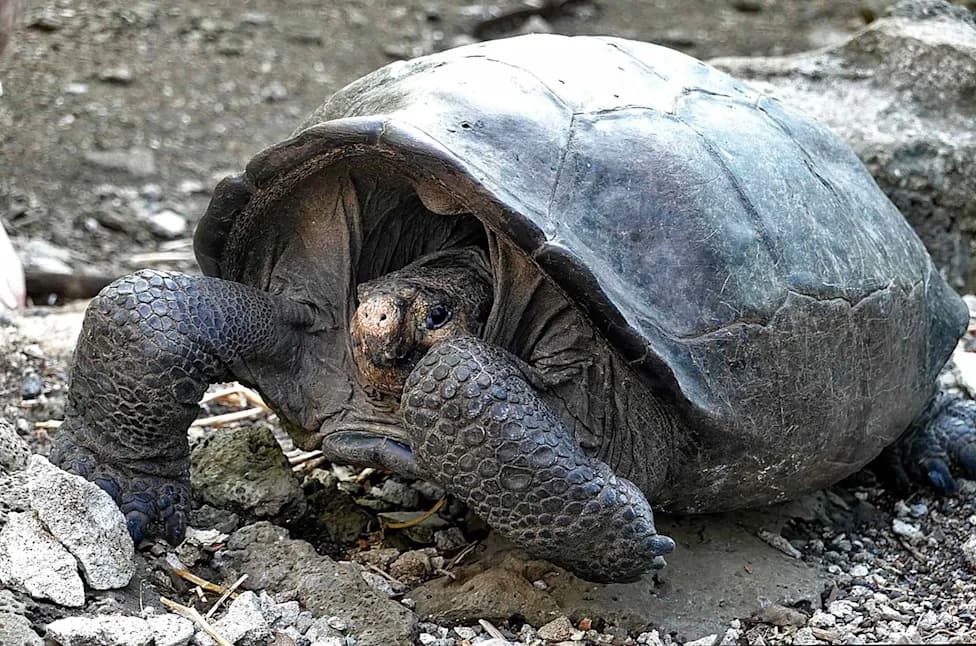
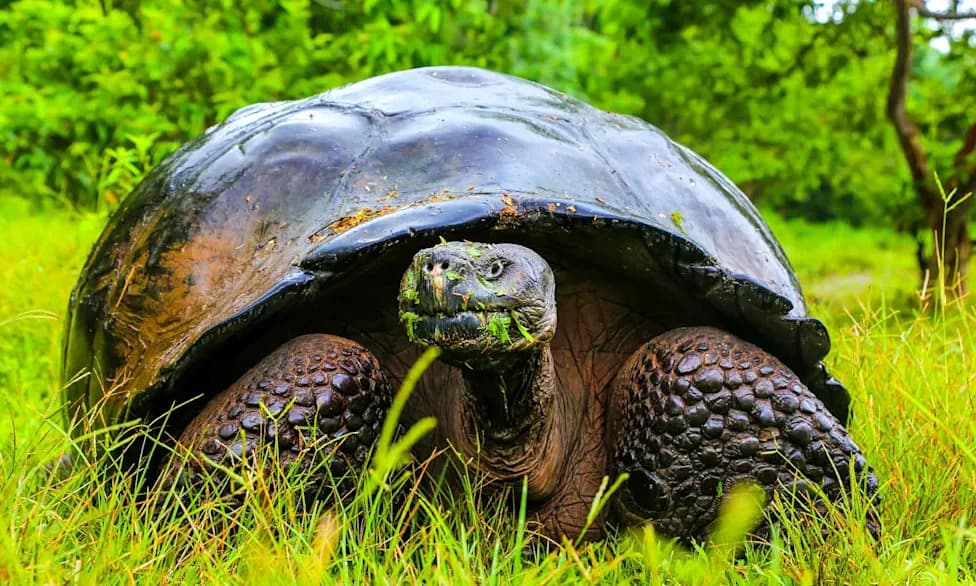
A giant tortoise in Galapagos National Park on Santa Cruz IslandCredit: RODRIGO BUENDIA/AFP/Getty
Giant tortoises are gradually returning to the Galápagos Islands after centuries of decline brought them to the brink of extinction. These iconic reptiles arrived from South America more than two million years ago and once included as many as 14 distinct species across the archipelago. Human exploitation and introduced predators dramatically reduced their numbers, but coordinated conservation efforts are now driving a meaningful recovery.
A Long Decline
Historically, sailors harvested tortoises as a convenient food source on long voyages, and later whalers and settlers introduced invasive animals—dogs, rats, horses and others—that preyed on eggs and young tortoises or destroyed habitat. By 2012, only 12 species remained across ten islands. A 2021 estimate by the Galápagos Conservancy put surviving tortoise numbers at roughly 200,000–300,000 individuals, about 10–15% of historical levels.
Rediscovery and Rescue
Conservationists have uncovered surprising hope for lost lineages. In 2000, researchers exploring near Wolf Volcano on Isabela Island found thousands of unusually patterned tortoises that were initially nicknamed “aliens.” Genetic tests at Yale later confirmed these animals carried the Floreana lineage—thought to have vanished from Floreana Island around 1850—suggesting the lineage had persisted elsewhere, possibly after flooding or human transport.
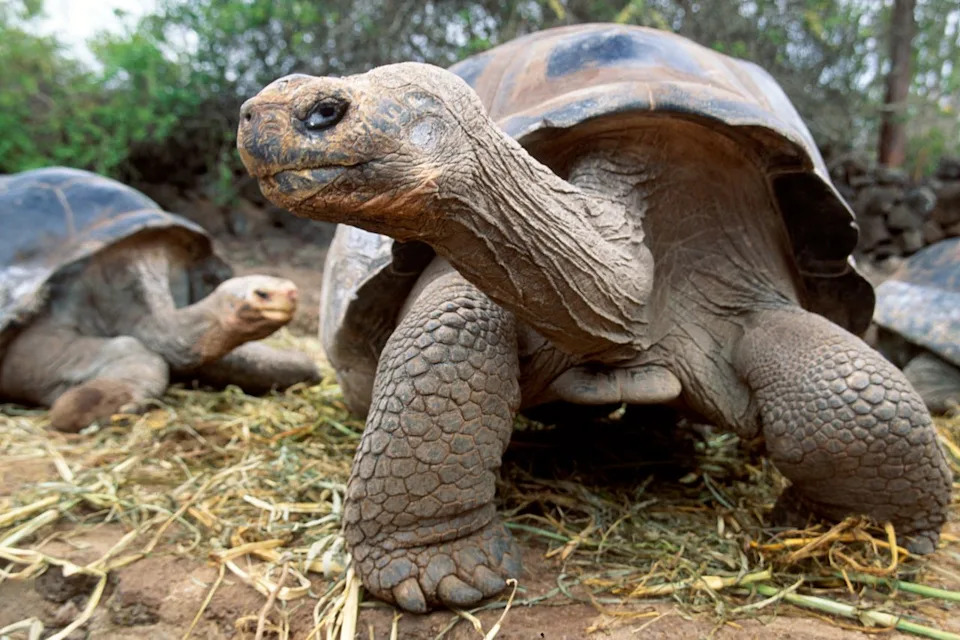
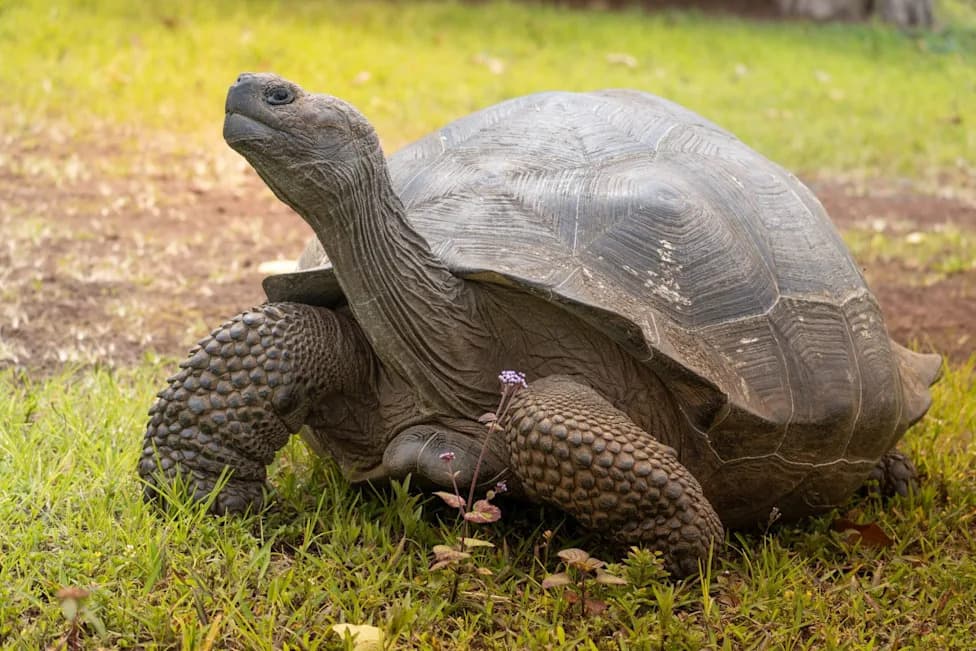
Giant tortoises at the Charles Darwin Research StationCredit: Jeffrey Greenberg/Universal Images Group via Getty
"They have thrived remarkably," said James Gibbs, Vice President of Science and Conservation at the Galápagos Conservancy, describing tortoises brought into captivity for breeding.
Breeding, Reintroductions, and Partnerships
Several organizations have collaborated to breed, raise and return tortoises to their historic islands. The Fausto Llerena Land Tortoise Breeding Center, the Galápagos National Park Directorate, Galápagos Conservancy, Island Conservation, Fundación Jocotoco and the Charles Darwin Foundation are among the groups leading restoration work.
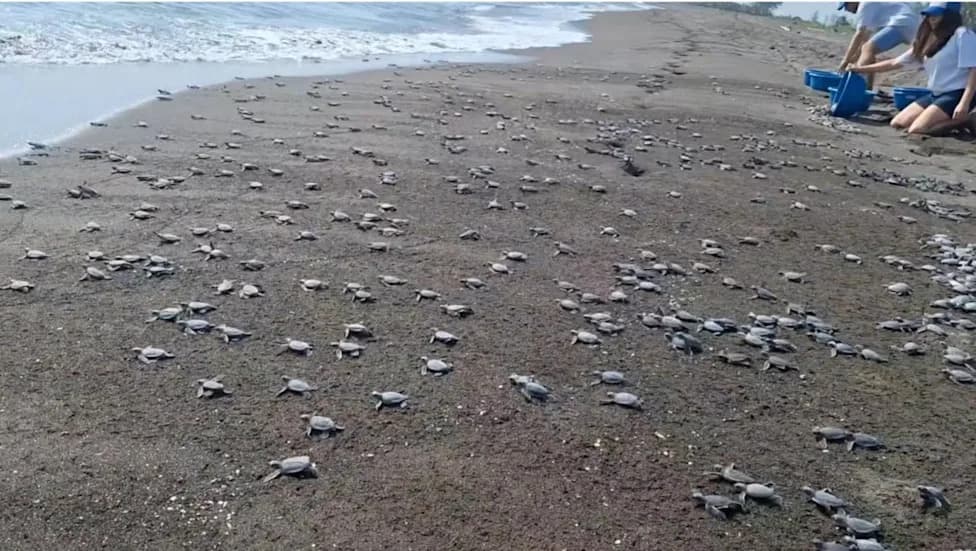
In February, conservation teams released 158 juvenile tortoises of Floreana lineage onto Floreana Island—returning them to their ancestral home after roughly 180 years. Captive programs have produced about 800 hatchlings so far and are expected to add an average of roughly 60 new tortoises per year. Over the past six decades, conservation breeding and reintroduction programs have released around 9,000 tortoises across the Galápagos.
Signs of Hope—and Continued Work
There have been other encouraging discoveries, such as the 2019 finding of an adult female Fernandina giant tortoise on her native island, a species long thought locally extinct. Despite this progress, conserving giant tortoises remains an ongoing effort: teams continue to protect habitat, control invasive species, monitor released animals and engage local communities to ensure long-term recovery.
Outlook: Thanks to sustained scientific and conservation partnerships, giant tortoises are staging a comeback—restoring not only an iconic species but also vital ecological processes across the Galápagos.
Help us improve.