The European turtle dove population in the U.K. has declined to about 2% of its 1960s level. In spring 2026, conservationists released 30 captive-bred birds in Hampshire to jump-start recovery; one released female has already laid eggs. Habitat improvements—new ponds, scrub, hedgerows and food plants—support the effort, and 100 more birds are planned for release in spring 2027. Community sightings are helping monitor the programme.
Conservationists Release 30 Turtle Doves in Hampshire as Population Plummets to 2% of 1960s Levels
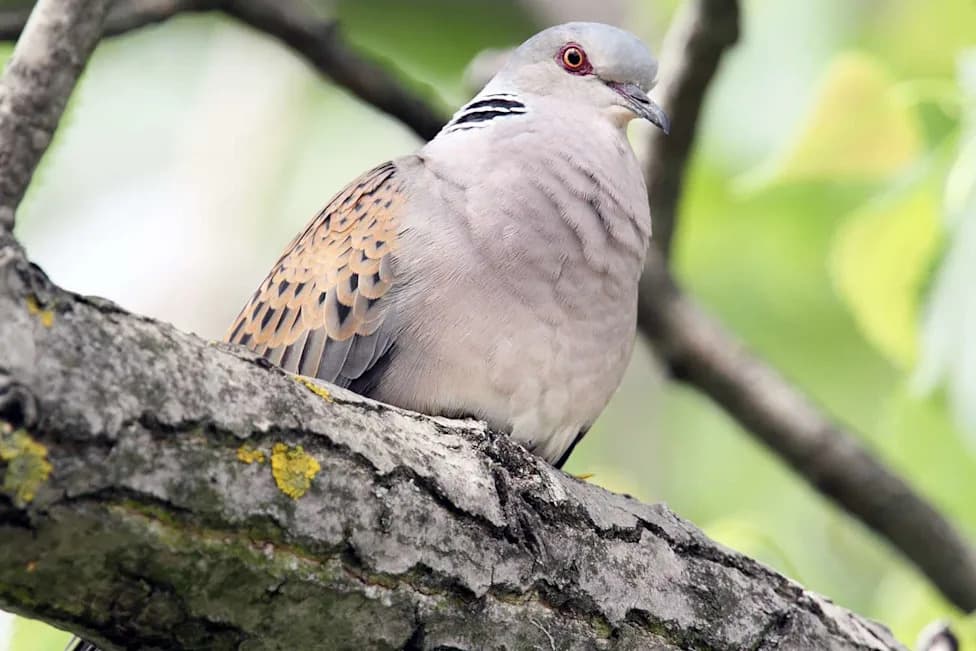
Stock image of a European turtle doveCredit: blw Naturstudio/ullstein bild via Getty
The European turtle dove has suffered a catastrophic decline in the U.K., falling to roughly 2% of its 1960s population by 2023. Once a familiar symbol of love and immortalised in the song "The 12 Days of Christmas," this species is now Europe’s only migratory dove and the fastest-declining bird in the U.K.
In spring 2026, conservation teams released 30 captive-bred turtle doves at an undisclosed site in Hampshire as part of a targeted recovery programme organised by South Downs National Park Authority in partnership with local farmers, landowners and conservation groups. The release aims to establish a breeding foothold in suitable farmland-edge habitat and to encourage wild birds to return.
Early signs are encouraging: park staff report that at least one released female has returned to the release enclosure and laid eggs. If successful, the birds will make their autumn migration—around 3,000 miles—to wintering grounds in sub-Saharan Africa and hopefully return to breed next spring.
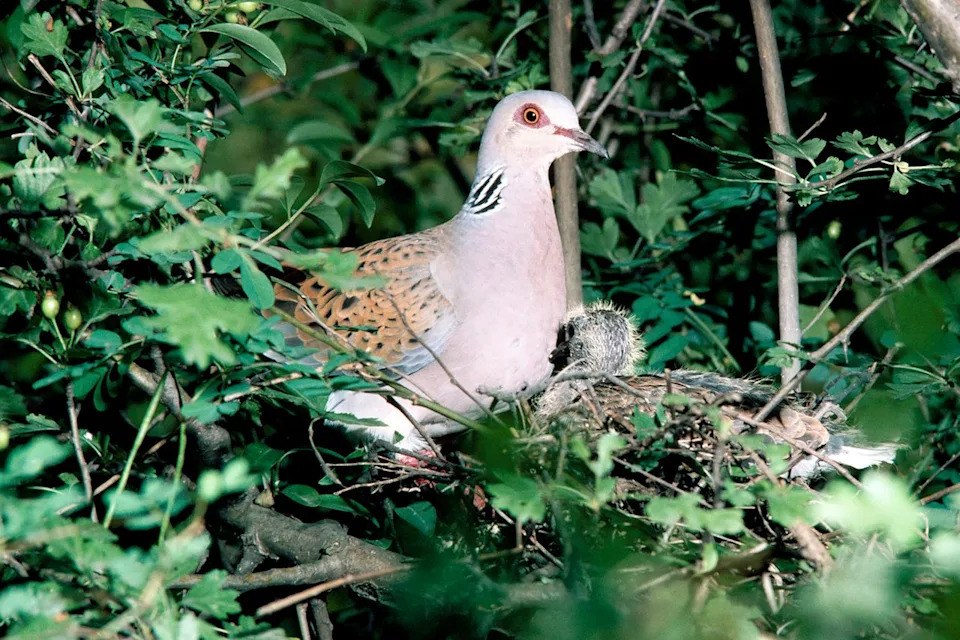
A stock image of a European turtle doveCredit: DeAgostini/Getty
Habitat restoration is central to the recovery plan. The park and its partners have created new ponds and expanded scrub, hedgerows and arable-edge habitat preferred by turtle doves, and planted seed-bearing species the birds feed on. The initiative brought together the National Park Authority, the Farming and Wildlife Advisory Group, the Selborne Landscape Partnership, volunteers and local landowners.
"The western side of the South Downs National Park, in and around Hampshire and beyond, is particularly suitable for this farmland species, which loves woodland edges, arable, scrubby, hedgerowed habitat with ponds nearby," said Paul Bushell, a ranger with South Downs National Park. "This has been a real team effort between partners, volunteers and local communities and we'd like to thank everyone who has been involved."
Park staff are monitoring the released birds with the help of community sightings, which are plotted on maps to track movements. Officials emphasise that the 30 birds are an initial step: a further 100 turtle doves are scheduled for release in spring 2027 to bolster the chance of establishing a self-sustaining population.
Continued monitoring, habitat management and public engagement will be critical to reversing the species' long-term decline and giving the emblematic turtle dove a chance to recover in the U.K.
Help us improve.