El Niño is developing again and could severely affect the Galápagos Islands. Forecasts show sea surface temperature anomalies potentially exceeding 2°C, which can collapse plankton and small-fish populations that sustain local food webs. The 1998 El Niño reduced Galápagos penguin numbers from about 1,300 to 400 (≈70% loss); researchers now warn of a possible vertebrate decline of at least 20%. Ecuadorian authorities and NGOs are stepping up invasive-plant control, seed collection and monitoring to limit damage.
El Niño Returns — Threatening Galápagos Wildlife After 1998’s 70% Penguin Die-Off
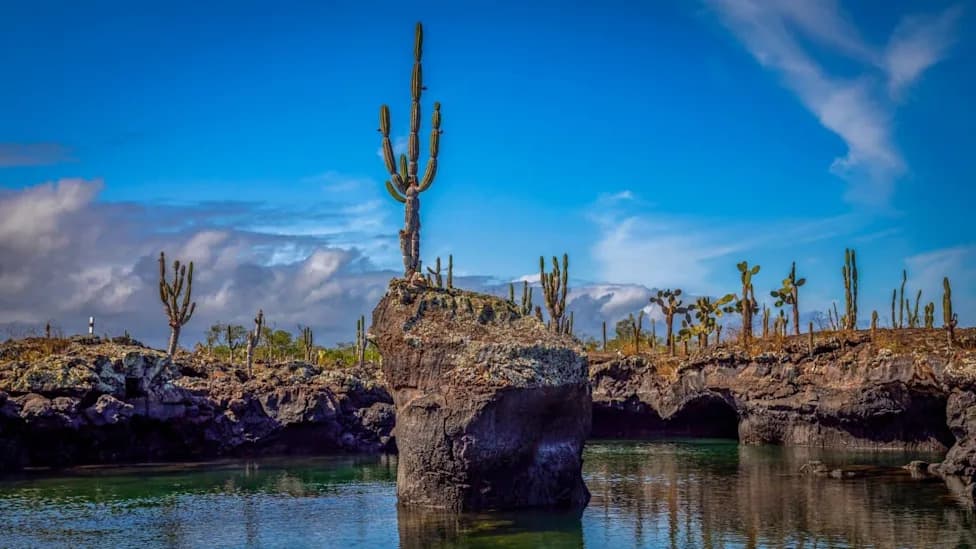
Amazing Landscape of Galapagos Islands© aarbois/Shutterstock.com
El Niño is returning, and Ecuadorian scientists warn that the phenomenon — unpredictable in timing and strength — could again imperil the Galápagos Islands’ unique wildlife. Forecasts indicate sea surface temperature anomalies near the islands may exceed 2°C, a sign of a strong event with potentially severe ecological consequences.
What Is El Niño?
El Niño occurs when the east-to-west trade winds across the Pacific weaken, allowing warmer water to pool in the central and eastern equatorial Pacific and suppressing the upwelling of cool, nutrient-rich deep water. That redistribution of ocean heat alters atmospheric circulation and jet streams, producing regionally varied impacts: the southern United States can see wetter, cooler conditions; the Pacific Northwest often has warmer, drier winters; Australia and Indonesia may suffer worsened droughts; and much of South America faces heavy rains and flooding. El Niño events are irregular in timing — sometimes every two years, other times nearly a decade apart — and commonly develop in Northern Hemisphere winter, lasting more than a year.
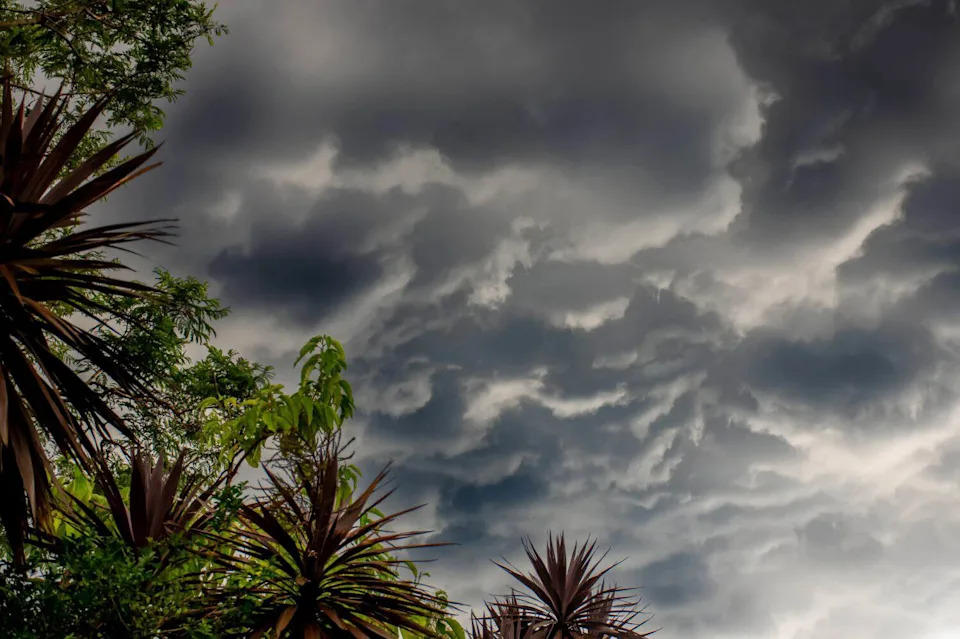
El Niño changes ocean temperatures, producing higher rainfall in some regions and more droughts in others.©Daria Nipot/Shutterstock.com
Why The Galápagos Are Vulnerable
The Galápagos archipelago comprises 127 islands, islets and rocks, of which only four are inhabited. Located roughly 600 miles (about 1,000 km) west of Ecuador’s coast in the eastern Pacific, the islands depend on a narrow range of ocean conditions. Even relatively small shifts in sea temperature can collapse local plankton and small fish populations that form the base of marine food webs.
Wildlife At Risk
Warm waters and reduced upwelling sharply reduce plankton and forage fish numbers. Larger predators that rely on them may stop breeding, disperse in desperate searches for food and face starvation. The historical precedent is stark: after the exceptionally strong 1998 El Niño, the Galápagos penguin population fell from about 1,300 birds to roughly 400 — a loss of about 70%, according to the Charles Darwin Foundation.
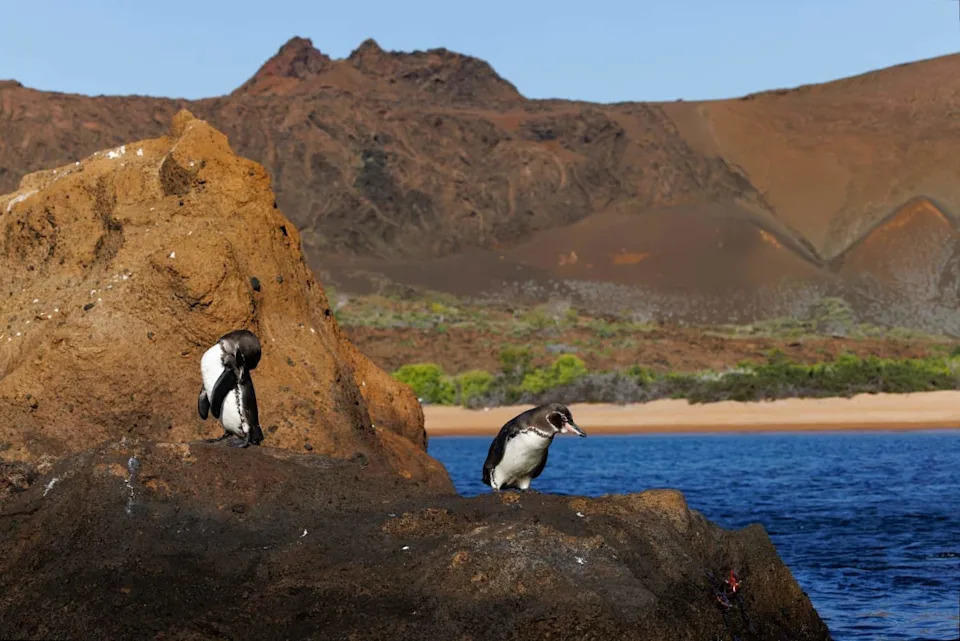
After the severe 1998 El Niño, only 400 of the 1,300 Galápagos penguins remained on the islands.©Brian Lasenby/Shutterstock.com
Washington Tapia, CEO of Biodiversa Ecuador, told the Associated Press: "Plankton, algae, and smaller fish species, which are food for larger marine animals, practically disappear."
Gustavo Jiménez of the Charles Darwin Foundation warns that iconic species are most at risk: Galápagos penguins, blue-footed boobies, petrels, flightless cormorants and albatrosses. Sea lions and nearshore coral communities could also be hard hit.
Plants, Forests And Invasive Species
Terrestrial plants are vulnerable as well. Coastal Opuntia cacti may decline, and the already fragmented Scalesia forests — of which less than 3% of the original cover remains — could be further damaged. Heavy rains associated with strong El Niño events can also favor invasive plants such as blackberries, which can overrun native vegetation and alter habitats.
Conservation Response And Outlook
To reduce the worst impacts, the Ecuadorian government is coordinating with the Charles Darwin Foundation, Biodiversa Ecuador and other NGOs to remove invasive species, collect seeds and maintain Galápagos-specific nurseries, and intensify wildlife and ocean monitoring. While these measures can bolster resilience and speed recovery, their effectiveness depends on the strength and duration of the El Niño event.
Scientists will be watching ocean temperatures, plankton abundance and breeding activity in the coming months to determine how severe this El Niño becomes and whether conservation actions can meaningfully reduce losses in one of the world’s most unique and fragile ecosystems.
Help us improve.