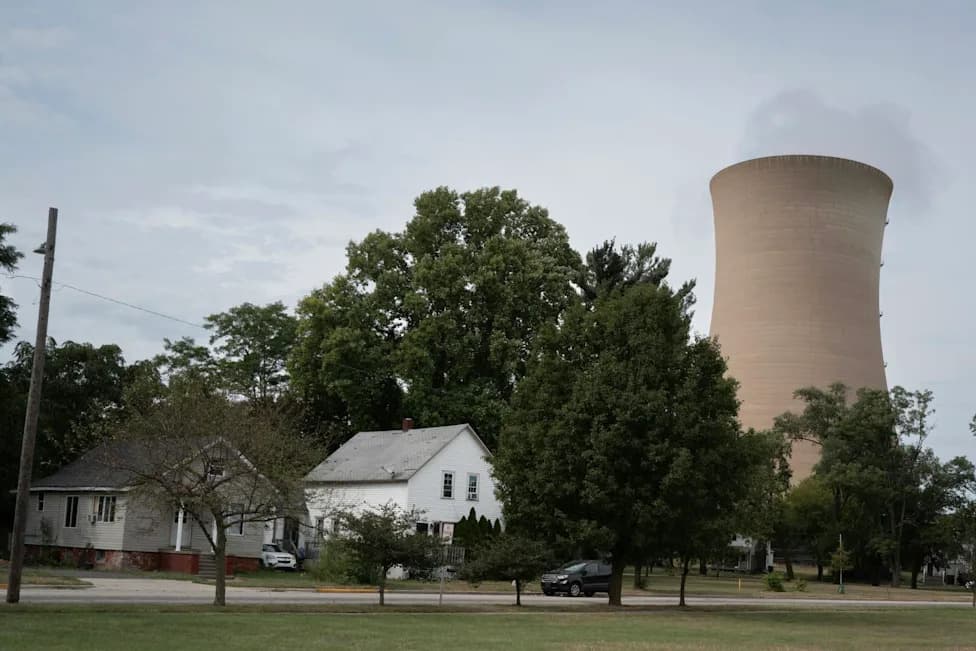
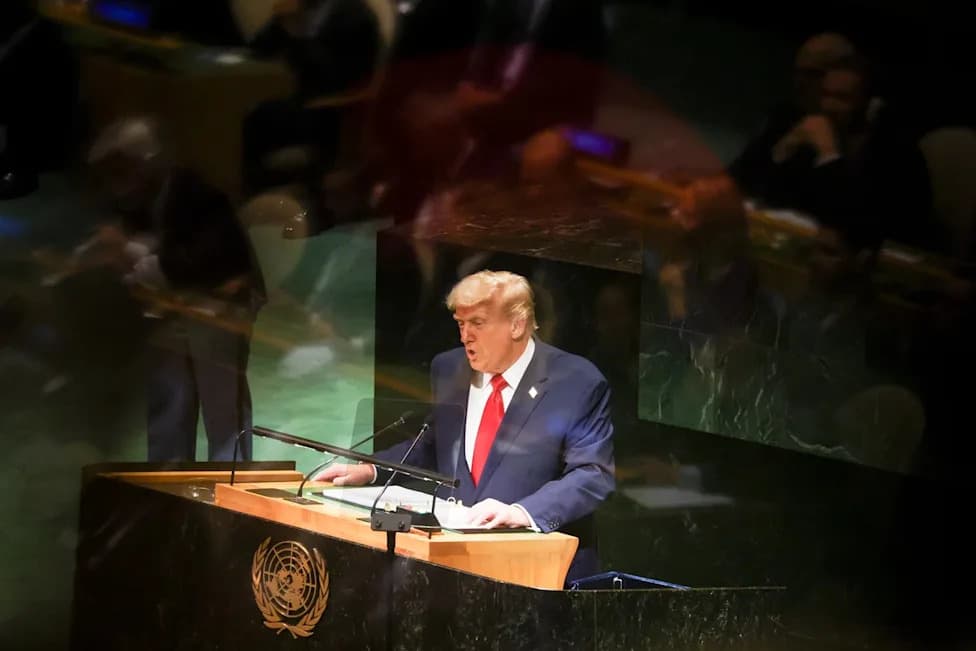
The Trump administration has moved to rescind the EPA’s 2009 "endangerment finding" that greenhouse gases threaten public health, a decision that critics say would undercut the agency’s authority to regulate major polluters. The rollback would conflict with the Supreme Court’s 2007 Massachusetts v. EPA ruling and could increase health-care costs tied to fossil-fuel pollution (already estimated at more than $820 billion). Historically, Clean Air Act measures prevented over 230,000 premature deaths and added roughly $2 trillion in productivity; analysts estimate $77 in health benefits for every $1 spent on EPA regulation. Opponents say the change will disproportionately harm working families and reshape midterm political dynamics.
Trump Move To Revoke EPA ‘Endangerment’ Finding Puts Air Quality And Public Health At Risk
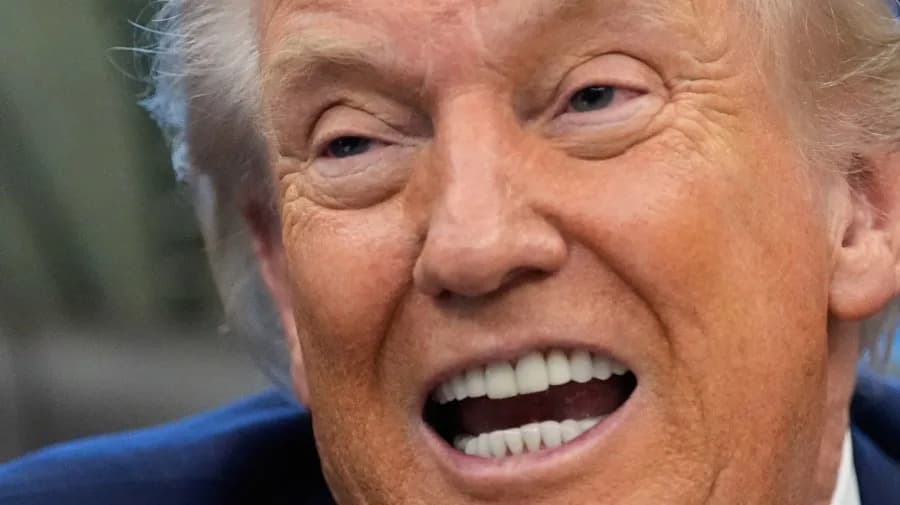
In A.D. 40 the deranged Roman emperor Caligula famously ordered his legions to "declare war" on the sea — an act of spectacle that deepened concerns about his sanity. This week, President Trump launched what critics call a similarly symbolic and dangerous maneuver: an effort to rescind the Environmental Protection Agency’s 2009 "endangerment finding" that concluded greenhouse gases "pose a threat to public health and welfare."
What the Administration Announced
According to reporting in The Wall Street Journal, the administration is taking formal steps to undo that scientific determination. Critics say the move is an opening salvo intended to strip the EPA of a core legal basis for regulating major greenhouse-gas emitters — many of which are large corporate donors to Republican campaigns. Supporters of the rollback argue it reduces regulatory burdens; opponents warn it will produce real harms for ordinary Americans.
Legal And Scientific Context
Rescinding the endangerment finding would contradict long-standing legal precedent. In Massachusetts v. EPA (2007), the Supreme Court found that greenhouse gases are "pollutants" under the Clean Air Act and recognized that unchecked emissions can cause concrete personal injuries by contaminating air and water. The court’s ruling remains the key legal foundation for regulating greenhouse-gas emissions under federal law.
Projected Health And Economic Consequences
Even under existing policies, air pollution from fossil fuels is estimated to cost the U.S. more than $820 billion in health-care spending. Historical EPA actions and Clean Air Act amendments between 1990 and 2020 are credited with preventing over 230,000 premature deaths and contributing roughly $2 trillion in economic productivity by reducing illness and missed work. Analysts have estimated that each dollar invested in EPA regulation returns about $77 in health benefits to the economy.
Policy Choices And Who Pays
The administration has also instructed the EPA to stop estimating the lives and dollars saved by pollution controls, a shift that critics say makes it easier to justify rollbacks. Weakening vehicle-emissions standards and other pollution rules would not only imperil climate goals but also likely raise long-term medical costs for many Americans — at the same time congressional Republicans allowed Affordable Care Act subsidies to lapse, increasing the cost of health insurance for some families.
Political And Social Stakes
Polling and research underline how these issues resonate with voters. New data from the nonpartisan Kaiser Family Foundation indicate roughly half of U.S. adults report struggling to afford health care, and about one-third say they have postponed or canceled care for financial reasons. Many of those surveyed blame the administration and Republican allies for policies they see as putting public health at risk. Separately, surveys find a majority of voters link current climate policies to higher consumer costs, turning environmental policy into a "kitchen-table" political issue.
Bottom Line: Critics argue the rollback chiefly benefits wealthy polluters while imposing disproportionate health and financial burdens on working families, who have limited ability to escape poor air quality.
Like Caligula’s abortive campaign against the sea, the move to dismantle the EPA’s legal authority is dramatic — but unlike Caligula’s folly, its consequences could be tangible, widespread and long-lasting. With a sympathetic Congress and a reshaped Supreme Court, administration actions could erode protections that generations of policy makers and public-health experts argue have delivered demonstrable benefits.
Max Burns is a veteran Democratic strategist and founder of Third Degree Strategies.
Copyright 2026 Nexstar Media, Inc. All rights reserved. This material may not be published, broadcast, rewritten, or redistributed.
For the latest news, weather, sports, and streaming video, visit The Hill.
Help us improve.