The National Park Service removed interpretive panels at Little Bighorn National Monument after President Trump’s March 2025 executive order directing the Interior to eliminate content it deems disparaging and to emphasize national achievement or natural beauty. The removals mirror actions at at least 17 park sites in six states, including the dismantling of an exhibit about people enslaved by George Washington. The Northern Cheyenne Tribal Council voted 11-0 to oppose changes at the battlefield, and tribal members and locals condemned the removals as erasure of Indigenous history.
Little Bighorn Controversy: NPS Removes Native American Interpretive Panels After 2025 Executive Order
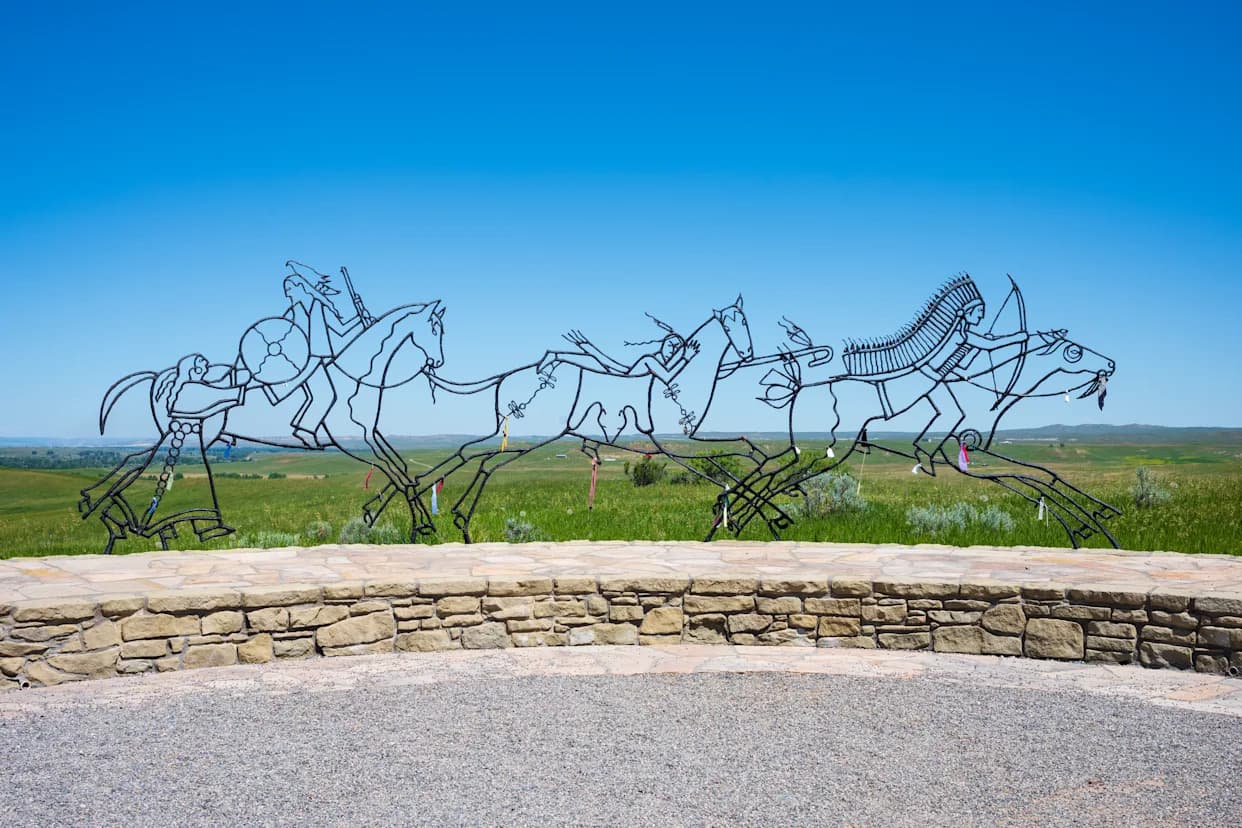
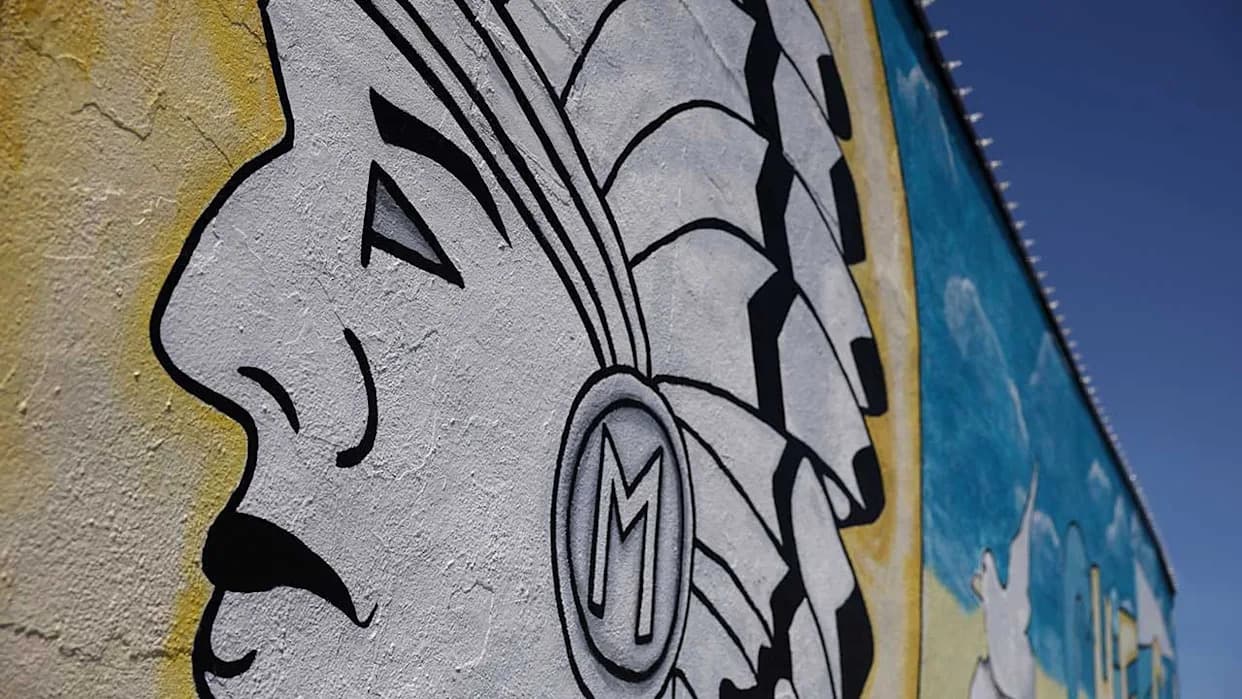
The Native American memorial commemorating the Lakota and Cheyenne warriors who fought Custer and the 7th Cavalry at the Battle of Little Bighorn. (Getty Images)(Jonathan W. Cohen)
For more than 150 years, the Battle of the Little Bighorn has provoked debate and reflection about what happened on the Montana Plains on June 25, 1876. Questions about whether Lt. Col. George Custer ignored orders, dismissed scouts' warnings, split his command, or was simply outmaneuvered by combined Lakota and Cheyenne forces remain central to how the site is interpreted.
Federal Action and Local Response
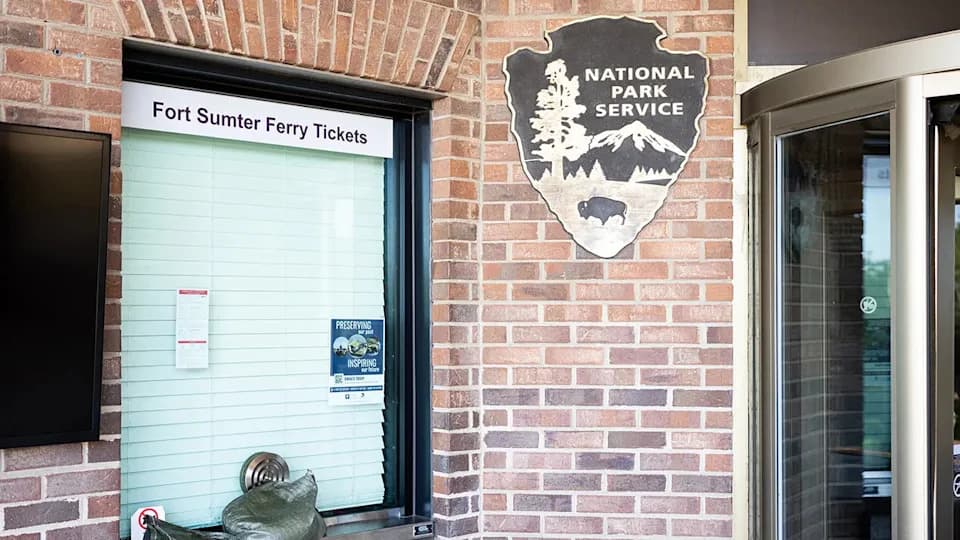
Following President Donald Trump’s March 2025 executive order titled "Restoring Truth and Sanity to American History," the National Park Service removed several interpretive panels at Little Bighorn National Monument. Local reporting by KTVQ indicates the panels described broken promises to Native American tribes and referenced losses of Indigenous culture and language linked to boarding-school systems.
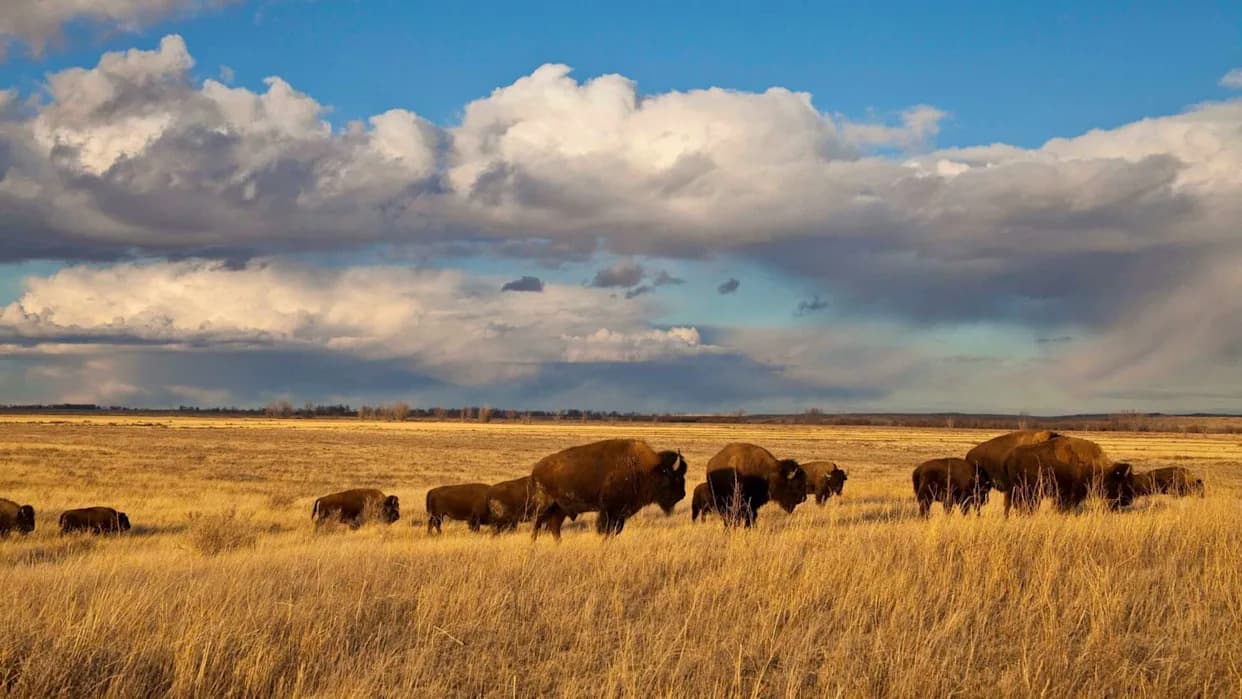
The executive order gives the Secretary of the Interior authority to ensure Department of the Interior sites "do not contain descriptions, depictions, or other content that inappropriately disparage Americans past or living," directing those sites instead to emphasize American achievement, progress, or the natural grandeur of the landscape.
Wider Pattern of Removals
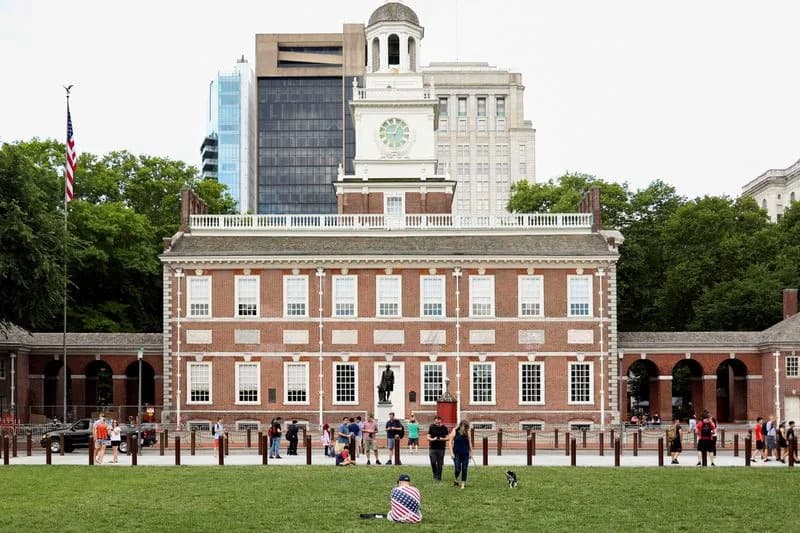
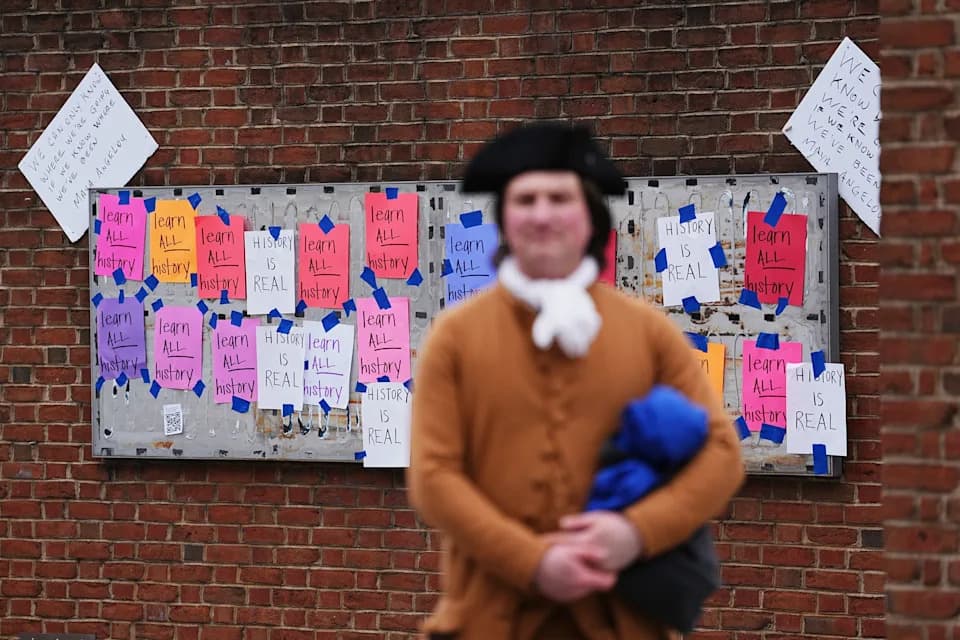
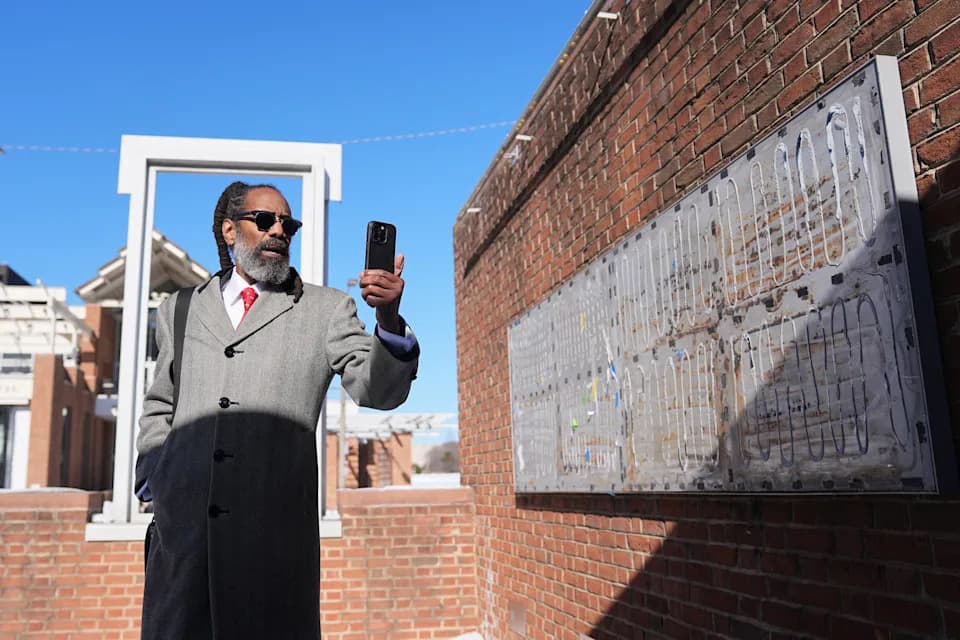
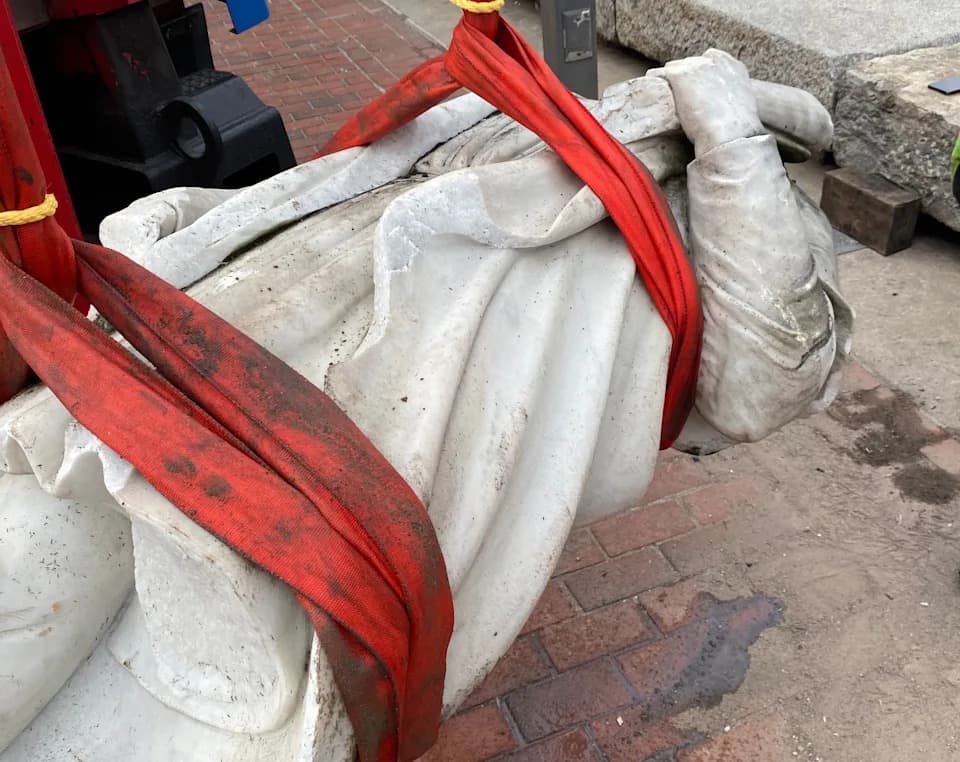
These removals are part of a broader effort that has affected at least 17 national park sites across six states in the past year. Among the most publicized examples was the removal at Independence National Historical Park in Philadelphia of an exhibit that memorialized nine people enslaved by George Washington. The New York Times published images showing workers dismantling panels with crowbars, including one that detailed the slave trade and the slave-based economy.
Tribal Opposition and Local Voices
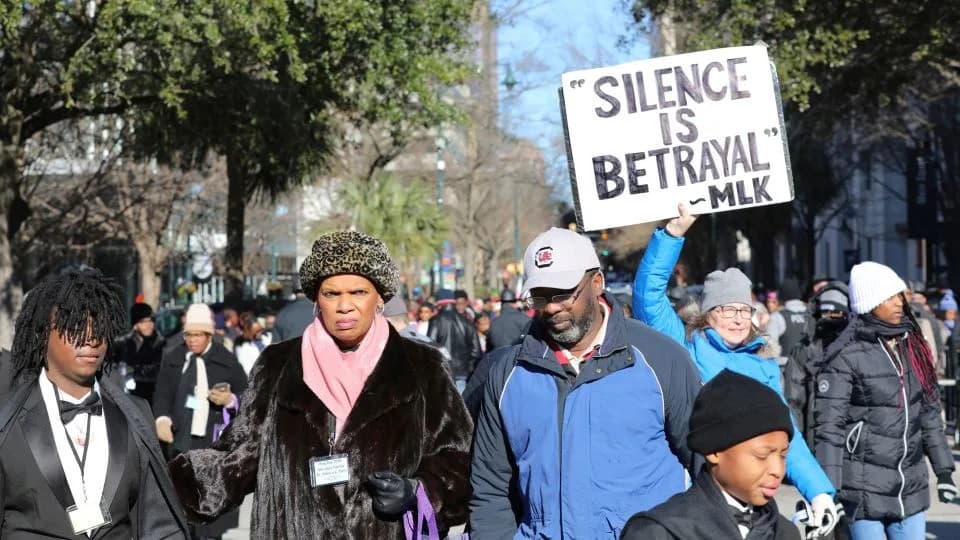
The removals at Little Bighorn prompted a strong and swift response in Montana. The Northern Cheyenne Tribal Council voted unanimously, 11-0, to oppose any alterations or removals of Native American markers, monuments, or signage at the battlefield. The tribe cited Article X of Montana’s constitution, which recognizes and seeks to preserve the distinct cultural heritage of American Indians and commits to protecting their cultural integrity in education.
“It’s disturbing, disgusting and wrong. You should not erase other people’s history because it makes you uncomfortable,” said Keianna Cachora, an employee at the Custer Battlefield Trading Post, to KTVQ.
Lucy Real Bird, a teacher at Crow Agency Public Schools, told the outlet, “We’re going to keep telling our story. This victory happened 150 years ago, and they’re welcome to join us because we’re going to have a victory. We’re still going to continue teaching our language, teaching our history, being who we are as Apsáalooke, as Indigenous people, and the original people of this land.”
What This Means
The removal of interpretive panels at nationally significant sites raises questions about how federal policy shapes public history, whose perspectives are represented at national monuments, and how communities and tribes can preserve and tell their own stories. At Little Bighorn, the dispute underscores the ongoing tensions between federal directives and tribal efforts to protect and interpret Indigenous history and cultural memory.
Help us improve.