Stavatti Aerospace unveiled the SM-39 Razor, a triple‑fuselage "batwing" concept the 25‑person firm says could exceed Mach 4 while carrying 25,000 lb of weapons internally. Experts caution that turbofan propulsion and current materials struggle with near‑hypersonic heating and inlet/thermal protection challenges, and most designs that approach those speeds use scramjets or rockets instead. Stavatti has decades of concept work but no full‑scale prototype, while the Navy’s F/A‑XX program — backed by up to $897 million in FY2026 funding — still favors established vendors such as Boeing and Northrop Grumman.
Startup’s ‘Batwing’ SM-39 Razor Claims Mach 4+ Speed — Experts Doubt Feasibility
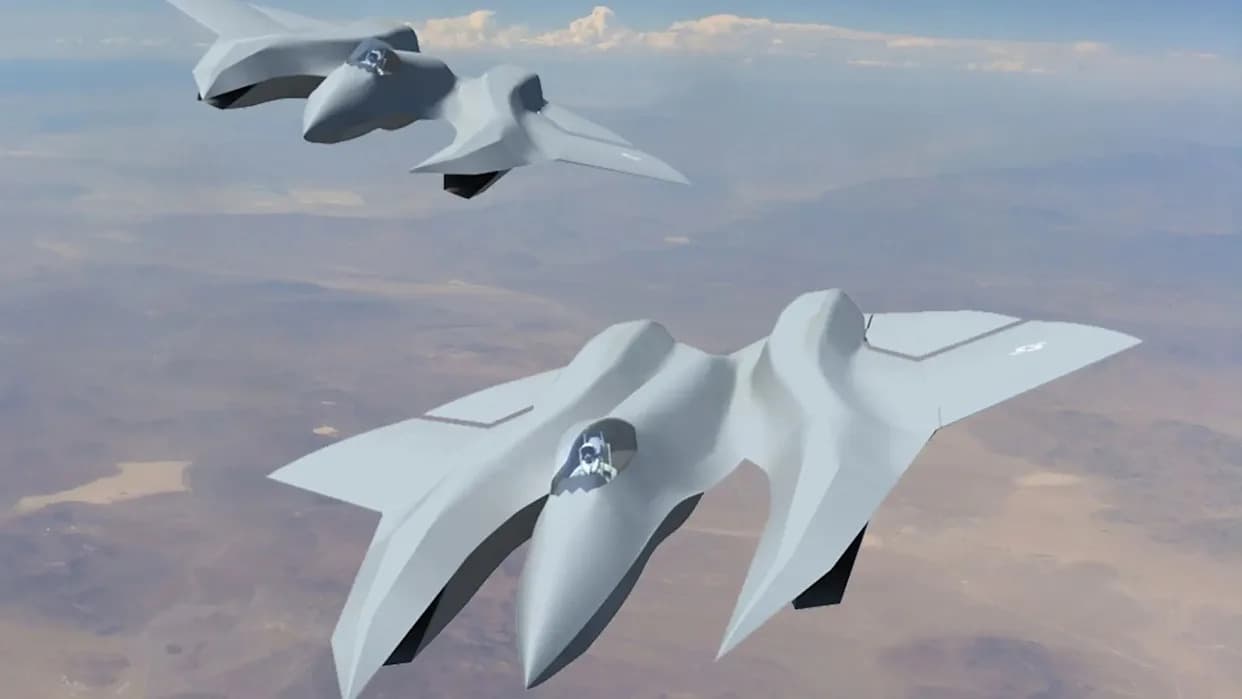
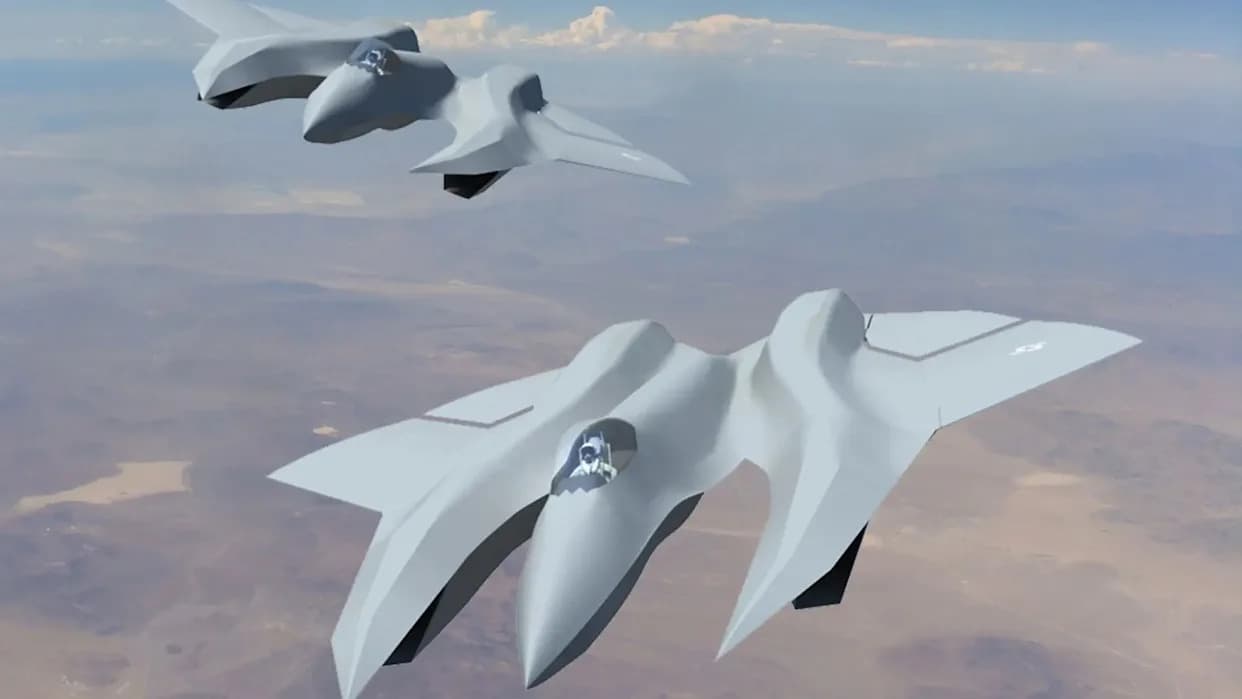
Image: Stavatti Aerospace
Stavatti Aerospace, a 25-employee firm based in Niagara Falls, has released concept details for the SM-39 Razor, a triple-fuselage, "batwing" fighter the company says could exceed Mach 4 while retaining stealth characteristics. The visually striking design has attracted attention in defense-technology circles — but many aerospace engineers say the performance claims raise serious technical questions.
What Stavatti Says
Company claims: twin E1400 afterburning turbofan engines powering a roughly 70-foot airframe to speeds above Mach 4; internal weapons capacity of about 25,000 pounds; a service ceiling near 100,000 feet; and a 1,400-nautical-mile tactical radius. Stavatti has positioned the SM-39 as an entry in the Navy’s F/A-XX competition to replace carrier-based Super Hornets.
Why Experts Are Skeptical
Those performance numbers — if accurate — would put the SM-39 in a rarefied class alongside the fastest reconnaissance and experimental aircraft in history. But turbofan engines and conventional airframe materials are not typically used for sustained flight in the near-hypersonic regime (generally considered above Mach 3). Managing inlet airflow, addressing extreme aerodynamic heating, and protecting radar-absorbent materials at Mach 4+ are nontrivial problems that normally require specialized propulsion (scramjets, ramjets, or rocket boosters) and thermal protection systems.
"Turbofan engines weren’t designed for sustained near‑hypersonic flight," said one aerospace engineer familiar with high‑speed propulsion. "Thermal loads, materials, and inlet design are major technical barriers."
At speeds approaching Mach 4, skin temperatures rise dramatically, which can weaken structural materials and damage stealth coatings. Most operational high‑speed vehicles that reach those regimes are purpose-built testbeds or use alternative propulsion; they are not conventional turbofan‑powered fighters.
Track Record And Program Context
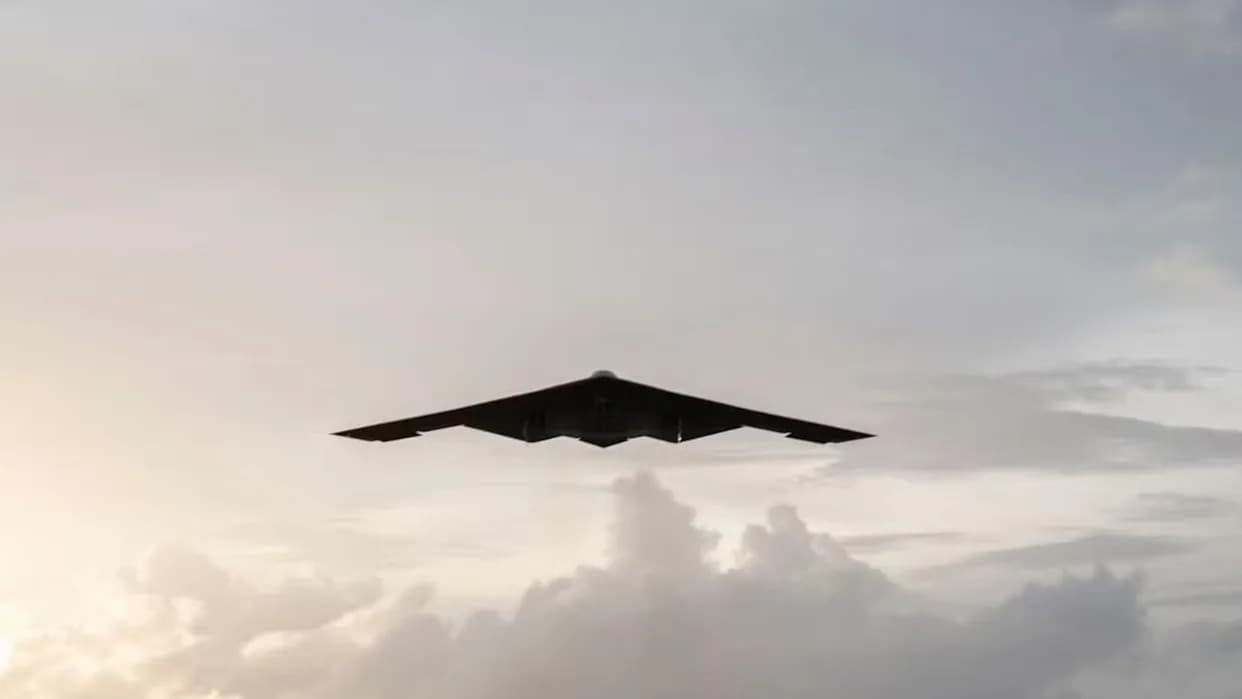
Stavatti points to roughly 30 years of concept and design work, but the company has not delivered a full‑scale prototype. That history contrasts with established defense primes: Boeing has decades of experience building carrier‑capable aircraft, and Northrop Grumman has fielded stealth systems that have seen operational use.
The Navy’s F/A‑XX program received up to $897 million in FY2026 funding for Engineering & Manufacturing Development, and the Chief of Naval Operations has urged accelerating the effort amid strategic competition. Industry observers continue to view Boeing and Northrop Grumman as the most likely companies to produce a Super Hornet replacement on the timeline the Navy envisions.
Bottom Line
The SM-39 Razor is an attention‑grabbing concept that taps into a popular narrative about small firms disrupting entrenched defense suppliers. But the combination of claimed speeds, propulsion type, and thermal/stealth requirements makes the engineering challenge unusually steep. Whether Stavatti’s submission advances beyond concept drawings and feasibility studies remains to be seen.
Why it matters: Bold concepts can spark innovation, but acquisition programs like F/A‑XX typically favor proposals with demonstrated prototypes, mature technology, and credible development paths — areas where established primes currently hold advantages.
Help us improve.