Chinese scientists at NINT have developed the TPG1000Cs, a compact high‑power microwave pulse driver roughly 4 metres long and 5 tons in weight. Using a liquid dielectric (Midel 7131) and a dual‑width pulse‑forming line, the team reported stable one‑minute tests producing ~200,000 pulses. Media reports cite potential peak pulses up to 20 GW — above analysts’ ~1 GW disruption threshold for satellites — though independent operational validation is lacking. The prototype highlights rising concerns about directed‑energy anti‑satellite capabilities and the militarisation of space.
China Unveils Compact High‑Power Microwave Driver That Could Threaten Satellite Constellations
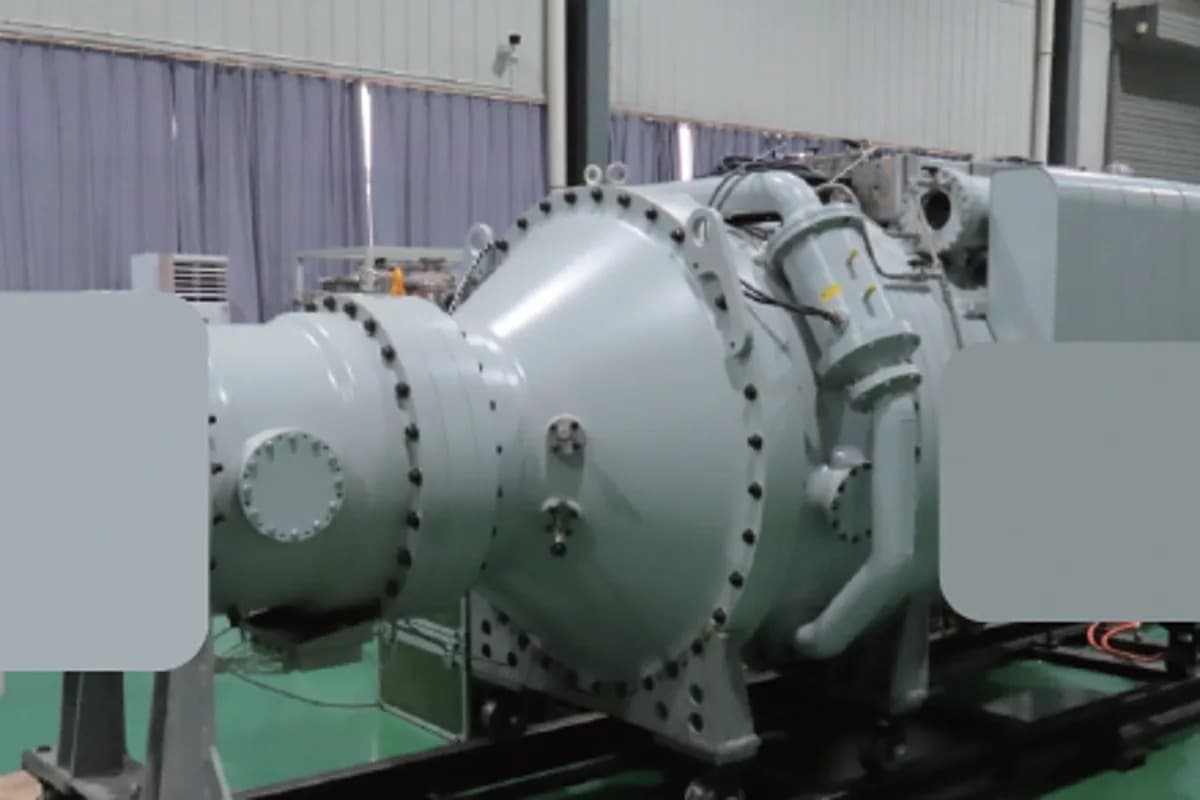
China takes big step towards developing ‘Starlink killer’ weapon with compact high-power microwave
Chinese researchers at the Northwest Institute of Nuclear Technology (NINT) report developing a compact, high‑power microwave (HPM) pulse driver that could enable a new class of directed‑energy systems capable of disrupting satellite electronics.
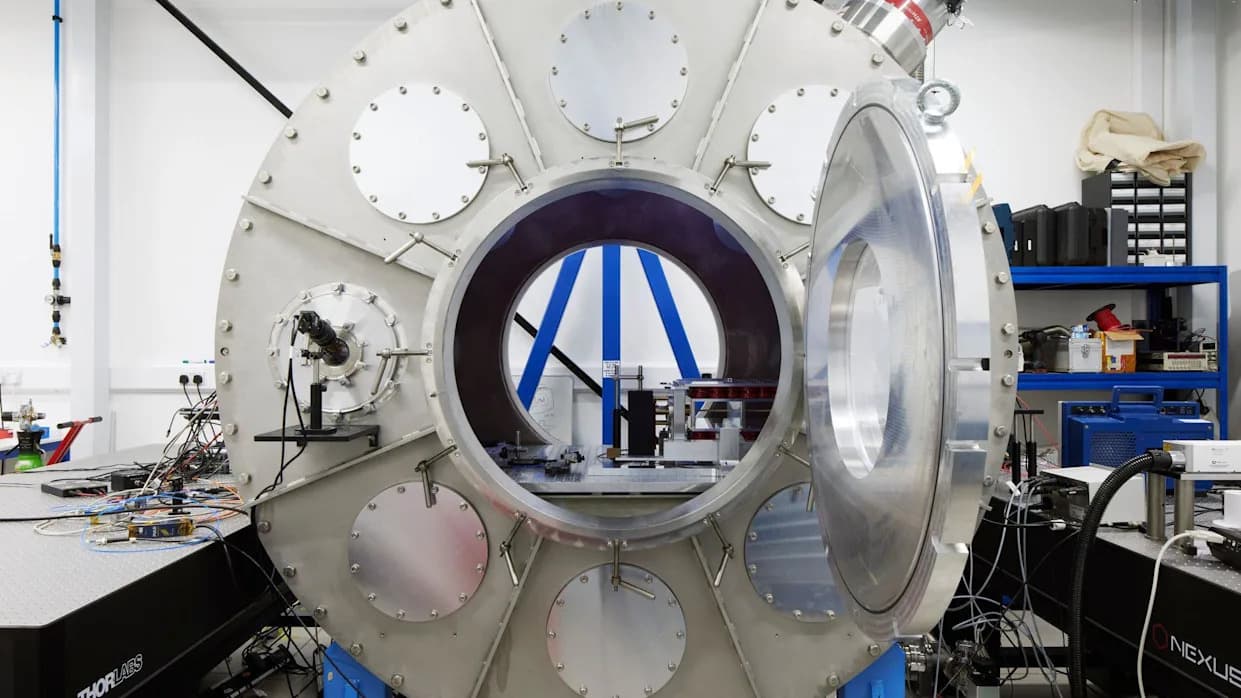
The prototype, designated TPG1000Cs, measures about four metres (13 feet) long and weighs roughly five tons — far smaller than earlier pulse generators that were typically 10 metres or longer and weighed more than 10 tons. According to the paper published in High Power Laser and Particle Beams, miniaturisation was achieved by using a high‑energy‑density liquid dielectric, Midel 7131, together with a dual‑width pulse‑forming line to reduce losses and improve insulation.
How It Works
HPM systems store electrical energy and release it almost instantaneously in a concentrated pulse, a process similar in principle to a Tesla transformer. The resulting surge can drive microwave generators to produce electromagnetic bursts that can disrupt or damage sensitive electronics if directed at a target.
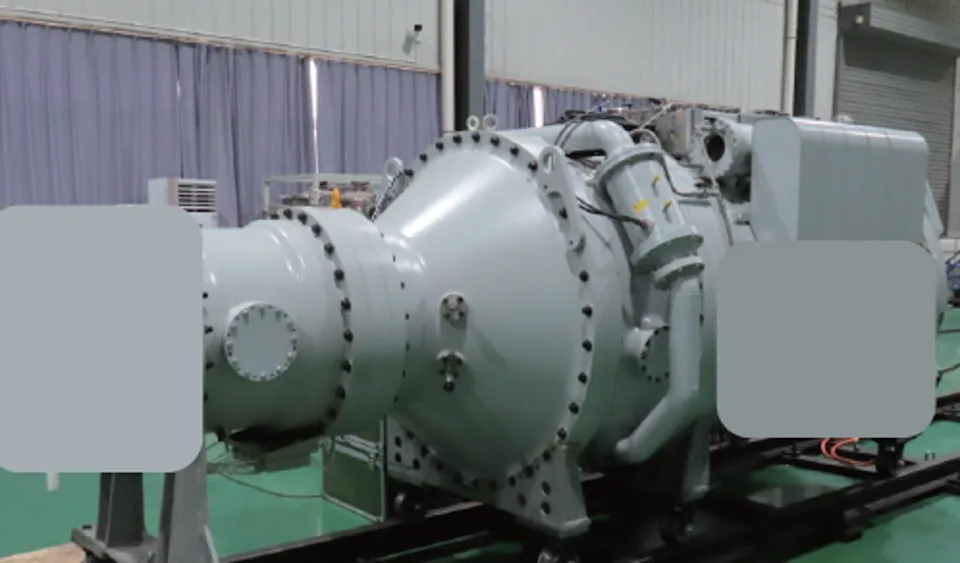
Pulsed power generator TPG1000Cs (High Power Laser and Particle Beams (2025))
Reported Performance And Tests
Researchers report the TPG1000Cs ran stably in continuous tests lasting one minute, producing approximately 200,000 pulses with consistent performance. Media reporting, citing the research, states the device can generate electrical pulses on the order of 20 gigawatts (GW) — well above analysts’ commonly cited disruption threshold of around 1 GW for low Earth orbit satellites like SpaceX’s Starlink. These output figures are reported by Chinese sources and covered by the South China Morning Post (SCMP); independent verification in operational conditions is not publicly available.
Operational Implications
Because kinetic anti‑satellite strikes create long‑lasting orbital debris, directed‑energy options such as HPM are being studied as potential alternatives that might disable satellites with less debris and greater deniability. The TPG1000Cs’ reduced size could make it more adaptable to different platforms — ground vehicles, aircraft, or even other satellites — if further development proves successful.
Caveats: These are early laboratory and prototype results. Reported peak outputs and operational effects against real satellites require independent testing and validation. Legal, ethical, and strategic implications of deploying HPM systems in or near space remain significant.
Context
China has published multiple studies examining large satellite constellations’ military and strategic implications, including ways to monitor or interfere with them. Researchers at Nanjing University of Aeronautics and Astronautics and the Beijing Institute of Technology have highlighted Starlink’s potential military value and modelled scenarios for disrupting constellations in various regions.
Whether the TPG1000Cs or successor devices will be fielded, and if so in what roles, remains uncertain. The announcement contributes to growing international discussion about the militarisation of space, escalation risks, and the need for norms or arms‑control measures addressing directed‑energy and anti‑satellite capabilities.
Help us improve.