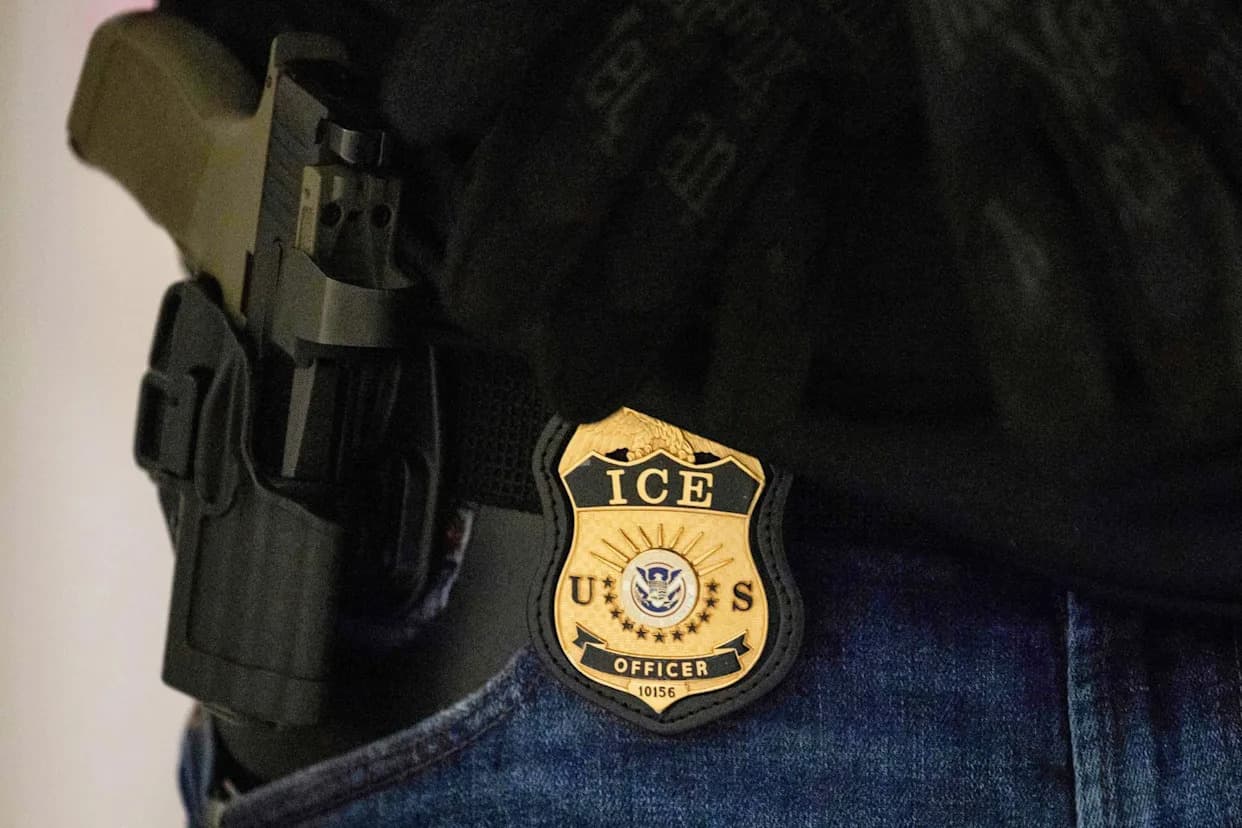
The BIA dismissed the asylum appeal of a Peruvian journalist couple who say anonymous death threats and an envelope of bullets proved they were in danger. Immigration advocates argue the decision raises the bar for protection, saying it could force people to wait until they are physically harmed. The ruling comes amid a sharp decline in U.S. asylum approval rates and growing immigration court backlogs; the couple’s lawyer plans to seek review in the Eleventh Circuit.
Peruvian Journalist Couple Denied U.S. Asylum After Anonymous Death Threats; Advocates Say Ruling Lowers Protection Standard
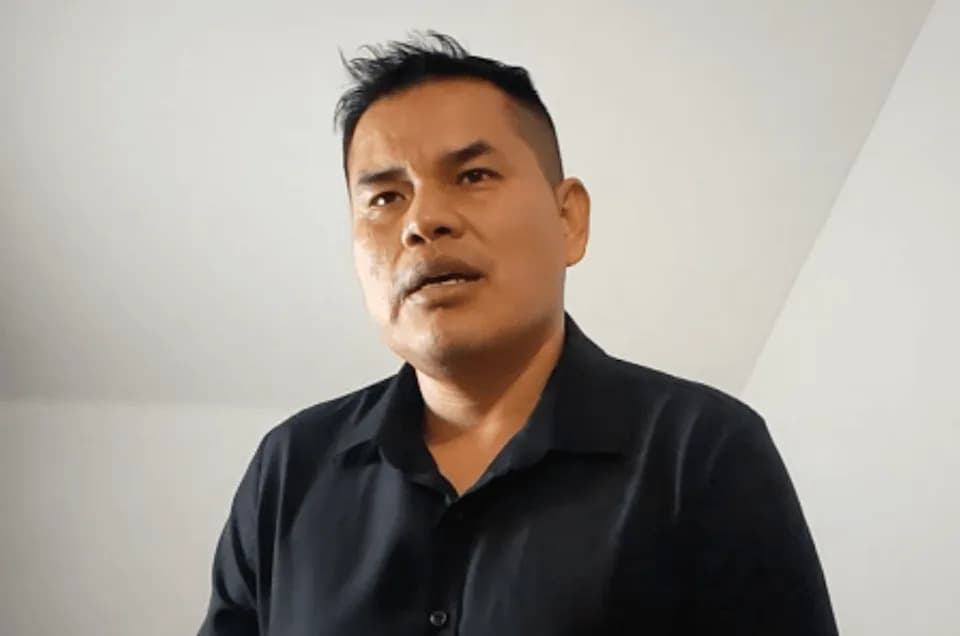
Peruvian journalist Deyvi Soria, speaking to Noticias Telemundo on Jan. 28. (Albinson Linares)(Albinson Linares)
A Peruvian journalist and his wife say anonymous death threats — including a note and an envelope containing bullets left at their doorstep — proved their lives were in danger. Yet the Board of Immigration Appeals (BIA) recently rejected their U.S. asylum appeal, holding that vague or anonymous threats alone generally do not meet the legal threshold for persecution.
What Happened
Deyvi Soria, a former producer at Lima-based UCI TV, says that in late 2022 an envelope appeared at his home and he saw a man running away. "The note they left at our house said directly that we should stop speaking ill of the party and the leader (then former President Pedro Castillo), because that could cost us our lives and the lives of our families," he said. A later envelope, the couple says, contained three bullets.
Soria worked on a program with his wife, identified only as E.M. for safety reasons. E.M. reported on corruption and other allegations tied to Castillo's administration. After strangers began appearing near their home and they received no protection from Peruvian police, the couple left Lima with their two daughters, traveled to Mexico, then crossed into the U.S. where they were placed in removal proceedings and applied for asylum and protection under the Convention Against Torture.
U.S. Proceedings and the BIA Decision
Their initial hearing was held in an immigration court in Miami in 2024. The immigration judge accepted that the threats were linked to Soria's political opinion as a journalist critical of the government but concluded the threats did not amount to past persecution and denied asylum. Their attorney, Bradley Westerhold, appealed.
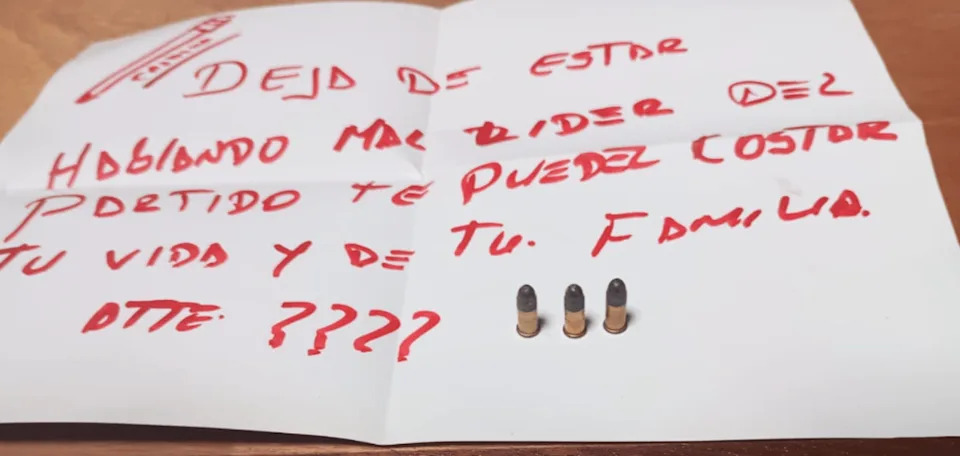
One of the letters sent to the couple's home said that speaking "ill of the leader" could cost them their lives. It had three bullets enclosed. (Deyvi Soria)(Deyvi Soria)
Last month the BIA dismissed the couple's appeal, concluding that "a death threat that is vague, anonymous, or used merely to intimidate, by itself, does not rise to the level of severity required to establish persecution." The board said threats "rarely" constitute stalking absent evidence that the aggressor had an "immediate capacity" to carry them out.
Reactions From Advocates and Lawyers
"What that decision says is that having a very well-founded fear through death threats is not enough to win an asylum case," said Denise Gilman, director of the Immigration Clinic at the University of Texas at Austin. "So, basically what this means is that a person has to wait to be seriously injured or even killed to qualify for asylum."
Westerhold warned the ruling tightens the legal path to protection: "It doesn’t mean that threat cases can never be approved, but now the threats have to be connected to more serious physical harm, or there has to be something more than just the threat itself." He is preparing to seek review by the U.S. Court of Appeals for the Eleventh Circuit.
Boston immigration lawyer Jennifer Bade, who often represents clients who flee after receiving threats, said the decision is harsh and disregards how people realistically respond: "Who in their right mind would wait to see if the threat is credible, when there are already people who have received similar threats and then died? Everyone would be in survival mode and would want to leave."
Context: Rising Risks for Journalists and Falling Asylum Approvals
International organizations and press advocates say Latin America remains one of the most dangerous regions for journalists outside of active war zones. Reporters Without Borders counted 17 journalists murdered worldwide in 2025 alone; the National Association of Journalists in Peru recorded 458 attacks on the press last year, including three murders — a lethal level not seen there since the 1990s internal conflict.
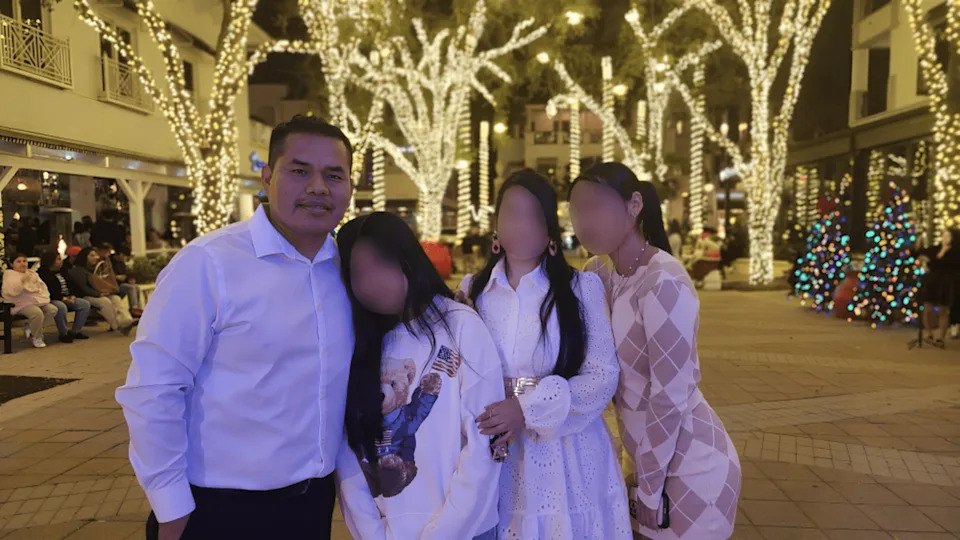
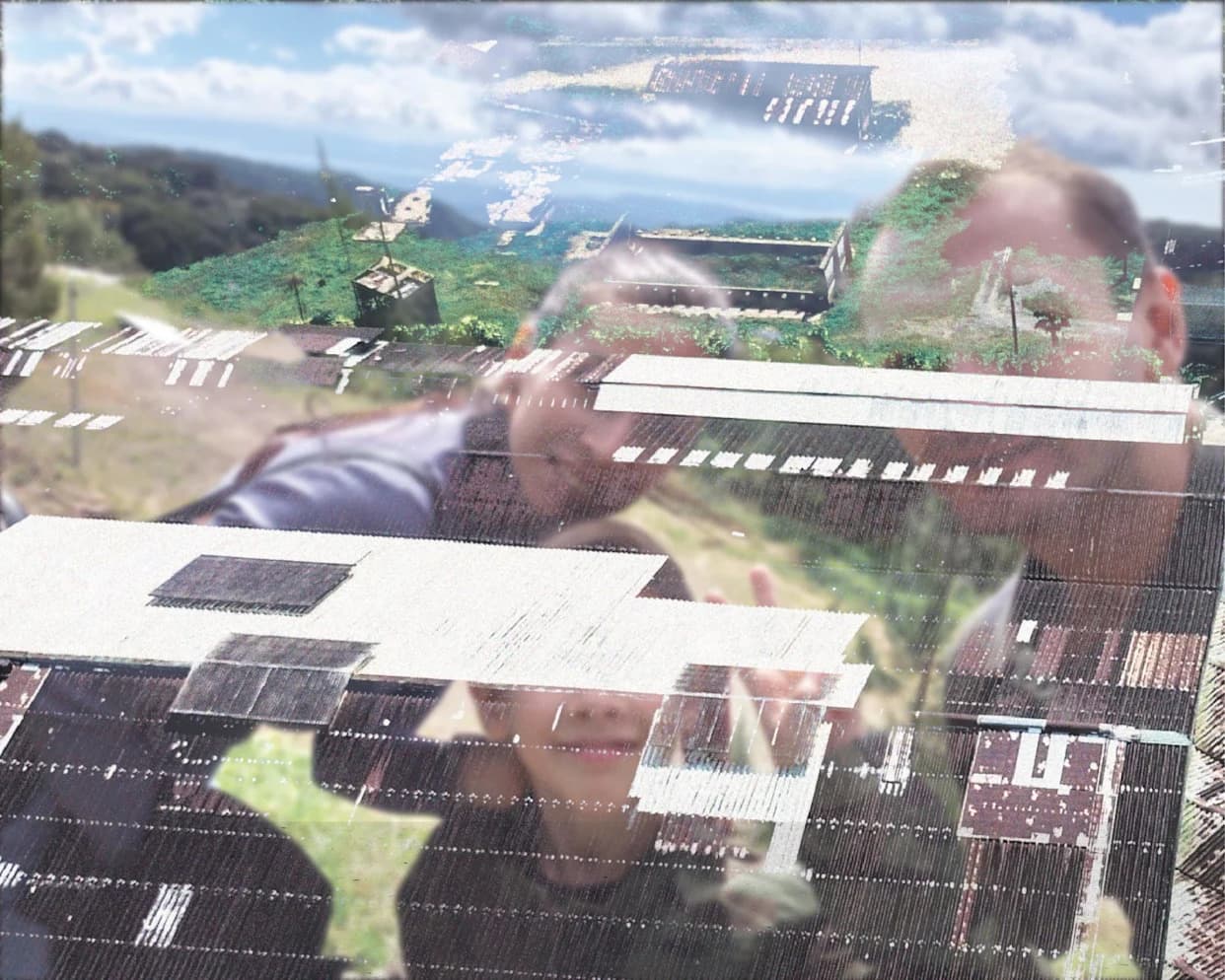
Soria with his wife and daughters, whose faces have been blurred, in Florida. (Deyvi Soria)(Deyvi Soria)
At the same time, asylum approval rates in U.S. immigration courts have fallen sharply and backlogs have surged. The TRAC Data Center at Syracuse University estimates the monthly asylum approval rate fell to 19.2% in August 2025 (from 38.2% in August 2024). A Congressional Research Service report estimated the annual asylum approval rate for FY2025 at roughly 12%. U.S. immigration courts now face a backlog of more than 3.7 million pending cases.
In November, Joseph Edlow, then director of U.S. Citizenship and Immigration Services, announced a suspension of "all asylum decisions until we can ensure that all foreign nationals are investigated and vetted to the fullest extent possible." Noticias Telemundo sought comment from DHS and USCIS; both agencies referred inquiries to the Executive Office for Immigration Review (EOIR). EOIR spokesperson Kathryn Mattingly said the agency does not comment on decisions but that immigration judges "consider all evidence and arguments presented by both parties and decide each case in a timely, impartial, and lawful manner."
What Comes Next
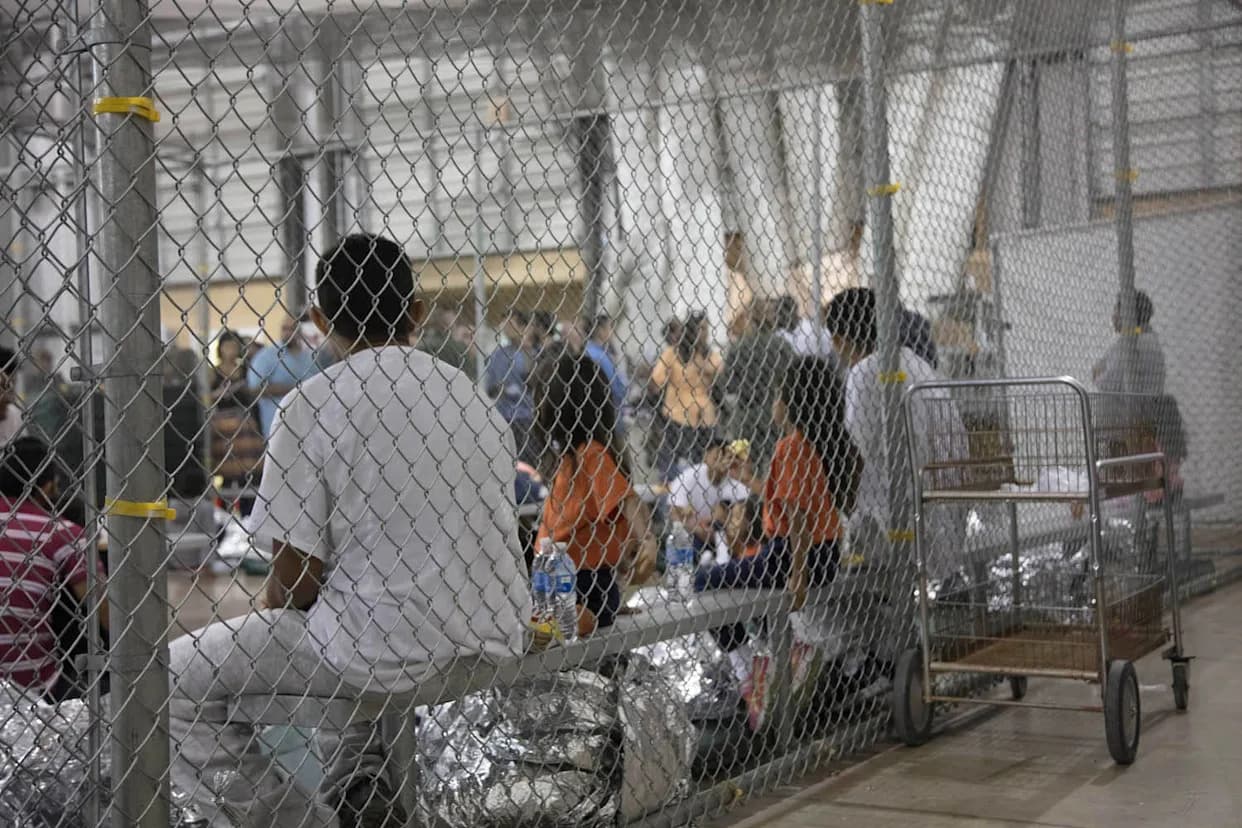
The Soria family’s attorney is filing for review with the Eleventh Circuit. The ruling and the broader shift in asylum approvals have advocates worried that people facing credible threats will be forced to remain in danger until violence occurs or until they can produce additional evidence of immediate capacity to harm.
Note: This report is based on court records, interviews with the family’s attorney and immigration advocates, and public data from TRAC and the Congressional Research Service. An earlier version of this story was published by Noticias Telemundo and NBCNews.com.
Help us improve.