An immigration judge granted asylum to 38-year-old Guan Heng after concluding he would likely face persecution if returned to China for filming Xinjiang detention facilities. Guan traveled from China in 2021 and has been detained since an August immigration enforcement sweep. Judge Charles Ouslander found Guan credible and cited evidence that Chinese authorities had questioned his family. DHS has 30 days to decide whether to appeal; Guan remains in custody pending that decision.
U.S. Grants Asylum to Chinese Whistleblower Who Filmed Xinjiang Detention Sites
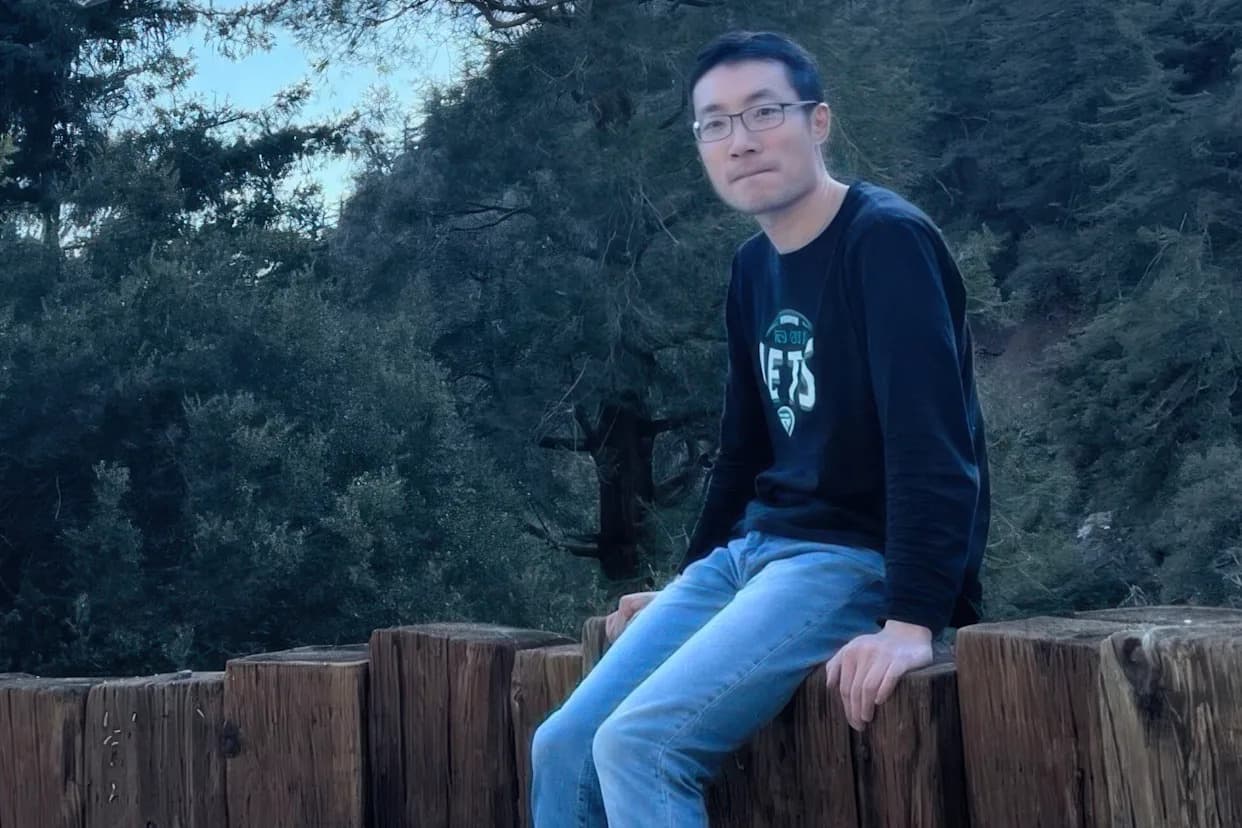
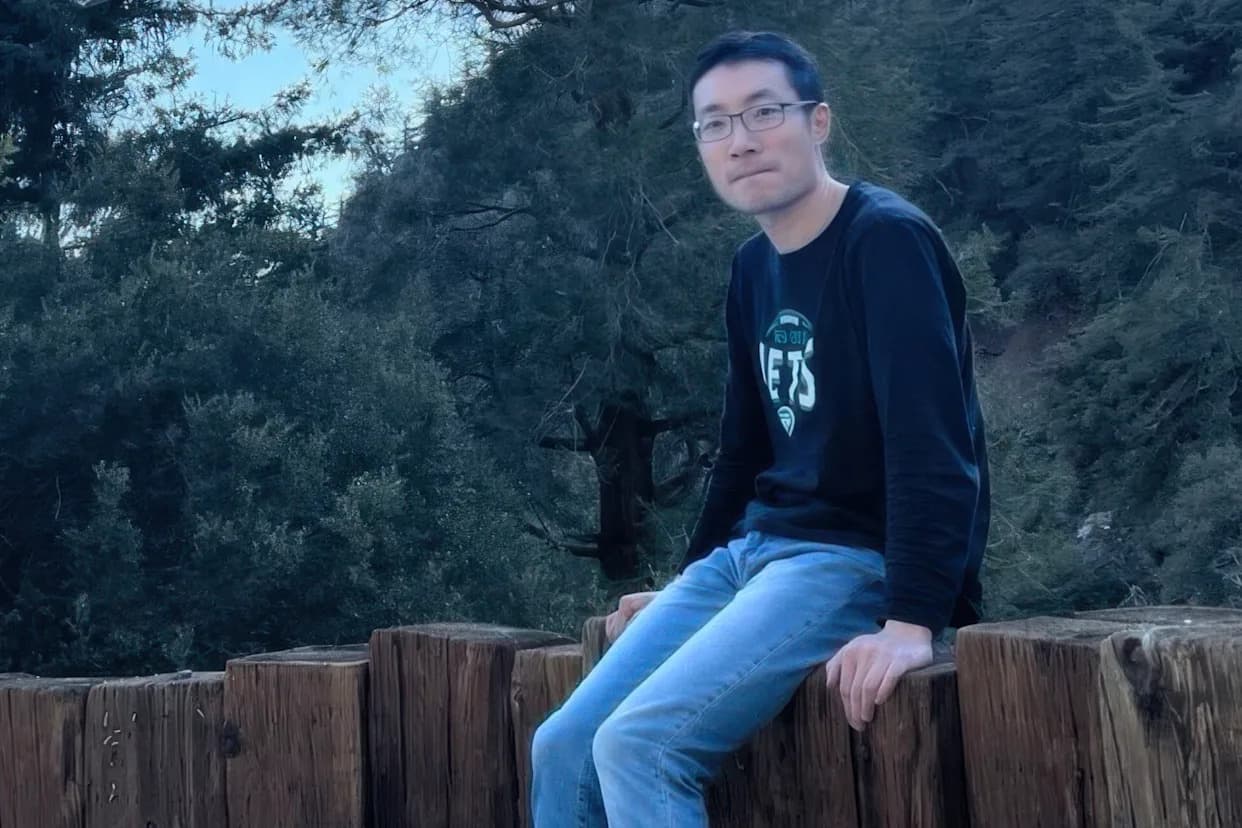
This photo provided by Luo Yun shows an undated photo of Guan Heng. (Luo Yun via AP)(ASSOCIATED PRESS)
An immigration judge on Wednesday granted asylum to 38-year-old Guan Heng, ruling he has a "well‑founded fear" of persecution if returned to China after secretly filming detention facilities in Xinjiang and publicizing the footage.
Background
Guan recorded footage of detention sites in Xinjiang in 2020 and later released much of the material online. Fearing reprisals, he left China and traveled via Hong Kong, Ecuador and the Bahamas before taking a boat to Florida in October 2021. He was detained during an immigration enforcement operation in August and has remained in custody since then.
The Hearing
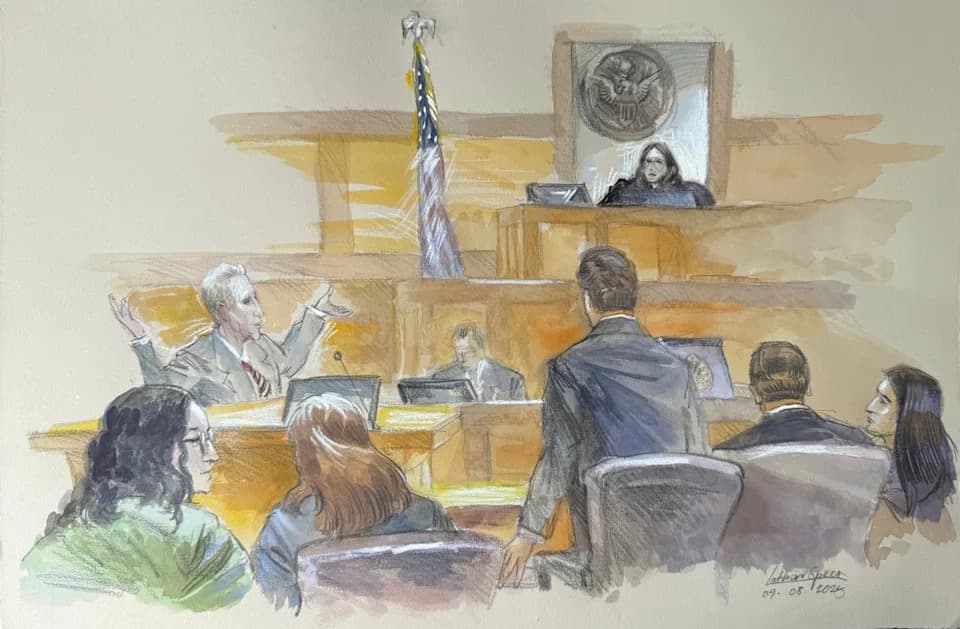
At a hearing in Napanoch, New York, Judge Charles Ouslander found Guan to be a credible witness and determined he met the legal requirements for asylum. The judge noted evidence that Chinese authorities had questioned Guan’s father and sought information about his whereabouts and past activities — factors that supported Guan's fear of retaliation.
Legal and Political Context
The Department of Homeland Security initially sought to deport Guan to Uganda but abandoned that plan in December after his case drew public attention and questions on Capitol Hill. A lawyer for DHS told the court the agency reserves the right to appeal; it has 30 days to do so. Judge Ouslander urged DHS to decide promptly, noting Guan had already been detained for several months.
Broader Implications
The Chinese government has denied allegations of widespread abuses in Xinjiang, describing its programs as vocational training intended to counter extremism. Human rights groups, by contrast, estimate that up to one million ethnic minorities — especially Uyghurs — have been detained. The case underscores the continuing challenges asylum seekers face in the U.S.; data compiled by the nonprofit Mobile Pathways shows the asylum approval rate fell to about 10% in 2025, down from roughly 28% in the 2010–2024 period.
Comments
Guan’s attorney, Chen Chuangchuang, called the case a "textbook example of why asylum should exist," arguing the United States has a moral and legal obligation to protect people who face persecution for exposing abuses.
For now, Guan remains in custody while DHS considers whether to appeal the asylum ruling.
Help us improve.