WHO and UNICEF warn that about 4.5 million girls are at risk of female genital mutilation in 2026, while roughly 230 million women and girls live with its consequences. FGM—often performed on children under five—involves removal of external genitalia and causes lifelong harm. Prevalence has fallen from about one in two girls in 1990 to one in three today, but aid cuts and attempts to medicalise the practice threaten further progress.
UN Warns 4.5 Million Girls At Risk Of Female Genital Mutilation In 2026 — Aid Cuts And Medicalisation Threaten Progress

A young woman points to the figures for the unrecorded statistics on "Female Genital Mutilation in Germany" presented by the human rights organisation "Terre des Femmes". Britta Pedersen/dpa-Zentralbild/dpa
Around 4.5 million girls worldwide are projected to be at risk of female genital mutilation (FGM) in 2026, United Nations agencies have warned. The World Health Organization (WHO) and UNICEF issued the warning as they observed the International Day of Zero Tolerance for FGM.
What Is FGM?
Female genital mutilation refers to procedures that intentionally alter or cause injury to the female genital organs for non-medical reasons. The procedure can involve partial or total removal of external genitalia and is sometimes carried out on children younger than five.
Scale and Long-Term Impact
WHO and UNICEF estimate that about 230 million girls and women are living with the consequences of FGM. Despite long-term efforts to eliminate the practice, an estimated 4.5 million girls remain at risk this year.
Trends and Progress
Education and community awareness campaigns have helped reduce FGM prevalence over recent decades. In 1990 roughly one in two girls in affected countries underwent FGM; today the rate is about one in three. While this represents meaningful progress, millions of girls continue to be affected each year.
Drivers and Emerging Threats
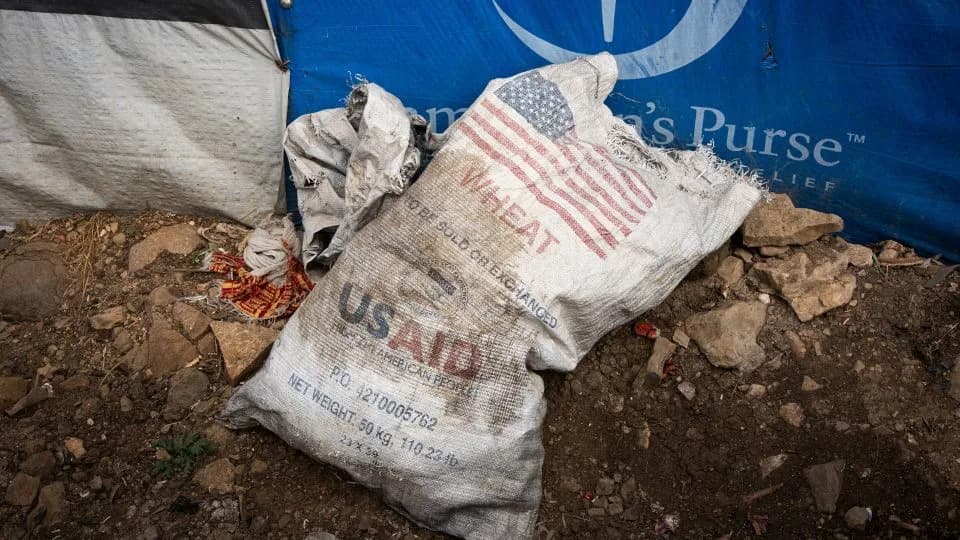
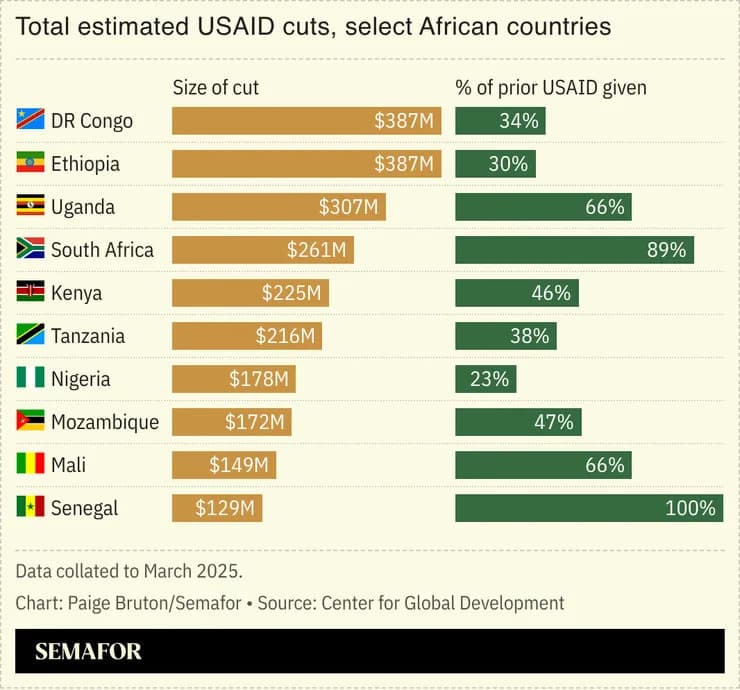
FGM is often defended on cultural or religious grounds in parts of Africa, Asia and the Middle East, with proponents claiming it preserves chastity or tradition. The UN agencies warned that two major threats are undermining progress: cuts to international aid for prevention programs, and efforts to "medicalise" FGM by portraying it as safer when performed by health professionals—an approach that still violates human rights and can perpetuate the practice.
What Experts Say And What Needs To Be Done
WHO and UNICEF urge renewed investment in community-led education, legal protections, support services for survivors, and sustained funding for prevention programs. Ending FGM requires culturally sensitive outreach, empowered local leadership, and international support to protect girls' health and rights.
WHO and UNICEF: Continued funding, stronger community engagement and rejection of medicalisation are essential to accelerate elimination of FGM.
Help us improve.