The Lancet Global Health study finds that cuts to foreign aid have disproportionately harmed sub‑Saharan Africa and could result in an additional 22.6 million deaths by 2030. Researchers analyzed 93 low‑ and middle‑income countries and flagged 38 African nations as especially at risk after funding fell by up to 28% last year. The report warns that both abrupt and modest reductions in ODA could sharply increase preventable adult and child mortality, and urges donors to stabilize commitments.
Lancet Study: Aid Cuts Could Cause 22.6 Million More Deaths In Sub‑Saharan Africa By 2030
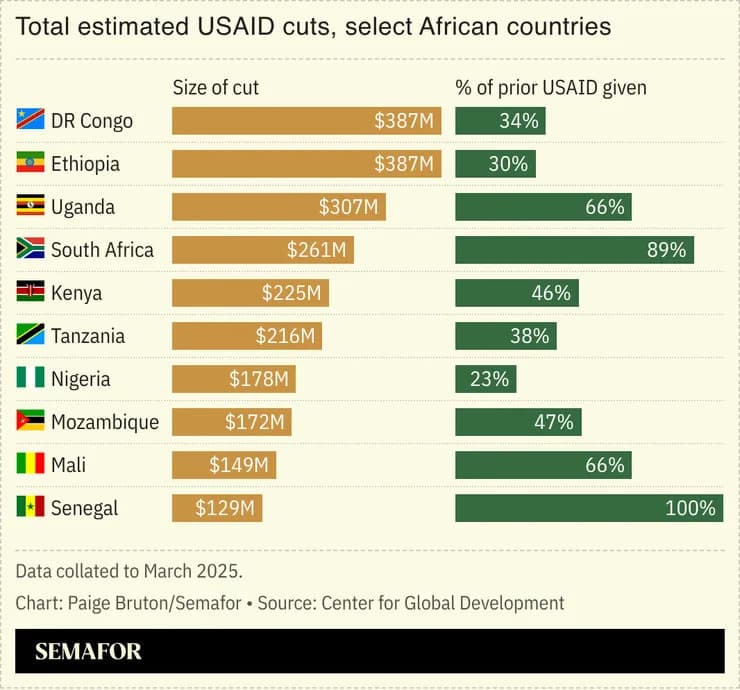
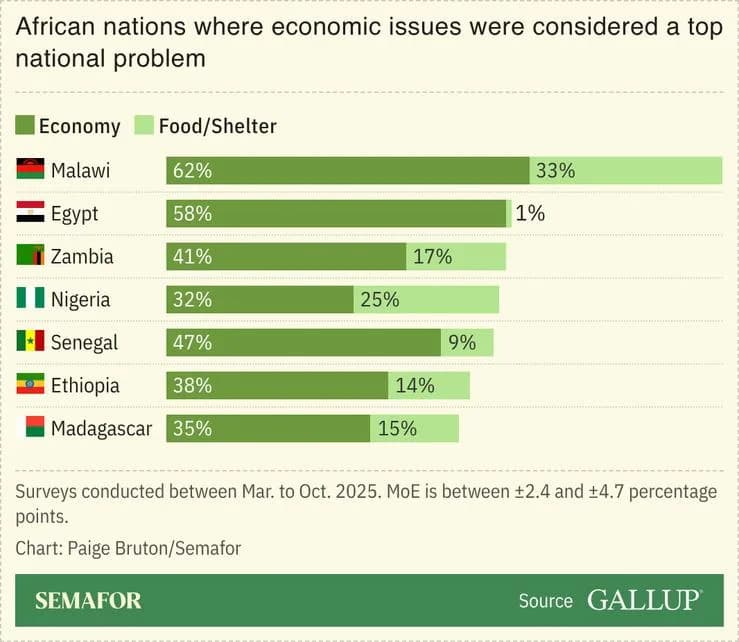
A chart showing the total estimated USAID cuts, for select Africa countries.
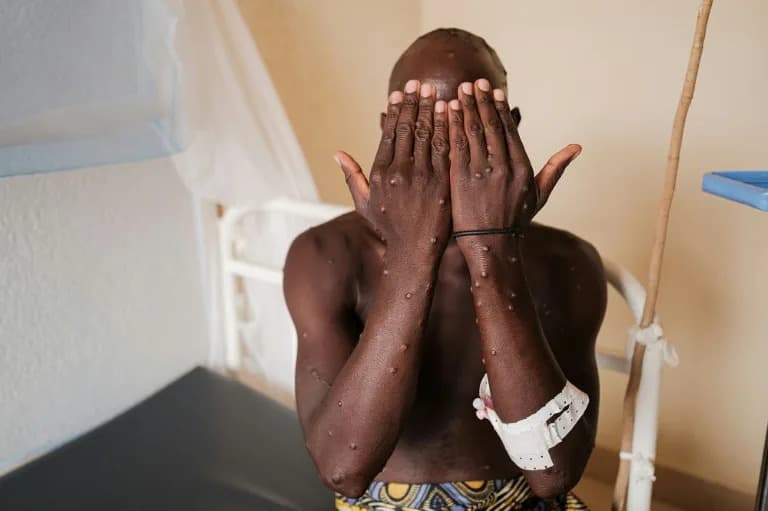
A new report in The Lancet Global Health warns that recent global reductions in foreign aid have hit sub‑Saharan Africa hardest and could have devastating human consequences. The authors estimate that reduced development and humanitarian funding could lead to an additional 22.6 million deaths by 2030 if current trends continue.
Study Findings
The study analyzed 93 low‑ and middle‑income countries and identified 38 African nations as particularly vulnerable after experiencing funding drops of up to 28% last year. Its modeling suggests that cuts to Official Development Assistance (ODA) — even at modest levels — would likely cause a sharp rise in preventable adult and child mortality across the region.
“Sudden and severe reductions in ODA funding could have catastrophic consequences,” the study states, adding that “even modest defunding” is likely to lead to “sharp increases in preventable adult and child mortality.”
Drivers And Context
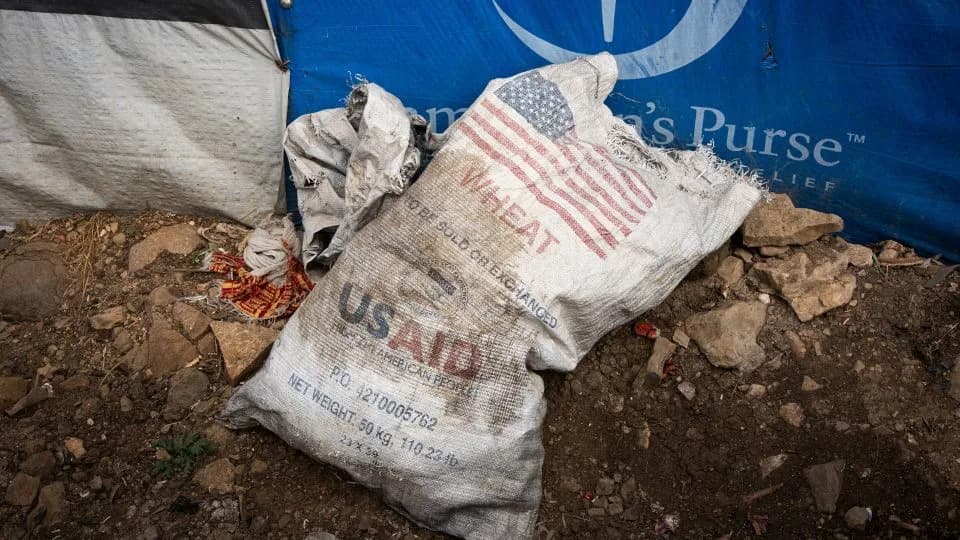
The report points to a mix of budgetary decisions and policy changes among major donor countries as drivers of the shortfalls. While some public narratives misstated that USAID was closed, the more accurate picture is that proposed budget cuts, restructuring efforts, and other policy moves in recent years have weakened predictable funding streams. Cuts and spending limits from major donors — including the United Kingdom, France and Germany — have compounded those shortfalls.
Implications And Calls To Action
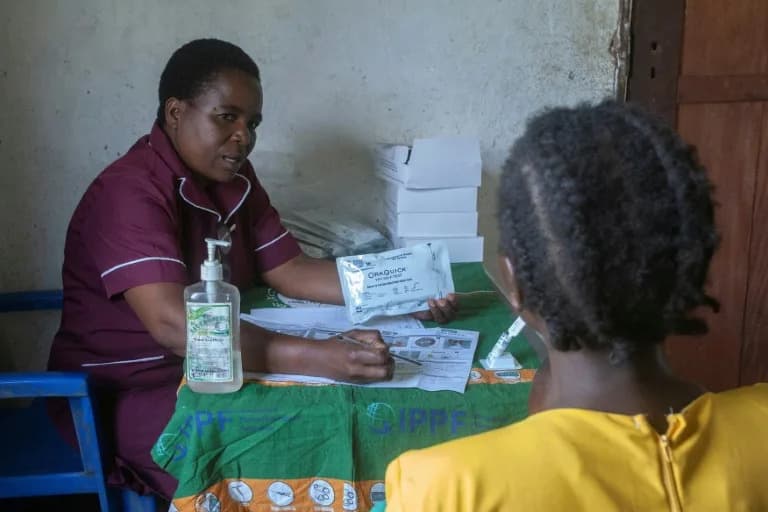
The authors warn that the consequences of reduced aid extend beyond immediate health outcomes to long‑term development setbacks, including compromised health systems, vaccination programs and maternal and child health services. They urge donors to protect and stabilize ODA commitments, citing that timely funding is critical to prevent avoidable deaths and to sustain progress on global health goals.
Note: The projections are based on the study's modeling of different funding scenarios and carry uncertainty; they are intended to illustrate the potential scale of impact if funding reductions continue.
Help us improve.