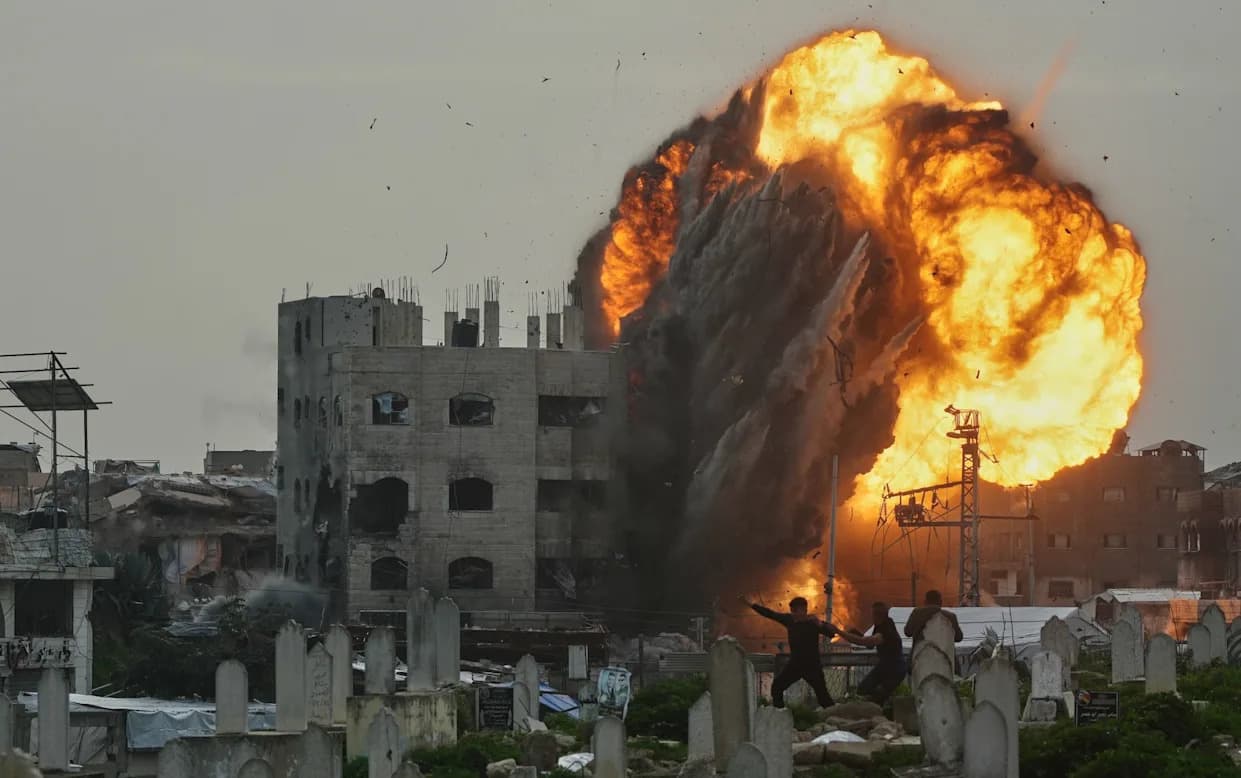
MSF secretary-general Christopher Lockyear warned that Israel's March 1 ban on the charity's work in Gaza and the West Bank risks a deeper humanitarian disaster. MSF refused to hand over Palestinian staff lists citing safety, data-protection and operational independence concerns. The organisation provides at least 20% of Gaza's hospital beds, ran 800,000+ consultations in 2025 and says removing independent aid would further deteriorate conditions on the ground.
MSF Says Israel Ban Would Be 'Catastrophic' For Gaza As Operations Face March 1 Shutdown
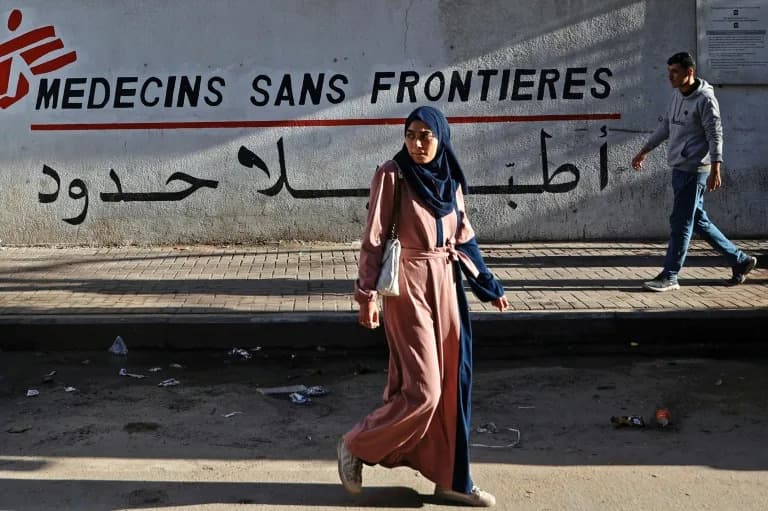
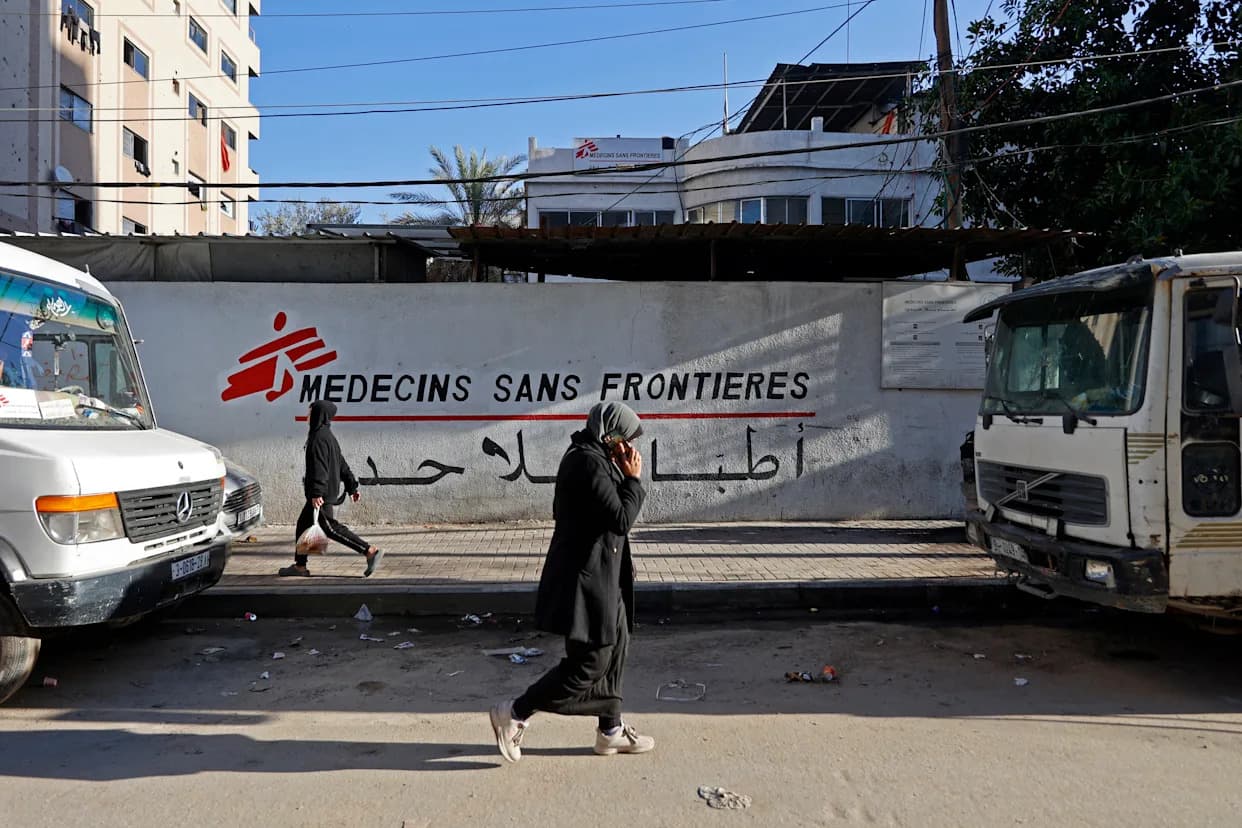
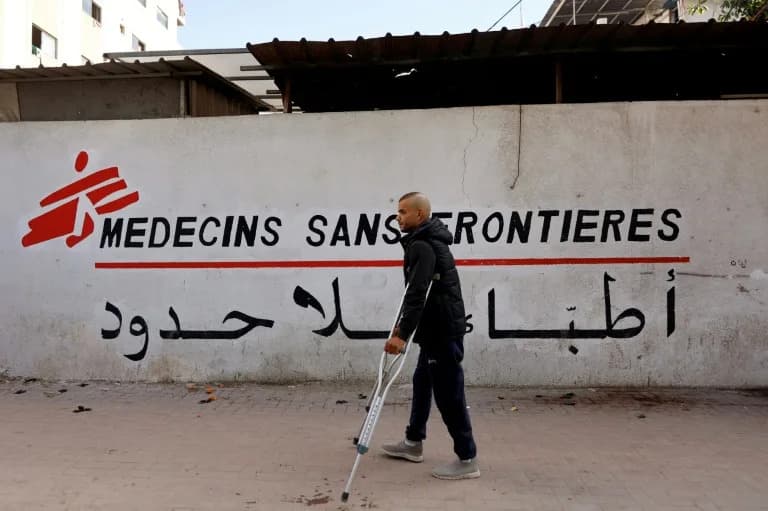
Palestinians walk past the MSF clinic in Gaza City's al-Rimal neighbourhood (Omar AL-QATTAA)(Omar AL-QATTAA/AFP/AFP)
Israel's decision to terminate Doctors Without Borders (MSF) activities in Gaza and the West Bank risks deepening an already dire humanitarian crisis, MSF's secretary-general Christopher Lockyear told AFP from the charity's Geneva headquarters.
What Happened
On Sunday, Israel announced it would end all MSF operations in both territories effective March 1, citing MSF's refusal to provide lists of its Palestinian staff. MSF has called the move a "pretext" aimed at obstructing humanitarian assistance at a time of urgent need.
"This is a decision that was made by the Israeli government to restrict humanitarian assistance into Gaza and the West Bank at the most critical time for Palestinians," Lockyear said. "We are at a moment where Palestinian people need more humanitarian assistance, not less. Ceasing MSF activities is going to be catastrophic for the people of the Gaza Strip and the West Bank."
Why MSF Refused To Share Staff Lists
MSF says it declined to hand over the requested staff names because Israeli authorities did not provide concrete guarantees to protect staff safety, secure their personal data, or preserve the independence of MSF's medical operations. Lockyear described the decision as "very rational," noting the extreme risks humanitarian workers face in the territory.
Scale Of MSF's Work In Gaza
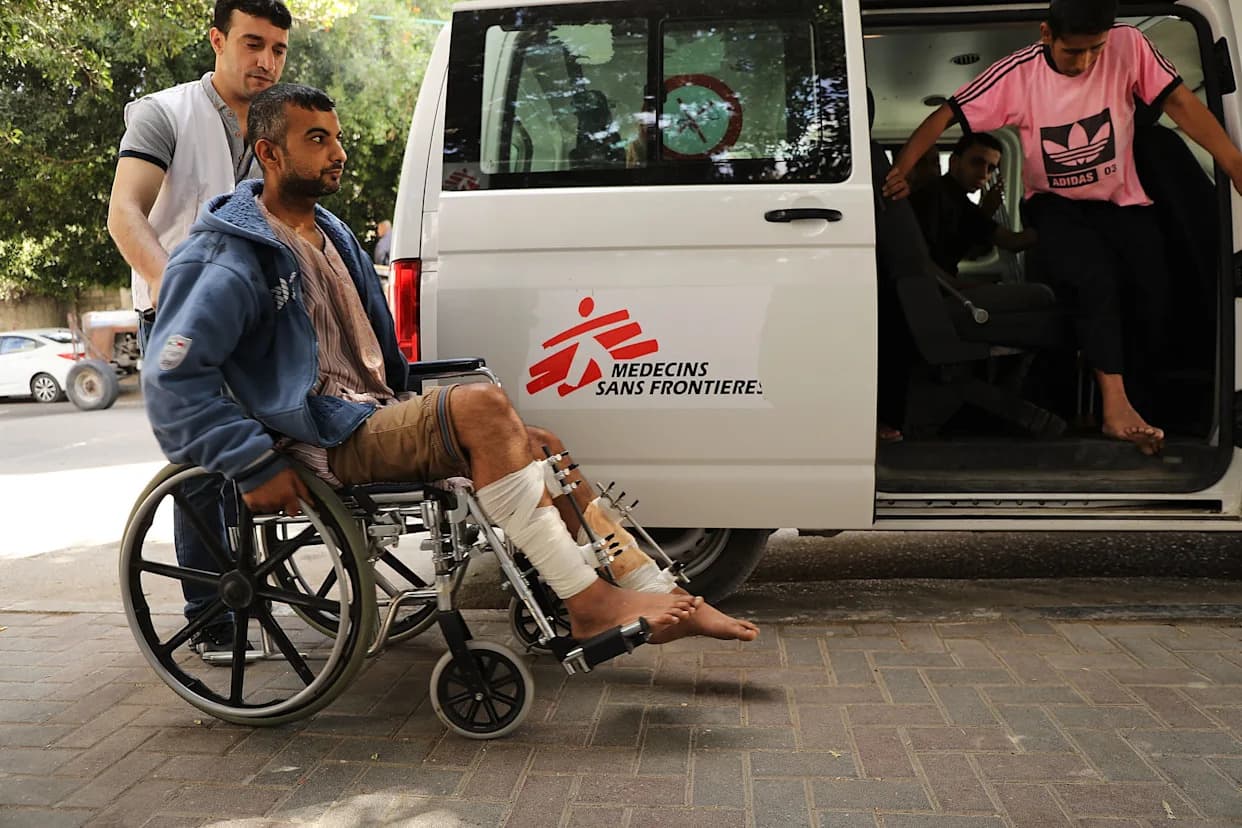
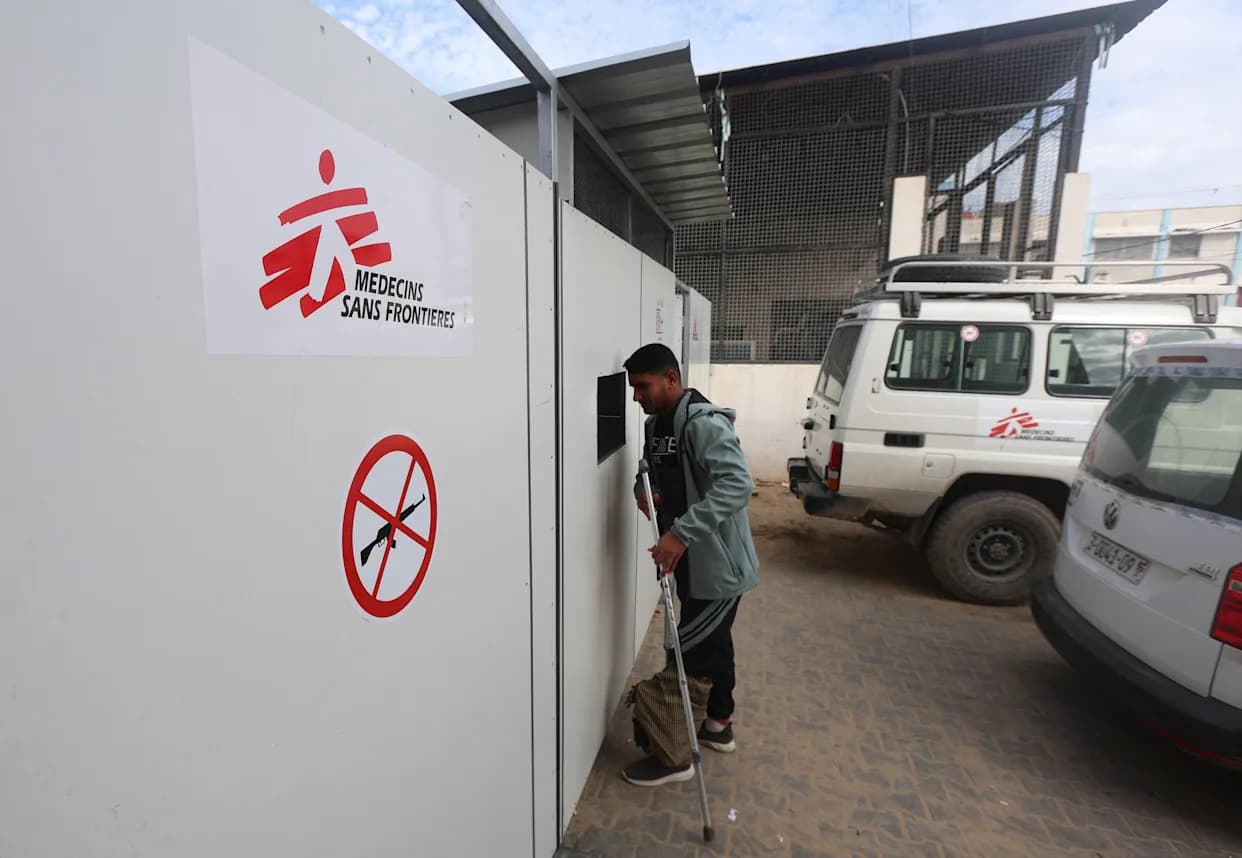
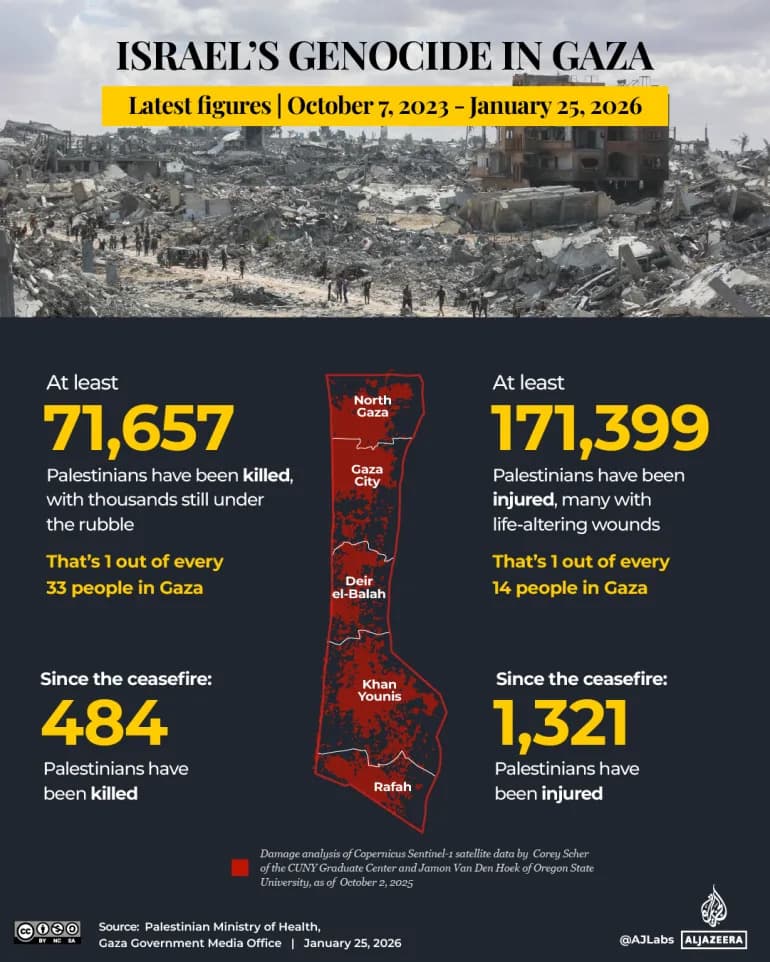
MSF has been a major provider of medical care in Gaza since the escalation of violence after October 7, 2023. The charity reports it currently supplies at least 20% of hospital beds in the territory and operates roughly 20 health centres.
- In 2025, MSF says it conducted more than 800,000 medical consultations, treated over 100,000 trauma cases and assisted in more than 10,000 infant deliveries.
- MSF also provided in excess of 700 million litres of water to people in Gaza during that period.
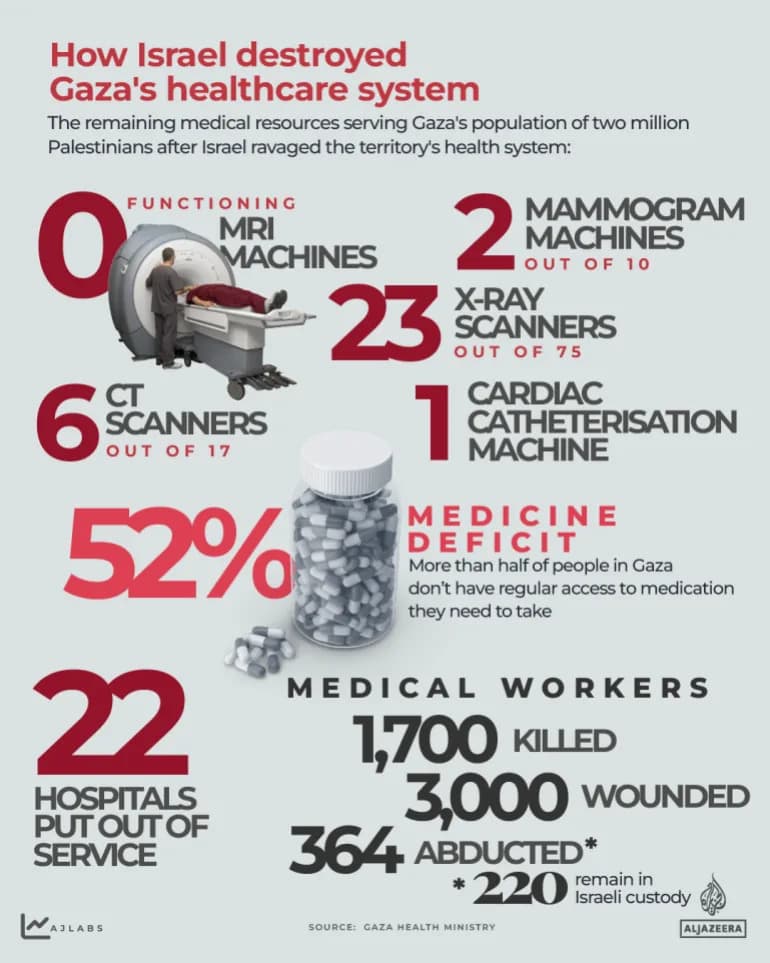
- MSF reports about 1,100 staff working inside Gaza; 15 MSF staff have been killed during the war. MSF cites broader figures of more than 500 humanitarian workers and over 1,700 medical workers killed in the Strip since the conflict escalated.
Allegations And International Response
In December, Israeli authorities said they planned to bar 37 aid organisations—including MSF—for failing to provide detailed information about Palestinian employees. Israel has also alleged that two MSF employees had links to militant groups Hamas and Islamic Jihad; MSF strongly denies those claims and says no evidence has been presented to the organisation.
Lockyear urged other governments and international bodies to press Israel to reverse bans and ensure independent humanitarian organisations can continue to deliver aid. "We need to increase massively the humanitarian assistance that's going into Gaza," he said, "not restrict it, not block it."
Potential Impact
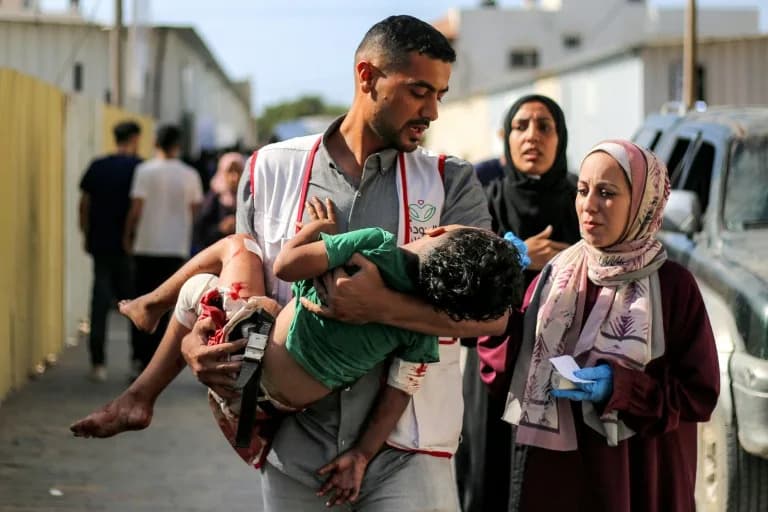
MSF and aid groups warn that removing independent medical actors at this scale will likely worsen shortages of care, overwhelm remaining hospitals and leave vulnerable populations with far fewer lifesaving services. The charity says the decision forces an "impossible choice" between protecting staff and maintaining patient access to care.
Help us improve.