The Department of Veterans Affairs reported 6,398 veteran suicides in 2023, a slight drop from 6,442 in 2022, but the suicide rate rose to 35.2 per 100,000 because the veteran population shrank. Veterans continue to die by suicide at roughly twice the rate of non-veteran adults (non-veteran rate: 16.9 per 100,000). The VA highlighted lower rates among veterans enrolled in VA care and Crisis Line callers, while identifying high-risk groups — including young and recently separated veterans, homeless veterans, women, and those with mental-health or substance-use disorders — and urged a public-health approach to prevention.
Veteran Suicide Rate Edges Up In 2023 Despite Slight Drop In Deaths
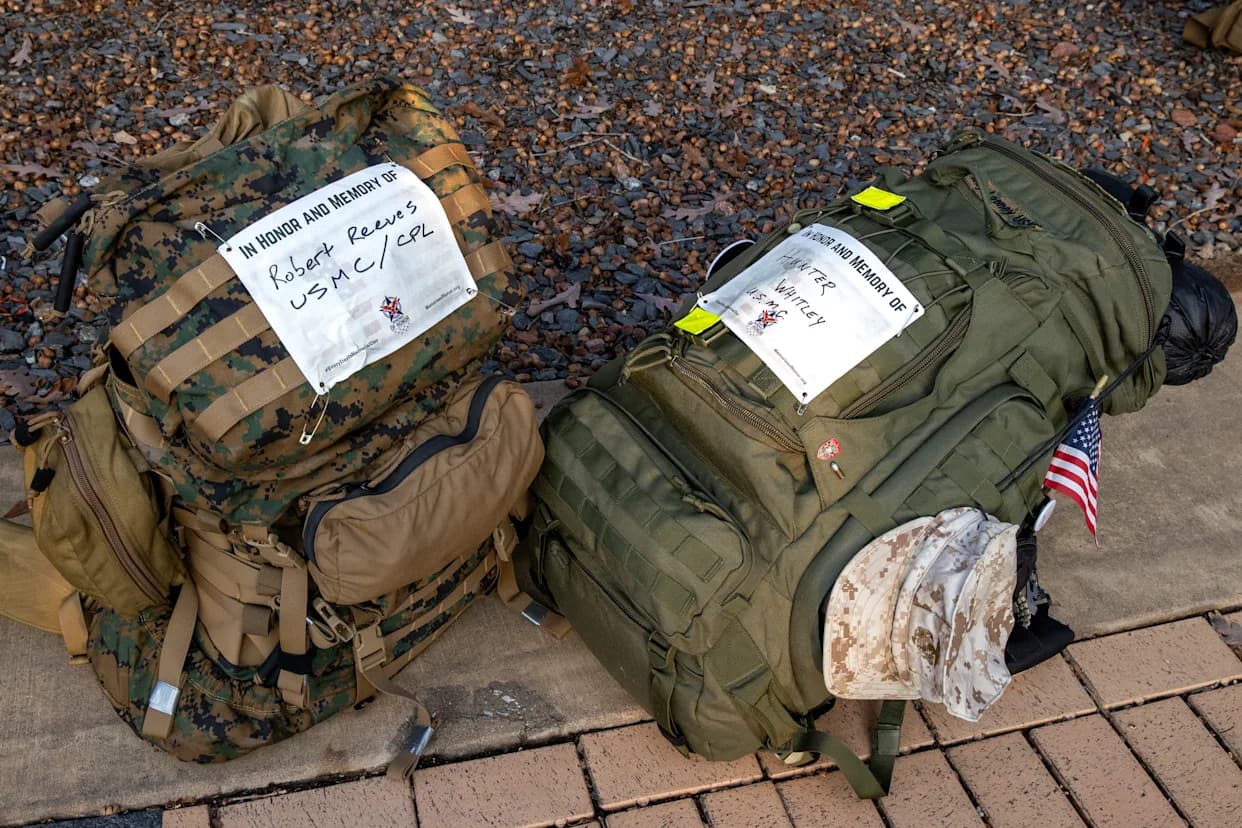
Alabama Guardsmen pin the names of service members who died by suicide to their packs, Nov. 27, 2024, before the start of Operation Iron Ruck. (Sgt. Adena McCluskey/U.S. Army National Guard)(Sgt. Adena McCluskey)
Editor’s note: This report discusses suicide. Troops, veterans and family members experiencing suicidal thoughts can call the 24-hour Suicide & Crisis Lifeline at 988, dial 1, text 838255 or visit VeteransCrisisLine.net for support.
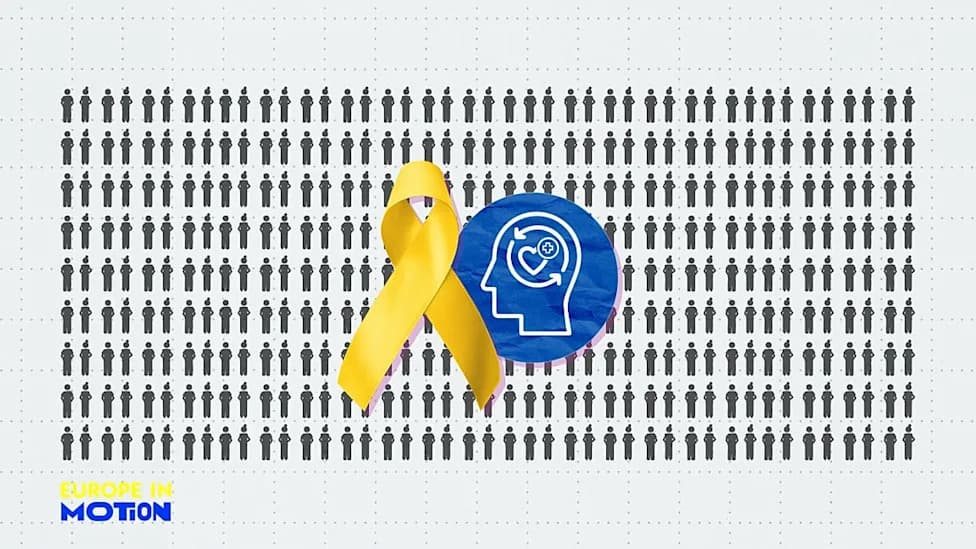
The Department of Veterans Affairs reports that 6,398 veterans died by suicide in 2023, a modest decline from 6,442 in 2022. However, because the veteran population has shrunk, the veteran suicide rate rose from 34.7 to 35.2 per 100,000 — roughly twice the rate of non-veteran U.S. adults, whose 2023 rate was 16.9 per 100,000.
What the Numbers Show
More than 6,000 veterans have died by suicide each year since 2001; the annual total peaked at 6,738 in 2018. Since that peak, the absolute number of veteran suicide deaths has trended downward, but the rate per 100,000 veterans rose in 2023 due to a shrinking veteran population.
Groups At Higher Risk
The VA report highlights groups that remain at elevated risk: younger veterans (ages 18–34), recently separated service members, people experiencing homelessness, women veterans and veterans with mental health or substance-use disorders. The report notes a small increase in suicides among women veterans in 2023 and finds homeless veterans die by suicide at rates 146% higher than housed veterans.
There were also concerning rises in suicide rates among VA patients with cancer and among younger veterans with limited income. Participants in Veterans Justice Outreach programs and veterans with traumatic brain injury were identified as higher-risk subpopulations as well.
Where Prevention Efforts Are Working
The VA has invested millions in prevention and outreach, expanding partnerships with community organizations, promoting enrollment in VA health care and running campaigns such as safe-firearm-storage initiatives. The report finds encouraging signs: the suicide rate among veterans enrolled in VA health care is now less than half the rate of veterans not enrolled, and suicides among veterans who contacted the Veterans Crisis Line declined by more than 16% in 2022. VA community partners provided counseling services and referrals for at least 27,000 veterans.
VA leaders said these results support a broader, public-health approach that embeds prevention resources across VA services and within communities to reach veterans who are not in recent VA care.
Policy And Oversight
The report’s late release drew criticism from lawmakers at a Jan. 28 Senate Veterans Affairs Committee hearing. Sen. Richard Blumenthal (D-Conn.) urged timely reporting and called for protecting suicide-prevention resources, addressing shortages of mental-health staff at the VA, and ensuring veterans seeking care receive it promptly.
“Veteran suicide has been a scourge on our nation for far too long,” a VA official said in a statement accompanying the report, emphasizing efforts to make it easier for veterans to access earned benefits and care.
Since 2001, more than 141,000 veterans have died by suicide. The VA continues to refine prevention programs and study which interventions are most effective in reducing deaths, especially among veterans not currently connected to VA care.
If you or someone you know is in crisis: Call or text 988 or connect at VeteransCrisisLine.net. Support is available 24/7.
Help us improve.