A JAMA Oncology study found that people first diagnosed with cancer in 2020–2021 had lower one-year survival than those diagnosed from 2015–2019, across multiple cancer types and both early and late stages. Researchers excluded deaths primarily attributed to COVID-19 and still observed a decline, estimating roughly 17,400 excess one-year deaths. Delayed screenings and disrupted access to care during the pandemic are likely contributors, but further study is needed to assess long-term impact.
Pandemic Disruptions Likely Reduced One-Year Cancer Survival, JAMA Oncology Study Finds
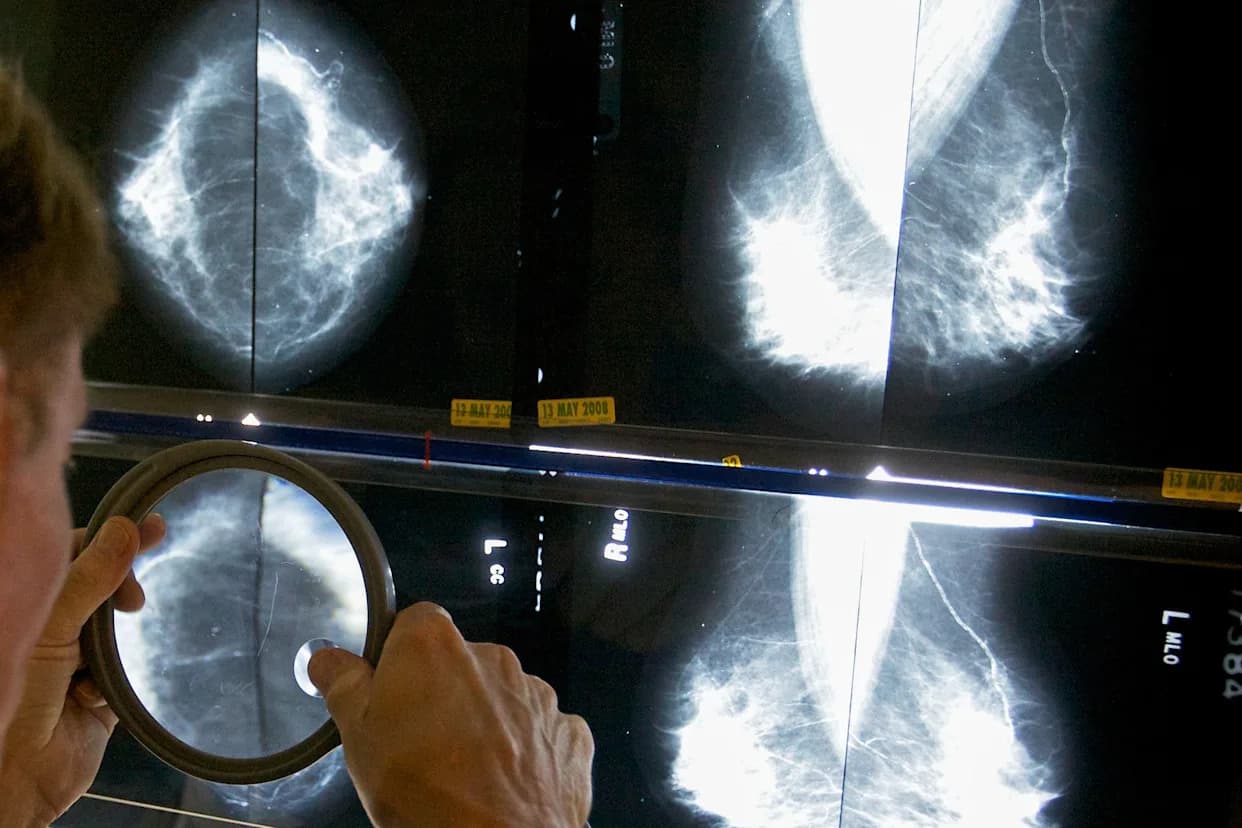
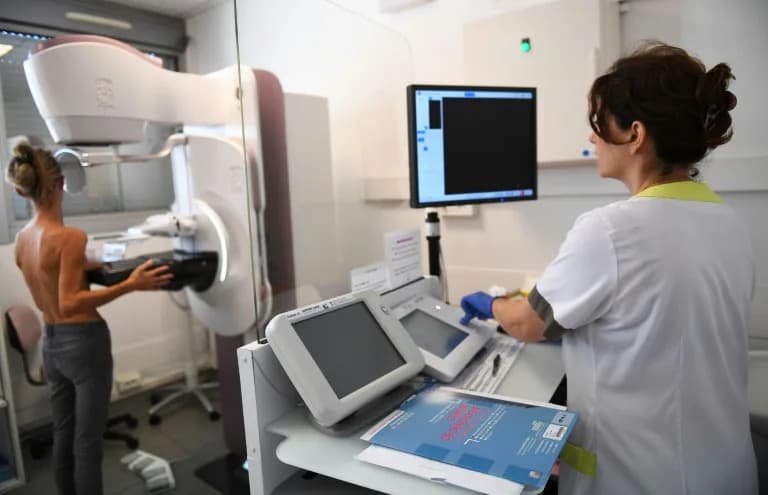
FILE - A radiologist uses a magnifying glass to check mammograms for breast cancer in Los Angeles, May 6, 2010. (AP Photo/Damian Dovarganes, File)(ASSOCIATED PRESS)
NEW YORK — A federally funded analysis published in JAMA Oncology suggests that interruptions to cancer diagnosis and care during the early years of the COVID-19 pandemic were associated with worse short-term survival for people newly diagnosed with cancer.
The study, described by its authors as the first to quantify pandemic-related, cause-specific short-term survival effects, compared one-year survival for patients first diagnosed in 2020–2021 with those diagnosed from 2015–2019. The investigators used national cancer registry data covering more than 1 million first-time cancer diagnoses in 2020 and 2021, and about 144,000 deaths within one year of diagnosis.
Key Findings
Researchers found that one-year survival was lower for people diagnosed in 2020–2021 than expected based on pre-pandemic (2015–2019) trends. The decline was observed across multiple cancer types and for both early- and late-stage diagnoses. The largest short-term differences were seen for colorectal, prostate and pancreatic cancers. Overall, the team estimated roughly 17,400 more deaths within one year of diagnosis than would have been expected from pre-pandemic trends.
Accounting For COVID-19 Deaths
Because COVID-19 infection posed a direct risk to people with cancer, the study attempted to exclude deaths primarily attributed to the coronavirus so the authors could examine other possible contributors. Even after this filtering, the short-term survival decline persisted.
Possible Causes And Context
Lead author Todd Burus of the University of Kentucky said the analysis cannot definitively identify the causes of the decline. "But disruptions to the health care system were probably a key contributor," Burus said, noting that many routine screenings (colonoscopies, mammograms, lung CT scans) and some treatments were delayed or rescheduled, especially in 2020 when hospitals reprioritized resources.
Other experts pointed out that long-running cancer prevention, diagnostic and treatment practices continued during the pandemic, which helps explain earlier reports that overall U.S. cancer mortality continued to trend downward. Still, changes in access to care and timeliness of treatment could have produced transient declines in short-term survival.
"Transient declines in survival that quickly recover may have little impact on long-term mortality trends," said Hyuna Sung, senior principal scientist and cancer epidemiologist at the American Cancer Society, underscoring the need for follow-up studies.
What This Means
The study highlights the importance of maintaining access to cancer screening, diagnosis and timely treatment even during public health emergencies. Further research will be needed to determine whether the observed short-term declines translate into sustained long-term effects on cancer mortality.
The Associated Press contributed to this report.
Help us improve.